How To Make Professional Iced Coffee Like a Barista
Making professional iced coffee at home is easier than you think. With the right beans, technique, and a few barista secrets, you can craft café-quality iced coffee that rivals your favorite coffee shop. This guide walks you through every step from brewing to pouring.
There is something deeply satisfying about sipping a perfectly crafted iced coffee on a warm morning. Maybe you have tried making iced coffee at home and felt like it never quite tastes the same as what you get at your favorite café. That gap between homemade and café-quality can be frustrating.
The good news is that making professional iced coffee at home does not require expensive equipment or years of training. A few simple changes in how you brew, chill, and assemble your drink can make a world of difference. In this guide, we will share the exact techniques baristas use to create stunning iced coffee drinks right in your own kitchen.
Whether you prefer a classic iced latte, a refreshing cold brew, or a flavored iced mocha, you will find everything you need here. We will cover the best beans, the right grind size, brewing methods, and pro tips that elevate your drink from ordinary to extraordinary. By the end, you will wonder why you ever settled for anything less.
If you love iced coffee as much as we do, you might also enjoy learning how to make your own Dunkin iced coffee at home. It is a great starting point for beginners who want to replicate their favorite shop drinks.
Key Takeaways
- Use cold brew or flash-chilled coffee for the smoothest, least acidic iced coffee base.
- Choose the right coffee beans — medium to dark roasts work best for iced coffee.
- Master the coffee-to-water ratio to get the perfect strength every time.
- Don’t skip the milk and sweetener — they balance flavor and create that creamy café texture.
- Use large ice cubes or coffee ice to prevent dilution and keep your drink cold longer.
- Clean your coffee maker regularly to ensure the best flavor in every cup.
- Experiment with flavored syrups to customize your iced coffee just the way you like it.
📑 Table of Contents
- Why Homemade Iced Coffee Tastes Different
- Choosing the Best Coffee Beans for Iced Coffee
- Equipment You Need for Barista-Quality Iced Coffee
- Step-by-Step Guide to Making Professional Iced Coffee
- Pro Tips for Perfect Iced Coffee Every Time
- Common Mistakes That Ruin Iced Coffee
- Flavor Variations to Try at Home
- Conclusion
Why Homemade Iced Coffee Tastes Different
Before we dive into the how, let us talk about the why. Understanding what makes café iced coffee taste so good helps you recreate it at home. It is not magic — it is technique.
Most coffee shops use specific brewing methods designed for iced coffee. They control extraction time, water temperature, and coffee concentration carefully. At home, many people simply brew a regular pot of hot coffee and pour it over ice. The result? A diluted, sometimes bitter drink that lacks depth.
The key difference lies in coffee extraction. When hot coffee sits on ice, it melts the cubes and weakens the flavor. Baristas avoid this by using concentrated bases that hold up even as ice melts. Once you understand this principle, your homemade iced coffee will never taste the same again.
The Role of Coffee Extraction
Extraction is the process of pulling flavors from coffee grounds using water. Too little extraction gives you sour, weak coffee. Too much extraction creates bitter, harsh flavors. For iced coffee recipes, you want a balanced extraction that captures sweetness, acidity, and aroma in harmony.
Baristas pay close attention to three factors during extraction:
- Brewing temperature — Cooler water extracts flavors more slowly and gently.
- Grind size — A coarser grind prevents over-extraction in cold brewing.
- Brewing time — Longer steeping times create deeper, richer flavors.
When you control these variables, you unlock a level of flavor that hot-brewed coffee poured over ice simply cannot match.
Choosing the Best Coffee Beans for Iced Coffee
Not all coffee beans are created equal when it comes to iced coffee. The bean you choose shapes the entire flavor profile of your drink. Let us break down what works best.
Medium to Dark Roasts Are Your Best Friend
For most iced coffee recipes, medium to dark roasts produce the best results. These roasts bring out chocolatey, caramel, and nutty notes that pair beautifully with milk and sweeteners. Light roasts can work too, but they tend to be more acidic and fruity, which some people find overpowering when served cold.
Here is a quick comparison to help you choose:
- Light roast: Bright, acidic, fruity. Best for black iced coffee lovers.
- Medium roast: Balanced, smooth, slightly sweet. Great for iced lattes.
- Dark roast: Bold, rich, smoky. Perfect for flavored iced coffee drinks.
Freshness Matters More Than You Think
Freshly roasted beans make a noticeable difference in flavor. Try to use beans within two to four weeks of their roast date. Store them in an airtight container away from sunlight and heat. Avoid buying pre-ground coffee if possible — grinding your beans just before brewing preserves the aroma and taste.
When you buy whole beans and grind them yourself, you control the coffee grind size for each brewing method. This small change alone can transform your iced coffee from mediocre to magnificent.
Equipment You Need for Barista-Quality Iced Coffee
You do not need a $5,000 espresso machine to make excellent iced coffee. However, having the right tools does make a difference. Here is what we recommend.
Essential Equipment
- A good coffee maker or cold brew maker. A standard drip coffee maker works fine for flash-chilled coffee. For cold brew, a mason jar or a dedicated cold brew pitcher does the trick.
- A burr grinder. Blade grinders create uneven particles, which lead to inconsistent extraction. A burr grinder gives you a uniform grind every time.
- Large ice cubes or coffee ice. Standard ice cubes melt fast and water down your drink. Large cubes or frozen coffee cubes keep your drink cold without diluting it.
- A milk frother. Even a simple handheld frother adds a creamy, velvety texture that mimics café drinks.
- Simple syrup or flavored syrup. Granulated sugar does not dissolve well in cold liquids. Simple syrup blends in smoothly and sweetens evenly.
Taking Care of Your Coffee Maker
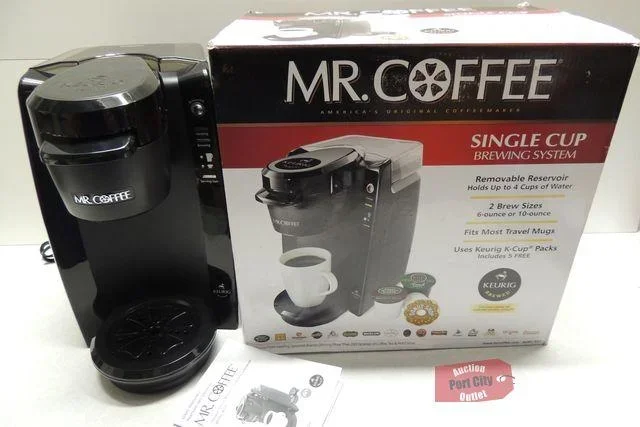
Clean equipment brews better coffee. Mineral buildup inside your machine can affect flavor and temperature. If you use a Keurig or similar single-serve machine, regular maintenance is especially important. Decalcifying your Keurig coffee maker every few months removes limescale and keeps your machine running at peak performance. The same principle applies to any coffee brewer you own.
Clean your coffee maker with white vinegar and water, or use a commercial descaling solution. Your iced coffee will taste cleaner and brighter when your equipment is free of buildup.
Step-by-Step Guide to Making Professional Iced Coffee
Now for the fun part — actually making the coffee. We will walk you through two proven methods: the flash-chill method and the cold brew method. Both produce café-quality iced coffee at home.
Method 1: Flash-Chilled Coffee (Hot Brew, Rapidly Cooled)
This method is perfect when you want iced coffee fast. You brew hot coffee and cool it down quickly to lock in flavor.
Step 1: Grind your coffee beans to a medium consistency. Use about 30 grams of coffee for every 400 milliliters of water.
Step 2: Brew the coffee using your coffee maker. Make sure the water is between 195°F and 205°F for optimal extraction.
Step 3: Pour the hot coffee directly over a full glass of large ice cubes. The rapid cooling stops the brewing process and preserves the flavor.
Step 4: Add milk, simple syrup, or flavored syrup to taste. Stir well and enjoy immediately.
This method produces a bright, clean iced coffee with pronounced acidity and aroma. It is the go-to technique for many home baristas.
Method 2: Cold Brew Concentrate (Slow and Smooth)
Cold brew takes longer but delivers a remarkably smooth, low-acid iced coffee that many people prefer.
Step 1: Grind your beans coarsely. Think of the texture of sea salt — not too fine, not too chunky.
Step 2: Combine the grounds with cold water at a ratio of 1:4 (one part coffee to four parts water). For example, use 100 grams of coffee with 400 milliliters of water.
Step 3: Stir gently and let the mixture sit in the refrigerator for 12 to 24 hours. The longer it steeps, the stronger and more concentrated the flavor becomes.
Step 4: Strain the mixture through a fine mesh sieve or cheesecloth. Discard the grounds and store the concentrate in a sealed container.
Step 5: When you are ready to serve, mix one part concentrate with one part cold water or milk. Add ice, sweetener, and any extras you like.
Cold brew concentrate stays fresh in the fridge for up to two weeks. This means you can always have a ready-to-go iced coffee base on hand.
Method Comparison
| Factor | Flash-Chilled Coffee | Cold Brew Concentrate |
|---|---|---|
| Brew Time | 5-10 minutes | 12-24 hours |
| Flavor Profile | Bright, acidic, aromatic | Smooth, sweet, low acidity |
| Best For | Quick iced coffee fixes | Batch preparation and smooth drinks |
| Equipment Needed | Coffee maker, ice | Jar, fine mesh strainer |
| Shelf Life | Best same day | Up to 2 weeks refrigerated |
Pro Tips for Perfect Iced Coffee Every Time
Here is where the real magic happens. These barista-tested tips take your iced coffee from good to absolutely exceptional.
Use Coffee Ice Cubes
One of the biggest secrets to great iced coffee is preventing dilution. Freeze leftover coffee into ice cubes and use them instead of regular ice. As they melt, they actually strengthen your drink instead of weakening it. This is a simple trick that makes a huge difference.
Sweeten Before Cooling
Adding sugar or syrup to warm coffee helps it dissolve completely. Once the coffee is cold, sugar tends to settle at the bottom and clump. Mix your sweetener into the hot coffee first, then chill or pour over ice for an evenly sweetened drink every time.
Experiment with Milk and Milk Alternatives
Whole milk creates a rich, creamy texture. Oat milk has become a favorite among coffee lovers because it froths well and adds a natural sweetness. Almond milk and coconut milk bring their own unique flavors to flavored iced coffee drinks. Try different options to find your perfect match.
Master the Art of Layering
Cafés often layer their drinks for visual appeal and flavor contrast. Try pouring milk over ice first, then slowly adding your coffee concentrate on top. The gradient looks stunning and gives you a different flavor experience with each sip.
Add a Pinch of Salt
This might sound strange, but a tiny pinch of salt in your iced coffee suppresses bitterness and enhances sweetness. It is one of the most well-guarded barista secrets, and it works like a charm.
Common Mistakes That Ruin Iced Coffee
Even with the best beans and equipment, certain mistakes can ruin your iced coffee. Here are the ones to avoid.
Using the Wrong Grind Size
Grinding your coffee too fine for cold brew creates a gritty, over-extracted mess. Too coarse for hot brewing gives you weak, sour coffee. Always match your grind size to your brewing method.
Skipping the Concentration Step
Brewing regular-strength coffee and pouring it over ice almost always leads to a watery, flavorless drink. Concentrated bases — whether flash-chilled or cold brewed — maintain their character as the ice melts.
Using Old or Stale Beans
Stale beans produce flat, lifeless coffee. No amount of milk or syrup can fix a poorly stored bean. Always check the roast date and store your beans properly.
Not Chilling Your Glass
Serving iced coffee in a warm glass causes the drink to warm up faster. Keep your glasses in the freezer for a few minutes before serving. This small step keeps your coffee colder for longer.
Overlooking the Water Quality
Coffee is about 98 percent water. If your tap water tastes off, your coffee will too. Use filtered water for the cleanest, best-tasting iced coffee possible.
Flavor Variations to Try at Home
Once you master the basics, it is time to get creative. Here are some popular flavored iced coffee variations to try.
- Vanilla Iced Coffee: Add a pump of vanilla syrup or a splash of vanilla extract. Simple and universally loved.
- Mocha Iced Coffee: Stir in a tablespoon of cocoa powder or chocolate syrup for a rich, chocolatey treat.
- Caramel Iced Coffee: Drizzle caramel sauce inside the glass before adding coffee and milk. Beautiful and delicious.
- Coconut Iced Coffee: Use coconut milk and a touch of coconut syrup for a tropical twist.
- Espresso Iced Coffee: Pull a shot of espresso and pour it over ice with a splash of milk for a bold, café-style drink.
Each variation takes only a minute to prepare and transforms your basic iced coffee into something special. Keep experimenting until you find your signature drink.
Conclusion
Making professional iced coffee at home is within everyone’s reach. With the right beans, proper technique, and a few barista tricks, you can enjoy café-quality drinks without leaving your kitchen. Start with the method that suits your schedule — flash-chill for speed or cold brew for smoothness — and build from there.
Remember to pay attention to grind size, water quality, and coffee-to-water ratios. Invest in good ice and a simple milk frother. Keep your equipment clean and your beans fresh. These small efforts add up to a massive difference in flavor.
The best part about making iced coffee at home is the freedom to customize every cup exactly how you like it. Try new syrups, test different milks, and discover what works best for your taste buds. Once you start making professional-grade iced coffee at home, you will never go back to the coffee shop drive-through.
So grab your favorite beans, pull out your coffee maker, and start brewing. Your perfect iced coffee is just a few minutes away.
Frequently Asked Questions
What is the best coffee for iced coffee?
Medium to dark roast beans work best for most iced coffee recipes. They provide balanced flavor with chocolatey and caramel notes that pair well with milk and ice. Freshly roasted and freshly ground beans give the best results.
Can I make iced coffee with a regular coffee maker?
Absolutely! You can use a standard drip coffee maker to brew hot coffee and then pour it over ice for a flash-chilled method. Just make sure to brew it stronger than normal since the ice will dilute the flavor slightly.
How long does cold brew concentrate last in the fridge?
Cold brew concentrate stays fresh for up to two weeks when stored in a sealed container in the refrigerator. After that, the flavor starts to decline. Always use clean containers to preserve freshness.
Why does my homemade iced coffee taste bitter?
Bitterness usually comes from over-extraction. This can happen if your grind is too fine, your water is too hot, or you brew for too long. Try using a coarser grind, lower water temperature, or shorter brewing time to fix the issue.
Do I need a special machine to make professional iced coffee?
No special machine is required. A basic coffee maker, a mason jar for cold brewing, and a burr grinder are all you need. The real secret to professional iced coffee is technique, not expensive equipment.
How can I make my iced coffee creamier without dairy?
Oat milk and coconut milk are excellent dairy alternatives that add creaminess and natural sweetness to iced coffee. You can also use a milk frother to create a rich foam that mimics the texture of dairy-based café drinks.