How To Make Traditional Greek Coffee The Authentic Way
Making traditional Greek coffee at home is easier than you think, and the result is far superior to anything from a coffee shop. This guide walks you through every step, from choosing the right beans and equipment to mastering the perfect foam and sweetness level. You will learn the authentic Greek coffee method that has been passed down through generations.
There is something magical about a cup of traditional Greek coffee. It is not just a drink. It is a ritual, a conversation starter, and a moment of stillness in a busy day. For centuries, Greeks have prepared coffee in a way that has barely changed. The method is simple, the tools are few, and the result is deeply flavorful.
If you have ever wondered how to make Greek coffee at home, you are in the right place. This guide covers everything from the history and equipment to a full step-by-step brewing process. Whether you are a coffee lover looking to expand your skills or someone curious about Mediterranean culture, this article will give you everything you need. We will also share common mistakes to avoid and expert tips that make all the difference.
By the end, you will be brewing authentic Greek coffee like a pro. You might even find yourself preferring it over your usual morning brew. So grab a small pot, some fine grounds, and let us dive in.
Key Takeaways
- Greek coffee uses a special brewing method: Unlike regular drip coffee, Greek coffee is boiled slowly in a small pot called a briki, creating a rich and unfiltered cup.
- The right equipment matters: A traditional brass or copper briki and fine Greek coffee grounds are essential for authentic results.
- Sweetness is a personal choice: Greek coffee offers four distinct sweetness levels, from sketos (unsweetened) to glykos (very sweet).
- Presentation is part of the ritual: Greek coffee is always served with a glass of cold water and often a small sweet treat.
- Patience is key: Rushing the brewing process is the most common mistake. Slow heating creates the signature foam called kaimaki.
- Greek coffee has health benefits: Rich in antioxidants and consumed slowly, it supports both physical and social well-being.
📑 Table of Contents
What Is Traditional Greek Coffee?
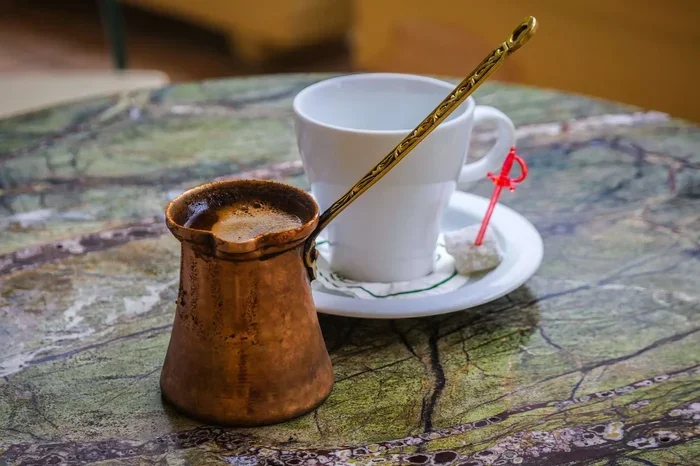
Traditional Greek coffee is a brewing method that dates back centuries. It originated in the Ottoman Empire and became a beloved part of Greek culture. The coffee is finely ground and boiled in a small copper or brass pot called a briki (also spelled briki). Unlike filtered coffee, Greek coffee is served unfiltered, which means you drink the grounds right along with the liquid.
This method creates a thick, rich, and intensely flavored cup of coffee. The texture is unique. You get a layer of creamy foam on top called kaimaki, and the grounds settle at the bottom of the cup. The taste is bold and full-bodied, very different from what you get from a drip machine or a pod system.
One important thing to know is that Greek coffee vs Turkish coffee is a common debate. The two are very similar in preparation. The main differences lie in the grind size, the beans used, and the cultural traditions around serving. Greek coffee typically uses a slightly coarser grind than Turkish coffee, and Greeks always serve it with a glass of cold water on the side.
The Cultural Significance of Greek Coffee
In Greece, coffee is not just about caffeine. It is about connection. People sit in cafes for hours, sipping their Greek coffee and chatting with friends. The phrase “going for a coffee” in Greece means spending time together, not just grabbing a quick drink. This cultural tradition is deeply rooted in daily life, and making coffee at home carries the same warmth and intention.
What You Need: Ingredients and Equipment
Making traditional Greek coffee requires very few things. That is part of its beauty. You do not need an expensive machine or complicated tools. Here is what you need to get started.
The Briki (Greek Coffee Pot)
The briki is the heart of Greek coffee making. It is a small, long-handled pot, traditionally made of brass or copper. Modern versions are also available in stainless steel and even aluminum. The size matters. You should choose a briki that matches the number of cups you want to make. A standard briki makes one to two cups.
Do not use a regular saucepan. The shape of the briki is designed to allow the coffee to heat evenly and form the proper foam. The long handle keeps your hands away from the heat source.
Greek Coffee Beans and Grind
Traditionally, Greek coffee beans are a dark roast blend. The beans are ground to an extremely fine consistency, almost like powdered sugar. This fine grind is essential. It allows the coffee to extract properly during the slow boiling process and creates that signature thick texture.
You can buy pre-ground Greek coffee from specialty stores or Greek markets. Many brands offer authentic Greek coffee grounds ready to use. If you have a quality burr grinder, you can also grind your own beans to a very fine setting. Freshly ground coffee always tastes better.
Other Essential Items
- Cold filtered water: Use fresh, cold water for the best flavor. Avoid hot or distilled water.
- Sugar: Optional, depending on your sweetness preference. More on this below.
- A demitasse cup: The small, traditional cup used for serving. These are usually about 3 to 4 ounces.
- A heat source: A stovetop burner on low to medium-low heat works perfectly.
Step-by-Step Guide to Making Greek Coffee
Now comes the fun part. Making Greek coffee at home is a simple process, but it requires attention and patience. Follow these steps carefully, and you will be rewarded with a perfect cup every time.
Step 1: Measure Your Water
Start by pouring cold water into your briki. Use the demitasse cup to measure. For one cup of coffee, fill the briki with one full cup of water. Do not overfill. You need room for the coffee and the foam that will form during brewing.
Step 2: Add the Coffee Grounds
Add one heaping teaspoon of fine Greek coffee grounds for each cup. Do not pack the grounds down. Just let them sit loosely in the water. If you like sweet coffee, add your sugar now. The amount depends on your preferred sweetness level, which we will cover in detail shortly.
Step 3: Stir Gently
Place the briki on the stove over low heat. Use a small spoon to stir the mixture gently just once or twice. You want the grounds and sugar to dissolve into the water. After that, do not stir again. Stirring during the boil can prevent the foam from forming properly.
Step 4: Heat Slowly and Watch Closely
This is the most important step. Heat the coffee slowly over low to medium-low heat. Watch the briki closely. As the coffee heats, it will begin to rise. You will see a foam forming on top. This is the kaimaki, and it is what makes Greek coffee special.
When the foam starts to rise toward the top of the briki, remove it from the heat immediately. Let it settle back down. Then place it back on the heat. Repeat this process two to three times. This slow heating cycle is what develops the full flavor and creates that beautiful creamy foam.
Step 5: Pour and Serve
Once the coffee has risen and foamed for the final time, remove the briki from the heat. Let it sit for about 15 to 20 seconds. This allows the grounds to settle at the bottom. Then pour slowly into the demitasse cup, making sure each cup gets an equal share of foam.
Serve immediately. Always place a glass of cold water alongside the coffee. The water cleanses your palate and prepares your senses for the rich flavor of the Greek coffee. It is also customary to serve a small sweet treat on the side, like a piece of loukoumi or a biscuit.
Common Mistakes to Avoid
- Using too high heat: This boils the coffee too fast and destroys the foam. Always use low to medium-low heat.
- Stirring during the boil: Once you stir initially, leave it alone. Stirring disrupts foam formation.
- Using pre-ground regular coffee: Regular coffee grounds are too coarse. You need extra-fine grounds specifically labeled for Greek or Turkish coffee.
- Overfilling the briki: The coffee needs room to rise. Leave at least an inch of space at the top.
Understanding Greek Coffee Sweetness Levels
One of the most charming aspects of traditional Greek coffee is the variety of sweetness levels. When you order coffee in Greece, you specify how sweet you want it. Here are the four standard levels:
| Greek Term | English Meaning | Sugar Amount (per cup) |
|---|---|---|
| Sketos | Unsweetened | No sugar |
| Metrios | Medium | One teaspoon |
| Metrios-Glykos | Medium-Sweet | Two teaspoons |
| Glykos | Sweet | Three or more teaspoons |
When you make Greek coffee at home, you have full control over the sweetness. Start with less sugar if you are unsure. You can always add more. The sugar is added to the briki before brewing, so it dissolves into the coffee as it heats. This means the sweetness is evenly distributed throughout the cup.
Many people who are new to Greek coffee start with the metrios level. It offers a nice balance between the natural bitterness of the coffee and a touch of sweetness. Over time, you will develop your own preference. Some Greek coffee lovers enjoy it completely unsweetened to fully appreciate the complex flavor profile of the beans.
The Art of Serving and Enjoying Greek Coffee
Serving Greek coffee is a ritual that deserves respect. It is not just about pouring liquid into a cup. It is about creating an experience. Here are the traditions and etiquette to keep in mind.
Always Serve with Cold Water
Every cup of traditional Greek coffee is accompanied by a glass of cold water. This is non-negotiable. The water serves a practical purpose. It cleanses your mouth before you sip the coffee, allowing you to taste every nuance of the flavor. It also signals hospitality. Offering water to your guest is a sign of respect and warmth.
The Role of the Louvi (Coffee Spoon)
Greek coffee comes with a tiny spoon called a louvi. This small spoon serves two purposes. First, you use it to stir the sugar into the coffee before brewing. Second, you use it to sip the foam from the top. The grounds settle at the bottom of the cup, and you should never drink those last sips. The louvi helps you navigate this.
Pairing Greek Coffee with Treats
In Greece, coffee is almost always paired with something sweet. Loukoumi (Turkish delight), small biscuits, or even a piece of dark chocolate are common choices. The sweetness of the treat complements the bold, slightly bitter flavor of the coffee. If you are serving guests, offering a small sweet alongside the coffee is a lovely touch.
Sipping Slowly
One of the beautiful things about Greek coffee culture is the pace. Unlike grab-and-go coffee culture, Greek coffee is meant to be savored slowly. The cup is small, and the experience is meant to last. Sit down, hold the warm cup in both hands, and enjoy each sip. This is a moment of mindfulness in a hectic world.
Health Benefits of Greek Coffee
Beyond its rich flavor and cultural significance, Greek coffee offers some impressive health benefits. Studies have shown that the traditional brewing method, which keeps the coffee unfiltered, preserves more antioxidants than filtered coffee. These antioxidants, particularly polyphenols, support heart health and help fight inflammation.
The slow, mindful way of drinking Greek coffee also benefits your well-being. Because the cup is small and the ritual is deliberate, you consume less caffeine than you might with a large Americano. Yet you still get the mental boost and alertness that coffee provides. The combination of moderate caffeine and high antioxidant content makes Greek coffee a genuinely healthful choice when enjoyed in moderation.
Some research from the Greek islands, particularly Ikaria, has linked regular coffee consumption with longevity and reduced risk of heart disease. While coffee alone is not a miracle cure, it is clear that the way Greeks have been enjoying their coffee for centuries has real health value.
Tips for Perfect Greek Coffee Every Time
Even with the best recipe, perfecting your Greek coffee takes a little practice. Here are some expert tips that will help you nail it from the start.
- Use cold water every time: Hot water does not extract the flavors the same way. Cold water allows for a slow, even extraction.
- Do not rush the heating process: Low and slow is the golden rule. High heat ruins the foam and makes the coffee bitter.
- Invest in a good briki: A quality copper or brass briki heats evenly and lasts for years. It is worth the small investment.
- Grind your own beans if possible: Freshly ground coffee makes a noticeable difference in flavor and aroma.
- Pour carefully: The last bit of coffee in the briki contains the most grounds. Pour gently and stop before you get to the gritty bottom.
- Clean your briki after every use: Residual grounds can build up and affect the taste of your next batch. Rinse it with warm water after each use.
If you are comparing different coffee brewing methods at home, keep in mind that Greek coffee is about the process as much as the product. It is a slower, more intentional way of making coffee. If you also enjoy other coffee styles, you might want to check out how to make your own Dunkin iced coffee for a refreshing cold alternative. And just like any coffee equipment needs care, keeping your gear clean is essential for great taste every time.
Conclusion
Making traditional Greek coffee at home is one of the most rewarding things you can do in the kitchen. It requires minimal equipment, a few simple ingredients, and a bit of patience. The result is a cup of coffee that is rich, flavorful, and deeply connected to centuries of tradition.
Whether you prefer it unsweetened or very sweet, served slowly or shared with friends, Greek coffee brings a piece of Mediterranean culture right into your kitchen. The ritual of making it, the care of watching the foam form, and the pleasure of sipping it slowly all add up to something truly special.
Start with the basic recipe in this guide. Experiment with sweetness levels. Try different coffee brands. Soon, brewing authentic Greek coffee will become second nature. You will wonder how you ever drank coffee any other way. So gather your tools, heat your water, and enjoy the timeless art of Greek coffee.
Frequently Asked Questions
What is the difference between Greek coffee and regular coffee?
Greek coffee is brewed unfiltered in a small pot called a briki, using extremely fine grounds that settle at the bottom of the cup. Regular coffee is typically brewed through a filter or pod system, which removes the grounds. Greek coffee has a thicker texture, stronger flavor, and a signature foam on top called kaimaki.
Can I use regular coffee grounds to make Greek coffee?
No, regular coffee grounds are too coarse for Greek coffee. You need extra-fine grounds that are almost powdery. Look for coffee specifically labeled as Greek or Turkish coffee grounds. If you have a quality burr grinder, you can grind your own beans to a very fine setting for the best results.
What is the foam on top of Greek coffee called?
The foam is called kaimaki. It forms naturally during the slow boiling process and is considered the hallmark of well-made Greek coffee. The kaimaki is creamy and rich, and it is the first part of the coffee you should sip. Getting a good layer of kaimaki is a sign that you have brewed the coffee correctly.
How do I clean my briki after making Greek coffee?
Rinse your briki with warm water after every use. Do not use soap, as it can leave a residue that affects the taste of your next batch. If grounds build up inside, use a soft brush or a small amount of baking soda to scrub them out. Dry the briki thoroughly before storing it.
Is Greek coffee stronger than espresso?
Greek coffee is concentrated and intense, but it is not necessarily stronger in caffeine content than espresso. A standard cup of Greek coffee is smaller than a shot of espresso, and because you drink it slowly, you consume less caffeine overall. The bold flavor comes from the unfiltered grounds and the slow brewing method, not necessarily from higher caffeine levels.
Can I make Greek coffee without a briki?
The briki is the traditional and best tool for making Greek coffee. However, in a pinch, you can use a small, heavy-bottomed saucepan with a long handle. The results will not be exactly the same because the shape of the briki is specifically designed for foam formation. If you plan to make Greek coffee regularly, investing in a proper briki is highly recommended.