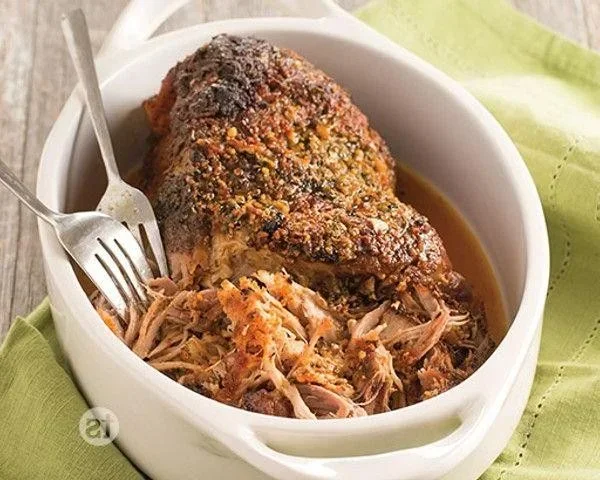
How To Do Pulled Pork In The Oven For Tender Results
How to do pulled pork in the oven is simpler than most people think. This guide walks you through every step to get tender, juicy pulled pork right in your kitchen. You will learn how to choose the right cut, season it perfectly, and cook it low and slow for amazing barbecue flavor. Whether you are a beginner or a seasoned cook, these tips will help you achieve restaurant-quality results. Follow along and enjoy delicious shredded pork every single time.
There is something magical about pulled pork in the oven. The smell of slow-cooked meat fills your whole house. The bark forms on the outside. The inside turns soft and shreddy. You do not need a smoker or a fancy grill to get this done. Your regular oven can do the same incredible job. This guide shows you exactly how to make tender pulled pork at home with simple steps and a little patience.
People think pulled pork is only for backyard cookouts and summer parties. But that is not true at all. You can make it any time of the year inside your kitchen. The oven does the work for you. You just need the right cut, the right temperature, and the right timing. Once you try this method, you will never go back to store-bought pulled pork again. It is way better, way cheaper, and way more fun to make.
This article covers everything you need to know. From picking the meat at the store to pulling it apart at the table. You will find tips on seasoning, cooking times, wrapping methods, and serving ideas. I also share common mistakes so you can avoid them. Let us get started on your journey to perfect oven pulled pork.
Key Takeaways
- Choose the right cut: pork shoulder or pork butt gives you the best flavor and tenderness for oven pulled pork
- Keep it low and slow: cooking at 225°F to 250°F ensures the meat stays moist and develops a great bark
- Use a meat thermometer: internal temperature of 195°F to 205°F is the sweet spot for tender shredded pork
- Wrap in foil: the Texas crutch method helps lock in moisture and speeds up cooking
- Rest before shredding: letting the pork rest for at least 30 minutes keeps the juices inside
- Season generously: a good pork rub with spices creates deep, rich barbecue flavor
- Serve with classic sides: coleslaw, brioche buns, and apple cider vinegar sauce complement pulled pork perfectly
📑 Table of Contents
- Choosing the Right Cut of Pork for Your Oven Recipe
- Preparing and Seasoning Your Pork for the Oven
- Setting the Right Oven Temperature and Cooking Time
- Wrapping and Resting for Juicy Results
- Shredding and Serving Your Pulled Pork
- Common Mistakes to Avoid When Making Pulled Pork in the Oven
- Expert Tips for Perfect Pulled Pork Every Time
- Conclusion
Choosing the Right Cut of Pork for Your Oven Recipe
The first step to great pulled pork in the oven is picking the right piece of meat. Not all pork cuts work the same way. Some are too lean and will dry out. Others have just the right amount of fat and connective tissue to break down into tender, juicy strands. The good news is that the best cuts for this recipe are easy to find at any grocery store or butcher shop.
Pork Shoulder vs Pork Butt: What Is the Difference?
Many people get confused by these two terms. They are actually very similar. Both come from the shoulder area of the pig. Pork shoulder is sometimes called the Boston butt. Pork butt is actually from the upper shoulder area. Both cuts work wonderfully for low and slow cooking. They have a lot of intramuscular fat. This fat melts during the long cook time. It keeps the meat moist and adds tons of flavor.
If you see either one at the store, grab it. Look for a cut that weighs between 4 and 8 pounds. A bigger piece will give you more servings. It also gives you more room for error since the extra fat protects the meat from drying out. Avoid lean cuts like pork loin. They do not have enough fat for shredded pork and will turn tough and dry in the oven.
What to Look For at the Store
When you are shopping for pork shoulder or pork butt, there are a few things to check. First, look at the color. The meat should be a nice pinkish-red color. Avoid anything that looks gray or dull. Second, check the fat. You want a good layer of fat on the outside. This fat cap melts during cooking and keeps everything juicy. Third, look at the shape. A bone-in cut adds extra flavor, but a boneless cut is easier to handle and shred.
Some stores sell pork shoulder already trimmed. Others sell it with a thick fat cap. Either one works. If the fat cap is very thick, you can trim it down to about a quarter inch. This helps the pork rub stick better and creates a more even cook. Just do not remove all the fat. You need it to keep the meat tender during the long cooking time.
Preparing and Seasoning Your Pork for the Oven
Once you have your cut of meat, it is time to prep it. This step is where the magic really starts. A good seasoning blend transforms plain pork into something incredible. The pork rub creates a flavorful crust on the outside. This crust is what barbecue fans call the bark. It is one of the best parts of pulled pork in the oven.
Making a Great Pork Rub at Home
You do not need fancy ingredients to make a killer pork rub. Most of what you need is probably already in your spice cabinet. Here is a simple recipe you can follow every time:
- 2 tablespoons brown sugar
- 1 tablespoon smoked paprika
- 1 tablespoon garlic powder
- 1 tablespoon onion powder
- 1 teaspoon cumin
- 1 teaspoon black pepper
- 1 teaspoon salt
- 1 teaspoon chili powder
- Half a teaspoon of cayenne pepper (optional for heat)
Mix all of these together in a small bowl. This amount works perfectly for a 5 to 6 pound pork shoulder. You can double or halve the recipe depending on the size of your cut. The brown sugar helps caramelize the outside. The smoked paprika adds that classic barbecue flavor. The garlic and onion powders bring depth and warmth.
Tips for Maximum Flavor
Here are some quick tips to get the most out of your pork rub. First, pat the meat dry with paper towels before you season it. Dry meat absorbs the rub better. Second, rub a thin layer of yellow mustard on the meat first. It helps the rub stick and adds a tangy base flavor. The mustard taste cooks off completely. You will not taste it in the final result.
Third, let the seasoned meat sit in the fridge for at least a few hours. Overnight is even better. This gives the spices time to penetrate deep into the meat. Fourth, do not be shy with the salt. Salt is the flavor carrier. It brings out the natural taste of the pork and balances all the other spices in your pork rub.
Setting the Right Oven Temperature and Cooking Time
This is the most important part of making pulled pork in the oven. The temperature and timing determine whether your meat turns out tender or tough. The secret is simple: go low and go slow. High heat will dry out the outside before the inside has time to cook properly. Low heat gives the collagen in the meat time to break down. This is what makes the pork soft and shreddy.
Why Low and Slow Works Best
When you cook pork shoulder at a low temperature, something amazing happens. The connective tissue inside the meat slowly turns into gelatin. This gelatin holds moisture in the meat. It creates that fall-apart tenderness that everyone loves. The fat renders out gently. It bastes the meat from the inside. The pork bark forms slowly and develops a deep, complex flavor.
A temperature of 225°F to 250°F is the sweet spot for oven barbecue. This range mimics what a smoker does but inside your oven. If your oven runs hot, set it to 225°F. If it runs cool, try 250°F. Every oven is different. Getting to know your oven’s quirks is part of the fun of making pulled pork in the oven at home.
How Long to Cook Pulled Pork in the Oven
The general rule is about 1.5 hours per pound of meat at 225°F to 250°F. So a 5 pound pork butt will take about 7 to 8 hours. A 7 pound cut could take 10 to 11 hours. These are estimates. The real guide is the internal temperature, not the clock.
Here is a simple breakdown of the cooking time based on weight:
- 3 to 4 pounds: 4.5 to 6 hours
- 5 to 6 pounds: 7 to 9 hours
- 7 to 8 pounds: 10 to 12 hours
- 8 to 10 pounds: 12 to 15 hours
Do not rush this process. The long cook time is what makes the difference between good pulled pork and great pulled pork. Use a reliable meat thermometer to check the internal temperature. You want it to reach 195°F to 205°F for the best texture. At this range, the meat will shred easily and taste incredibly tender.
Wrapping and Resting for Juicy Results
Once your pork shoulder hits the right temperature, you are not quite done yet. Two more steps make a huge difference: wrapping the meat and letting it rest. These steps might seem small, but they separate good oven pulled pork from amazing oven pulled pork.
The Texas Crutch Method
Wrapping the meat in aluminum foil is called the Texas crutch. This technique speeds up the cooking process and locks in moisture. When the meat has reached an internal temperature of about 165°F to 170°F, take it out of the oven. Lay out a large sheet of aluminum foil. Place the meat in the center. Add a splash of apple cider vinegar or a little apple juice if you like extra moisture.
Wrap the meat tightly in the foil. Make sure there are no gaps. Put it back in the oven and continue cooking until it reaches 195°F to 205°F internally. The foil creates a little steam chamber. This steam helps break down the remaining connective tissue. The meat becomes even more tender. Some people skip this step, but it really does make a difference for tender pulled pork.
How Long to Rest Pulled Pork
Resting is just as important as cooking. When you take the pork shoulder out of the oven, do not start shredding it right away. Let it rest for at least 30 minutes. If you can, let it rest for up to an hour. During this time, the juices inside the meat redistribute. They settle back into the muscle fibers. This makes every bite moist and flavorful.
You can rest the meat wrapped in foil on the counter. Or you can turn off the oven, leave the door cracked, and let it sit inside. Both methods work well. The foil keeps the heat in during the resting time. This gentle hold keeps the pork at a safe temperature while the juices settle. Skipping this step is one of the biggest mistakes home cooks make.
Shredding and Serving Your Pulled Pork
The moment you have been waiting for. It is time to pull this beautiful shredded pork apart. This part is so satisfying. You will smell that incredible barbecue flavor filling your kitchen. The meat should fall apart easily with just a little pressure. If it resists, it needs more time. Put it back in the oven for another hour and check again.
Best Tools for Shredding Pulled Pork
You do not need any special equipment to shred pulled pork in the oven. Two forks work perfectly. Just grab the meat with one fork and pull it apart with the other. The warm, tender meat will separate into beautiful strands. Some people prefer to use their hands. That works too, but be careful because the meat will be hot.
If you want to save time, you can use two forks held in each hand and twist in opposite directions. This pulls the meat apart quickly and evenly. Another option is to use a stand mixer with a paddle attachment on low speed. This works well for large batches. But honestly, the fork method gives you the most control and the best texture. You can see and feel exactly how shreddy you want your shredded pork.
Some people like to leave a few larger chunks mixed in with the shredded meat. This adds variety to the texture. It also gives you those beautiful pieces of pork bark in every bite. The bark is the crunchy, flavorful crust that forms on the outside during the long cooking time. Do not throw it away. It is one of the best parts.
Serving Suggestions and Side Dishes
Pulled pork in the oven is incredibly versatile. You can serve it many different ways. Here are some popular options:
- Pulled pork sandwiches: Pile the meat on soft brioche buns. Add a drizzle of BBQ sauce and some tangy coleslaw on top. This is the classic way to serve it.
- Pulled pork plate: Serve the meat on a plate with mac and cheese, baked beans, and cornbread. This is a hearty, filling meal that everyone loves.
- Pulled pork tacos: Use corn tortillas and top with fresh slaw, pickled onions, and a squeeze of lime. This adds a fun twist to traditional barbecue.
- Pulled pork nachos: Spread chips on a tray, cover with meat, cheese, and jalapenos. Broil until bubbly. A perfect game day snack.
For sauces, you can serve the BBQ sauce on the side so people can add their own. Some people like a tangy vinegar-based sauce. Others prefer a sweet and smoky tomato-based sauce. You can also make a quick apple cider vinegar sauce by mixing vinegar, a little sugar, and some hot sauce. It cuts through the richness of the pork perfectly.
Common Mistakes to Avoid When Making Pulled Pork in the Oven
Even experienced cooks make mistakes with pulled pork in the oven. Learning from other people’s errors saves you time and disappointment. Here are the most common mistakes and how to avoid them.
Skipping the Resting Time
This is the number one mistake. People pull the meat out of the oven and start shredding it immediately. The juices run out all over the cutting board instead of staying in the meat. The result is dry, less flavorful shredded pork. Always let the meat rest for at least 30 minutes. It makes a noticeable difference in the final texture and juiciness of your oven pulled pork.
Cooking at Too High a Temperature
It is tempting to turn up the heat to speed things along. Do not do it. High heat dries out the outside of the meat long before the inside is done. The collagen does not have time to break down properly. You end up with tough, chewy pork shoulder instead of tender, pull-apart meat. Patience is the key ingredient in any great barbecue recipe.
Not Using a Meat Thermometer
guessing the cooking time is a recipe for disaster. Every oven is different. The size and shape of your cut of meat varies. The only way to know for sure that your pulled pork in the oven is done is to use a meat thermometer. Insert it into the thickest part of the meat. You want 195°F to 205°F for tender results. Without a thermometer, you are just hoping for the best.
Using Too Much Rub or Sauce
A heavy hand with the pork rub can overpower the natural flavor of the meat. Use enough to coat the surface evenly. You should taste the spices but not be overwhelmed by them. The same goes for BBQ sauce. If you add sauce too early, it can burn and turn bitter. Apply sauce in the last 30 minutes of cooking, or serve it on the side.
Expert Tips for Perfect Pulled Pork Every Time
Here are some extra tips from experienced cooks who have made pulled pork in the oven hundreds of times. These little details make a big difference in the final result.
- Bring the meat to room temperature before putting it in the oven. Take it out 30 to 60 minutes before cooking. This helps it cook more evenly.
- Place the fat cap side up if your cut has one. The fat renders down and bastes the meat as it cooks.
- Add a small pan of water to the bottom of the oven. This creates steam and keeps the cooking environment moist.
- Save the drippings from the pan. You can use them to make a rich gravy or mix them into your BBQ sauce for extra flavor.
- Make a double batch. Pulled pork in the oven reheats beautifully. You can freeze it for up to three months and enjoy it weeks later.
- Try different wood chips if you want to add a smoky flavor. Soak them in water for 30 minutes and place them in a foil pouch on the oven rack.
These tips might seem small, but they add up to a big difference. They help you get consistent, delicious results every single time you make oven pulled pork. The more you cook it, the better you will get. Trust the process and enjoy the journey.
Conclusion
Making pulled pork in the oven is one of the most rewarding things you can cook at home. It does not require expensive equipment or years of experience. You just need a good cut of pork shoulder, a simple pork rub, and the patience to cook it low and slow. The results are worth every minute you spend in the kitchen.
Remember to choose the right cut of meat. Season it generously. Cook it at the right temperature for the right amount of time. Wrap it in foil if you want extra moisture. Let it rest before you shred it. Serve it your way with your favorite sides and sauces. Once you master these steps, you will be making tender pulled pork like a pro. Your family and friends will be impressed. And you will have a go-to recipe that works every single time. So fire up your oven, grab a pork shoulder, and get ready to make the best pulled pork in the oven you have ever tasted.
Frequently Asked Questions
Can I use a pork loin for pulled pork in the oven?
You can, but the results will not be as tender. Pork loin is a lean cut that does not have enough fat or connective tissue to break down during long cooking. It can dry out easily in the oven. For the best tender pulled pork, stick with pork shoulder or pork butt. These cuts have the right amount of fat to stay moist and shred beautifully.
How do I know when pulled pork is done in the oven?
The best way to tell is by using a meat thermometer. Insert it into the thickest part of the meat. When the internal temperature reaches 195°F to 205°F, the pork is done. The meat should pull apart easily with a fork. If it resists, give it another hour and check again. The cooking time varies based on the size of the cut and your oven temperature.
Can I make pulled pork in the oven the day before a party?
Absolutely. In fact, pulled pork in the oven tastes even better the next day. After cooking and shredding, let it cool and store it in an airtight container in the fridge. Reheat it gently in the oven or on the stovetop with a little broth or apple cider vinegar to keep it moist. This makes it a perfect make-ahead dish for gatherings and celebrations.
What is the best BBQ sauce for pulled pork in the oven?
The best sauce depends on your personal taste. A classic sweet and smoky BBQ sauce works well for most people. If you prefer something tangier, try a vinegar-based sauce. You can also make your own sauce at home using tomato paste, brown sugar, vinegar, and spices. Always add sauce in the last 30 minutes of cooking or serve it on the side to prevent burning and bitterness.
How do I keep pulled pork moist after shredding it?
The key is to save the juices. After resting and shredding your shredded pork, pour some of the pan drippings or accumulated juices back over the meat. You can also add a little apple cider vinegar or broth. Store the meat in its juices in an airtight container. When reheating, add a splash of liquid to keep it from drying out. This simple trick keeps your oven pulled pork moist and flavorful for days.
Do I need to flip the pork while it cooks in the oven?
No, you do not need to flip the meat. The oven heats evenly around the pork shoulder, so it cooks consistently on all sides. Just make sure the fat cap is facing up when you put it in. This allows the fat to render down and baste the meat naturally. Flipping can disrupt the bark formation and is not necessary for great results.
=== URL SLUG ===
how-to-do-pulled-pork-in-the-oven
=== SEO TITLE ===
How To Do Pulled Pork In The Oven For Tender Results
=== META TITLE ===
How To Do Pulled Pork In The Oven: Easy Recipe Guide
=== URL SLUG ===
how-to-do-pulled-pork-in-the-oven