What Makes Decaf Coffee So Smooth and Naturally Great
Decaf coffee starts with real coffee beans that go through a careful caffeine removal process. The result is a smooth, flavorful cup that lets you enjoy coffee without the jitters. Understanding how decaf coffee is made helps you appreciate why it tastes so good and how to brew it at home.
Key Takeaways
- Multiple decaffeination methods exist, and each one affects the flavor of decaf coffee differently.
- The Swiss Water Process is the most natural way to remove caffeine without chemicals.
- Bean selection and roasting play a huge role in making decaf coffee taste smooth and rich.
- Decaf coffee still contains a small amount of caffeine, usually 2 to 5 milligrams per cup.
- Freshly grinding beans and using clean equipment makes a big difference in flavor.
- Brewing temperature and time matter just as much for decaf as they do for regular coffee.
📑 Table of Contents
- What Makes Decaf Coffee So Smooth and Naturally Great?
- How Decaf Coffee Is Made: The Decaffeination Process
- What Makes Decaf Coffee Taste So Smooth?
- Decaf Coffee vs Regular Coffee: What Is the Real Difference?
- How to Brew the Perfect Cup of Decaf Coffee at Home
- Common Myths About Decaf Coffee
- The Future of Decaf Coffee: What to Expect
- Final Thoughts on What Makes Decaf Coffee So Great
What Makes Decaf Coffee So Smooth and Naturally Great?
You have probably noticed that decaf coffee tastes different from regular coffee. It often feels smoother, milder, and less bitter. But what exactly is behind that difference? The answer lies in how decaf coffee is made, the beans that are chosen, and the care that goes into every step of the process.
Millions of people around the world reach for decaf coffee every morning. Some do it because they are sensitive to caffeine. Others enjoy a late-night cup without worrying about losing sleep. Whatever the reason, one thing is clear: decaf coffee has earned its place as a beloved drink. In this article, we will explore exactly what makes decaf coffee so smooth and naturally great. You will learn about the decaffeination process, the role of bean selection, and how to brew the perfect cup at home.
The journey from a raw coffee cherry to a smooth mug of decaf coffee is fascinating. It involves science, art, and a deep respect for the coffee bean itself. By the end of this guide, you will understand why decaf coffee deserves more credit than it often gets. Let us dive in.
How Decaf Coffee Is Made: The Decaffeination Process
The most important step in creating decaf coffee happens before the beans ever reach your grinder. Removing caffeine from coffee beans is a carefully controlled process. It requires precision, patience, and the right method. There are four main ways to make decaf coffee, and each one leaves a unique mark on the final flavor.
The Swiss Water Process
The Swiss Water Process is widely regarded as the gold standard for making decaf coffee. It uses only water, heat, and time. No chemicals are involved at all. Here is how it works. Green coffee beans are soaked in hot water to dissolve the caffeine and other flavor compounds. The water then passes through a carbon filter that traps the caffeine molecules. The flavor-rich water is reused to soak a fresh batch of beans. Because the water is already saturated with flavor compounds, only the caffeine gets extracted. This is what makes decaf coffee made through the Swiss Water Process taste so close to regular coffee.
This method produces a very clean, natural-tasting decaf coffee. It is also certified organic in most cases. If you see the Swiss Water Process label on a bag of decaf coffee, you know it was made without synthetic chemicals.
The Ethyl Acetate Method
The ethyl acetate method uses a naturally occurring compound found in fruits and vegetables. The process starts by steaming green coffee beans to open their pores. Then they are rinsed with ethyl acetate, which bonds to the caffeine and pulls it out. The beans are then steamed again to remove any remaining solvent traces.
Decaf coffee made this way tends to have a slightly fruitier flavor profile. Some coffee lovers prefer it because the ethyl acetate is derived from natural sources. However, purists argue that any solvent-based method changes the flavor slightly compared to the Swiss Water Process.
CO2 Decaffeination
The CO2 method is a more modern approach to making decaf coffee. It uses pressurized carbon dioxide as the solvent. Green beans are placed in a sealed chamber and flooded with liquid CO2 at extremely high pressure. The CO2 acts like a solvent, drawing caffeine out of the beans while leaving the larger flavor molecules intact. Then the CO2 is depressurized, and the caffeine simply evaporates away.
This method is highly efficient and produces excellent-quality decaf coffee. It is often used for large-scale commercial production. The CO2 process preserves more of the original coffee flavor than some other methods, which is why many specialty roasters prefer it.
The Direct Solvent Method
The direct solvent method is one of the oldest ways to make decaf coffee. Beans are first steamed to open their pores. Then they are rinsed with a chemical solvent, usually methylene chloride or ethyl acetate. The solvent binds to the caffeine and is washed away. The beans are then steamed again to remove any remaining solvent.
Methylene chloride has been the subject of some debate in the coffee world. However, regulatory agencies like the FDA have approved its use in decaffeination. The traces left in the final decaf coffee are extremely small. Still, many consumers prefer the Swiss Water or CO2 methods for a more natural approach.
What Makes Decaf Coffee Taste So Smooth?
Now that you know how caffeine is removed, let us talk about flavor. Why does decaf coffee often taste smoother and less intense than regular coffee? Several factors come into play.
Bean Selection Matters
Not all coffee beans are created equal, and this is especially true for decaf coffee. Most high-quality decaf coffee is made from Arabica beans. Arabica beans are naturally sweeter and less acidic than Robusta beans. They also contain less caffeine to begin with, which makes the decaffeination process easier and more effective.
Roasters who specialize in decaf coffee often select beans from specific regions known for their mild, complex flavors. Beans from Colombia, Brazil, and Ethiopia are popular choices. These origins bring natural sweetness, chocolate notes, and floral aromas to the cup. The bean variety and origin have a direct impact on the final taste of your decaf coffee.
The Role of Roasting
Roasting is where the magic happens. For decaf coffee, roasters often use a slightly different approach than they do for regular coffee. Because decaffeinated beans are more porous, they absorb heat differently. Roasters may use a gentler, slower roast profile to bring out the best flavors without burning the beans.
A medium roast is often ideal for decaf coffee. It balances sweetness, acidity, and body perfectly. Dark roasts can work well too, especially if you prefer a bold, smoky flavor. The key is finding the right roast level that complements the decaffeination method used. A well-roasted decaf coffee can be just as complex and satisfying as its caffeinated counterpart.
Why Decaf Coffee Feels Smoother on the Stomach
Many people report that decaf coffee is easier on the stomach than regular coffee. There are a few reasons for this. First, caffeine stimulates acid production in the stomach. By removing most of the caffeine, decaf coffee reduces this effect. Second, some decaffeination methods remove small amounts of chlorogenic acids, which are natural compounds that can cause acidity.
This does not mean decaf coffee is completely acid-free. But for people who are sensitive to caffeine or prone to acid reflux, switching to decaf coffee can make a noticeable difference. The smoother taste is not just in your head, it is backed by chemistry.
Decaf Coffee vs Regular Coffee: What Is the Real Difference?
It is easy to assume that decaf coffee is just regular coffee without the caffeine. But the differences go deeper than that. Let us break down the key differences between the two.
Caffeine Content. A regular cup of coffee contains about 95 milligrams of caffeine. A cup of decaf coffee typically has only 2 to 5 milligrams. That is a huge difference, though not completely zero. If you are highly sensitive to caffeine, even those small amounts might matter.
Flavor Profile. The decaffeination process inevitably removes some flavor compounds along with caffeine. This is why decaf coffee can sometimes taste slightly milder or less complex. However, modern methods like the Swiss Water Process do an excellent job of preserving flavor. A well-made decaf coffee can be every bit as delicious as regular coffee.
Antioxidants and Nutrients. Coffee is rich in antioxidants, and decaf coffee still retains most of them. Studies have shown that decaffeinated coffee contains similar levels of polyphenols and other beneficial compounds. So you are not missing out on the health benefits by choosing decaf coffee.
Price. Decaf coffee often costs a bit more than regular coffee. The extra processing steps add to the production cost. But for many coffee lovers, the price is a small trade-off for a cup they can enjoy any time of day.
How to Brew the Perfect Cup of Decaf Coffee at Home
Now that you understand what makes decaf coffee special, let us talk about how to brew it properly. A great decaf coffee starts with great technique. Here are some tips to help you get the best cup every time.
- Start with fresh beans. Buy whole bean decaf coffee and grind it just before brewing. Pre-ground decaf coffee loses flavor quickly because the beans have already been exposed to air.
- Use the right grind size. A medium grind works well for drip coffee makers. If you use a French press, go with a coarse grind. For espresso, use a fine grind. Getting the grind size right ensures proper coffee extraction and a balanced flavor.
- Use clean, filtered water. The water you use makes up over 98 percent of your cup. Bad water means bad coffee. Always use fresh, filtered water for the best results.
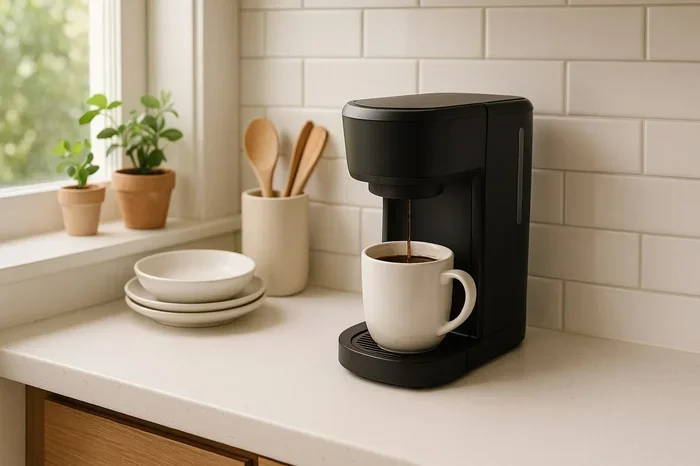
- Heat your water to the right temperature. The ideal brewing temperature for decaf coffee is between 195 and 205 degrees Fahrenheit. Water that is too hot will over-extract and make the coffee bitter. Water that is too cool will under-extract and leave it weak.
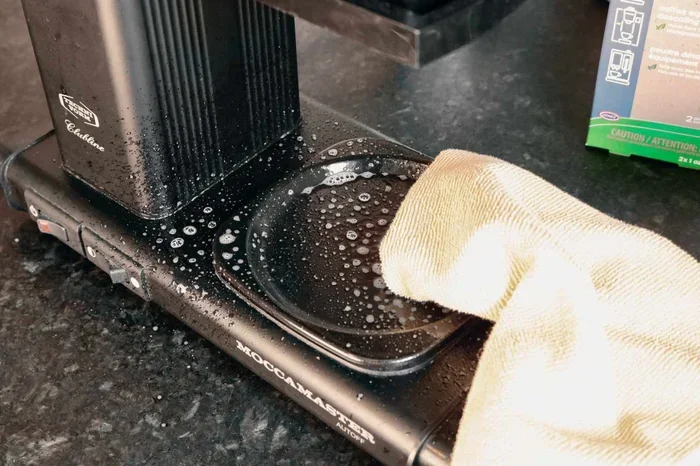
- Keep your equipment clean. Mineral buildup in your coffee maker can affect the taste of your decaf coffee. Regular maintenance keeps your machine running at its best. If you use a Keurig or similar machine, learning how to properly maintain it is essential for great-tasting coffee every time.
- Experiment with brew time. A standard drip brew takes about 5 minutes. A French press needs 4 minutes of steeping. An espresso shot pulls in about 25 to 30 seconds. Adjusting the brew time helps you dial in the perfect strength for your decaf coffee.
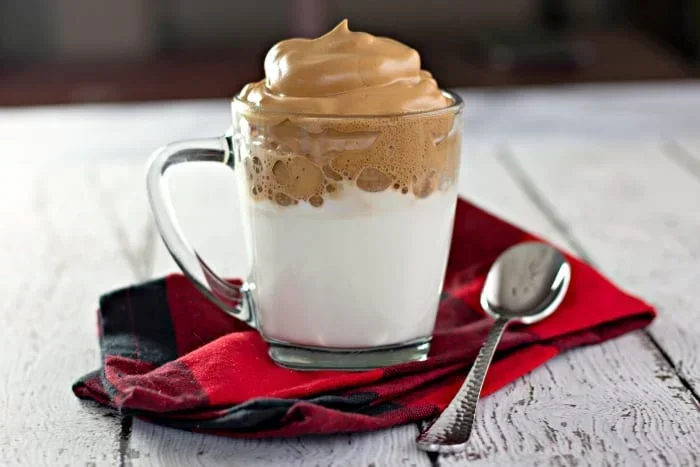
If you want to try something fun, make iced decaf coffee on a warm day. Brew a strong cup, let it cool, and pour it over ice. You can add milk, cream, or a touch of sweetener. It is a refreshing way to enjoy decaf coffee any time. You can find more tips and recipes for making great iced coffee at home in our guide on crafting your own Dunkin-style iced coffee.
Common Myths About Decaf Coffee
There are a lot of misconceptions about decaf coffee floating around. Let us clear up some of the most common ones.
Myth 1: Decaf coffee has no caffeine at all. This is not true. Even after decaffeination, a small amount of caffeine remains. A typical cup of decaf coffee has about 2 to 5 milligrams. Compare that to the 95 milligrams in a regular cup, and you can see why it is called low-caffeine, not caffeine-free.
Myth 2: Decaf coffee is not real coffee. Decaf coffee is made from real coffee beans. The only difference is that the caffeine has been removed through one of the methods we discussed above. The beans are still coffee. The flavor is still coffee. It is absolutely real coffee.
Myth 3: Decaf coffee tastes terrible. This myth comes from older decaffeination methods that used harsh chemicals and damaged the flavor of the beans. Modern methods are far more sophisticated. Today, high-quality decaf coffee can taste just as rich and complex as regular coffee. The key is choosing the right beans and using the right brewing method.
Myth 4: Decaf coffee has no health benefits. Research shows that decaf coffee retains most of the antioxidants found in regular coffee. Studies have linked decaf coffee consumption to reduced risks of type 2 diabetes, liver disease, and certain types of cancer. So your morning decaf is doing more for you than you might think.
Myth 5: All decaf coffee tastes the same. Just like regular coffee, decaf coffee varies widely in flavor depending on the bean origin, roast level, and decaffeination method. Trying different brands and origins is the best way to find a decaf coffee that you truly love.
The Future of Decaf Coffee: What to Expect
The world of decaf coffee is constantly evolving. New decaffeination technologies are making it possible to produce decaf coffee that tastes even closer to regular coffee. Supercritical CO2 extraction and advanced carbon filtering are just two examples of innovations pushing the industry forward.
More coffee roasters are also dedicating attention to decaf coffee as a premium product rather than an afterthought. Specialty decaf coffee beans from single-origin farms are becoming more widely available. This means coffee lovers who need or prefer decaf now have access to the same quality and variety as regular coffee drinkers.
Consumer demand is driving this change. People are more informed than ever about what goes into their food and drinks. They want decaf coffee that is not only caffeine-free but also made with clean, transparent processes. The future looks bright for decaf coffee lovers everywhere.
Final Thoughts on What Makes Decaf Coffee So Great
Decaf coffee is so much more than just regular coffee with the caffeine removed. It is a carefully crafted beverage that starts with quality beans, goes through a precise decaffeination process, and ends with a smooth, satisfying cup in your hands. Whether you prefer the Swiss Water Process for its natural purity or the CO2 method for its flavor preservation, there is a decaf coffee out there for everyone.
The smoothness of decaf coffee comes from a combination of factors. Bean selection, roasting technique, decaffeination method, and brewing all work together to create that mellow, enjoyable flavor. By understanding these factors, you can make better choices at the store and brew a better cup at home.
Next time you reach for a cup of decaf coffee, take a moment to appreciate the journey it took to get there. From a green coffee cherry to your kitchen, decaf coffee represents science, craftsmanship, and a love for great flavor. Enjoy it slowly, savor it, and share it with someone who might not yet know how wonderful decaf coffee can be.
Remember to keep your brewing equipment clean and your beans fresh. A little attention to detail goes a long way toward making every cup of decaf coffee the best it can be. Happy brewing.
Frequently Asked Questions
Is decaf coffee completely caffeine-free?
No, decaf coffee is not completely caffeine-free. It typically contains 2 to 5 milligrams of caffeine per cup, compared to about 95 milligrams in a regular cup. The decaffeination process removes about 97 percent of the caffeine, but trace amounts always remain.
What is the healthiest way to decaffeinate coffee?
The Swiss Water Process is considered the healthiest method because it uses only water, heat, and time. No chemicals are added at any point. This natural approach produces clean, flavorful decaf coffee without any solvent residues. Look for the Swiss Water Process label when shopping for the best quality decaf coffee.
Can I use any coffee beans to make decaf coffee?
You can technically decaffeinate any type of coffee bean, but Arabica beans are the most commonly used for decaf coffee. They have a naturally sweeter and more complex flavor profile, which holds up well through the decaffeination process. Robusta beans can also be decaffeinated, but they tend to produce a harsher-tasting decaf coffee.
Does decaf coffee have the same antioxidants as regular coffee?
Yes, research shows that decaf coffee retains most of the antioxidants found in regular coffee. Compounds like chlorogenic acid and polyphenols are largely preserved during decaffeination. So you can still enjoy the health benefits of coffee even with the caffeine removed.
How should I store decaf coffee beans?
Store decaf coffee beans in an airtight container in a cool, dark place. Avoid storing them in the freezer, as moisture and odors can affect the flavor. For the freshest taste, buy whole beans in small quantities and grind them just before brewing. Proper storage keeps your decaf coffee tasting its best for up to two weeks after roasting.
Can I use decaf coffee in recipes that call for regular coffee?
Absolutely. Decaf coffee works perfectly in recipes like iced coffee drinks, coffee cakes, and marinades. The flavor is very similar to regular coffee, so you can swap them in a one-to-one ratio. Using decaf coffee in recipes is a great way to enjoy coffee flavor without the caffeine, especially for desserts and late-night treats.