How Many Amps Does A Coffee Maker Take to Brew Coffee
A standard coffee maker typically draws between 5 and 12 amps depending on the type and size. Drip coffee makers usually fall in the lower range, while espresso machines and single-serve brewers can pull more power. Understanding your coffee maker amps helps you manage electrical load and avoid tripping circuits.
Have you ever wondered how many amps a coffee maker takes to brew your morning cup? Whether you are a casual coffee drinker or a daily brewing enthusiast, understanding your machine’s electrical requirements is important. Coffee maker amps tell you how much electrical current your machine pulls, and this knowledge can help you stay safe and save energy every single day.
In this guide, we break down the amperage for every type of coffee maker you will find in a kitchen today. From a simple drip coffee maker to a powerful espresso machine, we cover the numbers you need. You will learn how to calculate your own machine’s power draw, what a standard household outlet can handle, and how to keep your brewer running efficiently for years to come.
By the end of this article, you will have a clear picture of how many amps a coffee maker takes and why it matters for your daily brew. Let us get into it.
Key Takeaways
- Most coffee makers draw 5 to 12 amps: The exact number depends on the type, size, and brand of your machine.
- Drip brewers use the least power: A standard 12-cup drip coffee maker typically draws around 5 to 7 amps during brewing.
- Espresso machines pull more current: Pump-driven espresso machines can draw 8 to 12.5 amps due to their heating elements and pumps.
- Wattage and amps are related: Knowing your coffee maker wattage helps you calculate the amp draw using a simple formula.
- Standard household outlets handle most machines: A typical 15-amp circuit can safely power most coffee makers without tripping.
- Regular maintenance improves efficiency: Descaling and cleaning your machine helps it run with less electrical load and better brewing energy.
📑 Table of Contents
- What Are Amps and Why Do They Matter for Coffee Makers
- Average Amp Draw for Different Coffee Maker Types
- How Many Watts Does a Coffee Maker Use
- Can You Safely Run a Coffee Maker on a Standard Outlet
- Common Mistakes People Make With Coffee Maker Electrical Usage
- Expert Insights on Coffee Maker Power Efficiency
- Final Thoughts on Coffee Maker Amperage
What Are Amps and Why Do They Matter for Coffee Makers
Understanding Electrical Current in Your Kitchen
Amps, short for amperes, measure the flow of electrical current through a wire. Think of it like water flowing through a pipe. The more amps a device pulls, the more electrical current it needs to run. Every appliance in your kitchen, from a toaster to a blender, has an ampere rating that tells you its power needs.
Your home’s electrical system is built to handle a certain electrical load. Each circuit in your house is rated for a specific number of amps, usually 15 or 20 amps in most kitchens. When you plug in a coffee maker, it adds to the total load on that circuit. If the load gets too high, your breaker trips and cuts the power to protect your home.
This is why knowing your coffee maker amps is more than just a fun fact. It helps you understand how to safely use your machine alongside other kitchen appliances. It also helps you avoid frustrating power interruptions right in the middle of your morning routine. Most kitchen appliance power systems are designed to handle several devices, but you need to know the limits.
Why Coffee Maker Amps Matter
The appliance amperage of your coffee maker affects several things in your kitchen. First, it determines how much power consumption your machine uses during each brew cycle. Second, it tells you whether you can safely run other appliances on the same outlet or power strip capacity without overloading the circuit.
Most coffee makers are designed to work on standard household circuits. But if you have an older home with lower-capacity wiring, or if you use multiple high-power appliances at once, the amp draw can become a real concern. Understanding your machine’s power needs helps you plan your kitchen setup wisely.
Also, if you are buying a new coffee maker, checking the amp rating can help you compare models. A machine that uses fewer amps may be more energy-efficient and gentler on your electrical system. This is especially important if you live in an older home or an apartment with limited electrical capacity. Knowing your coffee maker electricity requirements before you buy can save you from headaches later.
Average Amp Draw for Different Coffee Maker Types
Not all coffee makers are the same when it comes to power consumption. The type of machine, its size, and its features all play a role in how many amps it draws. Let us look at the most common types and their typical amp ratings so you know exactly what to expect.
| Coffee Maker Type | Typical Wattage | Average Amps (at 120V) | Circuit Safe? |
|---|---|---|---|
| Drip Coffee Maker (12-cup) | 700-1200W | 6-10A | Yes, on 15A circuit |
| Single-Serve (Keurig) | 200-1500W | 1.7-12.5A | Yes, most models |
| Espresso Machine (home) | 1000-1500W | 8-12.5A | Yes, on 15A circuit |
| French Press (no electricity) | 0W | 0A | N/A |
| Cold Brew Maker | 50-200W | 0.4-1.7A | Yes |
As you can see from the table, the amp draw varies widely across different coffee makers. A simple French press uses zero electricity, while a powerful espresso machine can pull close to the limit of a standard 15-amp circuit. This is why it is so important to know your specific machine’s rating before plugging it in.
Drip Coffee Makers
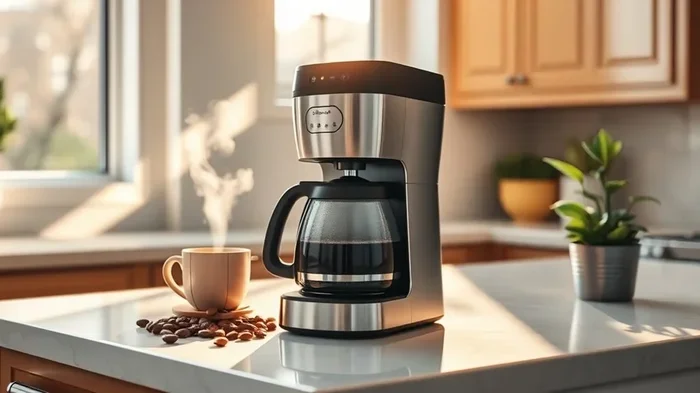
A standard drip coffee maker is the most common type found in homes across the country. These machines typically draw between 6 and 10 amps. A 12-cup drip brewer usually operates at around 700 to 1200 watts, which translates to roughly 6 to 10 amps at 120 volts.
Drip coffee makers are energy-efficient for what they do. They heat water only during the brewing cycle, and most models shut off automatically after the brew is complete. This means they do not draw power for long periods of time. The drip coffee maker watts are modest compared to ovens or microwaves, making them a budget-friendly choice for daily brewing.
If you have a smaller 4- or 8-cup drip machine, the amp draw will be even lower, usually around 4 to 7 amps. These compact brewers are great for small kitchens and offices where power outlets may be limited. They also brew faster, which means less time using electricity per cup.
Single-Serve and Pod Machines
Single-serve coffee makers like Keurig machines have a wide range of amp draws. A basic model might use as little as 1.5 to 2 amps, while a high-powered model can pull up to 12 or 13 amps. This range exists because some single-serve machines brew quickly with less power, while others offer stronger brewing pressure and larger heating elements.
The Keurig power usage depends on the specific model and the size of the cup you select. A smaller brew size uses less energy and draws fewer amps. If you want to keep your machine running efficiently over time, learning how to properly decalcify it is essential. You can read our guide on how to decalcify a Keurig coffee maker to keep it in top shape.
One thing to keep in mind is that single-serve machines heat water on demand. This means they pull their full amp draw in a short burst rather than over a long period. This is actually good for your energy bill, even if the peak amp draw is higher. The brewing energy is used efficiently because the machine only heats what it needs for each cup.
Espresso Machines
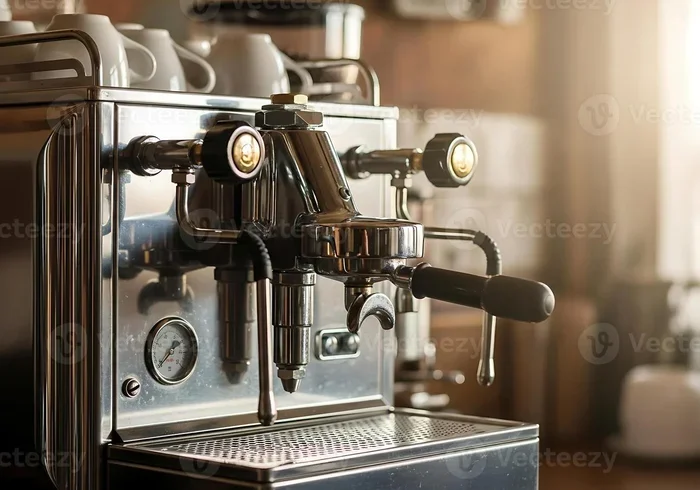
Espresso machines tend to use more power than drip coffee makers. A home espresso machine typically draws between 8 and 12.5 espresso machine amps. The heating element in an espresso machine needs to reach very high temperatures to extract coffee properly, and the pump also requires electricity to build pressure.
Some high-end home espresso machines with dual boilers or large water reservoirs can draw even more. If you are considering an espresso machine, check the amp rating on the label or in the manual before plugging it in. Understanding the coffee machine power requirements helps you avoid surprises on your electrical bill.
For comparison, a professional-grade espresso machine used in cafes can draw 15 to 20 amps or more. These machines need dedicated circuits and specialized wiring. But for home use, most machines fall comfortably within the range of a standard kitchen outlet. The key is to check the specs before you buy and make sure your kitchen can support the machine.
French Press and Manual Coffee Brewers
Manual coffee brewers like the French press, pour-over, and AeroPress use no electricity at all. They require hot water, which you heat on a stove or kettle, but the brewer itself draws zero amps. This makes them the most energy-efficient option for coffee lovers who care about power consumption.
If you want to reduce your kitchen’s overall energy usage, a manual brewer is a great choice. You also get full control over the brewing temperature and steep time, which many coffee enthusiasts prefer. Plus, there is no waiting for a machine to heat up. You simply pour hot water over your grounds and let the magic happen.
Some people also wonder whether grinding their own beans at home affects power usage. If you are curious about your grinder, check out whether a coffee grinder can be used for wet grinding to learn more about accessories and their power needs.
How Many Watts Does a Coffee Maker Use
Wattage vs. Amperage Explained
People often confuse wattage with amperage, but they are different measurements. Wattage measures the total power a device uses, while amperage measures the rate of electrical current flow. The two are connected by a simple formula: Watts divided by Voltage equals Amps.
In the United States, most household outlets provide 120 volts. So if your coffee maker is rated at 1200 watts, you divide 1200 by 120 to get 10 amps. This simple calculation works for any appliance, not just coffee makers. Understanding this relationship helps you figure out your coffee maker’s amp draw even if the manual only lists the wattage.
Knowing the difference between wattage and amperage also helps you compare machines. A machine with high wattage but low amps might be designed for a different voltage system. In the US, most homes use 120V, so the watt-to-amp conversion is straightforward. But if you travel internationally or buy an imported machine, the voltage may be different, and the amp draw will change accordingly.
Calculating Your Coffee Maker Power
To calculate your coffee maker’s amp draw, follow these simple steps:
- Find the wattage rating on the bottom of your machine or in the user manual.
- Divide the wattage by 120 (the standard US voltage).
- The result is your amp draw.
For example, if your drip coffee maker is rated at 900 watts, divide 900 by 120 and you get 7.5 amps. If your espresso machine is rated at 1400 watts, divide 1400 by 120 and you get about 11.7 amps. This coffee maker wattage calculation is useful when you are planning your kitchen electrical setup.
It also helps you understand why your breaker might trip when you run multiple appliances at once. If your coffee maker draws 10 amps and your toaster draws 9 amps on the same circuit, you are already at 19 amps. That is over the limit for a 15-amp circuit and will trip the breaker every time. Planning your appliance usage around your household circuit capacity is a smart move.
Can You Safely Run a Coffee Maker on a Standard Outlet
Household Circuit Capacity
Most kitchen outlets in the United States are connected to a 15-amp circuit. This means the total amp draw of all devices on that circuit should not exceed 15 amps. A standard coffee maker fits comfortably within this limit for most brewers.
However, if you plug in a toaster, microwave, and coffee maker all on the same circuit, you might push the total load over 15 amps. When that happens, the circuit breaker trips and cuts power to all devices on that circuit. This is a safety feature designed to prevent electrical fires and damage to your appliances.
The good news is that most kitchens have multiple outlets on separate circuits. You can usually plug your coffee maker into one outlet and your toaster into another without any issues. If you are unsure about your kitchen’s circuit layout, consider consulting a licensed electrician. They can tell you which outlets share a circuit and help you plan your appliance layout safely.
Tips to Avoid Tripping Breakers
Here are some simple tips to keep your coffee maker running without tripping breakers:
- Avoid using extension cords: They add resistance and can overheat, especially with high-power appliances like coffee makers.
- Plug heavy appliances into separate outlets: Keep your coffee maker on its own outlet if possible to reduce electrical load.
- Check your circuit breaker panel: Know which breakers control which outlets in your kitchen so you can troubleshoot quickly.
- Do not run multiple heating appliances at once: Space out your toaster, microwave, and coffee maker usage during peak morning hours.
- Use a power strip with a built-in breaker: This adds an extra layer of protection against overloads and short circuits.
Following these simple steps keeps your kitchen safe and your coffee flowing without interruption. A little planning goes a long way when it comes to managing your kitchen’s electrical load.
Common Mistakes People Make With Coffee Maker Electrical Usage
Even the most careful coffee lovers can make mistakes when it comes to electrical usage. Here are some common errors to avoid so you keep your machine and your home safe.
Mistake 1: Ignoring the amp rating on the label. Many people buy a coffee maker and plug it in without checking how much power it draws. Always check the label or manual for the ampere rating before using a new machine, especially if you have an older home with lower-capacity wiring.
Mistake 2: Using a damaged power cord. A frayed or damaged cord can cause electrical shorts, reduce efficiency, and even create a fire hazard. Inspect your cord regularly and replace it if you see any wear.
Mistake 3: Overloading a single outlet. Plugging a coffee maker, toaster, and microwave into the same outlet or power strip is a recipe for a tripped breaker. Spread your appliances across different outlets on separate circuits whenever possible.
Mistake 4: Skipping regular maintenance. A dirty coffee maker works harder and draws more amps than a clean one. Mineral buildup on the heating element forces the machine to use more brewing energy to heat water. Regular descaling and cleaning keep your machine efficient and safe.
Avoiding these simple mistakes can extend the life of your coffee maker and keep your kitchen safe. It is always better to be proactive than to deal with electrical problems after they happen.
Expert Insights on Coffee Maker Power Efficiency
Expert Insight: According to electrical safety professionals, most standard coffee makers are well within the safe operating range of a 15-amp household circuit. The real risk comes from combining multiple high-draw appliances on the same circuit. An electrician we consulted recommends dedicating at least one kitchen outlet exclusively to your coffee maker, especially if you use an espresso machine or a high-powered single-serve brewer.
Expert Insight: Coffee equipment specialists also point out that regular maintenance directly affects power efficiency. A coffee maker with clean internal components heats water faster and uses fewer amps per brew cycle. This means less energy usage coffee maker over time and a longer lifespan for your machine. Descaling every one to three months is the single most impactful thing you can do for efficiency.
Expert Insight: When it comes to choosing a new machine, look for Energy Star certified models. These machines are tested to meet strict efficiency standards and typically use less electricity per brew. They may cost a bit more upfront, but the savings on your energy bill over time can be significant. Plus, they tend to have lower coffee maker electricity consumption, which is better for the environment.
Quick Tips for Coffee Maker Efficiency
- Descale every 1 to 3 months depending on your water hardness.
- Use filtered water to reduce mineral buildup inside the machine.
- Clean the carafe and filter basket weekly for optimal brewing temperature.
- Replace water filters as recommended by the manufacturer.
- Unplug the machine when not in use to avoid phantom energy drain.
- Brew only the amount you need to avoid wasting brewing energy.
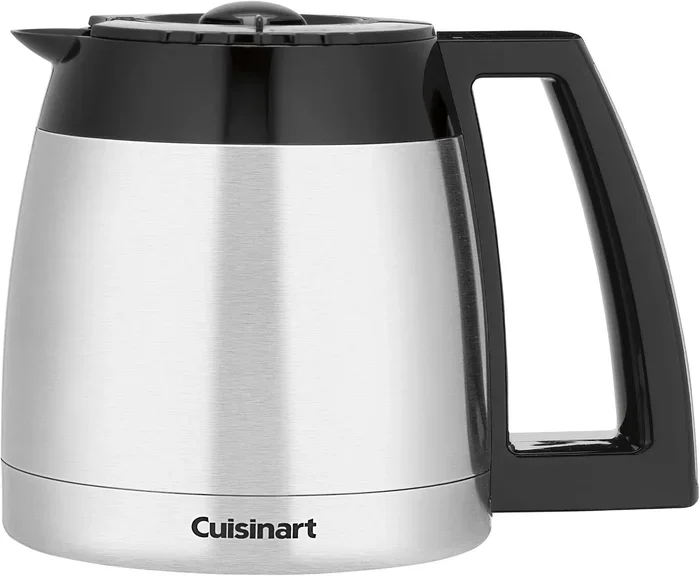
- Choose a thermal carafe model to eliminate the warming plate’s power draw.
Final Thoughts on Coffee Maker Amperage
Understanding how many amps a coffee maker takes is a simple but valuable piece of knowledge for any coffee lover. Whether you brew with a drip machine, a single-serve pod system, or a full espresso setup, knowing your machine’s power draw helps you brew safely and efficiently every single day.
The key points are straightforward. Most drip coffee makers use 6 to 10 amps, single-serve machines range from 1.5 to 12.5 amps, and espresso machines typically draw 8 to 12.5 amps. Manual brewers like French presses use no electricity at all. Each type has its own strengths, and knowing the numbers helps you make informed choices about your kitchen setup.
By following the tips in this guide, you can keep your coffee maker running smoothly, avoid electrical issues, and even save a little energy along the way. Regular maintenance, smart brewing habits, and a basic understanding of your machine’s electrical needs go a long way toward better coffee and a safer kitchen.
So the next time you brew your favorite cup, you will know exactly what is happening behind the wall outlet. Enjoy your coffee, and brew with confidence knowing you understand your machine inside and out. Whether you are a drip coffee fan or an espresso enthusiast, the right knowledge makes every brew better.
Frequently Asked Questions
How many amps does a Keurig coffee maker use?
A standard Keurig machine draws between 1.5 and 12.5 amps depending on the brew size and model. Smaller brew sizes use less power, while the largest settings pull the most amps. Check your specific model’s label for the exact ampere rating and Keurig power usage details.
Can a coffee maker trip a GFCI outlet?
Yes, if the coffee maker draws close to the 15-amp limit and there are other devices on the same circuit. GFCI outlets are designed to trip when they detect a ground fault or overload. Keep your coffee maker on a dedicated outlet to avoid this issue and ensure safe coffee maker electricity usage.
How can I reduce my coffee maker’s power consumption?
You can reduce power consumption by brewing only what you need, turning off the warming plate, using a thermal carafe, and keeping your machine well-maintained. Descaling regularly also helps the heating element work more efficiently, reducing power consumption over time.
Do coffee makers use a lot of electricity?
No, coffee makers are relatively low-energy appliances compared to ovens and microwaves. A drip coffee maker uses about 0.7 to 1.2 kilowatt-hours per brew. Over a year, a coffee maker typically uses less electricity than a refrigerator, making it a modest contributor to your overall kitchen appliance power draw.
What should I do if my coffee maker keeps tripping the breaker?
This could mean your machine has a short circuit or is drawing more amps than the circuit can handle. Unplug it immediately and have it inspected by a professional. Do not keep using a machine that trips breakers, as it can be a safety hazard and a sign of serious electrical problems.
Is it better to unplug a coffee maker when not in use?
Yes, unplugging your coffee maker when not in use prevents phantom energy drain and reduces the risk of electrical issues. Modern machines with automatic shutoff are safe to leave plugged in, but unplugging saves a small amount of energy and protects your home. It is a simple habit that supports efficient coffee maker amps management.
=== CONCLUSION ===
Knowing how many amps a coffee maker takes to brew your coffee is a practical and valuable piece of knowledge for any coffee lover. Whether you brew with a drip machine, a single-serve pod system, or a full espresso setup, understanding your machine’s power draw helps you brew safely, efficiently, and with confidence.
Remember that most home coffee makers fall between 5 and 12 amps, well within the capacity of a standard kitchen outlet. With proper maintenance, smart brewing habits, and a little attention to your electrical setup, you can enjoy great coffee without any worries. Regular descaling, clean components, and mindful outlet usage all contribute to a better brewing experience.
So go ahead, brew your next cup with confidence. You now know exactly what is happening behind the scenes, and that makes every sip even more enjoyable. Your morning routine just got a little smarter, and your coffee maker will thank you for it.