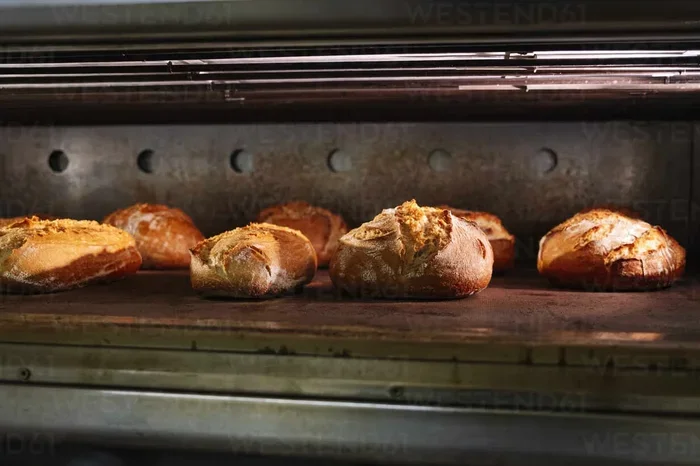
What Temp To Heat Up Bread In Oven For Perfect Results
Knowing what temp to heat up bread in oven makes all the difference between stale and crispy perfection. The ideal temperature range is 300°F to 375°F depending on bread type, and most loaves need just 5 to 10 minutes. This guide covers exact temps, times, and methods for every kind of bread so you can enjoy warm, fresh-tasting slices every single time.
There is nothing quite like the smell and taste of warm bread fresh from the oven. But what happens when you have leftover bread from last night? You do not want to toss it, and you definitely do not want to ruin it in the microwave. That is where knowing the right temperature comes in. So what temp to heat up bread in oven? The answer is simpler than you think.
This guide will walk you through everything you need to know about bread oven temperature. Whether you are reheating a crusty baguette, soft sandwich bread, or a rich sourdough loaf, we have got you covered. You will learn the best settings, timing tricks, and common mistakes to avoid. By the end, you will never settle for a cold or soggy slice again.
Reheating bread in an oven is the gold standard. It brings back the crisp crust and soft, warm interior that makes fresh bread so special. A microwave might be fast, but it strips away all the texture you love. An oven gently warms the bread evenly, keeping moisture locked in while refreshing the outer layer. The difference is night and day.
Key Takeaways
- Best general temp: 350°F works for most bread types and delivers even warming.
- Time matters: 5 to 10 minutes is the sweet spot for most loaves.
- Wrap it up: Using foil keeps bread from drying out during reheating.
- Type-specific temps: Different breads need different heat levels for the best results.
- Avoid the microwave: Ovens restore crispiness while microwaves make bread rubbery.
- Check the crust: A golden-brown exterior signals perfectly heated bread.
- Let it rest: Giving bread a few minutes after heating keeps the inside moist.
📑 Table of Contents
- The Best Temperature to Heat Up Bread in Oven
- Why Oven Reheating Beats the Microwave
- Step-by-Step Guide to Heating Bread in the Oven
- Bread Types and Their Ideal Oven Temperatures
- Common Mistakes When Reheating Bread
- Pro Tips for Perfectly Warmed Bread Every Time
- Frequently Asked Questions
- Conclusion
The Best Temperature to Heat Up Bread in Oven
The short answer to what temp to heat up bread in oven is 350°F. This temperature works for most bread types. It is hot enough to warm the bread through but gentle enough to avoid burning the crust. Think of it as the sweet spot for even, reliable heating.
However, not all bread is the same. Some types need a slightly lower temperature, while others benefit from a bit more heat. Let us break it down so you can pick the right setting every time.
Why 350°F Is the Go-To Temperature
At 350°F, heat circulates evenly around the bread. This means the outside warms up at the same rate as the inside. You avoid the frustrating situation where the crust is burning but the center is still cold. This temperature also helps restore some of the original crispiness without drying the loaf out.
For most standard loaves, sandwich bread, and dinner rolls, 350°F for 5 to 7 minutes is all you need. The bread comes out warm, soft, and ready to enjoy. It is the easiest and most dependable method for everyday bread reheating.
When to Use a Lower Temperature
Some delicate breads need a gentler touch. If you are reheating brioche, challah, or any very rich, buttery bread, drop the temperature to 300°F. These breads have a higher fat content, which means they can go from perfect to overcooked quickly.
At 300°F, the bread warms through slowly and evenly. The butter and eggs in the dough stay creamy and moist. You get a warm, tender result without any risk of the edges turning hard or dry. Give these enriched breads an extra minute or two since the heat is lower.
When to Use a Higher Temperature
Crusty breads like baguettes, ciabatta, and artisan sourdough love a higher temperature. Crank it up to 375°F for these loaves. The extra heat revives the crispy outer shell and brings back that satisfying crunch.
For crusty breads, 3 to 5 minutes at 375°F is usually enough. You want the crust to sound hollow when you tap it. That is your sign the bread is perfectly warmed through. The inside stays soft and pillowy while the outside gets gloriously crisp again.
Why Oven Reheating Beats the Microwave
Let us be honest. The microwave is convenient. You can warm bread in seconds. But convenience comes at a cost. A microwave heats bread unevenly and turns the crust chewy and rubbery. The moisture inside the bread turns to steam and then gets trapped, leaving you with a soggy, disappointing slice.
An oven, on the other hand, uses dry heat. This dry heat warms the bread from the outside in. It restores the crispiness of the crust while gently warming the soft interior. The result is bread that feels almost as good as fresh-baked. If you care about texture and taste, the oven wins every single time.
The Science Behind Oven Reheating
When bread cools, the starch molecules inside recrystallize. This is what makes stale bread feel hard and dry. Gentle oven heat reverses this process slightly. It softens the starch and allows the bread to regain some of its original tenderness. The dry heat also evaporates excess moisture on the surface, which is what gives you that crisp crust.
Microwaves work differently. They excite water molecules inside the bread, creating steam. That steam softens the crust but also makes the bread dense and chewy. The structure of the bread changes in a way that is hard to reverse. This is why oven-reheated bread always tastes better and feels more like fresh bread.
Quick Tip for the Best Texture
Here is a simple trick that makes a huge difference. Before placing bread in the oven, lightly sprinkle or mist the crust with a few drops of water. This small amount of moisture helps the crust relax and become slightly crispy again. It mimics the steam environment of a professional bakery oven. You will be amazed at the results.
Step-by-Step Guide to Heating Bread in the Oven
Now that you know the right temperature, let us walk through the process step by step. This method works for almost any type of bread and guarantees great results every time.
Step 1: Preheat Your Oven
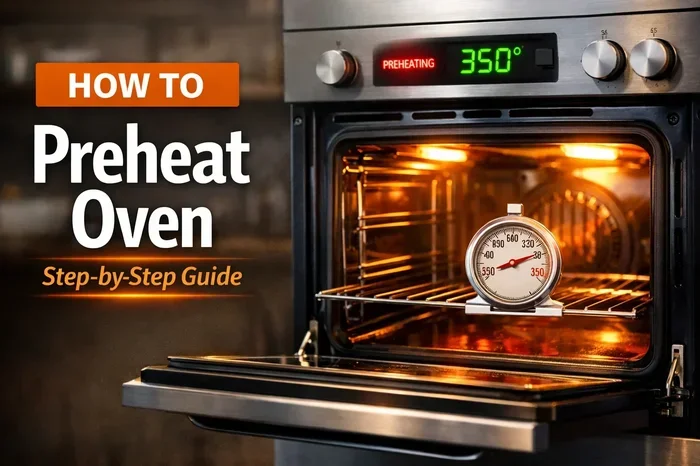
Always preheat your oven before placing bread inside. Set it to the temperature for your bread type. For most loaves, that means 350°F. Give the oven at least 5 to 10 minutes to reach the target temperature. A fully preheated oven ensures even heating from the moment the bread goes in.
Step 2: Prepare the Bread
Take your bread out of the refrigerator and let it sit at room temperature for a minute or two. This small step helps the bread warm more evenly. If the bread is very cold from the fridge, the outside can overheat before the inside catches up.
For crusty breads like baguettes, you can skip this step. For soft sandwich loaves, a quick room-temp pause makes a difference. You can also slice the bread before reheating if you prefer smaller portions.
Step 3: Wrap or Place on a Baking Sheet
This step depends on the bread type. For soft breads and sandwich loaves, wrap them loosely in aluminum foil. The foil traps moisture and keeps the bread from drying out. For crusty breads, place them directly on a baking sheet or oven rack. You want the air to circulate freely around the crust.
If you are reheating a whole loaf, wrap it entirely in foil. For individual slices, a light foil cover works well. Just do not wrap it too tightly or you will trap too much steam and soften the crust.
Step 4: Heat and Check
Place the bread in the oven and set a timer. For most breads at 350°F, 5 to 7 minutes is perfect. For enriched breads at 300°F, go 7 to 10 minutes. For crusty breads at 375°F, check after 3 to 5 minutes.
Open the oven and check the bread. The crust should look golden brown and feel warm to the touch. For soft breads, the inside should be heated through when you tear a piece open. If it still feels cool in the center, add another minute or two.
Step 5: Let It Rest
Once the bread is warm, take it out of the oven and let it rest for 2 to 3 minutes. This resting period allows the heat to distribute evenly through the loaf. The inside settles and the texture becomes more consistent. You will notice the bread feels more moist and flavorful after this short pause.
Bread Types and Their Ideal Oven Temperatures
Different breads need different treatment. A one-size-fits-all approach does not work when it comes to bread heating guide temperatures. Here is a detailed breakdown of common bread types and their ideal oven settings.
White Sandwich Bread
White sandwich bread is soft and tender. It does not need high heat. Set your oven to 350°F and warm for 5 to 7 minutes. Wrap the loaf in foil to keep it soft. The result is bread that feels fresh and has a gentle, warm texture perfect for sandwiches or toast.
Whole Wheat Bread
Whole wheat bread has a denser texture than white bread. It benefits from the same 350°F temperature but may need an extra minute. The nuttier flavor and heavier crumb mean it takes slightly longer to warm through. Go for 6 to 8 minutes at 350°F, wrapped in foil.
Sourdough Bread
Sourdough has a thick, flavorful crust and an open, airy crumb. It does best at 375°F for 3 to 5 minutes. Place it directly on the oven rack or a baking stone for maximum crispiness. You want the crust to crackle and the inside to be warm and slightly chewy. Sourdough reheats beautifully in an oven.
Baguette and French Bread
Baguettes and French bread are all about that crispy crust. Heat them at 375°F for 4 to 6 minutes. Do not wrap them in foil. Let the air circulate around the loaf to keep the crust crisp. A light spritz of water before reheating helps revive the crust. The inside should be warm and the outside should shatter when you break it.
Brioche and Challah
These rich, buttery breads are delicate and need gentle heat. Set the oven to 300°F and warm for 7 to 10 minutes. Wrap them in foil to protect the tender crumb. The goal is a warm, almost creamy texture. Brioche and challah can go from perfect to overdone quickly, so keep a close eye on them.
Dinner Rolls and Buns
Dinner rolls and buns warm up quickly. At 350°F, they need just 4 to 6 minutes. You can place them directly on the oven rack or on a baking sheet. The butter or oil in the dough helps them stay soft and golden. They are perfect for dinner rolls served with soup or gravy.
Frozen Bread
If you are reheating frozen bread, you have two options. You can thaw it first at room temperature and then warm it in the oven at the regular temperature. Or you can go straight from frozen to the oven, adding a few extra minutes. For frozen bread, start at 325°F and increase to 350°F halfway through. This prevents the outside from burning before the inside thaws.
Common Mistakes When Reheating Bread
Even with the right temperature, mistakes can happen. Here are the most common errors people make when reheating bread in oven and how to avoid them.
Using Too High a Temperature
Cranking the oven to 400°F or higher might seem faster, but it is a recipe for disaster. The outside burns before the inside warms up. The crust becomes hard and bitter while the center stays cold or turns dry and tough. Stick to the recommended temperature ranges and be patient. Good bread reheating takes a few minutes.
Skipping the Foil for Soft Breads
Leaving soft bread uncovered in the oven is a fast track to dry, stale bread. The hot air strips moisture from the crumb. Always wrap soft breads in foil. This simple step locks in moisture and keeps the bread tender. You will notice the difference immediately.
Overheating the Bread
Timing is everything. Leaving bread in the oven too long dries it out and hardens the crust. Set a timer and check the bread a minute or two before the recommended time. It is easy to go from perfectly warm to overdone in just 60 seconds. When in doubt, pull it out early. The residual heat will continue warming the bread as it rests.
Reheating Bread Straight from the Freezer
Putting frozen bread directly into a hot oven can cause uneven heating. The outside may burn while the inside remains frozen. If you are in a hurry, use a slightly lower temperature and add extra time. The gradual approach gives you the best results.
Forgetting to Let Bread Rest
Taking bread out of the oven and cutting into it immediately can lead to a mess. The inside is still redistributing heat, and the bread may crumble or feel gummy. Give it a few minutes to rest. The texture improves, the flavors develop, and the bread is much easier to slice and serve.
Pro Tips for Perfectly Warmed Bread Every Time
Once you master the basics, these pro tips will take your bread reheating to the next level. Small adjustments make a big difference in the final result.
Use a Baking Stone or Steel
A baking stone or steel mimics the environment of a professional bakery oven. It stores heat and radiates it evenly around the bread. Place a baking stone on the middle rack while preheating. Set the bread directly on the stone for the best crust revival. This works especially well for sourdough and baguettes.
Add Steam for Extra Crispiness
Professional bakeries use steam during the baking process. You can replicate this at home. Place a small oven-safe dish of water on the bottom rack while reheating. The steam helps the crust become crispy without drying out the inside. This trick works wonders for crusty artisan breads.
Refresh Stale Bread Completely
If your bread is truly stale and not just cold, a quick 30-second soak in water before reheating can work magic. Run the loaf under a faucet for a few seconds, then wrap it in foil and place it in the oven at 350°F. The water rehydrates the crust while the oven heat restores the texture. You will barely be able to tell the bread was ever stale.
Store Bread Properly to Extend Freshness
The best way to enjoy warm bread is to keep it fresh longer. Store bread in a bread box or a paper bag at room temperature. Avoid sealing it in a plastic bag, which traps moisture and speeds up mold growth. Proper storage means your bread stays fresh longer and reheats better every time.
Know When Bread Is Too Old to Save
Reheating can revive slightly stale bread, but it cannot bring back bread that has gone completely stale or moldy. If the bread is rock hard or shows signs of mold, it is time to toss it. Knowing when to reheat and when to start fresh saves you from wasting time and energy on bread that cannot be saved.
Frequently Asked Questions
Can I reheat bread in the oven without foil?
Yes, you can. For crusty breads like baguettes and sourdough, skip the foil and place the bread directly on a baking sheet. The air circulation keeps the crust crispy. For soft breads, foil helps retain moisture and prevents drying out. Choose based on the type of bread you are reheating.
How long can I keep reheated bread warm?
Reheated bread stays at its best for about 15 to 20 minutes after coming out of the oven. After that, it starts to lose its warmth and texture. If you need to keep bread warm for longer, wrap it in a clean kitchen towel. The towel traps heat and moisture, keeping the bread soft for up to 30 minutes.
Can I reheat bread more than once?
It is best to reheat bread only once. Each reheating cycle breaks down the bread’s structure further. The crust becomes tougher and the crumb dries out more with each round. If you have a large loaf, warm only what you plan to eat right away. Store the rest properly and reheat a fresh portion when needed.
What is the best oven setting for bread?
Use the conventional bake setting for most breads. Avoid the convection setting if possible, as the fan can dry out the crust. If you do use convection, reduce the temperature by 25°F and check the bread more frequently. Conventional heat provides the most even and gentle warming for all bread types.
Can I reheat bread from the refrigerator?
Yes, bread from the refrigerator reheats just fine. Let it sit out for 5 to 10 minutes first to take the chill off. This prevents the outside from overcooking while the inside is still cold. If you are short on time, you can go straight from the fridge to the oven, just add an extra minute or two to the warming time.
Does reheating bread in the oven make it healthier?
Reheating bread does not significantly change its nutritional value. The oven method preserves more of the bread’s original texture and moisture compared to microwaving. Some studies suggest that cooling and reheating bread can slightly reduce its glycemic index, but the difference is minimal. The real benefit is taste and texture, not nutrition.
Conclusion
Knowing what temp to heat up bread in oven is a simple skill that transforms your leftover bread into something delicious. The general rule is 350°F for most bread types, with adjustments based on the specific loaf. Soft breads do well at 350°F for 5 to 7 minutes. Crusty breads shine at 375°F for 3 to 5 minutes. Rich, buttery breads need a gentler 300°F for 7 to 10 minutes.
Always preheat your oven, wrap soft breads in foil, and let crusty breads breathe on a baking sheet. Avoid the microwave when you care about texture. And never skip the resting period after heating. These small habits add up to perfectly warm, crispy, and delicious bread every single time.
With this guide, you have everything you need to reheat bread like a pro. The next time you have leftover loaves, do not hesitate. Preheat the oven, set the right temperature, and enjoy bread that tastes almost as good as fresh from the bakery. Your taste buds will thank you.