What To Cook A Meatloaf On In The Oven For Beginners
Discover the best surfaces and pans to cook a meatloaf on in the oven for beginners. This guide covers loaf pans, baking dishes, and oven-safe sheets with simple tips for juicy results. You will learn the right temperature, timing, and tricks to avoid common mistakes.
Key Takeaways
- Use a loaf pan or baking dish: The right pan shapes your meatloaf and helps it cook evenly.
- Preheat your oven to 350°F: This temperature works best for most meatloaf recipes.
- Line your pan with foil: It makes cleanup easy and prevents sticking.
- Let the meatloaf rest: Resting for 10 minutes keeps it juicy and firm.
- Check the internal temperature: 160°F is the safe temp for ground beef meatloaf.
- Add a glaze in the last 15 minutes: Ketchup or tomato glaze adds flavor and color.
- Avoid overmixing the meat: Overmixing makes the meatloaf dense and tough.
📑 Table of Contents
- What To Cook A Meatloaf On In The Oven: A Beginner’s Complete Guide
- Why the Cooking Surface Matters for Meatloaf
- The Best Pans to Cook Meatloaf On: A Comparison
- How to Prepare Your Pan Before Cooking
- Oven Temperature and Cooking Time for Meatloaf
- Tips for the Juiciest, Most Flavorful Meatloaf
- Common Mistakes to Avoid When Cooking Meatloaf
- What to Cook a Meatloaf On in the Oven: Final Thoughts
What To Cook A Meatloaf On In The Oven: A Beginner’s Complete Guide
Making meatloaf for the first time can feel a little scary. You might wonder, “What to cook a meatloaf on in the oven?” The good news is that it is much simpler than you think. You do not need fancy tools or years of cooking experience. With the right pan, the right temperature, and a few simple tips, you can make a delicious meatloaf that your whole family will love.
This guide walks you through everything from choosing the best pan to setting the oven temperature. We will cover loaf pans, baking dishes, and even sheet pans. You will also learn how long to cook meatloaf and how to tell when it is done. By the end, you will feel confident enough to make meatloaf any night of the week.
Whether you are using ground beef, turkey, or a mix of meats, the cooking surface matters a lot. The pan you choose affects how your meatloaf looks, tastes, and feels. So let us dive in and find the best way to cook your next meatloaf in the oven.
Why the Cooking Surface Matters for Meatloaf
The surface you cook your meatloaf on is not just a detail. It actually changes the final result. A good cooking surface helps the meatloaf cook evenly. It also affects how much grease stays in the dish and how easy cleanup will be. Many beginners overlook this, but it really does matter.
When you cook meatloaf on in the oven, the pan holds the shape of your loaf. It also catches the grease that melts out during baking. If you pick the wrong pan, your meatloaf might stick, burn on the bottom, or cook unevenly. The right surface makes all the difference between a dry, messy loaf and a moist, perfect one.
Here are the main options you can use. Each one has its own benefits depending on what kind of meatloaf you want.
Loaf Pans: The Classic Choice
A loaf pan is the most common choice for meatloaf. It is a rectangular metal pan with tall sides. The shape gives your meatloaf a classic uniform look. Most people think of a loaf pan when they picture meatloaf.
Loaf pans work great because they hold the meat in place. The tall sides keep everything contained. This is especially helpful if you are using a recipe with a lot of loose ingredients like bread crumbs and egg. The pan also catches a lot of grease, which can be good or bad depending on your preference.
One downside is that meatloaf in a loaf pan can sometimes steam instead of bake. The sides trap moisture, which may make the top and sides soft. If you like a crispy browned top, you might want to try a different surface.
Baking Dishes and Casserole Dishes
A baking dish or casserole dish is a wider, shallower option. These dishes let your meatloaf spread out more. Because of this, more of the surface gets exposed to direct heat. This means you get more browning on top and sides.
Many home cooks prefer a baking dish for meatloaf because it gives a nicer crust. The meatloaf also cooks a bit faster since it is not as tall. If you want a meatloaf with a slightly crispy outside and a moist inside, a baking dish is a great pick.
Glass and ceramic baking dishes work well too. They heat up slowly and hold warmth evenly. Just remember to adjust your timing slightly if you use glass instead of metal.
Sheet Pans and Oven-Safe Trays
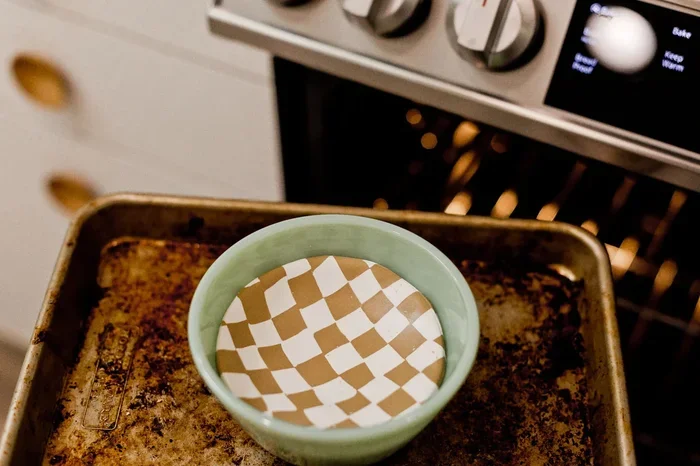
A sheet pan is a flat tray with low sides. Some cooks love using a sheet pan for meatloaf because it allows the grease to drain away completely. This can make for a lighter, less greasy meatloaf.
When you use a sheet pan, you can also shape your meatloaf however you want. You are not stuck with a rectangle. You can make it round, oval, or even fun shapes for kids. Some people line the sheet pan with parchment paper for even easier cleanup.
The tradeoff is that a sheet pan meatloaf can dry out faster. Without the walls of a pan holding in moisture, you need to be more careful with cooking time. Many cooks use a meatloaf pan on a sheet tray to get the best of both worlds.
The Best Pans to Cook Meatloaf On: A Comparison
Not all pans are created equal when it comes to making meatloaf. Let us look at the top options side by side so you can pick what works best for you.
| Pan Type | Best For | Cleanup | Result |
|---|---|---|---|
| Loaf Pan | Classic shape, easy handling | Easy, catches grease | Moist, uniform loaf |
| Baking Dish | Crispy crust, faster cook | Easy with nonstick | Brown top, moist inside |
| Sheet Pan | Low grease, free-form shape | Very easy with foil | Light, slightly drier |
| Disposable Pan | No cleanup at all | Throw away after | Good, but can warp |
| Silicone Pan | Flexible, nonstick | Very easy | Soft sides, needs glaze |
Each pan type has its place in the kitchen. Your choice depends on what you value most. Do you want a pretty classic shape? Go with a loaf pan. Want a crispy browned top? Try a baking dish. Want less grease? A sheet pan is your friend.
How to Prepare Your Pan Before Cooking
Preparing your pan is one of the most overlooked steps in making meatloaf. Taking a few extra minutes to prep your pan can save you a lot of frustration later. It also helps your meatloaf release easily after baking.
Line Your Pan with Foil or Parchment
Lining your pan is a simple trick that makes a big difference. Use aluminum foil or parchment paper to cover the bottom and sides of your pan. This creates a barrier between the meat and the metal.
When you are done baking, you can just pull out the foil with all the grease and crumbs. Your pan stays clean, and your meatloaf slides out easily. This is especially helpful when using a loaf pan or glass baking dish.
Some cooks also spray the foil with cooking spray before adding the meat mixture. This extra step ensures nothing sticks, even on the sides of the pan.
Grease Your Pan Lightly
If you are not using foil, make sure to grease your pan well. Use a thin layer of cooking oil, butter, or nonstick spray. Spread it evenly across the bottom and up the sides.
Greasing the pan helps the meatloaf release cleanly. Without it, the bottom can stick and break apart when you try to remove it. Nobody wants a crumbly, stuck mess when they are trying to slice their perfectly cooked meatloaf.
Use a Rack for Sheet Pans
If you are cooking on a sheet pan, consider using a wire cooling rack placed inside the pan. The rack lifts the meatloaf slightly, allowing grease to drip below. This gives you a crispier bottom and a lighter final product.
Just make sure the rack is oven-safe and fits snugly inside your sheet pan. You do not want it sliding around when you put it in the oven.
Oven Temperature and Cooking Time for Meatloaf
Getting the temperature right is the key to a perfect meatloaf. Too hot and the outside burns before the inside cooks. Too cool and your meatloaf takes forever and stays pale. The sweet spot for most meatloaf recipes is 350 degrees Fahrenheit.
Why 350°F Works Best
At 350°F, the heat circulates evenly around the meatloaf. The outside browns nicely while the inside cooks through safely. This temperature gives you time to develop flavor without drying out the meat.
If you crank the oven up to 400°F or higher, the outside will brown too fast. The inside might still be raw in the middle. On the other hand, cooking at 325°F takes much longer and can result in a gray, steamed-looking loaf.
Always preheat your oven before placing the meatloaf inside. This ensures the cooking starts at the right temperature from the very first minute.
How Long to Cook Meatloaf
Cooking time depends on the size and shape of your meatloaf. A standard loaf made with about 2 pounds of ground meat usually takes 45 to 60 minutes. A wider, flatter meatloaf on a sheet pan might take less time, around 40 minutes.
Here are some general guidelines to follow:
- Small meatloaf (1 pound): 35 to 45 minutes at 350°F
- Standard meatloaf (2 pounds): 45 to 60 minutes at 350°F
- Large meatloaf (3 pounds): 60 to 75 minutes at 350°F
- Sheet pan meatloaf: 35 to 50 minutes at 350°F
These times are just starting points. The real way to know your meatloaf is done is by checking the internal temperature with a meat thermometer. More on that in a moment.
The Importance of Resting Your Meatloaf
One mistake many beginners make is cutting into the meatloaf right away. When you slice into hot meatloaf, all the juices run out. The result is a dry, bland loaf.
Instead, let your meatloaf rest for 10 to 15 minutes after taking it out of the oven. During this time, the juices redistribute throughout the meat. When you finally slice it, every piece stays moist and flavorful. The meatloaf also firms up, making it much easier to cut clean slices.
Some people cover the meatloaf loosely with foil during resting. This keeps it warm without trapping too much steam, which could make the top soggy.
Tips for the Juiciest, Most Flavorful Meatloaf
Even with the right pan and temperature, there are a few extra tricks that take your meatloaf from good to great. These tips help you avoid common problems and get the best results every time.
Do Not Overmix the Meat
When you mix your meatloaf ingredients, stop as soon as everything is combined. Overmixing activates the proteins in the meat, which makes the final product tough and dense. Use your hands and mix gently until just combined.
Think of it like mixing a hamburger patty. You want it loose and tender. The same idea applies to meatloaf. A light touch keeps the texture soft and juicy.
Use Bread Crumbs and Egg as a Binder
Bread crumbs and egg are the classic binders in meatloaf. They help hold everything together so your loaf keeps its shape. Without them, your meatloaf might crumble apart when you slice it.
About half a cup of bread crumbs and one egg work well for a 2-pound meatloaf. You can also use crushed crackers or oats if you do not have bread crumbs on hand. Just make sure the binder is evenly distributed through the mixture.
Add Flavor with Glaze and Seasonings
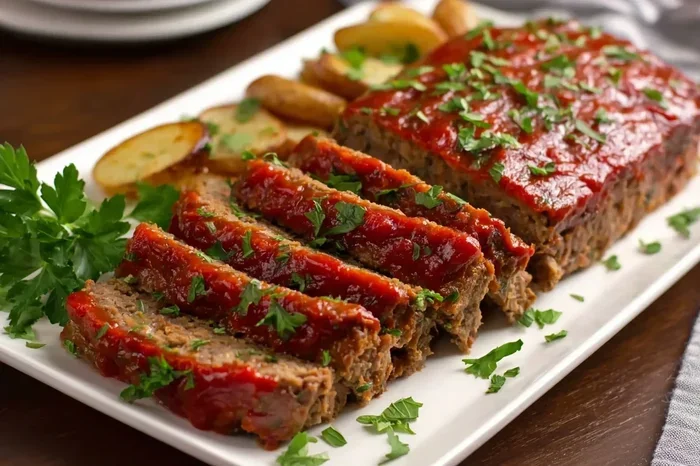
A simple glaze adds sweetness, tang, and a beautiful caramelized color to your meatloaf. The most popular glaze is a mix of ketchup, brown sugar, and a little mustard. Spread it over the top during the last 15 minutes of baking.
Other great glaze options include barbecue sauce, tomato soup, or a mix of tomato paste and honey. Experiment to find your favorite combination.
For the meat mixture itself, do not be shy with seasonings. Salt, pepper, garlic powder, onion powder, and a pinch of seasoned salt all work wonders. Taste a tiny bit of the raw mixture (just a crumb) to check the seasoning before you bake.
Drain Excess Grease Partway Through
If you are using a loaf pan, a lot of grease will collect during baking. Too much grease can make the bottom of your meatloaf soggy and greasy. About halfway through cooking, carefully tilt the pan and drain off the excess grease.
Use a spoon or a small cup to scoop it out. You do not need to remove all of it, just the excess pool. This one simple step can dramatically improve the texture and taste of your meatloaf.
Common Mistakes to Avoid When Cooking Meatloaf
Even experienced cooks sometimes make mistakes with meatloaf. Learning from common errors helps you avoid them and get better results right from the start.
Skipping the meat thermometer: The only way to know your meatloaf is safe to eat is to check the internal temperature. Ground beef should reach 160°F in the center. Do not rely on color or time alone.
Using a pan that is too small: If your meatloaf mixture overflows the pan, you will have a mess in your oven. Choose a pan that gives the meat room to expand without spilling over.
Opening the oven door too often: Every time you open the oven door, heat escapes. This can increase cooking time and affect how evenly your meatloaf bakes. Trust the timer and only open the door when you need to check the glaze or internal temperature.
Using cold meat straight from the fridge: Cold meat takes longer to cook through, which can lead to an overcooked outside and undercooked inside. Let your meat mixture sit at room temperature for about 15 minutes before shaping and baking.
Forgetting to preheat the oven: Putting your meatloaf in a cold oven throws off your cooking time and can result in uneven baking. Always preheat to 350°F before the meatloaf goes in.
What to Cook a Meatloaf On in the Oven: Final Thoughts
Now you know the answer to the question, “What to cook a meatloaf on in the oven.” The best surface depends on what kind of result you want. A loaf pan gives you the classic shape and keeps things moist. A baking dish gives you a crispy brown top. A sheet pan gives you a lighter, less greasy result.
The key is to choose a pan that fits your recipe and your preferences. Prepare it well with foil or grease. Cook at 350°F for the right amount of time based on the size of your loaf. And always let it rest before slicing.
With these tips, you are ready to make a meatloaf that tastes homemade and delicious. Start with a simple recipe, follow the steps, and soon you will be making meatloaf like a pro. The oven is your best tool for this classic comfort food, and now you know exactly how to use it.
So go ahead and preheat your oven. Pick your favorite pan, mix up your meatloaf, and enjoy the process. Good food starts with good preparation, and now you have everything you need to succeed.
FAQs
Can I cook meatloaf in a disposable aluminum pan?
Yes, you can cook meatloaf in a disposable aluminum pan. These pans work well for easy cleanup since you can throw them away after baking. Just be aware that thin disposable pans can warp at high temperatures, so place them on a sturdy sheet tray for support.
Do I need to cover meatloaf with foil while baking?
You do not have to cover meatloaf with foil, but it can help keep the top from drying out. If you use a loaf pan, the sides naturally trap moisture. For sheet pan meatloaf, covering loosely with foil for the first 30 minutes can help retain juiciness. Remove the foil for the last 15 minutes to let the glaze brown.
What is the best meat to use for meatloaf?
Ground beef is the most traditional choice for meatloaf. You can also use ground pork, ground turkey, or a mix of beef and pork for more flavor and moisture. A blend of meats often produces the juiciest and most flavorful result. Choose meat with about 15 to 20 percent fat for the best texture.
Can I make meatloaf ahead of time and reheat it?
Yes, meatloaf tastes great reheated the next day. Let the cooked meatloaf cool completely, then wrap it tightly in foil or plastic wrap. Store it in the fridge for up to three days. Reheat in the oven at 325°F until warmed through, or microwave individual slices for a quick meal.
Why did my meatloaf fall apart when I sliced it?
A meatloaf that falls apart usually did not have enough binder or was cut too soon. Make sure you include enough bread crumbs and egg to hold the mixture together. Also, let the meatloaf rest for at least 10 minutes before slicing. This gives the proteins time to set and the juices time to redistribute.
Can I freeze raw meatloaf before cooking it?
Yes, you can freeze raw meatloaf before baking it. Shape the mixture in your pan, wrap it tightly in plastic wrap and foil, and freeze for up to three months. When you are ready to cook, thaw it in the fridge overnight and bake as usual. You may need to add 10 to 15 extra minutes to the cooking time.