Why Does Oven Self Clean Smell So Bad and How to Fix It
The oven self clean smell is caused by burning food residue, grease, and smoke during the high-heat cycle. This oven self clean smell can linger for hours and make your kitchen uncomfortable. Fortunately, a few simple steps can reduce or eliminate the odor quickly. Understanding why the smell happens helps you prevent it in the future. This guide covers everything from causes to proven fixes and prevention tips.
You press the button, walk away, and come back to a kitchen that smells like something burned down to ash. The oven self clean smell hits you the moment you open the door, and it is not pleasant. If you have ever wondered why your oven smells so terrible after a self-clean cycle, you are not alone. This is one of the most common complaints homeowners have about their self-cleaning oven. The good news is that the smell is normal, and there are easy ways to manage and reduce it.
In this guide, we will break down exactly why the oven self clean smell happens, what causes it to be so strong, and how you can fix it fast. We will also share prevention tips so the next cleaning cycle does not leave your kitchen smelling like a dumpster. Whether you have a gas or electric oven, this guide applies to you. Let us get into it.
Key Takeaways
- Burning food debris causes the smell: The self-clean cycle heats the oven to extreme temperatures, which burns off grease and food particles, creating smoke and odors.
- Proper preparation reduces odor: Cleaning loose debris before starting the cycle significantly cuts down on the oven self clean smell.
- Ventilation is key: Opening windows and turning on fans helps clear smoke and fumes fast.
- Natural deodorizers work well: Baking soda, vinegar, and lemon are effective at neutralizing lingering odors.
- Avoid common mistakes: Not removing large food spills and skipping pre-cleaning are the top reasons the smell gets worse.
- Know when to call a pro: Persistent smells or smoke may signal a deeper mechanical issue that needs professional attention.
📑 Table of Contents
- Why Does Oven Self Clean Smell So Bad?
- Common Reasons the Smell Lingers Longer Than It Should
- How to Fix the Oven Self Clean Smell Fast
- How to Prevent the Oven Self Clean Smell Before It Starts
- Is the Smoke From Self-Cleaning Dangerous?
- Expert Tips for Reducing the Oven Self Clean Smell
- When to Call a Professional About the Oven Self Clean Smell
- Comparison: Self-Clean vs. Manual Clean for Odor Control
- Quick Tips to Remember
- Key Takeaways
- Frequently Asked Questions
- Final Thoughts
Why Does Oven Self Clean Smell So Bad?
The oven self clean smell is no joke. It can fill your entire house and linger for hours. But understanding the science behind it makes it easier to deal with. Here is what is actually happening inside your oven during the self-clean cycle.
The Self-Clean Cycle Explained
During the oven self-clean cycle, the oven heats up to extremely high temperatures, usually between 800 and 900 degrees Fahrenheit. At these temperatures, any food residue, grease, and carbon-based material inside the oven burns down to ash. This process is called pyrolysis. While it effectively cleans the oven, it also produces smoke, fumes, and a strong burnt odor.
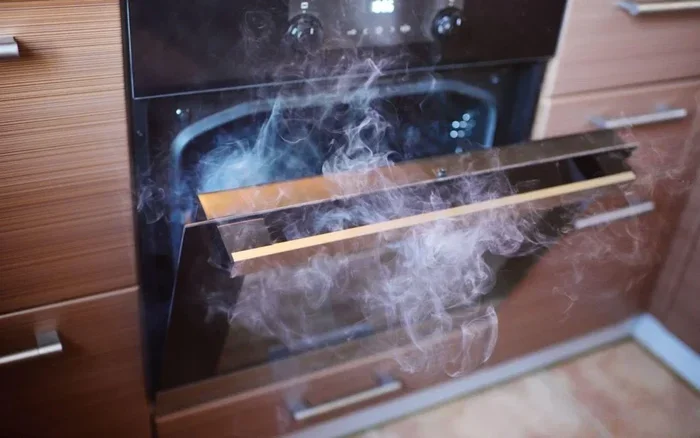
The smoke contains particles from burned food and grease. These particles float through the air and settle on surfaces, which is why you might smell the oven self clean smell in other rooms too. The odor comes from the chemical breakdown of organic matter at very high heat.
What Creates the Worst Odors?
Not all oven self clean smells are the same. Some are mild, while others are overwhelming. Here are the main culprits:
- Grease buildup: Grease splatter from cooking creates thick smoke when it burns off during the cycle.
- Food debris: Crumbs, spilled sauces, and leftover food particles burn and produce a foul smell.
- Carbon deposits: Old carbon residue from previous cooking sessions adds to the intensity of the odor.
- Plastic or sticker residue: If any plastic packaging or adhesive labels were left inside, they melt and smell terrible.
- Oven liner residue: The protective coating on the oven floor can release fumes when exposed to extreme heat.
Common Reasons the Smell Lingers Longer Than It Should
Sometimes the oven self clean smell goes away in an hour. Other times, it stays for days. Here is why the odor can stick around longer than expected.
Heavy Grease and Food Buildup
If your oven has not been cleaned in a while, there is likely a thick layer of grease and food residue inside. When the self-clean cycle burns all of that off at once, it creates a massive amount of smoke. More smoke means a stronger and longer-lasting smell. This is the number one reason the oven self clean smell becomes unbearable.
Poor Ventilation
Your kitchen needs proper airflow during the cleaning cycle. If the room is closed off with no windows open or fans running, the smoke and fumes have nowhere to go. They settle into your curtains, carpets, and furniture. This trapped smoke is what causes the oven self clean smell to linger for so long.
Dirty Oven Filters or Vents
Some ovens have internal filters or ventilation ducts that can get clogged with grease over time. When these are dirty, the smoke from the self-clean cycle cannot escape properly. Instead, it recirculates inside the oven and into your kitchen. Cleaning these filters regularly helps reduce the smell significantly.
Faulty Door Seal
The oven door has a rubber gasket that seals it tight during the self-clean cycle. If this seal is damaged or worn, smoke can leak out into your kitchen. A compromised door seal is a common but overlooked reason for a strong oven self clean smell that spreads beyond the oven.
How to Fix the Oven Self Clean Smell Fast
Dealing with the oven self clean smell after it has already happened is straightforward. You do not need expensive products or professional help. Most of the time, simple household items do the trick.
Step 1: Ventilate Your Kitchen Immediately
The first thing you should do after the self-clean cycle finishes is open every window in your kitchen. Turn on the range hood fan at full speed. If you have a portable fan, point it toward the window. This pushes the smoke and fumes outside before they settle into your home. Good ventilation is the single most effective way to reduce the oven self clean smell.
Step 2: Wipe Down the Interior While It Is Cool
Once the oven has cooled down, open the door and wipe the interior with a damp cloth. You will likely see a layer of grey ash. Removing this ash prevents it from continuing to smell. Use warm water and a mild dish soap. Avoid using harsh chemical cleaners inside the oven right after a self-clean cycle because the surfaces are sensitive.
Step 3: Use Natural Odor Absorbers
Natural ingredients are surprisingly effective at neutralizing the oven self clean smell. Here are a few options:
- Baking soda: Place an open box of baking soda inside the oven overnight. It absorbs lingering odors naturally.
- Vinegar: Put a bowl of white vinegar on the stovetop and heat it on low. The vinegar neutralizes the burnt smell in the air.
- Lemon water: Boil lemon slices in a pot of water on the stove. The citrus scent overpowers the burnt odor.
- Activated charcoal: Place charcoal briquettes in a shallow dish near the oven. They are excellent at absorbing smoke smells.
Step 4: Clean the Oven Door and Seals
The smell often clings to the oven door glass and the rubber gasket. Wipe these areas thoroughly with a solution of warm water and baking soda. Pay special attention to the edges of the door where the seal meets the oven frame. Built-up grease here traps odors and releases them over time.
Step 5: Run a Deodorizing Cycle
After you have cleaned the interior, run a short steam cycle to freshen things up. Fill a baking dish with water and add a cup of vinegar. Place it inside the oven and heat it at 200 degrees Fahrenheit for 30 minutes. The steam helps lift any remaining odor particles and leaves the oven smelling much cleaner.
How to Prevent the Oven Self Clean Smell Before It Starts
Prevention is always better than cure. Taking a few simple steps before you start the oven self-clean cycle can dramatically reduce the smell. Here is what you should do every time.
Remove Large Food Spills Before Running the Cycle
Take a few minutes to scrape out any large food spills or crumbs from the oven floor. You do not need to scrub deeply. Just remove the obvious debris. This prevents the self-clean cycle from burning through thick layers of food, which creates excessive smoke and a stronger oven self clean smell.
Clean the Oven Racks Separately
Remove the oven racks before starting the self-clean cycle. Wash them by hand with warm soapy water. Putting racks through the pyrolysis cycle can cause them to warp or discolor, and they contribute to the overall smoke output. Clean racks mean less material burning inside the oven.
Keep Your Kitchen Well-Ventilated Before You Start
Do not wait until the cycle is running to open your windows. Open them beforehand and turn on the range hood. This gives the smoke a clear path out of your kitchen from the very beginning. It is a simple step that makes a big difference in how strong the oven self clean smell becomes.
Use the Self-Clean Feature Sparingly
The self-cleaning oven feature is convenient, but you do not need to use it every month. If you wipe down your oven after each use, you reduce the amount of buildup. Less buildup means a shorter and less intense self-clean cycle, which equals less smell overall.
Is the Smoke From Self-Cleaning Dangerous?
Many people worry about the safety of the oven self-clean cycle because of the smoke and smell. The short answer is that it is generally safe, but there are some precautions you should take.
Carbon Monoxide Concerns
The oven self clean smell is mostly from burning food, not a dangerous gas. However, any combustion process can produce trace amounts of carbon monoxide. Keep your kitchen well-ventilated during the cycle. If you have a carbon monoxide detector nearby, make sure it is working.
Smoke Detector Triggers
The smoke from the self-clean cycle is enough to trigger your smoke detector. This is annoying but not dangerous. To avoid this, temporarily cover your smoke detector with a dish towel while the cycle runs. Just remember to uncover it afterward.
When to Stop the Cycle
If you see heavy black smoke or smell something chemical rather than burnt food, stop the cycle. This could indicate a problem with the oven or something foreign inside. Turn off the oven, open windows, and investigate before running the cycle again.
Expert Tips for Reducing the Oven Self Clean Smell
Professional cleaners and appliance experts share a few insider tips that can make the oven self clean smell much more manageable:
- Place a piece of bread on the oven floor before starting: The bread absorbs some of the smoke and reduces the intensity of the odor.
- Add a few drops of vanilla extract to a bowl of water inside the oven: This adds a pleasant scent that counters the burnt smell.
- Run the self-clean cycle in the evening: The smell is less noticeable when you are not actively cooking or spending time in the kitchen.
- Use a fan facing outward in the window: This pulls the smoke out of the kitchen rather than letting it circulate.
- Clean the oven interior with dish soap before the self-clean cycle: A quick wipe-down removes surface grease and reduces the amount of material that needs to burn off.
When to Call a Professional About the Oven Self Clean Smell
Most of the time, the oven self clean smell is normal and goes away with simple fixes. However, there are situations where you should call a professional technician.
- The smell persists for more than 48 hours even after ventilation and cleaning.
- You see smoke coming from outside the oven, which could indicate a damaged seal or wiring issue.
- The oven door will not unlock after the cycle, which may signal a faulty thermal fuse or door lock mechanism.
- You notice a chemical smell rather than a burnt food smell, which could mean insulation or wiring is overheating.
- The self-clean cycle produces excessive smoke even after you have removed all food debris and racks.
A professional can inspect the oven for mechanical issues that might be causing the smell to worsen. Do not ignore persistent odors. They could be a sign of a deeper problem that affects both performance and safety.
Comparison: Self-Clean vs. Manual Clean for Odor Control
| Factor | Self-Clean Cycle | Manual Cleaning |
|---|---|---|
| Odor Level | High during and after cycle | Minimal to none |
| Time Required | 2 to 4 hours | 30 to 60 minutes |
| Effort | Low (oven does the work) | Moderate (hand scrubbing) |
| Odor Prevention | Requires ventilation and prep | No smoke or fumes produced |
| Deep Cleaning | Excellent for baked-on grease | Good but may miss tough spots |
| Risk of Lingering Smell | Moderate to high | Very low |
As you can see from the comparison, the oven self clean smell is the trade-off for convenience. Manual cleaning avoids the smoke and odor entirely but requires more effort. Many homeowners use a combination of both methods. They do a quick manual clean after each use and run the self-clean cycle once a month for deep maintenance.
Quick Tips to Remember
- Always remove oven racks and large food debris before starting the self-clean cycle.
- Open windows and turn on the range hood before you begin.
- Place an open box of baking soda inside the oven overnight after the cycle to absorb odors.
- Wipe the interior with a damp cloth once the oven has cooled.
- Run a steam cycle with vinegar water to freshen the oven after cleaning.
- Check the door seal regularly for damage that could let smoke escape.
- Clean the oven more frequently to reduce the intensity of each self-clean cycle.
Key Takeaways
- The oven self clean smell comes from burning food residue and grease at extreme temperatures.
- Poor ventilation is the biggest reason the smell lingers.
- Natural deodorizers like baking soda, vinegar, and lemon are effective and safe.
- Preparing the oven before the cycle reduces the smell dramatically.
- Regular maintenance prevents heavy buildup and keeps the smell manageable.
- Call a professional if the smell persists or you notice smoke outside the oven.
Frequently Asked Questions
Why does my oven smell so bad after self-cleaning?
The oven self clean smell happens because the self-clean cycle heats the oven to over 800 degrees Fahrenheit, burning off grease and food residue. This process creates smoke and fumes that produce a strong burnt odor. The smell is completely normal and usually fades within a few hours with proper ventilation.
How long does the oven self clean smell last?
In most cases, the oven self clean smell lasts between one and four hours. However, if your oven has heavy grease buildup or your kitchen has poor ventilation, the odor can linger for up to 24 hours or more. Using natural deodorizers like vinegar or baking soda can help speed up the process.
Is the smoke from oven self-cleaning dangerous?
The smoke from the oven self-clean cycle is generally not dangerous. It is mostly composed of burnt food particles and grease. However, it can trigger your smoke detector and may contain trace amounts of carbon monoxide. Always keep your kitchen well-ventilated and make sure your carbon monoxide detector is working.
Can I reduce the oven self clean smell before starting the cycle?
Yes! Removing large food spills, wiping down the interior, and cleaning the oven racks separately before the cycle can significantly reduce the smell. Opening windows and turning on the range hood before you start also helps. Less material burning means less smoke and a weaker oven self clean smell.
What should I do if the smell does not go away after 48 hours?
If the oven self clean smell persists beyond 48 hours, there may be a deeper issue. Check the door seal for damage, inspect the ventilation ducts for clogs, and make sure no food debris was left inside. If the smell still does not go away, contact a professional appliance technician for an inspection.
Can I use air fresheners to mask the oven self clean smell?
Air fresheners can temporarily mask the oven self clean smell, but they do not eliminate the source of the odor. Natural solutions like baking soda, vinegar, and boiling lemon water are much more effective at neutralizing the smell. They absorb or counteract the odor-causing particles rather than just covering them up.
Final Thoughts
The oven self clean smell is annoying, but it is manageable. Now you know exactly why it happens and what you can do about it. From ventilating your kitchen to using natural deodorizers, these tips will help you keep your home smelling fresh even after a heavy-duty cleaning cycle. The key is preparation. Clean loose debris before the cycle, ventilate well during it, and deodorize afterward.
Remember that regular oven maintenance is your best defense against a strong oven self clean smell. The less buildup you have, the less smoke the cycle produces. A quick wipe-down after each use goes a long way. Share this guide with anyone in your life who dreads the self-clean cycle. With the right approach, you can keep your oven sparkling clean without the terrible smell taking over your kitchen.