Can All Clad Go In Oven The Complete Answer You Need
Can All Clad Go In Oven? The short answer is yes, but with important limits. Most All-Clad cookware is oven safe up to specific temperatures depending on the product line and handle type. Understanding your particular All-Clad piece, its maximum heat rating, and proper care steps will keep your investment safe and performing well for years.
So you just bought a beautiful set of All-Clad cookware and you are ready to start cooking. You have been reading recipes, watching videos, and feeling confident in the kitchen. Then it hits you. Can All Clad Go In Oven? You look at your shiny new pots and pans and wonder if they can handle the heat. This is a great question, and the answer is more nuanced than you might think. Not all cookware behaves the same way in an oven, and All-Clad is no exception. Different product lines have different limits, different handle materials, and different care requirements. This guide will walk you through everything you need to know about using your All-Clad pieces safely in the oven. By the end, you will feel confident and prepared every time you move your cookware from stovetop to oven.
All-Clad is one of the most respected names in professional cookware. Chefs and home cooks trust this brand for its durability and performance. The company uses a special bonding process that creates cookware with excellent heat distribution. But knowing how to use oven-safe cookware properly is just as important as buying the right piece. Whether you are roasting vegetables, baking a casserole, or making a stovetop-to-oven recipe, understanding your All-Clad cookware will make a big difference. Let us dive into the details and answer every question you have about putting your All-Clad in the oven.
Key Takeaways
- Most All-Clad lines are oven safe up to 500 degrees Fahrenheit, but always check your specific product.
- All-Clad d3 and Copper Core are the most popular oven-safe lines with excellent heat distribution.
- Non-stick handles and rivets may have lower temperature limits than the stainless steel body.
- Never exceed the maximum oven temperature listed for your specific piece to avoid warranty issues.
- Proper care and cleaning extend the life of your All-Clad cookware significantly.
- Common mistakes like using metal utensils on non-stick surfaces can void the warranty.
- All-Clad offers a lifetime warranty on most cookware, but misuse can void coverage.
📑 Table of Contents
- What Is All-Clad Cookware and Why Does It Matter?
- Is All-Clad Cookware Oven Safe?
- Oven Temperature Limits for All-Clad
- Which All-Clad Product Lines Are Oven Safe?
- Common Mistakes When Using All-Clad in the Oven
- How to Care for and Maintain All-Clad Cookware
- Expert Tips for Using All-Clad in the Oven
- Quick Tips Section
- Common Mistakes Section
- Expert Insights Section
- Key Takeaways Section
- Conclusion
What Is All-Clad Cookware and Why Does It Matter?
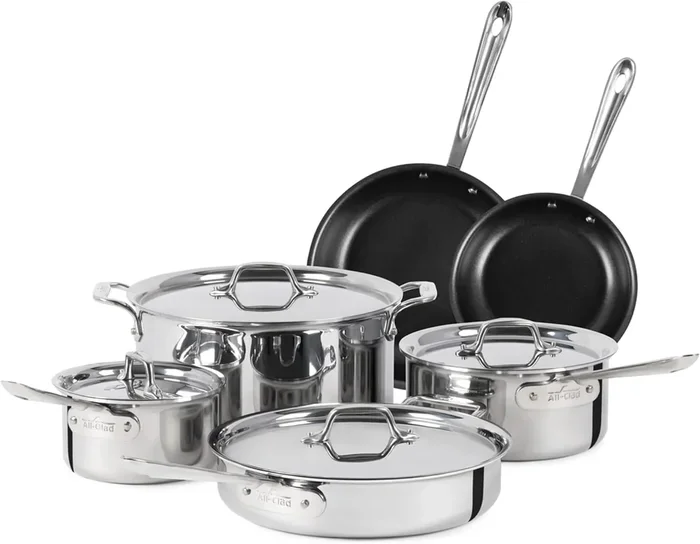
All-Clad is a premium cookware brand known for its bonded construction. The company uses a process called tri-ply construction to layer different metals together. This creates cookware that heats evenly and responds well to temperature changes. The three layers typically include stainless steel on the outside, an aluminum or copper core for heat conductivity, and stainless steel on the cooking surface.
The Bonding Process Behind All-Clad
What makes All-Clad cookware special is how the layers are joined. The company uses a process called bonded cookware manufacturing. This means the metals are fused together under extreme pressure and heat. The result is a pan that does not warp, does not peel, and performs consistently over time. This bonding is what gives All-Clad its reputation for durability. It is also why these pieces are so expensive compared to regular cookware. When you invest in All-Clad, you are buying a piece of cookware that can last a lifetime.
Why Heat Distribution Matters for Oven Use
When you put cookware in the oven, heat comes from all directions. Unlike a stovetop where heat rises from below, an oven surrounds the cookware with hot air. This means your pan needs to conduct heat evenly from every angle. All-Clad bonded construction excels at this. The aluminum or copper core spreads heat quickly and uniformly. This is why All-Clad is so popular for recipes that start on the stovetop and finish in the oven. The heat distribution remains consistent whether you are searing on the burner or roasting in the oven.
Is All-Clad Cookware Oven Safe?
The short answer is yes. Most All-Clad cookware is designed to be oven safe. However, there are important caveats. Not every piece can go in the oven at every temperature. The safety of your All-Clad in the oven depends on three key factors. These are the product line, the handle material, and the maximum temperature rating. Let us break each one down.
Product Line Matters
All-Clad makes several different product lines. Each line has its own specifications for oven use. The most popular lines include the d3 line, the Copper Core line, and the D5 line. All of these lines are oven safe, but they have different temperature limits. For example, All-Clad d3 is oven safe up to 500 degrees Fahrenheit. The Copper Core line shares the same limit. But some specialty pieces or limited edition lines may have different ratings. Always check the bottom of your specific piece or the product documentation. When in doubt, contact All-Clad customer service directly.
Handle Materials and Their Limits
The handle is often the weakest link when it comes to oven safety. All-Clad uses different handle materials across its product lines. Stainless steel handles are the most oven resistant. They can typically handle the full temperature range of the cookware. However, some All-Clad pieces have phenolic or nylon handles. These materials have lower heat tolerances. Phenolic handles are generally safe up to 350 degrees Fahrenheit. Nylon handles may have an even lower limit. Always check what type of handle your piece has before placing it in the oven. If the handle is not rated for high heat, you risk melting or damaging it. This is one of the most common mistakes home cooks make with oven-safe cookware.
Rivets and Hardware
Do not forget about the rivets that attach the handles. All-Clad uses stainless steel rivets on most of its cookware. These are generally oven safe. However, if a piece has any plastic or rubber components in the hardware, those may not withstand high oven temperatures. Always inspect the entire piece before putting it in the oven. A small rubber gasket or a plastic rivet cap can melt at high temperatures. This can damage your cookware and potentially release harmful fumes into your oven.
Oven Temperature Limits for All-Clad
Knowing the maximum oven temperature for your All-Clad cookware is essential. Using cookware beyond its rated temperature can cause damage. It can also void your warranty. Here is a breakdown of the typical temperature limits for different All-Clad product lines.
All-Clad d3 Oven Temperature
The All-Clad d3 line is one of the most popular products on the market. It features a tri-ply construction with stainless steel bonded to an aluminum core. The d3 line is oven safe up to 500 degrees Fahrenheit. This makes it perfect for most home cooking applications. Whether you are roasting a chicken, baking a casserole, or finishing a steak under the broiler, the d3 line can handle it. The stainless steel exterior and interior make it easy to clean and maintain. It is also dishwasher safe All-Clad, which adds to its convenience.
All-Clad Copper Core Oven Temperature
The All-Clad Copper Core line features a copper layer sandwiched between stainless steel. Copper provides even faster heat conductivity than aluminum. This line is also oven safe up to 500 degrees Fahrenheit. The copper core gives you excellent responsiveness when adjusting temperatures. This is especially useful for oven use where you may need to adjust the heat quickly. All-Clad Copper Core cookware is a favorite among serious home cooks and professional chefs alike.
All-Clad D5 Oven Temperature
The All-Clad D5 line features a five-ply construction. It has two layers of stainless steel with three layers of aluminum. This provides superior heat retention and even cooking. The D5 line is also oven safe up to 500 degrees Fahrenheit. The extra layers make it slightly heavier than the d3 line, but the performance is worth it for many cooks. The D5 line is excellent for slow roasting and baking where consistent heat is important.
Specialty Lines and Limited Editions
All-Clad also produces specialty lines and limited edition collections. These may have different temperature ratings. For example, some non-stick lines from All-Clad may have lower oven-safe temperatures. Always check the specific product before placing it in the oven. When buying new All-Clad pieces, keep the packaging and documentation. It will have the exact oven-safe temperature for that specific product.
Which All-Clad Product Lines Are Oven Safe?
Not every All-Clad product is oven safe. Understanding which lines and pieces can go in the oven will save you time and money. Here is a detailed look at the main All-Clad product lines and their oven compatibility.
All-Clad d3 Line
The All-Clad d3 line is fully oven safe. This includes frying pans, saucepans, stockpots, and sauté pans. The d3 line uses tri-ply construction and is oven safe up to 500 degrees Fahrenheit. The stainless steel handles on d3 cookware are designed to withstand high oven temperatures. This makes the d3 line one of the most versatile options for stovetop-to-oven cooking. You can sear meat on the stove and then transfer the entire pan to the oven for finishing. This is a huge convenience for busy weeknight dinners.
All-Clad Copper Core Line
The All-Clad Copper Core line is also fully oven safe up to 500 degrees Fahrenheit. The copper core provides exceptional heat conductivity. This makes it ideal for recipes that require precise temperature control in the oven. The Copper Core line includes saucepans, frying pans, and stockpots. All pieces feature stainless steel handles that can handle the full oven temperature range. The copper exterior also looks beautiful when serving dishes straight from the oven to the table.
All-Clad D5 Line
The All-Clad D5 line is oven safe up to 500 degrees Fahrenheit. The five-ply construction provides excellent heat retention. This is especially useful for dishes that need to stay warm in the oven. The D5 line includes many of the same pieces as the d3 line. The main difference is the additional layers of aluminum. These extra layers make the D5 slightly heavier but also more heat resistant. For long braises and slow roasts, the D5 line is an excellent choice.
Lines with Lower Oven Limits
Some All-Clad lines have lower oven-safe temperatures. This is especially true for pieces with non-stick coatings or specialty handles. If you own a non-stick All-Clad piece, check the maximum temperature before using it in the oven. Non-stick coatings can degrade at high temperatures. This not only ruins the pan but can also release harmful fumes. Always follow the manufacturer’s guidelines for oven use. When you respect the temperature limits, your cookware will last much longer.
Common Mistakes When Using All-Clad in the Oven
Even with high-quality oven-safe cookware, mistakes happen. Knowing the common errors will help you avoid damaging your All-Clad pieces. Here are the mistakes most home cooks make.
Exceeding the Maximum Temperature
This is the number one mistake. Many people assume all All-Clad can handle any oven temperature. This is not true. Putting a piece with a phenolic handle into a 500-degree oven will melt the handle. Always check the temperature rating before placing cookware in the oven. If your recipe calls for very high heat, make sure your All-Clad piece can handle it.
Ignoring Handle Material
As mentioned earlier, handle material is critical. Stainless steel handles are oven safe. Phenolic and nylon handles are not. Some people buy All-Clad without checking the handle type. Then they put it in the oven and ruin the handle. Always inspect the handle before oven use. If you are unsure, contact All-Clad customer service or check the product manual.
Using the Broiler Without Caution
The broiler can reach very high temperatures. Many ovens have broilers that exceed 500 degrees. Placing All-Clad under the broiler can damage the cookware and the handles. If you need to use the broiler, use a pan with stainless steel handles only. Keep a close eye on the cookware while broiling. Never leave it unattended. The broiler can cause hot spots that damage the cookware surface over time.
Thermal Shock
Thermal shock happens when you expose hot cookware to cold water or a cold surface. This can warp or crack your All-Clad pieces. Never rinse a hot All-Clad pan under cold water immediately after oven use. Let it cool down gradually first. Place it on a heat-safe surface and allow it to come to room temperature before washing. This simple habit will extend the life of your cookware significantly.
Using Metal Utensils on Non-Stick Surfaces
If your All-Clad piece has a non-stick coating, never use metal utensils. Metal utensils can scratch and damage the non-stick surface. This damage can void the All-Clad warranty. Use wooden, silicone, or nylon utensils instead. This is especially important for oven use because non-stick surfaces are more sensitive to damage at high temperatures.
How to Care for and Maintain All-Clad Cookware
Proper care is the key to getting the most out of your All-Clad cookware. The good news is that All-Clad is relatively easy to maintain. With a few simple habits, your cookware will look and perform like new for decades.
Cleaning Best Practices
All-Clad cookware is dishwasher safe All-Clad, but hand washing is always better. Hand washing preserves the finish and prevents water spots. Use warm water and mild dish soap. For stubborn stains, make a paste of baking soda and water. Apply it to the affected area and let it sit for a few minutes. Then scrub gently with a non-abrasive sponge. Avoid steel wool or harsh scrubbers. These can scratch the surface of your All-Clad cookware.
Dealing with Discoloration
Over time, you may notice some discoloration on your All-Clad cookware. This is normal and does not affect performance. Discoloration usually comes from high heat or mineral deposits in water. To remove discoloration, fill the pan with water and add a cup of white vinegar. Bring it to a boil on the stovetop. Let it simmer for a few minutes. Then wash as usual. Your All-Clad will look brand new again.
Storage Tips
How you store your All-Clad cookware matters too. Avoid stacking pans without protective layers between them. Use pan protectors or hang your cookware on a pot rack. Stacking can cause scratches and dents over time. If you must stack, place a soft cloth or paper towel between each piece. Taking care with storage will keep your cookware looking great and performing well.
Understanding the All-Clad Warranty
All-Clad offers a lifetime warranty on most of its cookware. This warranty covers defects in materials and craftsmanship. It does not cover damage from misuse, including oven use beyond the recommended temperature. To keep your warranty valid, always follow the manufacturer’s care instructions. If you experience a genuine defect, contact All-Clad customer service. They will help you with a replacement or repair. Keeping your proof of purchase is also a good idea in case you ever need to file a claim.
Expert Tips for Using All-Clad in the Oven
Using All-Clad cookware in the oven is straightforward once you know a few pro tips. These tips come from experienced cooks and chefs who use All-Clad every day. Follow these guidelines and you will get the best results every time.
Preheat the Oven Before Adding Cookware
Always preheat your oven before placing All-Clad cookware inside. This ensures even heat distribution from the start. Cold cookware in a hot oven can cause uneven heating. It can also lead to warping over time. Give your oven time to reach the desired temperature before you put your pan in.
Use Oven Mitts for Hot Handles
Even though All-Clad stainless steel handles are oven safe, they still get hot. Always use oven mitts when removing All-Clad cookware from the oven. A hot handle can cause serious burns. Keep a pair of oven mitts near your oven at all times. This is a simple habit that prevents accidents.
Let Cookware Cool Before Washing
Never plunge hot All-Clad into cold water. This causes thermal shock and can warp the pan. Let your cookware cool on a heat-safe surface first. Once it is at room temperature, wash it with warm soapy water. This preserves the shape and finish of your All-Clad pieces.
Rotate Pans for Even Cooking
Ovens can have hot spots. To ensure even cooking, rotate your All-Clad pans halfway through cooking. This is especially important for baked goods and roasted vegetables. A simple half-turn can make a big difference in how evenly your food cooks. This tip applies to all oven-safe cookware, not just All-Clad.
Match Pan Size to Oven Rack
Make sure your All-Clad pan fits properly on the oven rack. A pan that is too large can block airflow and cook food unevenly. A pan that is too small may not be stable on the rack. Use the right size pan for the job. This ensures safe, even cooking and prevents accidents in the oven.
Quick Tips Section
- Always check the handle material before placing All-Clad in the oven.
- Never exceed 500 degrees Fahrenheit unless your specific piece is rated higher.
- Hand wash your All-Clad when possible to preserve the finish.
- Use baking soda paste to remove stubborn stains and discoloration.
- Let cookware cool gradually before washing to prevent thermal shock.
- Keep oven mitts nearby for safe handling of hot All-Clad pans.
- Store pans with protectors between them to prevent scratches.
Common Mistakes Section
- Assuming all handles are oven safe without checking the material.
- Exceeding the maximum temperature rating for your specific piece.
- Rinsing hot cookware with cold water immediately after oven use.
- Using metal utensils on non-stick All-Clad pieces.
- Neglecting to read the product manual for specific care instructions.
- Overcrowding the oven with too many pans, blocking airflow.
Expert Insights Section
Professional chefs who work with All-Clad cookware every day share a few key insights. First, they emphasize that All-Clad is built to last. The bonded construction means the cookware will not warp or delaminate with proper care. Second, they stress the importance of reading the manual for each specific piece. Not every All-Clad product has the same oven-safe rating. Third, they recommend preheating the oven before adding cookware. This ensures even heat distribution and better cooking results. Finally, they remind home cooks that oven-safe cookware is only safe within the recommended temperature range. Respecting those limits is the best way to protect your investment.
Key Takeaways Section
To summarize everything we have covered, here are the key points to remember about using All-Clad in the oven:
- Most All-Clad lines are oven safe up to 500 degrees Fahrenheit. This includes the d3, Copper Core, and D5 lines.
- Always check the handle material before placing cookware in the oven. Stainless steel handles are safe; phenolic and nylon handles have lower limits.
- Never exceed the maximum oven temperature for your specific piece. This protects both the cookware and your safety.
- Let cookware cool gradually before washing to prevent thermal shock and warping.
- Hand wash when possible and use non-abrasive cleaning methods to preserve the finish.
- All-Clad offers a lifetime warranty on most cookware, but misuse can void coverage.
- Follow these guidelines consistently and your All-Clad cookware will perform beautifully for decades.
Using All-Clad cookware in the oven is safe and straightforward when you follow the guidelines. The All-Clad brand designs its products with durability and performance in mind. By understanding the oven-safe limits of your specific pieces, you can cook with confidence. Whether you are roasting, baking, or finishing a stovetop dish, your All-Clad will deliver excellent results. Take care of your cookware, respect the temperature limits, and you will enjoy your All-Clad investment for many years to come.
Conclusion
So, can All Clad Go In Oven? Absolutely. With proper knowledge and care, your All-Clad cookware is perfectly suited for oven use. The key is understanding the specific limits of your product line, checking handle materials, and respecting the maximum temperature ratings. All-Clad d3, Copper Core, and D5 lines all handle oven temperatures up to 500 degrees Fahrenheit with ease. By avoiding common mistakes and following proper care instructions, you protect your investment and ensure consistent performance. All-Clad cookware represents a significant investment in your kitchen. Treat it well, and it will reward you with years of excellent cooking. Start using your All-Clad in the oven with confidence today. You will love the results.
Frequently Asked Questions
Can All-Clad frying pans go in the oven?
Yes, most All-Clad frying pans are oven safe up to 500 degrees Fahrenheit. However, always check the handle material. Frying pans with stainless steel handles can handle the full temperature range. Frying pans with phenolic or nylon handles have lower limits, typically 350 degrees Fahrenheit. Check the bottom of your specific pan for the exact rating before placing it in the oven.
What is the maximum oven temperature for All-Clad cookware?
The maximum oven temperature for most All-Clad lines is 500 degrees Fahrenheit. This includes the d3, Copper Core, and D5 product lines. Some specialty or non-stick lines may have lower limits. Always check the specific product documentation or the bottom of the piece for the exact temperature rating. Exceeding the maximum temperature can damage the cookware and void the warranty.
Is the All-Clad warranty valid if I use cookware in the oven?
Yes, the All-Clad warranty covers most cookware as long as you follow the manufacturer’s care instructions. Using All-Clad within the recommended oven temperature range is covered by the lifetime warranty. However, damage caused by exceeding temperature limits or misuse is not covered. Always read the product manual and follow the guidelines to keep your warranty valid.
Can I put All-Clad with a non-stick coating in the oven?
Some All-Clad non-stick pieces are oven safe, but typically at lower temperatures than stainless steel lines. Non-stick coatings can degrade at high temperatures, which may release harmful fumes. Check the specific temperature rating for your non-stick piece before oven use. When in doubt, use stainless steel All-Clad cookware for oven applications to avoid any risk.
How do I clean All-Clad cookware after oven use?
Let your All-Clad cookware cool to room temperature before washing. Never rinse hot cookware under cold water, as this causes thermal shock. Wash with warm water and mild dish soap using a non-abrasive sponge. For stubborn stains, use a baking soda paste. All-Clad is dishwasher safe, but hand washing extends the life of the cookware. Always dry thoroughly after washing to prevent water spots.
Which All-Clad lines are best for stovetop-to-oven cooking?
The All-Clad d3 and Copper Core lines are the best choices for stovetop-to-oven cooking. Both lines feature stainless steel handles that are oven safe up to 500 degrees Fahrenheit. The tri-ply and copper core construction provides excellent heat distribution on both the stovetop and in the oven. These lines are also durable and easy to maintain, making them ideal for everyday cooking.