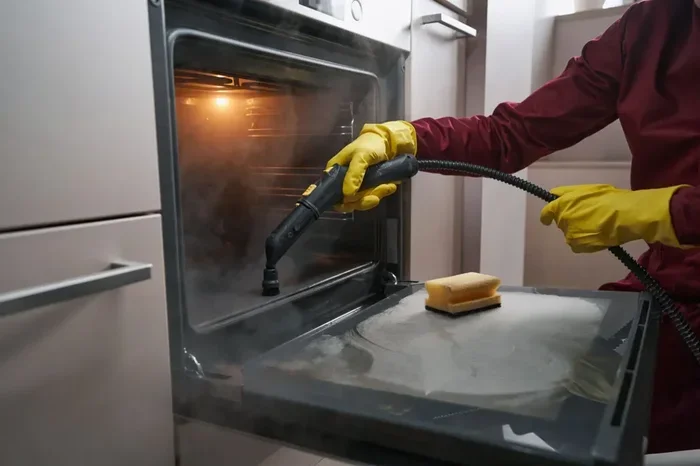
How Does A Steam Clean Oven Work And What You Need To Know
How Does A Steam Clean Oven Work is simpler than you think. This method uses hot steam to loosen grease and food residue, making oven cleaning easy and chemical-free. Discover the steam clean cycle, benefits, and expert tips for a sparkling oven.
Ever wondered How Does A Steam Clean Oven Work? It’s a simple process that uses hot steam to melt away grease and food spills. Unlike traditional self-cleaning ovens that rely on extreme heat, steam cleaning uses water vapor to loosen grime. This makes the job faster, safer, and much more pleasant. You won’t have to scrub for hours or breathe in harsh fumes. Let’s break down exactly how this modern cleaning method works.
A steam clean oven turns ordinary water into vapor that reaches every corner of the interior. The steam softens baked-on food, making it easy to wipe away with a damp cloth. This approach is gentle on the oven walls and safe for the environment. Many homeowners now prefer this method over chemical sprays or high-heat cycles. Below, we’ll explore the science, the steps, and the benefits in detail.
Key Takeaways
- Steam cleaning uses hot vapor: It melts grease and food residue without harsh chemicals.
- The process is fast: A steam clean cycle takes only 20 to 30 minutes.
- It’s eco-friendly: No chemical fumes, just water and heat.
- Safety matters: Always wear gloves and keep the door seal clean.
- Regular maintenance helps: Steam cleaning weekly prevents tough burnt-on grime.
- Not for all ovens: Check your manual to confirm your model supports steam clean.
📑 Table of Contents
What Is a Steam Clean Oven?
A steam clean oven is a kitchen appliance that uses hot water vapor to remove light to moderate grease and food residue. It’s a feature found in many modern ranges and built-in ovens. The system heats a small amount of water to create steam, which fills the oven cavity at a low temperature. This gentle heat softens grime without burning it to a hard carbon layer.
Traditional self-cleaning ovens use pyrolytic cleaning, which heats the interior to around 900°F. That extreme heat turns food spills into ash, which you then wipe away. Steam cleaning skips that intense heat entirely. Instead, it relies on moisture to break down the grime. This makes it a much gentler option for everyday maintenance.
How Steam Cleaning Differs From Traditional Methods
The main difference lies in temperature and moisture. Pyrolytic cleaning uses very high dry heat, while steam cleaning uses low-temperature wet heat. Chemical cleaning uses sprays that dissolve grease, but they often leave residues. Steam cleaning sits in the middle: it’s chemical-free, low-heat, and highly effective for regular cleaning. It’s perfect for removing splatters from sauces, oils, and baked-on crumbs before they turn into tough burnt-on grime.
How Does A Steam Clean Oven Work
The core mechanism is straightforward. A steam clean oven has a small reservoir or cup inside the cavity. You fill it with plain water, and the oven heats it to produce steam. The steam rises and coats the interior surfaces. The warmth and moisture work together to loosen the bond between grease and the oven wall. After the cycle, the softened residue wipes away with little effort.
This process is also known as steam cleaning or a steam clean cycle. It typically runs at temperatures between 200°F and 250°F, far below pyrolytic levels. The low heat ensures the door seal, control panel, and other plastic parts stay safe. Let’s look at the science behind this gentle yet powerful method.
The Science Behind Steam Cleaning
Steam works through a process called hydrolysis. Water molecules penetrate the food residue and break down the proteins and fats that hold grime together. The heat softens the grease, while the moisture prevents it from re-baking onto the surface. This combination makes even stubborn spots easier to remove. The steam also reaches into tiny cracks and corners that a scrub brush might miss.
Another benefit is odor control. Steam helps neutralize cooking smells trapped in the oven. It lifts away the residue that causes lingering odors. This is a big advantage for households that cook fish, spices, or strong-smelling foods. The result is a fresh, clean oven interior without any chemical odor.
Step-by-Step: How The Steam Clean Cycle Runs
Running a steam clean cycle is simple. Most ovens follow these basic steps:
- Remove the oven racks and any loose debris.
- Fill the designated reservoir or cup with about one cup of water.
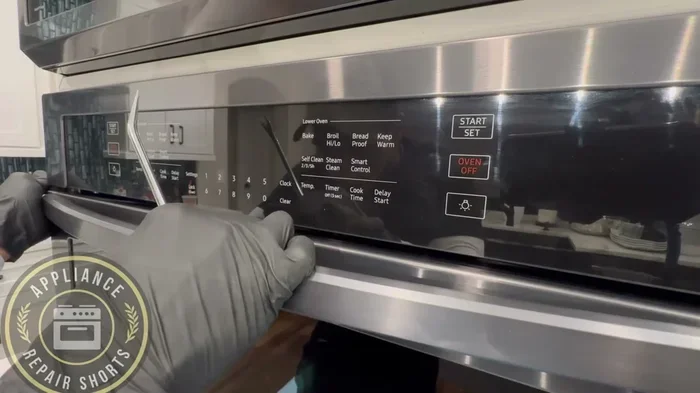
- Select the steam clean setting on the control panel.
- Close the door and start the cycle.
- The oven heats the water and produces steam for 20 to 30 minutes.
- After the cycle, let the oven cool for a few minutes.
- Wipe the interior with a damp microfiber cloth.
The entire process takes less than an hour, and most of that time is hands-off. You don’t need to scrub or spray anything. This is why many people love steam cleaning for routine oven maintenance.
Benefits Of A Steam Clean Oven
Switching to a steam clean oven offers several practical advantages. It’s not just about convenience; it also affects safety, cost, and environmental impact. Here are the top benefits that make steam cleaning worth considering.
Eco-Friendly And Chemical-Free Cleaning
Steam cleaning uses nothing but water. There are no aerosols, gels, or harsh solvents. This makes it a form of eco-friendly cleaning that’s safe for your home and the planet. You avoid releasing volatile organic compounds into the air. It’s also safer for pets and children who might be near the kitchen.
Because there are no chemicals, you don’t have to worry about residues contaminating your next meal. The steam leaves no film or taste behind. This is a major plus for health-conscious cooks and those with sensitivities to cleaning products.
Time And Energy Savings
A steam clean cycle typically runs for 20 to 30 minutes. In contrast, a pyrolytic self-clean cycle can take two to four hours. The shorter time means less energy consumption and less heat radiating into your kitchen. You save on electricity or gas bills while getting a sparkling clean oven.
Time savings also come from the minimal effort required. After the steam cycle, a quick wipe is all that’s needed. You don’t have to scrub for 30 minutes or deal with ash residue. This makes oven maintenance a quick weekly habit rather than a dreaded chore.
Gentle On Your Oven’s Interior
High-heat self-cleaning cycles can stress the oven’s enamel, seals, and electronic components over time. Steam cleaning operates at low temperatures, so it’s much gentler. The door seal stays intact, and the control panel is not exposed to extreme heat. This can extend the overall lifespan of your appliance.
Steam also helps prevent the buildup of burnt-on grime that’s hard to remove. By cleaning regularly with steam, you stop food residue from carbonizing into a hard, black layer. This keeps the oven looking new and performing efficiently for years.
| Feature | Steam Clean | Self-Clean (Pyrolytic) | Chemical Cleaner |
|---|---|---|---|
| Method | Hot steam vapor | Extreme heat (up to 900°F) | Sprays or gels |
| Cleaning Time | 20–30 minutes | 2–4 hours | 30–60 minutes |
| Chemicals | None | None | Harsh solvents |
| Odor | Minimal steam smell | Burning smell | Chemical fumes |
| Energy Use | Low | High | None |
| Best For | Regular maintenance | Heavy, baked-on mess | Spot cleaning |
Step-by-Step Guide To Using The Steam Clean Cycle
Using the steam clean cycle correctly ensures the best results. Follow these steps every time for a streak-free, fresh oven.
Preparing Your Oven
Start by removing the oven racks, trays, and any loose food particles. Shake out crumbs into the sink. If there are large, stuck-on pieces, use a wooden spoon to gently scrape them off. Do not use metal scrapers, as they can scratch the interior surface. A clean oven allows the steam to reach all the walls evenly.
Next, locate the water reservoir. In most models, it’s a small cup or channel near the bottom of the oven. Fill it with plain tap water to the fill line. Using distilled water can reduce mineral spots, but tap water works perfectly fine for most steam cleaning cycles.
Running The Cycle
Close the oven door securely. Select the steam clean mode on the control panel. The oven will heat the water and begin producing steam. You might hear a gentle hissing sound, which is normal. The cycle usually lasts between 20 and 30 minutes. During this time, the oven interior fills with warm vapor. Do not open the door, as that releases the steam and reduces effectiveness.
After the cycle ends, the oven will beep or display a “Clean” message. Wait at least 15 to 20 minutes before opening the door. The interior will be very hot, and opening it too soon can cause a burst of steam that might burn you. Let it cool until the temperature drops to a safe level.
Post-Cleaning Care
Once the oven is cool enough to touch, open the door and wipe the interior with a damp microfiber cloth. The softened grime should come off easily. For any remaining spots, use a non-abrasive sponge. Avoid steel wool or harsh scrub pads, as they can damage the finish. Dry the surface with a clean, dry cloth to prevent water spots.
Don’t forget the water reservoir. Empty any remaining water and rinse it out. Wipe down the oven racks and trays with warm soapy water before returning them. This completes the steam cleaning process and keeps your oven ready for the next meal.
Quick Tip
For extra grease-cutting power, add a tablespoon of lemon juice or white vinegar to the water reservoir. The acidity helps break down stubborn spots while leaving a fresh scent behind. This is a simple, chemical-free trick that many homeowners swear by.
Common Mistakes To Avoid When Steam Cleaning Your Oven
Even though steam cleaning is easy, a few missteps can reduce its effectiveness. Here are common mistakes and how to avoid them.
Overfilling The Water Reservoir
Filling the reservoir too much can cause water to spill into the oven during heating. This creates a mess and may damage the heating element. Always stay within the marked fill line. A little water goes a long way in producing enough steam for a full cycle.
Ignoring Safety Precautions
The steam and interior surfaces will be hot. Never open the door during the cycle, and always wear oven mitts when wiping afterward. Keep children and pets away from the oven while it’s running. If you have sensitive skin, use gloves to protect your hands from the hot, damp cloth.
Using Steam Cleaning For Heavy Burnt-On Grime
Steam cleaning excels at light to moderate soil. If your oven has weeks of baked-on, blackened grime, the steam alone may not be enough. In that case, you might need a dedicated oven cleaner or a pyrolytic cycle first. Once the heavy buildup is gone, use steam cleaning regularly to prevent future grime from becoming that tough.
Expert Tips For Keeping Your Oven Sparkling With Steam Cleaning
Professional chefs and cleaning experts share a few habits that make steam cleaning even more effective. Try these tips to keep your oven in top shape.
Daily Maintenance Habits
Wipe up spills as soon as the oven cools down. The longer food sits, the harder it becomes to remove. A quick swipe with a damp cloth after each use prevents the buildup of food residue and burnt-on grime. This simple habit reduces the need for deep cleaning sessions.
Also, line the bottom of the oven with a baking sheet or aluminum foil when cooking messy dishes like lasagna or roasted vegetables. This catches drips and keeps the oven floor cleaner. Just be sure the foil doesn’t block the steam vents or the heating elements.
When To Call A Professional
If your oven’s steam clean function stops working, or you notice leaks, strange noises, or a persistent odor, it’s time to call a technician. These could be signs of a faulty heating element, a clogged steam nozzle, or a problem with the control board. Regular oven maintenance includes checking that the steam clean feature is functioning properly.
Conclusion
How Does A Steam Clean Oven Work is a question with a wonderfully simple answer: hot water vapor loosens grease and food residue, making cleanup quick and chemical-free. This method saves time, protects your health, and is gentle on your appliance. By understanding the steam clean cycle and using it regularly, you can keep your oven sparkling without harsh scrubbing or toxic fumes.
Make steam cleaning part of your weekly kitchen routine. A few minutes after each cook can prevent tough buildup and keep your oven performing at its best. With the right technique and a little consistency, a steam clean oven stays fresh and ready for every meal. Start today, and enjoy the ease of a truly clean kitchen.
Frequently Asked Questions
Is steam cleaning safe for all oven types?
Most modern ovens with a steam clean feature are safe for this method. However, always check your owner’s manual first. Some older models or specific brands may not support steam cleaning. Using the feature on an unsupported oven can cause damage or void the warranty.
How often should I use the steam clean cycle?
For best results, use the steam clean cycle once a week or after heavy cooking sessions. Regular steam cleaning prevents grease from building up into tough burnt-on grime. It keeps the oven interior fresh and reduces the need for deep chemical cleaning.
Can I add cleaning solutions to the water reservoir?
It’s best to use plain water only. The steam clean cycle is designed to work with water vapor alone. Adding chemicals or vinegar can sometimes damage the reservoir or leave residues. Stick to water and add lemon juice for a natural fresh scent if desired.
What should I do if the steam isn’t cleaning effectively?
Make sure the water reservoir is filled correctly and the oven is set to the steam clean mode. If grime remains after the cycle, let the oven cool and wipe with a damp cloth. For stubborn spots, a non-abrasive sponge can help. Avoid using sharp tools that could scratch the interior.
Does steam cleaning use a lot of electricity?
No, steam cleaning uses very little energy. The cycle runs at low temperatures for a short time, typically 20 to 30 minutes. This is far less energy than a pyrolytic self-clean cycle, which runs for hours at extreme heat. It’s an efficient and cost-effective way to maintain your oven.
Can steam cleaning remove smoke odors from the oven?
Yes, steam is excellent at neutralizing odors. The moisture helps lift away the residue that causes lingering smells from cooking fish, bacon, or strong spices. Running a steam clean cycle after cooking odorous foods leaves your oven smelling fresh and clean.