How Long To Cook 6 Lb Roast In Oven For Juicy Results
Cooking a 6 lb roast in the oven takes about 3 to 4 hours at 325°F for the best results. The exact time depends on your cut of beef, the oven temperature you choose, and how well done you like your roast. Using a meat thermometer and letting the roast rest are two of the easiest ways to guarantee juicy, fork-tender meat every single time.
There is something truly special about pulling a beautiful, golden roast out of the oven. The house smells incredible, the kitchen is filled with warmth, and you know you are about to serve a meal that will bring everyone to the table. If you have been wondering how long to cook 6 lb roast in oven, you have come to the right place. This guide covers everything you need to know, from timing and temperature to seasoning and slicing.
A 6 lb roast is a popular size for family dinners, holiday meals, and weekend gatherings. It is big enough to feed a crowd but still manageable in a standard home oven. The key to success lies in understanding your cook time, choosing the right oven temperature, and using a few simple techniques that take your roast from good to outstanding. Whether you are a beginner in the kitchen or a seasoned home cook looking for a refresher, this article has practical advice you can use right away.
We will walk through the exact beef roast cooking time for a 6 lb cut, explore the best oven temperature for roast settings, and share juicy roast tips that make a real difference. You will also learn about different cuts of beef, common mistakes to avoid, and how to tell when your roast is perfectly done. By the end, you will feel confident and ready to cook a roast that earns seconds at the table.
Key Takeaways
- Plan for 3 to 4 hours of cook time: A 6 lb roast needs roughly 30 to 40 minutes per pound at 325°F for a tender, juicy result.
- Always use a meat thermometer: Target 135°F for medium-rare, 145°F for medium, and 160°F for well done. This removes all the guesswork.
- Rest your roast for 15 to 20 minutes: This lets the juices redistribute and keeps the meat moist when you slice it.
- Sear before roasting: A quick sear on the stovetop builds a flavorful crust that locks in moisture and adds depth.
- Choose the right cut: Chuck roast, rump roast, and brisket all work great in the oven, but each has slightly different cook times.
- Avoid common mistakes: Skipping the rest, cooking at too high a temperature, and not seasoning early are the top errors home cooks make.
📑 Table of Contents
- How Long To Cook 6 Lb Roast In Oven: The Basic Timeline
- Best Oven Temperature For A 6 Lb Roast
- Step-by-Step Guide To Cooking Your 6 Lb Roast
- Choosing The Right Cut Of Beef For Your Roast
- Common Mistakes To Avoid When Roasting Beef
- Pro Tips For The Juiciest Roast Every Time
- How to Tell When Your Roast Is Done
- Conclusion
How Long To Cook 6 Lb Roast In Oven: The Basic Timeline
The most common question home cooks ask is simply, “How long does it take?” The answer depends on a few factors, but here is a general framework to get you started. A 6 lb roast cooked at 325°F typically needs about 3 to 3.5 hours. If you prefer a slower, lower-temperature approach, cooking at 275°F can take 4 to 5 hours and produces incredibly tender results.
Cook Time Per Pound Guidelines
Understanding cook time per pound helps you plan your meal with confidence. Here is a simple breakdown based on common oven temperature for roast settings:
- At 325°F: Plan for about 30 to 35 minutes per pound. For a 6 lb roast, this works out to roughly 3 to 3.5 hours.
- At 300°F: Expect about 35 to 40 minutes per pound, totaling around 3.5 to 4 hours.
- At 275°F: Allow 40 to 45 minutes per pound, which brings you to about 4 to 4.5 hours.
- At 350°F: This higher heat reduces time to about 25 to 30 minutes per pound, or roughly 2.5 to 3 hours.
These numbers are starting points. Every oven runs slightly differently, and the type of beef you use also plays a role. A slow roast beef approach at lower temperatures gives you more forgiving timing and tends to produce juicier meat. The low and slow cooking method is especially helpful for tougher cuts that benefit from longer, gentler heat.
What Affects Your Roast Cook Time
Several factors can shift your beef roast cooking time by 20 to 30 minutes or more. Being aware of these helps you adjust on the fly.
- Shape of the roast: A tall, compact roast cooks differently than a wide, flat one. Thicker roasts need more time in the center.
- Starting temperature: A roast taken straight from the fridge will take longer than one brought to room temperature first. Letting it sit out for 30 to 45 minutes helps it cook more evenly.
- Oven accuracy: Many home ovens run 10 to 25 degrees hotter or cooler than the dial says. An oven thermometer is a small investment that pays off big time.
- Bone-in vs. boneless: Bone-in roasts generally take a bit longer because the bone insulates the surrounding meat.
- Desired doneness: Going from medium to well done adds extra time as you push the internal temperature higher.
Best Oven Temperature For A 6 Lb Roast
Choosing the right oven temperature for roast is one of the most important decisions you will make. The temperature you select affects both the cook time and the final texture of your meat. There is no single perfect number, but a few temperatures work especially well for a 6 lb roast.
Why 325°F Is the Sweet Spot
Most cooking experts agree that 325°F is the best all-around oven temperature for roast. At this temperature, the outside of the meat caramelizes nicely while the inside cooks through gently and evenly. You get a beautiful brown crust without drying out the interior. This temperature strikes the ideal balance between flavor and tenderness.
If you are in a hurry, raising the heat to 350°F cuts your beef roast cooking time by about 30 minutes. The trade-off is a slightly less even cook and a higher risk of the outer layers drying out before the center reaches your target temperature. For the best juicy roast tips, 325°F remains the top recommendation.
When to Use Lower Temperatures
Cooking at 275°F or below is the low and slow cooking method. This approach works wonders for tougher cuts like chuck roast or bottom round. The lower heat breaks down connective tissue more gradually, resulting in a fork tender roast that practically melts in your mouth.
The downside is time. A 6 lb roast at 275°F can take over 4 hours. But if you are home all day and want to come back to a perfectly cooked roast with minimal effort, this method is hard to beat. Many home cooks swear by low and slow cooking for weekend meal prep because it requires very little attention once the roast is in the oven.
Convection Oven Adjustments
If you have a convection oven roast setting, you can reduce your temperature by about 25°F. So if a recipe calls for 325°F in a conventional oven, set your convection oven to 300°F instead. Convection ovens circulate hot air, which cooks food faster and more evenly. Just keep an eye on your roast about 30 minutes before the expected finish time.
Step-by-Step Guide To Cooking Your 6 Lb Roast
Now that you know the timing and temperature, let us walk through the actual process. Following these steps gives you the best chance of a perfect roast every time.
Step 1: Prep and Season Your Roast
Remove your roast from the refrigerator about 45 minutes before cooking. This brings it closer to room temperature, which helps it cook more evenly. Pat the meat dry with paper towels, then apply your beef roast seasoning generously. A simple blend of salt, black pepper, garlic powder, and onion powder works beautifully. You can also add rosemary, thyme, or paprika for extra flavor.
For the best results, season your roast the night before. Rub the seasoning all over and let it sit uncovered in the fridge overnight. This draws out a bit of moisture, and the salt helps the surface caramelize during cooking. It is one of the easiest juicy roast tips you will ever follow.
Step 2: Sear the Roast
Searing is not mandatory, but it makes a noticeable difference. Heat a tablespoon of oil in an oven-safe pan over medium-high heat. Once the oil is shimmering, place the roast in the pan and let it brown on all sides, about 2 to 3 minutes per side. This step builds a flavorful crust through the Maillard reaction, which adds depth and richness to your final dish.
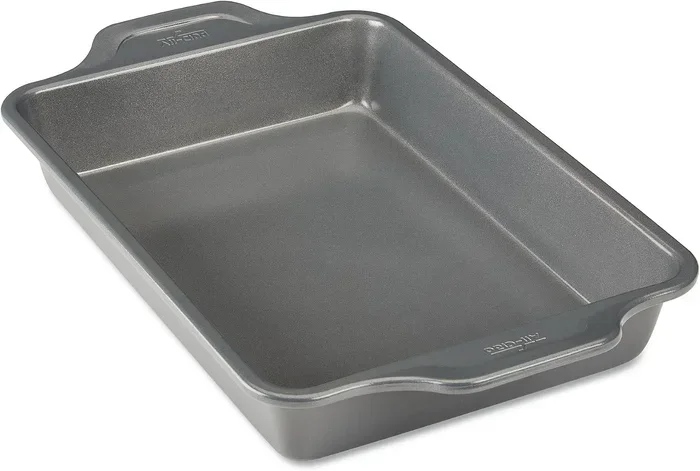
After searing, transfer the roast to a rack set inside a roasting pan. The rack allows hot air to circulate underneath, promoting even cooking. If you do not have a rack, you can use chopped vegetables like onions and carrots as a bed for the roast. They also add flavor to the drippings you will use for gravy.
Step 3: Insert a Meat Thermometer
This is the single most important tool for roasting. A meat thermometer takes the guesswork out of cooking and ensures your roast reaches the exact level of doneness you want. Insert the probe into the thickest part of the roast, avoiding bone and fat pockets. Check the temperature about 30 minutes before you expect the roast to be done.
Step 4: Cook and Monitor
Place the roast in the preheated oven and cook according to your timeline. For a 6 lb roast at 325°F, plan for about 3 to 3.5 hours. Resist the urge to open the oven door too frequently. Every time you open the door, heat escapes, and your cook time can increase. Check the temperature only when you are close to the expected finish time.
Step 5: Rest the Roast
Once your roast reaches the target internal temperature roast, pull it out of the oven and let it rest. Resting time roast should be at least 15 to 20 minutes for a 6 lb cut. During this time, the juices inside the meat relax and redistribute. If you slice too early, those juices run out onto the cutting board instead of staying in the meat.
Tent the roast loosely with aluminum foil during resting. This keeps it warm without trapping too much steam, which could soften the crust you worked so hard to build. The carryover beef roast carryover cooking will raise the internal temperature by another 5 to 10 degrees, so pull the roast out a few degrees below your target.
Choosing The Right Cut Of Beef For Your Roast
Not all beef cuts are created equal when it comes to oven roasting. The cut you choose affects both the cook time and the final texture. Here are the most popular options for a 6 lb roast and what you can expect from each.
Chuck Roast
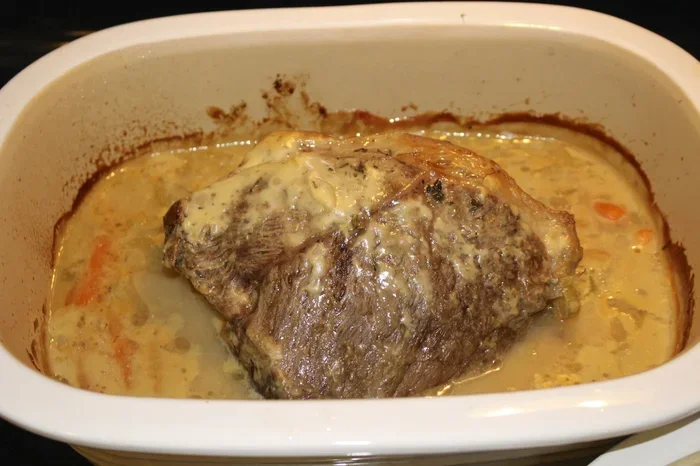
The chuck roast oven method is one of the most popular approaches for home cooks. Chuck comes from the shoulder area and has great marbling and connective tissue. It is an affordable cut that becomes incredibly tender when cooked low and slow. Plan for about 3.5 to 4 hours at 325°F for a chuck roast of this size.
Chuck roast is ideal for pot roast-style dishes. After cooking, you can shred it for sandwiches or serve it in slices with gravy. It responds well to braising liquid, so some cooks add broth, wine, or tomato sauce to the bottom of the pan before roasting.
Rump Roast
The rump roast comes from the hindquarters and is a leaner cut. It has a firm texture that benefits from longer cooking times. A 6 lb rump roast at 325°F will need about 3.5 to 4 hours to reach a tender result. Because it is leaner, it can dry out more easily, so be sure not to overcook it.
Rump roast is excellent for slicing and serving with a pan sauce. It has a more robust beef flavor than some other cuts, which makes it a favorite for Sunday dinners and holiday meals.
Brisket
Brisket is a larger, fattier cut that can work well as a 6 lb roast. It requires longer cooking times due to the high amount of connective tissue. Plan for 4 to 5 hours at 325°F, or even longer at lower temperatures. The result is a rich, flavorful roast with a deep beef taste.
Brisket is the star of Texas-style barbecue, but cooking it in the oven is a perfectly valid and delicious alternative. The slow rendering of fat keeps the meat moist and creates a beautiful, melt-in-your-mouth texture.
Prime Rib
Prime rib is the premium option and a showstopper for special occasions. A 6 lb bone-in prime rib takes about 3 to 3.5 hours at 325°F for a roast beef doneness of medium-rare. Prime rib has generous marbling that bastes the meat from within, so it naturally stays juicy. This cut does not need much seasoning beyond salt, pepper, and garlic.
The cook time for prime rib is shorter per pound because of the high fat content, which insulates the meat and speeds up the cooking process. Many cooks prefer a high-heat start (450°F for 15 minutes) followed by a lower temperature to finish. This technique creates an impressive crust while keeping the interior perfectly pink.
Common Mistakes To Avoid When Roasting Beef
Even experienced cooks can fall into habits that hurt their roast. Knowing what not to do is just as important as knowing what to do. Here are the most common mistakes and how to avoid them.
Skipping the Rest Period
This is the number one mistake people make. Cutting into a roast immediately after taking it out of the oven releases all those precious juices onto the cutting board. Your roast will be drier and less flavorful as a result. Always give your roast a full 15 to 20 minutes of resting time roast before slicing.
Cooking at Too High a Temperature
It is tempting to crank up the heat to speed things along. But a temperature above 375°F for a 6 lb roast risks burning the outside before the inside is done. The outer layers become tough and dry while the center may still be undercooked. Stick to 325°F or lower for the most reliable results.
Not Seasoning Early Enough
Adding salt right before cooking does not give it enough time to penetrate the meat. The salt needs time to break down the surface proteins and draw out moisture, which then gets reabsorbed along with the seasoning. Seasoning your roast at least an hour before cooking, or ideally overnight, makes a noticeable difference in flavor.
Ignoring the Meat Thermometer
Relying on time alone is a gamble. Ovens vary, roasts vary in shape and density, and starting temperatures differ. A beef roast thermometer is the only reliable way to know when your roast is done. Invest in a good instant-read thermometer or a leave-in probe thermometer for the most accurate readings.
Opening the Oven Door Too Often
Every time you open the oven door, you lose heat and extend your beef roast cooking time. It also causes temperature fluctuations that can lead to uneven cooking. Trust your thermometer and resist the urge to peek. If you need to check on the roast, do it quickly and close the door right away.
Pro Tips For The Juiciest Roast Every Time
Getting a juicy roast consistently comes down to a handful of proven techniques. These juicy roast tips are simple but powerful, and they can transform your next roast from ordinary to extraordinary.
- Dry brine your roast: Salt the roast generously and let it sit uncovered in the fridge for 12 to 24 hours. This draws out moisture, which gets reabsorbed along with the salt, seasoning the meat deeply and improving texture.
- Use a rack in your roasting pan: Elevating the roast allows air to flow underneath, promoting even browning and preventing the bottom from sitting in liquid and becoming soggy.
- Add liquid to the pan: Pour a cup of beef broth, wine, or water into the bottom of the roasting pan. This creates steam that keeps the oven environment moist and helps prevent the roast from drying out.
- Baste halfway through cooking: Spoon the pan juices over the roast about halfway through the cook time. This adds flavor and helps the surface stay moist.
- Let the roast come to room temperature: Taking the roast out of the fridge 30 to 45 minutes before cooking reduces the temperature gap between the meat and the oven, leading to more even cooking.
- Use a probe thermometer: A leave-in probe thermometer lets you monitor the internal temperature without opening the oven door. You can set an alarm and relax until the roast is ready.
- Slice against the grain: When it is time to serve, always cut across the muscle fibers. This shortens the fibers and makes each slice more tender and easier to chew.
Another helpful trick is to make a quick pan gravy while the roast is resting. Pour off most of the fat from the roasting pan, add a cup of beef broth, and scrape up the browned bits from the bottom. Simmer for a few minutes, strain, and you have a flavorful gravy that pairs perfectly with any roast. It is one of the easiest ways to elevate your entire meal.
How to Tell When Your Roast Is Done
Knowing when to pull your roast out of the oven is a skill that improves with practice. The most reliable method is always the meat thermometer. Here are the target internal temperature roast readings for different levels of doneness:
- Rare: 120°F to 125°F. The center will be bright red and very soft.
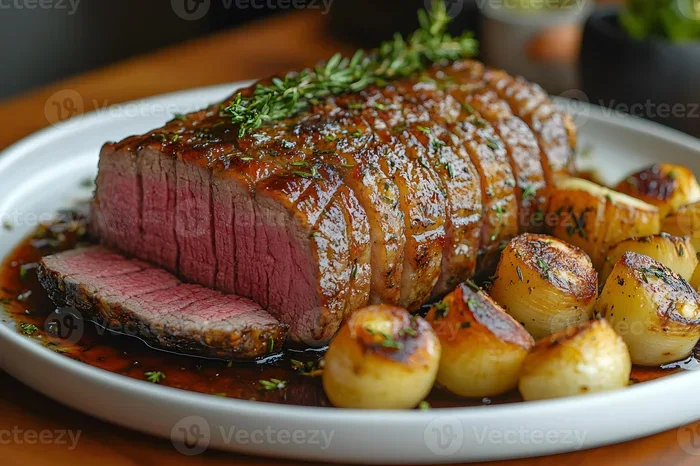
- Medium-Rare: 130°F to 135°F. This is the most popular doneness level for beef roast. The center is warm and red with a firm texture.
- Medium: 140°F to 145°F. The center is pink and cooked through, with a slightly firmer bite.
- Medium-Well: 150°F to 155°F. Very little pink remains, and the meat is mostly gray-brown throughout.
- Well Done: 160°F and above. The roast is cooked through with no pink remaining. This is the safest option but can be less juicy.
Remember beef roast carryover cooking. The internal temperature will rise 5 to 10 degrees after you remove the roast from the oven. So if you want medium-rare at 135°F, pull the roast out at around 125°F to 130°F and let it rest. This simple adjustment prevents overcooking and keeps your roast juicy.
The fork tender roast test is another useful check. After resting, insert a fork into the thickest part of the roast and twist gently. If the meat pulls apart easily and the fork slides in with no resistance, your roast is done. If it feels firm or tight, it needs more time. This method works especially well for chuck roast and other tougher cuts that benefit from longer cooking.
Conclusion
Cooking a 6 lb roast in oven is one of the most rewarding things you can do in the kitchen. With the right timing, temperature, and a few simple techniques, you can serve a roast that is juicy, tender, and full of flavor. The key takeaways are straightforward: plan for 3 to 4 hours at 325°F, use a meat thermometer, let your roast rest, and choose a cut that suits your schedule and taste.
How long to cook 6 lb roast in oven really comes down to understanding your tools and trusting the process. Whether you prefer the classic 325°F approach or the hands-off low and slow cooking method at 275°F, the results will be delicious as long as you follow the basics. Avoid the common pitfalls, embrace the tips shared here, and you will be well on your way to roasting beef like a pro.
So the next time you are planning a family dinner or a holiday feast, remember these guidelines. Your roast does not have to be complicated to be outstanding. A little preparation, a meat thermometer, and a bit of patience are all you need. Enjoy the process, savor the aromas filling your kitchen, and get ready to receive compliments at the table.
Frequently Asked Questions
How long does it take to cook a 6 lb roast at 350 degrees?
At 350°F, a 6 lb roast typically takes about 2.5 to 3 hours. The higher temperature speeds up the cook time, but you need to watch the roast carefully to avoid drying it out. Using a meat thermometer helps you catch the perfect moment to pull it from the oven.
What is the best temperature to cook a 6 lb roast?
325°F is widely considered the best oven temperature for roast for a 6 lb cut. It provides even cooking, a nice brown crust, and a juicy interior. For tougher cuts like chuck roast, lowering the temperature to 275°F and cooking longer produces incredibly tender results.
Should I cover my roast with foil while cooking?
Most cooks do not cover a roast during the main cooking phase. Leaving it uncovered allows the heat to circulate evenly and promotes browning. You can tent it loosely with foil during the resting period to keep it warm while the juices redistribute.
How do I know if my roast is done without a thermometer?
The fork tender test is the best alternative. Insert a fork into the thickest part and twist. If the meat pulls apart easily and the fork slides in with little resistance, the roast is done. You can also press the center with your finger. A medium-rare roast will feel soft and springy, while a well-done roast will feel firm.
Can I cook a 6 lb roast in a convection oven?
Yes, convection ovens work great for roasting. Reduce the temperature by about 25°F compared to a conventional oven setting. So if a recipe calls for 325°F, set your convection oven to 300°F. Check the roast about 20 to 30 minutes earlier than the standard cook time, as convection ovens cook faster.
How long should I let my roast rest before slicing?
A 6 lb roast should rest for at least 15 to 20 minutes before you slice it. This resting period allows the juices to redistribute throughout the meat, resulting in a more flavorful and moist slice. Tent the roast loosely with aluminum foil to keep it warm during this time.