Is Ceramic Bowl Oven Safe Heres What You Should Know
Yes, many ceramic bowls are oven safe, but not all of them. The answer depends on the type of ceramic, the glaze, and the temperature. Knowing the basics helps you avoid cracks, chips, and dangerous kitchen accidents. This guide covers everything you need to know about using a ceramic bowl in the oven with confidence.
You are standing in your kitchen. You just made a delicious casserole. Now you want to bake it in the oven. But the only bowl you have is a ceramic one. So you pause and wonder, is ceramic bowl oven safe? This is a really common question. Many people use ceramic bowls every day. But putting them in the oven is a different story. The wrong move can lead to cracks. It can even cause a mess in your oven. This guide will walk you through everything. You will learn what makes a ceramic bowl safe for the oven. You will also learn how to avoid common mistakes. By the end, you will feel confident about your next baking session.
The short answer is yes. Most ceramic bowls can go in the oven. But there are important exceptions. Some ceramics are not designed for high heat. The type of ceramic matters a lot. So does the glaze. And how you handle the bowl during cooking matters too. Let us dive into the details. You will find this information very helpful for everyday cooking.
Key Takeaways
- Not all ceramic bowls are oven safe: Check the label or manufacturer guidelines before placing any bowl in a hot oven.
- Thermal shock is the biggest risk: Sudden temperature changes can crack or shatter ceramic bowls.
- Glazed and kiln-fired ceramics handle heat better: Look for bowls labeled as heat resistant or oven proof.
- Always preheat gradually: Let the bowl warm up slowly to avoid damage.
- Hand wash most ceramic bowls: Dishwashers and harsh detergents can weaken the glaze over time.
- Lead-free ceramic is safer for food use: Especially important when heating food in the oven.
📑 Table of Contents
- What Makes a Ceramic Bowl Oven Safe
- Risks of Using Ceramic Bowls in the Oven
- How to Tell if Your Ceramic Bowl Is Oven Safe
- Tips for Using Ceramic Bowls in the Oven Safely
- Common Mistakes People Make with Ceramic Bowls in the Oven
- Comparing Ceramic Bowls with Other Oven Safe Materials
- Can You Use a Ceramic Mug in the Oven
- Best Ceramic Bakeware Options for Your Oven
- Expert Insights on Ceramic Bowl Oven Safety
- Conclusion
What Makes a Ceramic Bowl Oven Safe
Not all ceramics are created equal. Some are built to handle high temperatures. Others are not. Understanding what makes a bowl oven safe is the first step. It helps you make smart choices in the kitchen.
Types of Ceramic Materials
There are several types of ceramic materials. Each one behaves differently in the oven. Here are the most common ones you will encounter:
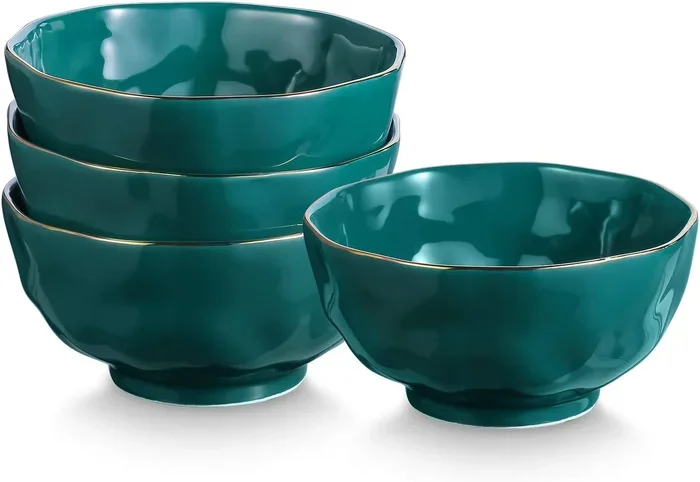
- Stoneware: This is one of the best options for oven use. Stoneware is fired at very high temperatures. It is dense and strong. It handles heat very well.
- Porcelain: Porcelain is also kiln fired. It is thin but durable. Most porcelain bowls are oven safe up to high temperatures.
- Earthenware: This type is more porous. It is not always oven safe. It can crack under high heat. Be careful with earthenware.
- Terracotta: Terracotta bowls are often oven safe. They are made from natural clay. But they need slow heating to avoid cracking.
- Bone China: This is a delicate type of ceramic. Not all bone china bowls are oven safe. Check the label first.
Each type has its own heat limits. Stoneware and porcelain are the safest bets. They are designed for cooking and baking. Earthenware needs more care. Always check the bottom of the bowl for labels. Look for words like oven safe or heat resistant.
The Role of Glaze in Oven Safety
The glaze on a ceramic bowl plays a big role. Glaze is the smooth coating on the surface. It seals the ceramic and makes it waterproof. But not all glazes handle heat the same way. A good quality glaze can withstand oven temperatures. A cheap or damaged glaze may not. Here is what to look for:
- Food safe glaze: This means the glaze is free from harmful chemicals. It is safe for heating food.
- Lead free ceramic: Lead free glazes are much safer. They do not release toxins when heated.
- Cracked or chipped glaze: Never put a bowl with damaged glaze in the oven. It can worsen the damage.
- Uniform glaze: A smooth even coating handles heat better than a rough or patchy one.
The glaze acts as a protective layer. It protects the ceramic from moisture and heat. If the glaze is weak, the bowl may fail in the oven. Always inspect the glaze before using the bowl for baking.
Oven Temperature Limits for Ceramic Bowls
Every ceramic bowl has a heat limit. This limit is called the thermal tolerance. Going over this limit can cause the bowl to crack. Here are some general guidelines:
- Standard ceramic bowls: Usually safe up to 350°F (175°C).
- High quality stoneware: Can handle up to 450°F (230°C) or more.
- Porcelain bakeware: Often rated for 500°F (260°C) and above.
- Handmade ceramics: Varies widely. Check with the maker if possible.
The key is to know your bowl. If there is no label, do not guess. Use the bowl only for serving or cold foods. When in doubt, keep the temperature low. A safe approach is to stay under 350°F. This works for most ceramic bowls.
Risks of Using Ceramic Bowls in the Oven
Using a ceramic bowl in the oven is not without risks. Understanding these risks helps you avoid accidents. Most problems come from a few common causes.
Thermal Shock and Cracking
Thermal shock is the biggest enemy of ceramic bowls. It happens when the bowl faces a sudden temperature change. For example, taking a cold bowl from the fridge and putting it straight into a hot oven. The outside of the bowl expands fast. The inside expands more slowly. This creates stress. The stress leads to cracks. Sometimes the bowl shatters right away. Other times, small cracks develop over time. These hidden cracks can cause the bowl to break later. To avoid thermal shock:
- Let the bowl come to room temperature first.
- Place it in the oven before preheating.
- Avoid moving it between extreme temperatures.
- Use oven mitts to handle hot bowls.
Slow and steady wins the race when it comes to ceramic and heat. Never rush the process.
Glaze Damage and Chemical Leaching
A damaged glaze can be more than just a cosmetic issue. Cracks in the glaze can allow moisture to seep in. When the bowl heats up, this moisture turns to steam. Steam builds up inside the ceramic. This can cause the bowl to crack or even explode. In some cases, old glazes may contain harmful materials. When heated, these materials can leach into your food. This is why lead free ceramic is so important. Always use bowls with a safe, food grade glaze for oven cooking.
Uneven Heating Problems
Ceramic does not always heat evenly. Thick bowls may have hot spots. Thin bowls may heat too fast on one side. Uneven heating can cause the bowl to warp or crack. It can also affect how your food cooks. To deal with this issue:
- Choose bowls with even thickness.
- Place the bowl in the center of the oven.
- Avoid overcrowding the oven.
- Use a baking stone or sheet underneath for even heat distribution.
These small steps make a big difference. They help your ceramic bowl last longer. They also improve your cooking results.
How to Tell if Your Ceramic Bowl Is Oven Safe
Figuring out if your bowl is oven safe is not hard. But you do need to check a few things. Here is a simple step by step guide:
- Check the bottom of the bowl: Look for labels or markings. Many manufacturers print oven safe symbols on the base.
- Read the care instructions: The box or tag that came with the bowl often has heat guidelines.
- Look for the material type: Stoneware and porcelain are usually safe. Earthenware and decorative ceramics may not be.
- Inspect the glaze: Make sure the glaze is smooth and intact. No chips or cracks should be present.
- Contact the manufacturer: If you are unsure, reach out to the maker. They can confirm if the bowl is oven safe.
Do not rely on assumptions. A pretty ceramic bowl may look like it can handle heat. But it might be a decorative piece only. Always verify before using it in the oven. This small habit keeps you safe and saves your bowl from damage.
Tips for Using Ceramic Bowls in the Oven Safely
Once you know your bowl is oven safe, follow these tips. They will help you get the best results. They will also keep your bowl in great shape for years.
Preheat the Oven with the Bowl Inside
One of the best tips is to place the bowl in the oven before preheating. This lets the bowl warm up slowly. It reduces the risk of thermal shock. The bowl and the oven reach the target temperature together. This is much safer than adding a cold bowl to a hot oven.
Avoid Direct Heat Sources
Ceramic bowls are not designed for stovetop use. Do not place them directly on a burner. The direct flame or electric coil can cause uneven heating. This leads to cracking. Always use the oven for baking with ceramic. The indirect heat is much gentler and safer.
Use Oven Mitts Every Time
This may sound obvious. But many people grab hot ceramic bowls with bare hands. Ceramic retains heat very well. A hot bowl can cause serious burns. Always use thick oven mitts or a dry kitchen towel. Set the bowl on a heat resistant surface when you take it out.
Let the Bowl Cool Naturally
After taking the bowl out of the oven, let it cool on a rack. Do not place it on a cold surface. Do not run cold water over it. Rapid cooling can cause cracks. Patience is your best friend here. Let the bowl return to room temperature on its own.
Hand Wash for Longevity
Most ceramic bowls should be hand washed. Dishwashers use harsh detergents and high heat. Over time, this can weaken the glaze. It can also fade decorative patterns. Use warm water and mild soap. Dry the bowl with a soft cloth. This simple habit extends the life of your ceramic dishware.
Common Mistakes People Make with Ceramic Bowls in the Oven
Even experienced cooks make mistakes. Knowing the common errors helps you avoid them. Here are the ones to watch out for:
- Using a decorative bowl for baking: Decorative bowls are often not designed for heat. They may have painted designs that are not food safe.
- Skipping the temperature check: Always verify the oven temperature against the bowl’s limit. Going too high is a recipe for disaster.
- Placing a frozen bowl in the oven: Never do this. The temperature difference is too extreme. Let it thaw first.
- Overfilling the bowl: Leave room for food to expand. Overfilling can cause spills and uneven heating.
- Ignoring small cracks: A tiny crack can grow in the oven. Replace the bowl if you see any damage.
- Using the wrong bakeware substitute: A ceramic bowl is not always a replacement for proper ceramic bakeware. Check the design and purpose.
These mistakes are easy to avoid. A little awareness goes a long way. Your ceramic bowls will thank you for it.
Comparing Ceramic Bowls with Other Oven Safe Materials
Curious how ceramic stacks up against other materials? Here is a quick comparison. It helps you choose the right bowl for your needs.
| Material | Oven Safe | Heat Resistance | Ease of Use |
|---|---|---|---|
| Ceramic | Yes (most types) | Up to 450°F depending on type | Good, but needs care |
| Glass (Pyrex) | Yes | Up to 450°F | Very easy, but can shatter |
| Metal (Stainless Steel) | Yes | Very high heat tolerant | Durable but gets hot fast |
| Silicone | Yes | Up to 450°F to 500°F | Flexible and lightweight |
| Cast Iron | Yes | Very high heat tolerant | Heavy but excellent heat retention |
Ceramic bowls offer a great balance of beauty and function. They look elegant on the table. They also perform well in the oven. Compared to glass, ceramic heats more evenly. Compared to metal, ceramic feels nicer when serving. The trade off is that ceramic needs more careful handling. It is not as tough as cast iron or stainless steel. But with proper care, a good ceramic bowl lasts for years.
Can You Use a Ceramic Mug in the Oven
This is a common follow up question. Most ceramic mugs are not oven safe. They are designed for hot beverages, not baking. The thin walls of a mug are more prone to cracking. The glaze on mugs is often decorative, not functional for oven use. If you want to warm up a drink, use the microwave instead. But even then, check if the mug is microwave safe first. A general rule is to keep decorative mugs out of the oven entirely.
Best Ceramic Bakeware Options for Your Oven
If you love cooking with ceramic, consider investing in proper ceramic bakeware. These products are designed specifically for oven use. They come in many shapes and sizes. Some popular options include:
- Ceramic baking dishes: Great for casseroles and gratins. They retain heat well and serve beautifully at the table.
- Ceramic ramekins: Perfect for individual souffles and custards. They handle high oven temperatures well.
- Ceramic pizza stones: These help create a crispy crust. They are made from dense, heat resistant ceramic.
- Ceramic loaf pans: Great for baking bread and quick loaves. They provide even heat distribution.
When shopping for ceramic bakeware, look for oven safe labels. Choose pieces that are lead free and food safe. Investing in quality ceramic bakeware pays off. It gives you consistent results and lasts for many years.
Expert Insights on Ceramic Bowl Oven Safety
Professional chefs and ceramic experts agree on a few key points. First, always read the manufacturer guidelines. No two ceramic bowls are exactly the same. Second, slow heating is the golden rule. Let the bowl warm up gradually. Third, never assume a bowl is oven safe just because it looks like one. Decorative ceramics and cooking ceramics are very different. Fourth, proper care extends the life of your bowls. Hand washing and gentle handling go a long way. These expert tips help you use ceramic bowls safely and confidently every day.
Conclusion
So, is ceramic bowl oven safe? The answer is yes, in most cases. But it depends on the type of ceramic, the quality of the glaze, and the temperature. Stoneware and porcelain bowls are generally the best choices for oven use. Always check for oven safe labels. Avoid sudden temperature changes to prevent thermal shock. Treat your ceramic bowls with care, and they will serve you well for many years. Follow the tips in this guide. You will bake with confidence. You will keep your ceramic dishes looking great. And most importantly, you will keep your kitchen safe. Start using your ceramic bowls in the oven with confidence today.
Frequently Asked Questions
Can all ceramic bowls go in the oven?
No, not all ceramic bowls are oven safe. Decorative bowls and some handmade pieces may not handle heat well. Always check the manufacturer label before placing a ceramic bowl in the oven.
What temperature can a ceramic bowl handle in the oven?
Most standard ceramic bowls are safe up to 350°F. High quality stoneware and porcelain can handle up to 450°F or more. Always check the specific temperature rating for your bowl.
Can a ceramic bowl explode in the oven?
Yes, but it is rare. Thermal shock from sudden temperature changes is the main cause. To prevent this, let the bowl warm up slowly and never place a cold bowl in a hot oven.
Is it safe to put a ceramic bowl in the oven if it has a chip?
No, it is not safe. Chips and cracks weaken the structure of the bowl. They can worsen when exposed to heat. Replace any bowl with visible damage before using it in the oven.
Can you put a ceramic bowl from the fridge directly into the oven?
No, this is one of the worst things you can do. The sudden temperature change causes thermal shock. Let the bowl sit at room temperature for at least 15 to 20 minutes first.
How do you clean a ceramic bowl used in the oven?
Let the bowl cool completely before washing. Hand wash it with warm water and mild soap. Avoid harsh detergents and abrasive scrubbers. Dry with a soft cloth to keep the glaze looking great.