How To Bake Rabbit In The Oven For Delicious Results
Baking rabbit in the oven is simple, healthy, and incredibly delicious when you know the right steps. This guide covers everything from preparation and seasoning to timing and temperature for perfect results. You will learn how to make tender, flavorful rabbit that the whole family will love. Whether you are new to cooking game meat or looking for better methods, this article has you covered. Follow along for easy, mouthwatering rabbit dishes you can make at home.
Key Takeaways
- Oven-baked rabbit is healthy and lean: Rabbit meat is low in fat and high in protein, making it a great choice for a nutritious meal.
- Proper seasoning makes all the difference: Using the right herbs and spices brings out the best flavor in rabbit meat.
- Temperature and timing are crucial: Baking at the right oven temperature ensures tender, juicy results every time.
- Marinating rabbit enhances moisture: A good marinade keeps the meat from drying out during baking.
- Resting the rabbit after baking matters: Letting the meat rest helps juices redistribute for a better texture.
- Game meat pairs well with many sides: Roasted vegetables, potatoes, and fresh bread complement rabbit perfectly.
- You can use different rabbit cuts: Rabbit legs, loins, and whole rabbit all work well in the oven with slight adjustments.
📑 Table of Contents
- How To Bake Rabbit In The Oven For Delicious Results
- Why Bake Rabbit In The Oven?
- Choosing the Right Rabbit for Baking
- Seasoning and Marinades for Oven-Baked Rabbit
- Oven Temperature and Cooking Time for Rabbit
- Step-by-Step Guide to Baking Rabbit In The Oven
- Serving and Pairing Suggestions
- Common Mistakes to Avoid When Baking Rabbit
- Frequently Asked Questions About Baking Rabbit
- Conclusion
How To Bake Rabbit In The Oven For Delicious Results
Rabbit meat is one of the most underrated proteins out there. It is lean, tender, and full of flavor when cooked right. If you have never tried oven-baked rabbit before, you are missing out on a truly special meal. Baking rabbit in the oven is one of the easiest and most reliable ways to cook this delicious game meat. In this guide, we walk you through every step so you can achieve tender, juicy rabbit with a beautiful golden finish.
Whether you are cooking a whole rabbit, rabbit legs, or rabbit loin, the oven method works beautifully. The key is knowing the right rabbit cooking temperature, timing, and seasoning. We will cover all of that and more. By the end of this article, you will feel confident enough to bake rabbit in the oven like a pro. Let us get started!
Why Bake Rabbit In The Oven?
There are many ways to cook rabbit, but baking in the oven offers some real advantages. It is hands-off, easy to control, and produces consistent results. Here is why oven-baked rabbit is such a great choice:
- Even cooking: The oven surrounds the meat with steady heat, so it cooks evenly from all sides.
- Minimal effort: You prepare the rabbit, pop it in the oven, and let it do the work.
- Moisture retention: When you use the right temperature and a good marinade, the meat stays juicy.
- Easy to scale: Whether you are cooking for two or eight people, the oven method adapts easily.
- Versatile flavors: You can experiment with different seasonings and marinades for endless variety.
Compared to stovetop cooking or grilling, baking gives you more control over the final result. You do not need to flip or monitor the meat constantly. This makes it ideal for beginners and busy cooks alike. If you want a reliable rabbit recipe that delivers every time, the oven is your best friend.
Health Benefits of Rabbit Meat
Rabbit is one of the healthiest meats you can eat. It is extremely lean, with much less fat than beef, pork, or even chicken. A serving of baked rabbit provides a good amount of protein while keeping calories low. It is also a great source of B vitamins and minerals like iron and phosphorus. If you are looking for a heart-healthy protein option, baking rabbit meat in the oven is a fantastic choice.
Choosing the Right Rabbit for Baking
Not all rabbit is the same, and choosing the right cut or whole rabbit makes a big difference in your final dish. Here is what you need to know when selecting rabbit for the oven:
- Whole rabbit: This is the classic choice for oven baking. It looks impressive and cooks evenly when properly prepared.
- Rabbit legs: The legs are the meatiest part and very forgiving when baked. They stay tender even if you slightly overcook them.
- Rabbit loin or saddle: This is the leanest cut and cooks faster. It is best for smaller portions and more refined dishes.
- Wild rabbit vs. farm-raised: Wild rabbit has a slightly stronger flavor and leaner meat. Farm-raised rabbit is milder and more tender. Both work well in the oven.
When buying rabbit, look for meat that is pale pink and firm. Avoid any rabbit that smells off or has a slimy texture. Fresh rabbit will always give you the best results for your oven-baked rabbit recipe. If you are using frozen rabbit, make sure to thaw it completely in the refrigerator before cooking.
Preparing Rabbit for the Oven
Proper preparation is the foundation of great baked rabbit. Take your time with this step because it sets the stage for everything that follows. Start by rinsing the rabbit pieces under cold water and patting them dry with paper towels. This removes any excess moisture and helps the seasoning stick better.
Next, trim away any excess fat or silverskin. Rabbit is naturally lean, but removing anything that does not belong helps the meat cook more evenly. If you are using a whole rabbit, consider tying the legs together with kitchen twine. This keeps the shape uniform and promotes even rabbit cooking time throughout.
Seasoning and Marinades for Oven-Baked Rabbit
The seasoning is where your rabbit recipe truly comes to life. Rabbit has a mild flavor that absorbs marinades and spices beautifully. A well-seasoned rabbit will be tender, aromatic, and full of depth. Here are some ideas to get you started:
- Classic herb rub: Combine rosemary, thyme, garlic, salt, and black pepper. Rub this mixture all over the rabbit before baking.
- Mediterranean style: Use olive oil, lemon juice, oregano, and a pinch of red pepper flakes. This adds brightness and a subtle kick.
- Sweet and savory: Mix honey, mustard, and sage for a glaze that caramelizes beautifully in the oven.
- Asian-inspired: Soy sauce, ginger, garlic, and a touch of sesame oil create a bold and aromatic flavor profile.
For the best results, apply your seasoning at least 30 minutes before baking. If you have time, marinate the rabbit overnight in the refrigerator. This allows the flavors to penetrate deep into the meat. A good rabbit marinade also helps keep the meat moist during the longer baking process.
Quick Tips for Perfect Seasoning
- Do not be shy with salt. It brings out the natural flavor of the rabbit meat.
- Let the rabbit come to room temperature before baking for more even cooking.
- Use fresh herbs whenever possible. They have a stronger and more vibrant flavor than dried herbs.
- Brush the rabbit with a little oil before applying dry rubs. This helps the seasoning adhere and creates a nice crust.
Oven Temperature and Cooking Time for Rabbit
This is the most important part of how to bake rabbit in the oven. Getting the temperature and timing right ensures your rabbit turns out tender and juicy rather than dry and tough. Here is what you need to know:
| Rabbit Cut | Oven Temperature | Cooking Time | Internal Temp |
|---|---|---|---|
| Whole rabbit | 350°F (175°C) | 1 hour to 1 hour 20 minutes | 160°F (71°C) |
| Rabbit legs | 375°F (190°C) | 45 minutes to 1 hour | 160°F (71°C) |
| Rabbit loin | 400°F (200°C) | 25 to 35 minutes | 145°F (63°C) |
| Rabbit stew pieces | 350°F (175°C) | 1 hour to 1 hour 30 minutes | 160°F (71°C) |
Always use a meat thermometer to check the internal temperature. Rabbit is safe to eat when it reaches 160°F (71°C) for most cuts. The loin can be slightly lower at 145°F (63°C) since it is a smaller, more tender cut. Letting the rabbit rest after removing it from the oven will raise the temperature a few more degrees through carryover cooking.
Common Mistakes With Rabbit Cooking Temperature
- Cooking too hot: High heat can dry out rabbit quickly because of the low fat content. Stick to moderate temperatures.
- Undercooking: Undercooked rabbit is not safe to eat. Always verify the internal temperature with a thermometer.
- Overcooking: This is the most common mistake. Rabbit meat dries out fast once it passes the ideal temperature. Watch it closely.
- Skipping the rest: Cutting into the rabbit right away releases juices and makes the meat less tender.
Step-by-Step Guide to Baking Rabbit In The Oven
Now that you know the basics, here is a simple step-by-step guide to baking rabbit in the oven. This method works for rabbit legs or a whole rabbit and delivers consistently delicious results.
- Preheat your oven: Set the oven to 375°F (190°C). Let it fully heat up before putting the rabbit inside.
- Prepare the rabbit: Rinse and pat dry. Remove any excess fat or silverskin. Tie the legs together if using a whole rabbit.
- Season generously: Apply your chosen rub or marinade. Make sure every surface is covered for maximum flavor.
- Place in a baking dish: Use a roasting pan or deep baking dish. Add a cup of water or broth to the bottom to create steam and prevent drying.
- Cover with foil: Tent the rabbit with aluminum foil. This traps moisture and helps the meat stay tender during the early stages of baking.
- Bake for 45 minutes: After 45 minutes, remove the foil and check the internal temperature. Continue baking uncovered if more time is needed.
- Check for doneness: The rabbit is done when it reaches 160°F (71°C) internally and the skin is golden and crispy.
- Rest and serve: Let the rabbit rest for 10 minutes before cutting. This allows the juices to redistribute for a tender bite.
Following these steps will give you tender, juicy rabbit with a beautifully caramelized exterior. The combination of covered and uncovered baking keeps the meat moist while developing a lovely crust on the outside.
Expert Insights on Baking Rabbit
Experienced cooks recommend a few extra tricks that elevate oven-baked rabbit from good to great. First, always bring the rabbit to room temperature before it goes in the oven. Cold meat cooking in a hot oven leads to uneven results. Second, baste the rabbit halfway through baking. Spoon the pan juices over the meat to keep it moist and add extra flavor. Third, consider adding root vegetables like carrots, potatoes, and onions around the rabbit. They absorb the drippings and turn into a delicious side dish while the rabbit bakes.
Serving and Pairing Suggestions
Baked rabbit pairs wonderfully with a variety of sides. The mild, slightly gamey flavor of rabbit complements both rustic and elegant accompaniments. Here are some ideas for your rabbit dish ideas:
- Roasted root vegetables: Carrots, parsnips, and sweet potatoes roast beautifully alongside rabbit.
- Creamy mashed potatoes: The smooth texture of mashed potatoes balances the slightly lean rabbit meat perfectly.
- Fresh green salad: A light, crisp salad with a lemon vinaigrette cuts through the richness of the baked rabbit.
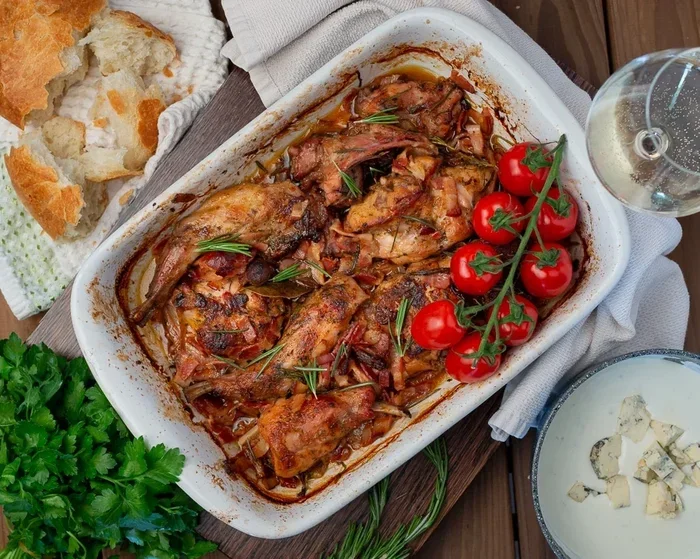
- Crusty bread: Use bread to soak up the pan juices. This is a favorite in many traditional rabbit recipes.
- Wild rice or quinoa: These grains add a nutty flavor and a pleasant texture that pairs well with game meat.
For a complete meal, serve the rabbit with a glass of white wine or a light beer. A crisp Sauvignon Blanc or a pale ale enhances the flavors without overpowering the delicate taste of the rabbit. Presentation matters too. A whole roasted rabbit on a platter with garnishes makes for a stunning centerpiece at any dinner table.
Common Mistakes to Avoid When Baking Rabbit
Even experienced cooks can run into trouble when baking rabbit for the first time. Here are the most common pitfalls and how to avoid them:
- Overcooking the meat: Rabbit has very little fat, so it dries out quickly once it passes the ideal temperature. Use a thermometer and pull the rabbit out as soon as it is done.
- Skipping the marinade: Marinating adds moisture and flavor. Skipping this step can result in bland, dry rabbit.
- Using too high a temperature: High heat sears the outside too fast while leaving the inside undercooked. Moderate temperatures work best for even rabbit preparation.
- Not letting the meat rest: Cutting into hot rabbit releases all the juices, leaving you with drier meat. Patience pays off here.
- Ignoring food safety: Always handle raw rabbit with clean hands and sanitize surfaces after contact. Cook rabbit to the recommended internal temperature of 160°F (71°C).
By being aware of these mistakes, you can avoid the most common issues and enjoy perfectly baked rabbit every single time. Remember, oven-baked rabbit is forgiving once you understand the basics. Even if something does not go perfectly, the flavor of well-seasoned rabbit meat is hard to beat.
Frequently Asked Questions About Baking Rabbit
How long does it take to bake rabbit in the oven?
Baking time depends on the cut and size of the rabbit. A whole rabbit typically takes 1 hour to 1 hour 20 minutes at 350°F. Rabbit legs take about 45 minutes to 1 hour at 375°F. Smaller cuts like rabbit loin cook in just 25 to 35 minutes. Always use a meat thermometer to confirm doneness at 160°F internally.
What temperature should rabbit be baked at?
The ideal oven temperature for rabbit ranges from 350°F to 400°F depending on the cut. Whole rabbits and larger pieces do best at 350°F to 375°F for even cooking. Loin cuts can handle higher temperatures around 400°F for a shorter time. Moderate heat keeps the lean meat moist and tender throughout.
Do you need to soak rabbit before baking?
Soaking is not always necessary, but it can help reduce the gamey flavor of wild rabbit. Soak the meat in salted water or a vinegar solution for a few hours or overnight. Farm-raised rabbit is milder and usually does not need soaking. If you prefer a stronger, more robust flavor, skip the soaking step entirely.
Can you bake frozen rabbit in the oven?
It is best to thaw rabbit completely before baking for even cooking and food safety. Thaw it in the refrigerator overnight. If you must cook from frozen, add extra time and use a meat thermometer to ensure the internal temperature reaches 160°F. Uneven cooking can occur if the rabbit is not fully thawed.
How do you keep rabbit moist when baking?
To keep rabbit meat moist, use a marinade or brine before baking. Cover the rabbit with foil for the first half of cooking to trap steam. Adding liquid like broth or water to the baking dish creates a humid environment. Basting the rabbit halfway through also helps retain moisture. Finally, do not overcook the meat, as this is the main cause of dryness.
What is the best seasoning for baked rabbit?
Classic herbs like rosemary, thyme, and sage pair beautifully with rabbit. Garlic, black pepper, and a touch of lemon juice add brightness. For something different, try a honey-mustard glaze or a Mediterranean blend with oregano and olive oil. The best rabbit seasoning is one that complements the mild, slightly sweet flavor of the meat without overpowering it.
Conclusion
Baking rabbit in the oven is one of the most rewarding cooking experiences you can have at home. It is simple, healthy, and produces stunning results with minimal effort. From choosing the right cut to nailing the seasoning and temperature, every step matters. When you follow the guidelines in this article, you will consistently create tender, flavorful rabbit that impresses everyone at the table.
Remember that oven-baked rabbit is forgiving and versatile. You can experiment with different marinades, spice blends, and side dishes to make the recipe your own. The lean, clean flavor of rabbit makes it a perfect canvas for creative cooking. Whether you are preparing a weeknight dinner or a special occasion meal, baked rabbit delivers every time.
Now that you know how to bake rabbit in the oven, it is time to put your knowledge into action. Gather your ingredients, preheat the oven, and enjoy the process of creating something truly delicious. Happy cooking!