What Types Of Pans Can Go In The Oven And Which Cannot
Not all pans are created equal when it comes to oven use. Knowing what types of pans can go in the oven saves you from costly mistakes and potential safety hazards. This guide covers oven-safe materials like cast iron, stainless steel, and ceramic, while also highlighting pans you should never risk in a hot oven.
Have you ever stared at a pan sitting on your stove and wondered whether it can handle the heat of an oven? Maybe you want to finish a steak in the oven or bake a casserole in the same dish you used on the stovetop. The truth is, not every pan can go in the oven. Some materials warp, some release harmful fumes, and some simply crack under high heat. Understanding what types of pans can go in the oven is one of the most important kitchen skills you can build.
This guide breaks down every common pan material so you always know what is safe. We will cover which pans are oven-safe, which ones to avoid, and how to check if your favorite cookware can handle the heat. By the end, you will feel confident putting the right pan in the oven every single time.
Whether you are a beginner cook or someone who has been in the kitchen for years, this information matters. Using the wrong pan in a hot oven can ruin your meal, damage your cookware, or even create a safety risk. Let us dive into the world of oven-safe cookware and make sure you never have to guess again.
Key Takeaways
- Cast iron and stainless steel pans are among the most reliable oven-safe options you can own.
- Non-stick pans with PTFE coatings should generally stay out of ovens above 500 degrees Fahrenheit.
- Glass and ceramic bakeware work well but require careful temperature changes to avoid cracking.
- Always check the manufacturer’s label for oven-safe temperature limits before placing any pan in the oven.
- Handles and lids matter too, not just the pan body, when deciding if cookware is oven-safe.
- Aluminum pans are safe for oven use but react with acidic foods at high temperatures.
- Silicone bakeware is flexible and heat-resistant, making it a versatile choice for oven baking.
📑 Table of Contents
- What Makes a Pan Oven-Safe?
- Pans That Are Safe for the Oven
- Pans You Should Never Put in the Oven
- How to Check If Your Pan Is Oven-Safe
- Temperature Limits and Material Guide
- Tips for Using Pans in the Oven
- Common Mistakes People Make with Oven-Safe Pans
- Expert Insights on Oven-Safe Cookware
- Conclusion
What Makes a Pan Oven-Safe?
The short answer is that a pan is oven-safe if it can handle high temperatures without warping, melting, or releasing toxic chemicals. But the reality is a bit more nuanced. Several factors determine whether a pan can safely go in the oven.
Material Composition
The material your pan is made from is the biggest factor. Metals like cast iron, stainless steel, and carbon steel can handle very high temperatures. They conduct heat well and hold up under extreme conditions. On the other hand, pans made from plastic, wood, or certain coated materials have limits. The coating or handle material might melt or release harmful fumes when exposed to oven heat.
Handle and Lid Construction
Many people forget to check the handles when asking what types of pans can go in the oven. A pan might have a great body, but if the handle is made of plastic or wood, it will not survive oven temperatures. Similarly, glass lids can crack under high heat. Always inspect the entire pan, not just the cooking surface, before putting it in the oven.
Temperature Ratings
Every oven-safe pan comes with a temperature rating. This number tells you the maximum heat the pan can handle. Some pans are rated for 350 degrees Fahrenheit, while others can go up to 500 degrees or more. Always match your pan’s rating to the temperature you plan to use. When in doubt, keep the temperature lower to stay safe.
Pans That Are Safe for the Oven
Now let us look at the pans you can confidently put in the oven. These materials have proven themselves over decades of kitchen use.
Cast Iron Skillets and Dutch Ovens
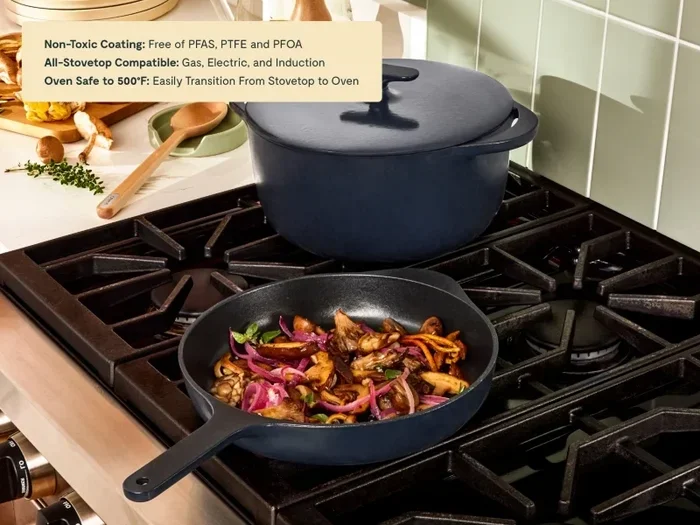
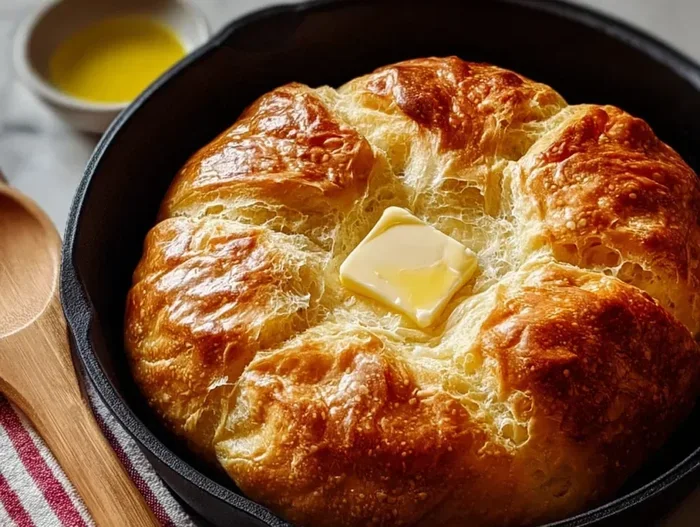
Cast iron is one of the best oven-safe materials you can find. A cast iron skillet can handle temperatures well above 500 degrees Fahrenheit. Many bakers use cast iron to make cornbread, deep-dish pizzas, and even baked desserts. The pan heats evenly and retains heat beautifully, making it perfect for oven finishing.
One thing to keep in mind is that cast iron is heavy. If you are baking something that requires moving the pan in and out of the oven frequently, you might want a lighter option. Also, always dry cast iron thoroughly after washing to prevent rust.
Stainless Steel Cookware
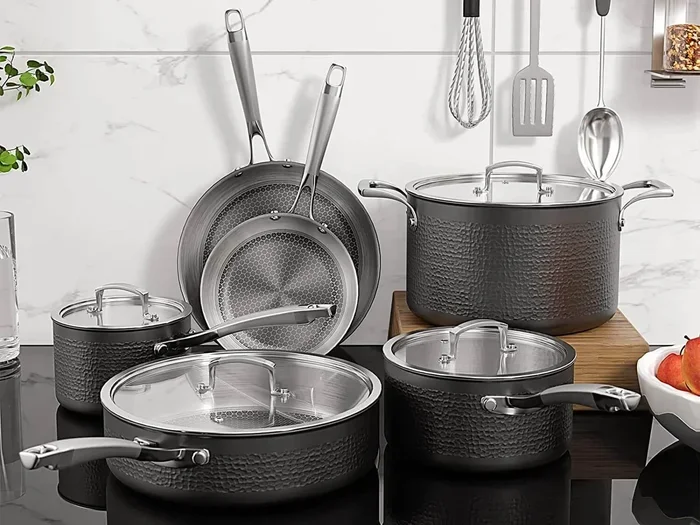
Stainless steel pans are generally oven-safe up to 500 degrees Fahrenheit. They are durable, non-reactive, and work well for both stovetop and oven cooking. Many stainless steel pans come with oven-safe handles and lids, making them a versatile choice for any kitchen.
However, not all stainless steel pans are created equal. Some have handles bonded with adhesives or wrapped in materials that cannot handle high heat. Always check the manufacturer’s guidelines before placing a stainless steel pan in the oven.
Carbon Steel Pans
Carbon steel pans are similar to cast iron in many ways. They are lightweight, heat up quickly, and can handle very high oven temperatures. Professional bakers and chefs use carbon steel pans for everything from searing to baking. These pans are especially popular for making oven-baked eggs, frittatas, and skillet cookies.
The main difference between carbon steel and cast iron is weight. Carbon steel is much lighter, which makes it easier to handle. It also heats up faster, which is great when you want to start cooking on the stovetop and finish in the oven.
Ceramic and Stoneware Bakeware
Ceramic and stoneware pans are beautiful and oven-safe for most baking tasks. They distribute heat evenly and look great when you serve food directly at the table. Ceramic baking dishes work wonderfully for casseroles, lasagnas, and baked desserts.
There is one important caveat with ceramic bakeware: thermal shock. This happens when you move a cold ceramic pan directly into a hot oven or place a hot pan on a cold surface. The sudden temperature change can cause the ceramic to crack or shatter. Always let ceramic pans come to room temperature before placing them in the oven, and never place a hot ceramic pan on a cold countertop.
Glass Baking Dishes
Glass bakeware like Pyrex is a staple in many kitchens. Glass baking dishes are oven-safe and work well for casseroles, baked pasta, and desserts. They are transparent, which lets you monitor the browning of your food without opening the oven door.
Just like ceramic, glass is susceptible to thermal shock. Never place a cold glass dish into a preheated oven. Instead, put the dish in the oven before turning it on, or let it sit at room temperature for a few minutes first. Also, avoid placing glass bakeware directly on a hot stove burner, as this can cause it to break.
Aluminum Pans
Standard aluminum pans are safe for oven use up to about 400 to 450 degrees Fahrenheit. They are lightweight, affordable, and conduct heat very well. Many people use disposable aluminum pans for roasting vegetables, baking lasagna, or cooking sheet pan meals.
One thing to watch out for is that aluminum reacts with acidic foods like tomatoes, lemon, and vinegar. This reaction can cause a metallic taste in your food and discolor the pan. If you are cooking acidic dishes, consider using stainless steel or enamel-coated aluminum instead.
Silicone Bakeware
Silicone pans and mats are becoming increasingly popular in home kitchens. High-quality silicone bakeware is oven-safe up to about 450 to 500 degrees Fahrenheit. It is flexible, lightweight, and easy to clean. Silicone muffin tins, baking mats, and cake pans all work well in the oven.
Make sure you are buying food-grade silicone from a reputable brand. Cheap silicone may contain fillers that can release harmful fumes at high temperatures. Look for silicone that is labeled as oven-safe and BPA-free.
Pans You Should Never Put in the Oven
Knowing what types of pans can go in the oven is only half the battle. It is equally important to know which pans to keep far away from your oven.
Non-Stick Pans with PTFE Coatings
Most standard non-stick pans are not designed for oven use. The PTFE (polytetrafluoroethylene) coating used in many non-stick pans begins to break down at temperatures above 500 degrees Fahrenheit. When this happens, the coating can release toxic fumes that are harmful to humans and dangerous to pets, especially birds.
Some non-stick pans are specifically labeled as oven-safe, usually up to 350 or 400 degrees Fahrenheit. Always check the bottom of the pan or the packaging for oven-safe information. If there is no mention of oven use, assume it is not safe.
Pans with Plastic Handles or Parts
This one seems obvious, but it is worth stating clearly. Any pan with plastic components should not go in the oven. Plastic melts at relatively low temperatures, creating a mess and potentially releasing harmful chemicals. This includes pans with plastic-wrapped handles, plastic knobs on lids, or any decorative plastic elements.
Wood-Handled Cookware
Wooden handles look beautiful on stovetop pans, but they do not belong in the oven. Wood can burn, crack, or char at oven temperatures. If you love a pan with a wooden handle, use it only on the stovetop and transfer food to an oven-safe dish before baking.
Pans with Decorative Non-Oven-Safe Coatings
Some pans have decorative coatings, hand-painted designs, or special finishes that are not meant to withstand high heat. These pans might look stunning on the stovetop, but they can release harmful substances when heated in the oven. Always check the manufacturer’s guidelines for decorative or specialty pans.
Thin or Warped Pans
Even if a pan is made from an oven-safe material, a thin or warped pan should not go in the oven. Thin pans warp under high heat, which leads to uneven cooking and potential spills. If your pan has a wobbly bottom, it is better to retire it from oven use, even if the material itself is technically oven-safe.
How to Check If Your Pan Is Oven-Safe
Not sure if your favorite pan can handle the oven? Here is how to find out.
Check the Bottom of the Pan
Most manufacturers stamp or print oven-safe information on the bottom of the pan. Look for symbols like an oven icon, a temperature number, or words like “oven-safe” or “ovenproof.” If you see this marking, you are good to go.
Read the Product Manual or Packaging
If you still have the box or instruction manual, check for oven-safe details. Many cookware brands include this information on their website as well. A quick search for your pan model can give you the exact temperature limit.
Look at the Handle Material
Even if the pan body is oven-safe, the handle might not be. Remove the pan from the oven if the handle is made of any material that could melt, burn, or become too hot to handle safely. Oven mitts help, but they do not solve the problem of a melting or scorching handle.
When in Doubt, Contact the Manufacturer
If you cannot find any oven-safe information, reach out to the manufacturer directly. Most companies have customer service lines or email addresses. They can tell you exactly what their pan can handle. It is always better to ask than to risk damaging your pan or your oven.
Temperature Limits and Material Guide
Different materials have different temperature tolerances. Here is a quick reference guide to help you understand the limits of common pan materials.
- Cast Iron: Safe up to 500 degrees Fahrenheit or higher. Extremely durable and heat-resistant.
- Stainless Steel: Safe up to 500 degrees Fahrenheit. Check for handle and lid ratings.
- Carbon Steel: Safe up to 500 degrees Fahrenheit. Lightweight and responsive to heat changes.
- Ceramic: Safe up to 450 to 500 degrees Fahrenheit. Avoid sudden temperature changes.
- Glass (Borosilicate): Safe up to 450 to 500 degrees Fahrenheit. Watch for thermal shock.
- Aluminum: Safe up to 400 to 450 degrees Fahrenheit. Avoid acidic foods at high heat.
- Silicone: Safe up to 450 to 500 degrees Fahrenheit. Use only food-grade silicone.
- Non-Stick (PTFE): Safe up to 350 to 500 degrees Fahrenheit depending on the brand. Always check the label.
These temperature ranges are general guidelines. Always refer to the specific manufacturer’s recommendations for your pan. Going over the rated temperature can void warranties and create safety risks.
Tips for Using Pans in the Oven
Now that you know what types of pans can go in the oven, here are some practical tips to help you get the best results every time.
Preheat the Oven Before Adding the Pan
Preheating ensures even cooking and prevents cold spots. Place your oven-safe pan in the oven before or after preheating, depending on what the recipe calls for. For most baking tasks, preheating first is the best approach.
Use Oven Mitts or Pot Holders
Oven-safe pans still get very hot. Always use oven mitts or thick pot holders when removing pans from the oven. A pan that is safe for the oven is not necessarily safe to touch without protection.
Avoid Sudden Temperature Changes
Thermal shock is the enemy of oven-safe cookware. Never place a cold pan into a hot oven or a hot pan onto a cold surface. Let pans adjust to room temperature first, and avoid rinsing a hot pan with cold water right after taking it out of the oven.
Line Pans with Parchment Paper or Silicone Mats
Lining your pans makes cleanup easier and prevents food from sticking. Parchment paper can handle temperatures up to about 425 degrees Fahrenheit, while silicone mats can go even higher. This simple step protects your pan and improves your cooking results.
Do Not Overheat Empty Pans
Heating an empty pan in the oven can cause warping, especially with thin aluminum or non-stick pans. Always add food or liquid before placing a pan in the oven. If you need to preheat a pan, add a small amount of oil or water first.
Store Pans Properly After Oven Use
Let your pans cool down before washing or storing them. Placing a hot pan in cold water can cause warping and damage the surface. Allow pans to cool naturally, then wash them according to the manufacturer’s instructions.
Common Mistakes People Make with Oven-Safe Pans
Even experienced cooks sometimes make mistakes when using pans in the oven. Here are a few common errors to avoid.
Assuming All Metal Pans Are Oven-Safe
Just because a pan is made of metal does not mean it is oven-safe. Some metal pans have non-oven-safe coatings, adhesives, or handle materials that cannot handle high heat. Always verify before putting any pan in the oven.
Ignoring the Lid
If your pan comes with a lid, check if the lid is oven-safe too. Many glass lids are not designed for oven use and can crack under high heat. Using an oven-safe lid can help trap moisture and improve cooking results.
Using Disposable Pans for Repeated Oven Use
Disposable aluminum pans are convenient for one-time use, but they are not built for repeated oven use. They warp easily and can buckle under high temperatures. Invest in reusable oven-safe pans for better results and less waste.
Overcrowding the Pan
Overcrowding leads to uneven cooking and steaming instead of roasting. Give your food enough space in the pan so heat can circulate properly. This is especially important when roasting vegetables or baking sheet pan dinners.
Expert Insights on Oven-Safe Cookware
Professional chefs and cooking experts agree that understanding your cookware is essential for great cooking. Chef Maria Gonzalez, a culinary instructor with over 15 years of experience, shares this advice: “The most common mistake home cooks make is not checking if their pan is oven-safe. A simple check can save your pan, your food, and even your kitchen from damage.”
Cookware expert James Liu adds that material choice matters more than people think: “Your pan material affects not just safety but also the quality of your food. Cast iron gives you a beautiful sear and even heat. Stainless steel is great for pan sauces that start on the stovetop and finish in the oven. Choosing the right pan for the right task makes all the difference.”
Both experts emphasize that when you are exploring what types of pans can go in the oven, the key is to read labels, understand your materials, and never guess. A few minutes of checking can prevent hours of frustration and potentially dangerous situations in the kitchen.
Conclusion
Understanding what types of pans can go in the oven is essential for every home cook. From cast iron and stainless steel to ceramic, glass, aluminum, and silicone, there are plenty of oven-safe options available. Each material has its own strengths, temperature limits, and care requirements. By choosing the right pan for the job, you get better cooking results, longer-lasting cookware, and a safer kitchen.
On the other hand, knowing which pans to keep out of the oven is just as important. Non-stick pans with PTFE coatings, pans with plastic or wooden handles, and pans with decorative finishes should all stay away from high oven temperatures. When in doubt, check the manufacturer’s guidelines or contact the brand directly.
Take a moment today to look at the pans in your kitchen. Check the bottoms for oven-safe symbols, note the temperature limits, and organize your cookware accordingly. With the knowledge you have gained from this guide, you will never have to wonder again about what types of pans can go in the oven. Happy cooking, and happy baking!
Frequently Asked Questions
Can I put a non-stick pan in the oven?
Most standard non-stick pans are not oven-safe because the PTFE coating breaks down at high temperatures. However, some non-stick pans are specifically designed for oven use and can handle up to 400 or 500 degrees Fahrenheit. Always check the manufacturer’s label or packaging for oven-safe information before placing any non-stick pan in the oven.
What is the safest pan material for oven use?
Cast iron is widely considered the safest and most durable oven-safe material. It can handle extremely high temperatures, distributes heat evenly, and lasts for decades with proper care. Stainless steel and carbon steel are also excellent, safe options for oven cooking. Just make sure the handles and any accessories are also oven-safe.
Can I put a glass baking dish in a hot oven?
Yes, glass baking dishes are oven-safe, but you must avoid sudden temperature changes. Never place a cold glass dish into a preheated oven, as this can cause thermal shock and cracking. Instead, place the dish in the oven before turning it on, or let it reach room temperature first. Most glass bakeware is rated for temperatures up to 450 to 500 degrees Fahrenheit.
How do I know if my pan handles are oven-safe?
Check the manufacturer’s guidelines for the specific pan model. Look for oven-safe symbols on the bottom of the pan or consult the product manual. If the handles are made of metal, they are usually oven-safe. If they are made of plastic, wood, or silicone, check the temperature rating to confirm they can handle oven heat.
Can I use a disposable aluminum pan in the oven?
Yes, disposable aluminum pans are safe for oven use up to about 400 to 450 degrees Fahrenheit. However, they are thin and can warp or buckle under high heat. They work best for single-use roasting, baking, or reheating tasks. For repeated oven use, invest in a heavier, reusable aluminum or stainless steel pan.
Why did my ceramic pan crack in the oven?
Ceramic pans crack due to thermal shock, which happens when there is a sudden temperature change. This can occur when you place a cold ceramic pan in a hot oven or set a hot ceramic pan on a cold surface. To prevent cracking, always let ceramic pans come to room temperature before oven use, and avoid placing them on cold surfaces right after removing them from the oven.