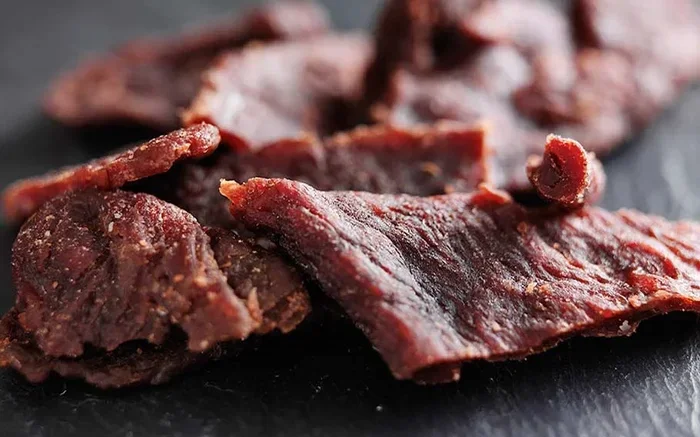
How Long To Cook Jerky In Oven At 170 For Best Results
Cooking jerky in the oven at 170°F is the ideal method for achieving tender, flavorful results every time. Most cuts of beef jerky take between 3 to 5 hours at this steady low temperature, depending on slice thickness and moisture content. This guide walks you through the exact timing, preparation steps, and pro tips so your homemade jerky turns out better than store-bought.
This is a comprehensive guide about How Long To Cook Jerky In Oven At 170.
Key Takeaways
- Cook Time: Jerky at 170°F typically needs 3 to 5 hours, with thicker slices taking closer to 5 hours.
- Temperature Matters: 170°F strikes the perfect balance between drying and preserving meat safely.
- Slice Thickness: Thin slices (1/8 inch) cook faster, while thicker cuts need more time and attention.
- Doneness Signs: Jerky is ready when it bends and cracks slightly but does not snap in half.
- Food Safety: Marinating or curing meat before drying helps eliminate harmful bacteria during low-temp cooking.
- Storage: Properly stored homemade jerky lasts 1 to 2 weeks at room temperature and up to 3 months in the freezer.
[FEATURED_IMAGE_PLACEHOLDER]
Introduction
Making jerky at home is simpler than most people think. You do not need fancy equipment or a dehydrator. A standard oven set to 170 degrees Fahrenheit works beautifully. The real question most beginners ask is, how long to cook jerky in oven at 170? The answer depends on a few key factors, but we will break it all down for you.
Jerky has been a popular snack for centuries. Native Americans made it by drying strips of game meat in the sun. Today, we have the luxury of precise oven temperatures and flavorful marinades. Whether you are a complete beginner or a seasoned pitmaster, mastering oven-baked jerky at 170°F gives you consistent, delicious results.
This guide covers everything you need to know. We will walk through timing, preparation, slicing techniques, and common pitfalls. By the end, you will feel confident making your own homemade jerky whenever the craving strikes.
Why 170 Degrees Is The Ideal Temperature For Jerky
Temperature control is the single most important factor in making great jerky. Too hot, and the outside burns before the inside dries. Too cool, and the meat spoils before it dehydrates properly. 170°F hits a sweet spot that solves both problems.
The Science Behind Low-Temperature Drying
At 170 degrees, the oven removes moisture slowly and evenly. This slow drying process keeps the meat’s texture chewy rather than brittle. It also allows marinades and seasonings to penetrate deeply during the cooking process.
Food safety experts recommend keeping meat at temperatures above 160°F during the drying phase. This helps eliminate harmful bacteria like Salmonella and E. coli. Cooking at 170°F ensures your oven-dried meat stays safe to eat while still retaining its flavor.
How 170 Compares To Other Common Temperatures
Many recipes call for 200°F or even 225°F. Those higher temperatures work, but they dry the meat faster. Faster drying often leads to a tougher, drier final product. At 170°F, you get a more controlled process with better texture.
Some people use a dehydrator set to 155°F or 160°F. A dehydrator works well, but not everyone owns one. Using your regular oven at 170°F is a practical and accessible alternative for most households.
How Long To Cook Jerky In Oven At 170: Complete Timing Guide
The short answer is 3 to 5 hours. But the full picture is more nuanced. Several factors influence the exact cook time for your jerky cooking time at 170°F.
Timing For Different Types Of Meat
Beef is the most popular choice for homemade jerky. But you can also make jerky from turkey, pork, salmon, and even game meats like venison. Each type of meat behaves slightly differently in the oven.
Beef jerky slices at 1/8 inch thick typically take about 3 to 4 hours at 170°F. Turkey breast, which is leaner, may take 3.5 to 4.5 hours. Thicker pork slices or venison can push closer to the 5-hour mark.
Here is a general timing breakdown to help you plan:
- Beef (1/8 inch thick): 3 to 4 hours
- Turkey (1/8 inch thick): 3.5 to 4.5 hours
- Pork (1/4 inch thick): 4 to 5 hours
- Venison (1/8 inch thick): 3 to 4 hours
- Salmon (1/4 inch thick): 2.5 to 3.5 hours
How Slice Thickness Affects Cooking Time
This is the biggest variable. Thinner slices dry faster because there is less moisture trapped inside. If you cut your meat paper thin, you might be done in under 3 hours. Thicker slices, around 1/4 inch, need significantly more time.
For the most consistent results, aim for uniform thickness across all your slices. Use a sharp knife or a meat slicer. Uneven slices mean some pieces are overcooked while others are still too moist.
Checking For Doneness
Do not rely solely on the clock. Use your senses to judge when the jerky is done. The best test is the bend test. Pull a strip from the oven and let it cool for a minute. Then bend it gently.
Properly dried jerky should bend and crack slightly on the surface but not snap completely in half. If it breaks cleanly, it is too dry. If it feels soft and pliable, it needs more time. This simple check is the most reliable way to gauge jerky texture and doneness.
Step-By-Step Process For Making Jerky At 170°F
Following a clear process makes the entire experience smoother. Here is a straightforward walkthrough for your next batch of homemade jerky.
Step 1: Choose The Right Cut Of Meat
Start with lean cuts. Fat does not dry well and can turn rancid during storage. Top round, bottom round, flank steak, and sirloin are excellent choices. Look for cuts with minimal visible fat and marbling.
Partially freezing the meat for 1 to 2 hours before slicing makes it much easier to cut thin, even strips. This is a simple trick that saves a lot of frustration.
Step 2: Prepare Your Marinade Or Dry Rub
Marinades add flavor and help preserve the meat during the drying process. A basic jerky seasoning blend includes soy sauce, Worcestershire sauce, garlic powder, onion powder, black pepper, and a touch of honey or brown sugar.
Marinate the meat for at least 4 hours, or overnight for the deepest flavor. Make sure every strip is fully coated. Pat the excess marinade off before placing slices on the baking rack. This helps the surface dry faster and more evenly.
Step 3: Set Up Your Oven
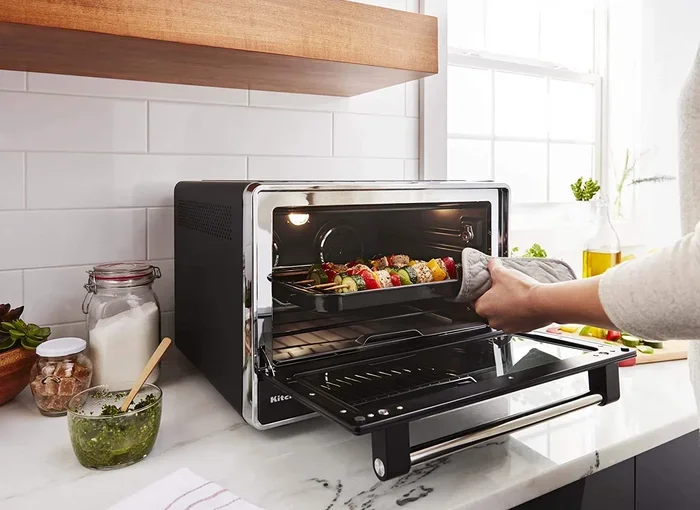
Place a wire rack over a baking sheet lined with foil or parchment paper. This setup allows air to circulate around the meat, which is critical for even drying. If you have a cooling rack that fits inside a baking sheet, even better.
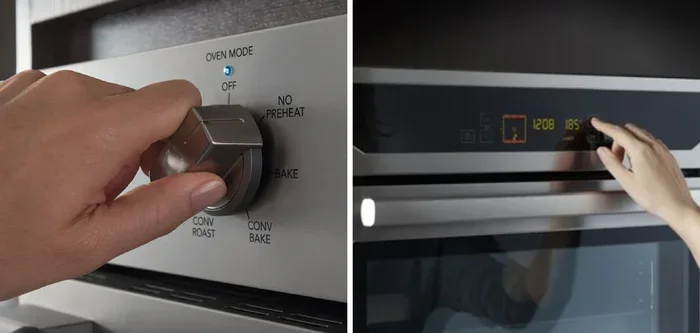
Set your oven to 170°F. If your oven does not go that low, use the lowest setting available and prop the door open slightly with a wooden spoon. This allows moisture to escape and keeps the temperature from climbing too high.
An oven thermometer is a great investment. Many ovens run hotter or cooler than their dial suggests. Knowing the actual internal temperature helps you adjust your timing accordingly.
Step 4: Arrange The Jerky Slices And Start Timing
Lay the meat strips in a single layer on the racks. Leave space between each piece so air flows freely. Overcrowding the oven leads to uneven drying and longer cook times.
Place the trays in the center of the oven. If you are using multiple racks, rotate them halfway through the cooking time. This ensures all pieces dry at the same rate.
Step 5: Monitor And Test For Doneness
Start checking your jerky after the 3-hour mark. Use the bend test described earlier. If pieces are not quite done, continue cooking in 30-minute increments.
Keep a close eye on the oven temperature throughout the process. Opening the door frequently can cause temperature fluctuations. Try to limit door openings to check doneness only.
Common Mistakes People Make When Cooking Jerky In The Oven
Avoiding these errors will save you time, meat, and frustration. Even experienced cooks sometimes fall into these traps when making oven-baked jerky.
Using Meat That Is Too Thick
Thick slices are the number one cause of unevenly cooked jerky. The outside dries out while the center stays moist, creating a perfect environment for bacteria. Always aim for slices no thicker than 1/8 inch for best results at 170°F.
Skipping The Marination Or Curing Step
Some people skip marinating and just dry plain meat. This works in a commercial dehydrator with built-in safety features, but in a home oven at 170°F, marinating adds a layer of protection. The salt and acid in marinades help inhibit bacterial growth during the low-temperature drying phase.
Overcrowding The Baking Sheet
It is tempting to fit as many slices as possible on each tray. Resist that urge. Overlapping or tightly packed slices trap steam and create soggy spots. Give each piece room to breathe for the best jerky texture.
Not Using An Oven Thermometer
Oven dials are not always accurate. Your oven might be running 20 degrees hotter than it says. That extra heat can burn the outside of your jerky while the inside remains underdone. A simple oven thermometer takes the guesswork out of the equation.
Ignoring Food Safety Guidelines
Low-temperature drying comes with food safety risks. The USDA recommends heating meat to 160°F internally before or during the drying process. One way to do this is to simmer your marinated strips in a saucepan at 160°F for 10 minutes before placing them in the oven. This step significantly reduces the risk of foodborne illness.
Quick Tips For Perfect Jerky Every Time
These practical tips will elevate your jerky-making game and help you get consistent results batch after batch.
- Pat slices dry before placing them in the oven. Excess surface marinade slows down the drying process.
- Use a wire rack instead of placing slices directly on a baking sheet. Airflow is essential for even dehydration.
- Rotate trays halfway through cooking to account for hot spots in your oven.
- Let jerky cool completely before storing. Residual heat can create condensation inside the container.
- Label your batches with the date and type of meat. This helps you track shelf life and flavor preferences.
- Experiment with flavors by adding different spices to your marinade. Liquid smoke, smoked paprika, and cayenne pepper all work well.
Storing Your Homemade Jerky: Shelf Life And Best Practices
Once your jerky is done, proper storage keeps it fresh and safe to eat. The shelf life of homemade jerky depends on how you store it and how dry the jerky is.
At room temperature, properly dried jerky lasts about 1 to 2 weeks in an airtight container. Mason jars, vacuum-sealed bags, or zip-lock bags with the air pressed out all work well. Keep the container in a cool, dark place away from direct sunlight.
For longer storage, freeze your jerky. Frozen jerky can last up to 3 months without significant loss of flavor or texture. Simply portion it into freezer bags, remove as much air as possible, and seal tightly.
If you notice any off smells, slimy texture, or unusual discoloration, discard the jerky immediately. These are clear signs of spoilage and mean the meat was not dried enough or stored improperly.
Expert Insights On Oven Dried Meat
Professional food scientists and experienced jerky makers agree on a few key principles. First, moisture content is everything. The goal is to reduce the meat’s moisture level to around 20 to 25 percent. At that level, bacteria cannot grow, and the jerky stays shelf-stable.
Second, lean protein is non-negotiable. Fat goes rancid quickly and shortens the shelf life of your jerky. Always trim visible fat before slicing and marinating.
Third, patience pays off. Rushing the drying process by raising the temperature leads to jerky that looks done on the outside but is still moist inside. The low-and-slow approach at 170°F gives you the safest and most flavorful results.
Conclusion
Now you know exactly how long to cook jerky in oven at 170. The process takes about 3 to 5 hours depending on the type of meat and slice thickness. By following the steps outlined in this guide, you can make delicious, safe, and perfectly textured jerky right in your own kitchen.
Remember to start with lean cuts, marinate generously, slice evenly, and monitor the drying process closely. Avoid the common mistakes that trip up beginners, and use the bend test to confirm doneness. With a little practice, you will be making batches of homemade jerky that rival any store-bought brand.
Grab some beef, fire up your oven, and give it a try. Once you taste the difference between homemade and store-bought, you will never go back. Happy jerky making!
FAQs
Can I cook jerky at 170°F in a convection oven?
Yes, convection ovens work great for jerky. The fan helps circulate hot air evenly, which can reduce cooking time by about 20 to 30 minutes. Keep the temperature at 170°F and check for doneness using the bend test. Convection ovens are particularly helpful for achieving consistent texture across all slices.
Do I need to flip jerky slices halfway through cooking?
It is a good idea, especially if your oven has hot spots. Flipping ensures both sides dry evenly. If you are using multiple racks, rotate them and flip the slices at the halfway point. This simple step makes a noticeable difference in the final texture and appearance of your jerky.
Is 170°F safe for drying meat?
Yes, 170°F is considered a safe temperature for drying meat when combined with proper preparation. The USDA recommends heating meat to at least 160°F internally to kill harmful bacteria. Marinating the meat beforehand or briefly simmering it before drying adds an extra layer of food safety for your homemade jerky.
What is the best cut of beef for making jerky?
Lean cuts like top round, bottom round, and flank steak are the best choices. They have minimal fat content, which prevents rancidity and ensures a cleaner, more consistent drying process. Avoid fatty cuts like ribeye or brisket, as the fat will not dry out properly and can spoil quickly.
How can I tell if my jerky is too dry or undercooked?
Overcooked jerky snaps cleanly in half and feels hard and crunchy. Undercooked jerky feels soft, bendy, and may have a moist or sticky surface. The ideal jerky bends and cracks slightly on the surface but does not break completely. The bend test is your best friend for finding that perfect balance.
Can I make jerky without a marinade?
Yes, you can use a simple dry rub or even just salt. However, marinades add flavor and help with moisture control during the drying process. If you skip the marinade, make sure to cure the meat with salt for at least a few hours before drying. This helps with both flavor and food safety during low-temperature cooking.
Frequently Asked Questions
What is How Long To Cook Jerky In Oven At 170?
How Long To Cook Jerky In Oven At 170 is an important topic with many practical applications.