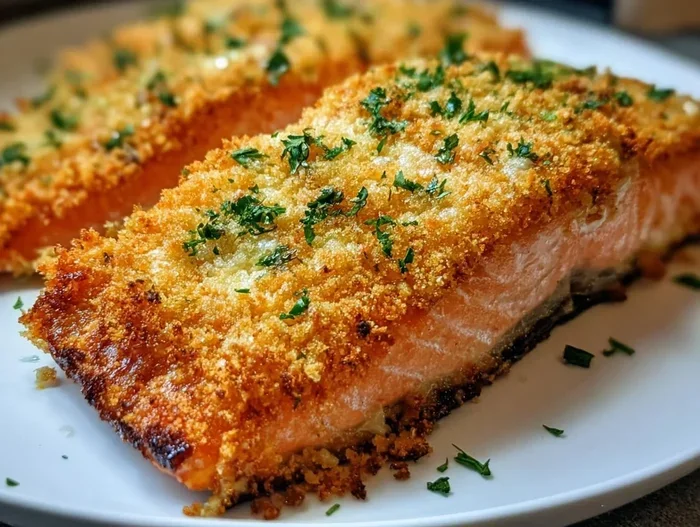
How To Cook Wild Caught Salmon In Oven With Crispy Skin
Learning how to cook wild caught salmon in oven is one of the simplest ways to prepare a healthy, delicious meal at home. This guide walks you through every step, from selecting the freshest fillet to achieving beautifully crispy skin. You will discover the ideal oven temperature, seasoning blends, and timing tricks that guarantee perfect results every time. Whether you are a beginner or a seasoned home cook, these methods will elevate your oven baked salmon game. Get ready to impress yourself and your family with restaurant-quality salmon made right in your kitchen.
There is something truly special about placing a beautiful piece of wild caught salmon in the oven and letting the magic happen. The aroma that fills your kitchen is enough to make anyone hungry. And when that salmon comes out with perfectly golden, crispy skin and a tender, flaky center, you know you have nailed it.
If you have been searching for the best way to prepare salmon at home, you are in the right place. This guide covers everything you need to know about how to cook wild caught salmon in oven with crispy, crackling skin that rivals any restaurant. We will go through selecting the right fish, preparing it properly, choosing the best oven temperature, and avoiding common pitfalls. By the end, you will feel confident enough to make this healthy salmon recipe a regular part of your weekly meal rotation.
Cooking salmon in the oven is one of the easiest and most reliable methods available. Unlike stovetop cooking, where you need to flip and monitor closely, the oven does most of the work for you. You simply place the fillet on a sheet pan, add your favorite seasonings, and let the heat do its thing. The result is a oven roasted salmon that is moist, flavorful, and incredibly satisfying.
Key Takeaways
- Choose the right fillet: Look for bright-colored wild caught salmon with firm flesh and a fresh ocean smell for the best results.
- Dry the skin thoroughly: Patting the skin dry is the single most important step for achieving crispy salmon skin.
- Use high heat: A hot oven between 400°F and 425°F creates a perfect sear on the outside while keeping the inside moist.
- Season simply but effectively: Olive oil, salt, pepper, and fresh herbs are all you need for a flavor-packed salmon dinner.
- Avoid overcooking: Pull the salmon off the heat at 125°F to 130°F internal temperature and let it rest for a juicy finish.
- Try different flavor profiles: From lemon herb to honey garlic, there are endless ways to customize your wild salmon recipe.
📑 Table of Contents
- Why Wild Caught Salmon Is Worth Cooking In Your Oven
- Essential Equipment And Ingredients You Will Need
- Step-By-Step Guide To Cooking Wild Caught Salmon In The Oven
- Tips For Getting Perfectly Crispy Salmon Skin Every Time
- Common Mistakes To Avoid When Baking Salmon
- Flavor Variations And Serving Suggestions
- Comparing Baking Methods For Wild Caught Salmon
- Expert Insights On Cooking Wild Salmon
- Frequently Asked Questions
- Conclusion
Why Wild Caught Salmon Is Worth Cooking In Your Oven
Not all salmon is created equal. When it comes to flavor, texture, and nutrition, wild caught salmon stands in a league of its own. Understanding why this fish is so special will motivate you to make it a staple in your kitchen.
Nutritional Benefits Of Wild Salmon
Wild salmon is packed with omega-3 fatty acids, high-quality protein, and essential vitamins like B12 and D. It is one of the healthiest protein sources you can eat. Compared to farmed salmon, wild caught varieties contain fewer calories and less fat while delivering more of the good stuff your body needs.
Eating wild salmon fillet regularly supports heart health, brain function, and reduced inflammation. It is no wonder that health experts recommend including fatty fish like salmon in your diet at least twice a week. The good news is that cooking it in the oven preserves most of these nutrients better than frying or deep frying.
Flavor Differences Between Wild And Farmed Salmon
Wild caught salmon has a richer, more complex flavor profile. It tastes like the ocean, with a slightly mineral quality that farmed salmon simply cannot match. The flesh is firmer and more vibrant in color, ranging from deep orange to a beautiful reddish-pink.
When you bake salmon in the oven, these natural flavors really shine. The dry heat concentrates the fish’s natural oils and creates that beloved caramelized exterior. Farmed salmon, on the other hand, tends to be milder and fattier, which can make it mushy when baked. For the best salmon dinner experience, always choose wild caught whenever possible.
Essential Equipment And Ingredients You Will Need
Before you start, make sure you have everything on hand. Preparing your workspace and gathering ingredients makes the entire process smoother and more enjoyable.
Equipment Checklist
- Sheet pan or baking dish: A rimmed sheet pan works best for even heat distribution. Line it with parchment paper or aluminum foil for easy cleanup.
- Parchment paper: This prevents the salmon skin from sticking and makes flipping or removing the fillet effortless.
- Sharp knife and cutting board: For any trimming or portioning you need to do before cooking.
- Instant-read thermometer: This is the single best tool for ensuring your salmon is cooked to perfection every single time.
- Paper towels: You will need these for drying the salmon skin thoroughly, which is critical for crispy results.
Ingredients For Perfect Oven Baked Salmon
Keep it simple. The beauty of a great wild salmon recipe lies in letting the fish speak for itself. Here is what you need:
- Wild caught salmon fillets: Skin-on fillets work best for crispy skin. Look for pieces that are about 6 ounces each and roughly 1 to 1.5 inches thick.
- Extra virgin olive oil: A light coating helps the seasoning adhere and promotes even browning.
- Kosher salt: This draws out moisture from the skin, which is key to achieving that crispy texture.
- Freshly ground black pepper: Adds a gentle heat that complements the rich flavor of the fish.
- Fresh herbs: Dill, thyme, or rosemary all work beautifully with salmon.
- Lemon: Fresh lemon slices or a squeeze of juice adds brightness and cuts through the richness.
- Garlic cloves: Minced garlic or garlic powder adds depth and savory flavor.
Step-By-Step Guide To Cooking Wild Caught Salmon In The Oven
Now for the part you have been waiting for. Follow these steps closely, and you will produce oven baked salmon with crispy skin that will wow everyone at the table.
Step 1: Prep Your Salmon Fillet
Start by removing the fillet from the refrigerator about 15 to 20 minutes before cooking. Letting it come to room temperature ensures more even cooking throughout the fillet. While you wait, preheat your oven to 425 degrees Fahrenheit. This is the sweet spot for achieving crispy skin without drying out the fish.
Take a paper towel and pat the salmon skin completely dry. This cannot be overstated. Moisture is the enemy of crispy skin. The drier the surface, the crispier the result. If your fillet has any pin bones, use a pair of needle-nose pliers to pull them out gently.
Step 2: Season The Salmon
Place the fillet skin-side up on your prepared sheet pan. Drizzle a small amount of olive oil over the flesh side. Then sprinkle generously with kosher salt and black pepper. Add your minced garlic and any fresh herbs you have chosen.
Here is a pro tip: season the skin side lightly as well. A thin layer of salt on the skin helps it crisp up beautifully. Be careful not to overdo it, though. You want just enough to enhance the natural flavor without making it overly salty.
Step 3: Place The Salmon Skin-Side Down
This is the key to crispy skin. Place the fillet skin-side down on the sheet pan. The skin acts as a protective barrier between the fish and the hot pan, allowing the flesh to cook gently while the skin directly contacts the heat source.
If you are using a sheet pan salmon method, you can place multiple fillets on one pan. Just make sure they are not touching so that hot air circulates freely around each piece.
Step 4: Bake At The Right Temperature
Place the sheet pan on the middle rack of your preheated oven. For a fillet that is about 1 to 1.5 inches thick, bake for 12 to 15 minutes. The exact time depends on the thickness of your fillet and how done you prefer your salmon.
Here is a helpful reference table for different fillet thicknesses and cooking times:
- Thin fillet (1/2 inch): 8 to 10 minutes at 425°F
- Medium fillet (1 inch): 10 to 12 minutes at 425°F
- Thick fillet (1.5 inches): 12 to 15 minutes at 425°F
- Extra thick fillet (2 inches): 15 to 18 minutes at 400°F
Step 5: Check The Internal Temperature
Insert your instant-read thermometer into the thickest part of the fillet, angled toward the center. The salmon internal temperature should read 125°F to 130°F for medium, which is the recommended doneness for wild caught salmon. The fish will continue to cook slightly after you remove it from the oven, reaching a safe 145°F as it rests.
If you do not have a thermometer, look for these visual cues: the flesh should be opaque and flake easily with a fork but still have a slight translucency in the very center. Overcooked salmon turns chalky white and dry, which is exactly what we want to avoid.
Step 6: Let It Rest And Serve
Remove the salmon from the oven and let it rest on the pan for 3 to 5 minutes. This resting period allows the juices to redistribute throughout the fillet, resulting in a more moist and flavorful bite. Squeeze fresh lemon juice over the top and garnish with additional herbs if desired.
Tips For Getting Perfectly Crispy Salmon Skin Every Time
The difference between good salmon and great salmon often comes down to the skin. Getting that perfect crispy, crackling texture takes a little know-how, but it is entirely achievable once you understand the technique.
Why Drying The Skin Matters So Much
Moisture creates steam, and steam prevents crisping. This is the fundamental principle behind achieving crispy salmon skin. After patting the fillet dry with paper towels, you can take it a step further. Place the skin-side up fillet on a wire rack set over a sheet pan and let it sit uncovered in the refrigerator for 30 minutes to an hour before cooking. This air-drying effect dramatically improves the final texture.
The Role Of Salt In Crisping Skin
Salt does more than add flavor. When applied to the skin, it draws out residual moisture through osmosis. This moisture evaporates in the oven, leaving behind a dry, crisp surface. For the best results, salt the skin side at least 10 minutes before cooking and blot away any excess moisture that appears.
Hot Pan Versus Room Temperature Pan
Some chefs recommend preheating the sheet pan before adding the salmon. This technique creates an immediate sear on the skin, jumpstarting the crisping process. If you choose this method, be careful when placing the fillet on the hot pan. Use oven mitts and gently lower the salmon away from you to avoid splashing.
For most home cooks, simply placing the salmon in a preheated oven works perfectly fine. The consistent, even heat of the oven produces reliable results without the risk of burning.
Common Mistakes To Avoid When Baking Salmon
Even experienced cooks make mistakes when preparing salmon. Knowing what to avoid will save you from disappointing results and wasted ingredients.
Mistake 1: Starting With Cold Salmon
Placing a cold fillet straight from the refrigerator into a hot oven creates uneven cooking. The outside overcooks while the inside remains underdone. Always let your wild caught salmon come to room temperature for 15 to 20 minutes before baking.
Mistake 2: Using Too Much Oil Or Seasoning
A little olive oil goes a long way. Excess oil can cause the fillet to become greasy and prevent the skin from crisping properly. Similarly, overloading on seasoning can mask the delicate, natural flavor of the fish. Less is more when it comes to a great salmon recipe.
Mistake 3: Overcooking The Salmon
Overcooked salmon is dry, chalky, and unappetizing. The single biggest mistake people make is leaving the salmon in the oven too long. Trust your thermometer, pull the salmon at 125°F to 130°F, and remember that carryover cooking will raise the temperature a few more degrees while it rests.
Mistake 4: Skipping The Parchment Paper
Salmon skin has a tendency to stick to bare sheet pans. Not only does this make removal difficult, but it can also tear the skin, destroying your chances of achieving that perfect crispy layer. Always line your pan with parchment paper or a silicone baking mat.
Flavor Variations And Serving Suggestions
Once you master the basic method, you can experiment with different flavor combinations to keep your salmon dinner exciting week after week.
Lemon Herb Salmon
Combine fresh dill, parsley, thyme, and lemon zest with olive oil. Spread this mixture over the flesh side of the fillet before baking. The bright, herbaceous flavors pair beautifully with the richness of wild salmon. Serve with a lemon wedge on the side for extra zing.
Honey Garlic Glazed Salmon
Mix honey, minced garlic, soy sauce, and a splash of rice vinegar. Brush this glaze over the salmon during the last 3 to 4 minutes of baking. The honey caramelizes in the hot oven, creating a sweet and savory glaze that adds incredible depth to the dish.
Mediterranean Style Salmon
Top the fillet with kalamata olives, sun-dried tomatoes, capers, and crumbled feta cheese. Bake as usual and serve alongside roasted vegetables and crusty bread for a complete Mediterranean feast.
What To Serve With Baked Salmon
The versatility of oven roasted salmon means it pairs well with almost any side dish. Here are some ideas:
- Roasted asparagus: Toss asparagus spears with olive oil, salt, and garlic, then roast on the same sheet pan during the last 5 minutes.
- Garlic mashed potatoes: A classic comfort food pairing that balances the lightness of salmon perfectly.
- Quinoa salad: A healthy grain salad with cucumber, cherry tomatoes, red onion, and a lemon vinaigrette makes an excellent light lunch or dinner.
- Steamed broccoli: Simple, quick, and nutritious. A squeeze of lemon ties everything together.
- Crispy roasted potatoes: Baby potatoes roasted until golden and crispy complement the salmon beautifully.
Comparing Baking Methods For Wild Caught Salmon
There are several ways to prepare salmon in the oven, and each method produces slightly different results. Understanding these differences helps you choose the best approach for any given occasion.
Standard Baking At 425°F
This is the most popular and reliable method. The high heat creates a crispy exterior while cooking the fish through evenly. It works well for fillets of all thicknesses and is the method recommended in this guide.
Low And Slow At 275°F
Some cooks prefer a gentler approach. Baking at 275°F for 20 to 25 minutes produces incredibly tender, almost buttery salmon. However, this method does not produce crispy skin. It is best suited for those who prioritize tenderness over texture.
Broiler Method
Using the broiler on high for the last 2 to 3 minutes of baking can add an extra layer of crispiness to the skin. Watch carefully during this step, as the broiler can quickly go from perfect to burnt. This method works best as a finishing technique rather than the primary cooking method.
Comparison Table: Baking Methods
- 425°F standard bake: Crispy skin, moist interior, 12 to 15 minutes, best for most fillets.
- 275°F low and slow: No crispy skin, very tender interior, 20 to 25 minutes, best for delicate fillets.
- 425°F with broiler finish: Extra crispy skin, moist interior, 12 to 15 minutes plus 2 to 3 minutes broiling, best for thick fillets.
Expert Insights On Cooking Wild Salmon
Professional chefs and food scientists agree on a few key principles that separate good baked salmon from great baked salmon. Here are some insights that will help you elevate your cooking.
Always Skin-Side Down For The First Half
Chef recommendations consistently point to starting skin-side down. The skin protects the delicate flesh from direct heat and renders out naturally, becoming crispy on its own. Flipping the fillet midway through is unnecessary and can lead to the skin falling off or the flesh breaking apart.
Freshness Is Everything
The quality of your fresh salmon directly impacts the final result. Look for fillets with bright, vibrant color and a clean, ocean-like smell. Avoid any salmon that looks dull, has a fishy odor, or feels mushy to the touch. If possible, buy from a trusted fishmonger or a reputable online seafood supplier.
Let The Salmon Tell You When It Is Done
Experienced cooks learn to read the fish. When the salmon starts to look opaque from the outside and begins to flake slightly at the edges, it is very close to being done. Trust your senses in addition to your thermometer. With practice, you will develop an intuition for perfectly timed oven baked salmon.
Frequently Asked Questions
What Is The Best Temperature To Cook Wild Caught Salmon In The Oven?
The ideal temperature is 425 degrees Fahrenheit for most fillets. This high heat creates crispy skin while cooking the fish through evenly. For thicker fillets over 2 inches, you may want to reduce the temperature to 400 degrees Fahrenheit to prevent the outside from overcooking before the inside is done.
How Long Should I Bake Wild Caught Salmon?
For a standard fillet that is 1 to 1.5 inches thick, bake for 12 to 15 minutes at 425 degrees Fahrenheit. Thinner fillets need less time, while thicker pieces may require up to 18 minutes. Always use an instant-read thermometer and pull the salmon at 125 degrees Fahrenheit to 130 degrees Fahrenheit for the best texture.
Should I Use Skin-On Or Skinless Salmon For Baking?
Skin-on fillets are highly recommended for oven baking. The skin protects the flesh, renders out during cooking, and becomes deliciously crispy. If you prefer skinless salmon, simply place the fillet skin-side up on parchment paper and adjust your cooking time slightly shorter since the flesh is more exposed to direct heat.
Can I Meal Prep Wild Caught Salmon For The Week?
Absolutely. Baked wild salmon stores well in the refrigerator for up to 3 days in an airtight container. Reheat gently in the oven at 300 degrees Fahrenheit for 5 to 8 minutes to avoid drying it out. It also freezes well for up to 3 months when wrapped tightly in plastic wrap and aluminum foil.
Why Did My Salmon Skin Stick To The Pan?
Skin sticks to the pan when the surface is not properly prepared. Always line your sheet pan with parchment paper or a silicone baking mat. Also make sure the skin is completely dry before placing it in the oven. Moisture creates steam, which causes the skin to adhere to the pan surface.
Is Wild Caught Salmon Healthier Than Farmed Salmon?
Yes, wild caught salmon is generally considered healthier. It contains fewer calories and saturated fats while offering higher levels of omega-3 fatty acids and essential minerals. Wild salmon also has a more robust flavor and firmer texture, making it the preferred choice for most home cooks and chefs alike.
Conclusion
How to cook wild caught salmon in oven with crispy skin is a skill that anyone can master with a little practice and the right guidance. From selecting the freshest fillet to nailing the perfect oven temperature and timing, every step matters. The results are well worth the effort: a beautiful, flavorful, and incredibly healthy meal that comes together in under 20 minutes of active prep time.
Remember the key principles: dry the skin thoroughly, season simply, use a hot oven, and pull the salmon off the heat just before it is fully done. Let carryover cooking finish the job, and you will have a restaurant-quality wild salmon recipe on your table every single time.
Now that you have all the tools and knowledge, it is time to put them into action. Head to your kitchen, grab some fresh wild caught salmon, and give this method a try. Your taste buds will thank you, and you will wonder why you ever settled for anything less. Happy cooking!