Can Cling Wrap Go In The Oven Here Is What You Need To Know
Can cling wrap go in the oven? The short answer is no, not directly. Most plastic wrap starts to melt at temperatures around 220 to 250 degrees Fahrenheit, which is well below typical oven temperatures. However, you can use cling wrap safely in specific low-heat cooking methods like sous vide and steaming. This guide covers everything you need to know about using cling wrap in the oven, including risks, safe alternatives, and practical kitchen tips.
Have you ever been in the middle of cooking and wondered, can cling wrap go in the oven? Maybe you were covering a dish and thought it would be easier to just pop it right in. Or perhaps you saw a recipe that called for plastic wrap in a hot environment and got curious. Either way, you are not alone. This question comes up all the time in kitchens around the world.
The truth is, cling wrap and ovens do not mix well under most circumstances. Standard plastic wrap is not designed to handle the high temperatures inside an oven. But that does not mean all hope is lost. There are safe ways to use cling wrap in cooking, and knowing the difference can save you from a messy cleanup or, worse, a kitchen accident. In this article, we will break down everything you need to know. We will cover melting points, safe cooking methods, risks, and the best alternatives for your food storage and cooking needs.
Whether you are a beginner cook or a seasoned home chef, understanding plastic wrap safety is essential. Kitchen safety is no joke, and using the wrong materials in the wrong place can lead to serious problems. So let us dive in and get all your questions answered. By the end of this guide, you will know exactly what to do and what to avoid when it comes to using cling wrap with heat.
Key Takeaways
- Do Not Use Cling Wrap Directly in a Hot Oven: Standard plastic wrap melts at low temperatures and can release toxic fumes.
- Sous Vide and Steaming Are Safe Methods: These low-heat techniques keep cling wrap below its melting point.
- Check the Packaging: Some brands like Reynolds and Saran explicitly state their products are microwave safe but not oven safe.
- Always Leave Room for Steam: Trapped steam needs an escape route to prevent pressure buildup and potential burns.
- Use Parchment Paper or Aluminum Foil Instead: These are much safer and more reliable for covering dishes in the oven.
- Food Safety Matters: Only use food-grade plastic wrap that is free from harmful chemicals like BPA and PVC.
- Know Your Cooking Temperature: Staying below 220°F is the golden rule if you ever need to use cling wrap near heat.
📑 Table of Contents
Understanding What Cling Wrap Is Made Of
Before we answer whether cling wrap can go in the oven, it helps to understand what it actually is. Most plastic wrap, also called plastic film or food wrap, is made from polyethylene. This is a type of plastic that is flexible, clear, and great for covering bowls and wrapping sandwiches. It is the same material used in many types of food packaging.
Types of Plastic Wrap
Not all cling wrap is the same. There are a few common types you will find in stores:
- Polyethylene (PE): This is the most common type. It is thin, flexible, and found in most household brands. It has a low melting point, usually around 220 to 250 degrees Fahrenheit.
- Polyvinyl Chloride (PVC): Older brands used PVC because it was slightly more stretchy. However, PVC can release harmful chemicals when heated. Many countries have phased it out of food contact use.
- Polypropylene (PP): This is a higher-quality plastic that can handle more heat than polyethylene. Some premium brands use this for their heat resistant wrap products.
Melting Point Explained
Every type of plastic has a melting point. For standard cling wrap, that point is surprisingly low. Most brands start to soften at around 220°F and fully melt at 250°F or higher. Now think about your oven. Most baking recipes call for temperatures between 300°F and 450°F. That is way above what plastic wrap can handle. This is the main reason cling wrap is not oven safe.
Even microwave safe plastic wrap is not the same as oven-safe wrap. Microwave cooking uses a different type of heat, and the temperatures stay lower. Still, you should always follow the instructions on the package. Brands like Saran wrap and Reynolds wrap clearly label their products for specific uses only.
Can You Put Cling Wrap in the Oven?
The direct answer is no. You should never put cling wrap directly in a hot oven. Doing so can cause the wrap to melt, stick to your food, and even release harmful fumes. Let us look at what happens and why this is so dangerous.
What Happens When Cling Wrap Gets Hot?
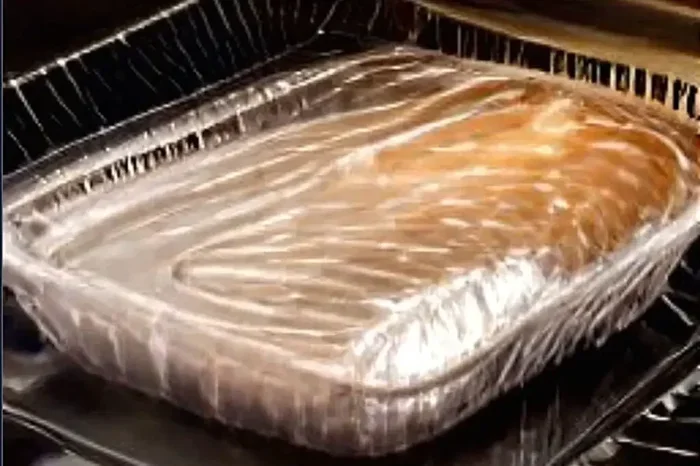
When plastic wrap is exposed to oven temperatures, it goes through a few stages. First, it starts to soften and sag. Then it begins to melt and can fuse to the surface of your food. At higher temperatures, it may even catch fire or release toxic fumes. These fumes are not something you want filling your kitchen or getting into your food.
Even if your oven is set to a low temperature like 200°F, the radiant heat from the oven walls and the heating elements can create hot spots. These spots can easily exceed the melting point of plastic wrap. So even a short cooking time does not make it safe.
Why Manufacturers Warn Against Oven Use
Every major brand of plastic wrap includes a warning on the packaging. They clearly state that the product is not meant for use in conventional ovens, toaster ovens, or broilers. This is not just a legal disclaimer. It is a genuine safety warning backed by testing and food safety guidelines.
The food grade plastic used in cling wrap is safe for cold storage and microwave use under specific conditions. But ovens operate at temperatures that far exceed those safe limits. Ignoring these warnings can lead to chemical leaching, where harmful substances from the plastic seep into your food. That is a risk no one should take.
Safe Ways to Use Cling Wrap in Cooking
Here is the good news. You can still use cling wrap in certain cooking situations safely. The key is to keep the temperature low enough that the wrap does not reach its melting point. Let us look at the two most common safe methods.
Sous Vide Cooking
Sous vide is a popular cooking method where food is sealed in a plastic bag or wrapped in cling wrap and cooked in a water bath at a precise, low temperature. The water never gets hot enough to melt the wrap because the temperature is controlled. Most sous vide recipes call for temperatures between 130°F and 190°F. This is well below the melting point of most cling wraps.
If you want to try sous vide at home, here are a few tips:
- Use food grade plastic that is labeled as safe for sous vide cooking.
- Double-wrap your food to prevent any chance of the wrap touching the heating element in the water bath.
- Always leave a small gap or vent to let steam escape.
- Never use cling wrap that is damaged, torn, or scratched.
Steaming with Cling Wrap
Some recipes call for steam cooking with cling wrap. This works because steam temperatures are capped at 212°F at sea level, which is just below the melting point of most plastic wraps. When you use cling wrap to cover a dish that is steaming, the wrap acts as a lid and traps moisture inside.
This technique is common in Asian cooking and is used for dishes like steam eggs or certain desserts. The wrap touches the food but not the direct heat source. As long as you do not let the wrap touch the sides of a very hot pan or come into contact with an open flame, it stays safe.
Quick Tip: Always poke a few small holes in the cling wrap before steaming. This allows steam to vent and prevents pressure from building up underneath the wrap.
Covering Dishes During Low-Temperature Cooking
There are a few rare cases where you might use cling wrap in or near an oven at very low temperatures. Some cooks use it to cover dishes during slow cooking or overnight refrigeration in the oven. In these cases, the oven is turned off or set to a very low temperature. The wrap simply serves as a cover to keep things fresh or prevent spills.
But even in these situations, you should exercise caution. Make sure the wrap does not touch any hot surfaces inside the oven. And never turn the oven on while cling wrap is inside it. The risk is simply not worth it.
Risks and Dangers of Heating Cling Wrap
Now let us talk about the risks. Understanding the dangers of heating cling wrap is just as important as knowing the safe uses. Here is what can go wrong if you put plastic wrap in a hot oven.
Toxic Fumes and Chemical Leaching
When plastic wrap overheats, it can release toxic fumes. These fumes come from the chemicals used in the manufacturing process. Older types of plastic wrap, especially those made from PVC, may contain phthalates and other harmful compounds. Even modern food grade plastic wraps are not designed to withstand oven heat, so heating them can cause chemical breakdown.
When these chemicals leach into your food, they can pose serious health risks over time. Some of these chemicals are linked to hormonal disruption and other health concerns. This is why food safety guidelines from health organizations strongly advise against heating plastic wrap in any enclosed space.
Fire Hazard
It might sound unlikely, but plastic wrap can catch fire in an oven. If the wrap comes into contact with a heating element or a hot metal surface, it can ignite. Even if it does not fully catch fire, melting plastic can create a stubborn mess that is very hard to clean. It can also damage the inside of your oven.
Damage to Your Food
Beyond health risks, melted cling wrap can ruin your food. Imagine pulling a dish out of the oven only to find melted plastic stuck to your meal. That is not just unappetizing, it is also unsafe to eat. The melted plastic can alter the taste and texture of your food and introduce unwanted chemicals.
Alternatives to Cling Wrap for Oven Use
If you need to cover a dish in the oven, there are much safer alternatives to cling wrap. These options are designed to handle high heat and will give you peace of mind while cooking.
Parchment Paper
Parchment paper is one of the best alternatives to plastic wrap for oven use. It is coated with silicone, which makes it heat resistant up to about 450°F. You can use it to cover baking dishes, wrap food, or line baking sheets. It is also disposable, which makes cleanup a breeze.
Aluminum Foil
Aluminum foil is another excellent option. It can handle temperatures up to 1,220°F, which is far beyond anything your oven will reach. Foil is great for covering casseroles, roasting vegetables, and wrapping meats. Just make sure you do not let the foil touch the heating elements.
Oven-Safe Lids and Glass Covers
Many baking dishes come with glass or ceramic lids that are oven safe. If you have one, use it. These covers are reusable, durable, and completely safe at any oven temperature. They also let you monitor your food while it cooks without lifting the lid.
Silicone Lids and Covers
Silicone is another great material for oven-safe covering. Silicone lids can withstand temperatures up to 450°F and are reusable. They are flexible, easy to clean, and come in various sizes to fit different dishes.
Comparison Table: Cling Wrap vs. Alternatives
Here is a quick look at how cling wrap compares to common oven-safe alternatives:
- Cling Wrap: Not oven safe. Melts at 220-250°F. Safe for cold storage and low-heat sous vide only.
- Parchment Paper: Oven safe up to 450°F. Great for lining and covering. Disposable and easy to use.
- Aluminum Foil: Oven safe up to 1,220°F. Excellent for wrapping and covering. Reusable in many cases.
- Glass Covers: Oven safe at any temperature. Reusable and durable. Allows you to monitor food while cooking.
- Silicone Lids: Oven safe up to 450°F. Reusable, flexible, and eco-friendly. A great long-term investment.
Expert Tips and Common Mistakes
Even experienced cooks can make mistakes when it comes to plastic wrap and heat. Here are some expert insights and common pitfalls to avoid.
Quick Tips for Kitchen Safety
- Always read the label: Check the packaging of your cling wrap for specific use instructions and temperature limits.
- Keep a gap for steam: Never seal plastic wrap tightly without leaving a small opening for steam to escape.
- Use the right tool for the job: If you need something for the oven, reach for parchment paper, foil, or a glass lid instead.
- Store wrap properly: Keep your plastic film away from heat sources like the stove or dishwasher. Store it in a cool, dry place.
- Inspect before use: Throw away any cling wrap that is torn, discolored, or smells off. Damaged wrap is more likely to release chemicals.
Common Mistakes to Avoid
Here are some mistakes that people make all the time when it comes to cling wrap and cooking:
- Assuming all plastic wrap is the same: Different brands use different materials. Always check the product label for heat tolerance and safe use guidelines.
- Using cling wrap in a toaster oven: Toaster ovens are even more dangerous than regular ovens because the heating elements are closer to the food. Never use cling wrap in a toaster oven.
- Wrapping food too tightly for steaming: Tight wrapping traps too much steam and can cause the wrap to burst or melt. Always leave some slack.
- Reusing old plastic wrap: Old wrap has already been exposed to heat and chemicals. It is weaker and more likely to break down when heated again.
- Ignoring the brand guidelines: Brands like Saran wrap and Reynolds wrap provide clear instructions. Ignoring them is a risk you should not take.
Expert Insight on Kitchen Safety
According to most food safety experts, cling wrap should only be used for its intended purpose: storing and covering cold food. When cooking, always opt for materials that are specifically designed for high heat. Using the wrong material might seem convenient in the moment, but it can lead to serious kitchen safety issues. A few extra minutes of preparation with the right tools can save you from a dangerous situation.
Key Takeaway: The golden rule is simple. If it is not labeled as oven safe, do not put it in the oven. This applies to cling wrap and many other kitchen items. When in doubt, choose a safer alternative like parchment paper or aluminum foil.
Frequently Asked Questions
Can you put cling wrap in the microwave?
Yes, most cling wrap is labeled as microwave safe when used properly. However, you should always leave a gap for steam to escape and make sure the wrap does not touch the food directly. Only use it for short heating periods and follow the instructions on the package.
At what temperature does cling wrap melt?
Most standard cling wrap starts to soften at around 220°F and fully melts at 250°F or higher. This is far below typical oven temperatures, which is why you should never put plastic wrap in a hot oven.
Is it safe to use cling wrap for sous vide cooking?
Yes, cling wrap is generally safe for sous vide cooking because the water temperatures stay low, usually between 130°F and 190°F. Just make sure you use food grade plastic and double-wrap your food for extra safety.
What happens if cling wrap touches a hot pan?
If cling wrap touches a hot pan or heating element, it will melt almost immediately. This can cause toxic fumes, damage to your food, and a mess inside your oven or pan. Always keep plastic wrap away from direct heat sources.
Can you bake with plastic wrap covering a dish at low heat?
It is not recommended. Even at low temperatures, there is a risk of the wrap melting or releasing chemicals. Use parchment paper, aluminum foil, or a glass lid instead. These are much safer and designed for oven use.
What is the difference between plastic wrap and oven-safe cling film?
Standard plastic wrap is not designed for high heat. Some specialty brands offer heat resistant wrap made from polypropylene that can handle slightly higher temperatures. However, even these are typically only safe for microwave use and not for conventional ovens. Always check the label for specific temperature ratings.
Conclusion
So, can cling wrap go in the oven? The answer is clear. Do not put standard plastic wrap in a hot oven. The risks far outweigh any convenience. Melting, toxic fumes, chemical leaching, and fire hazards are all very real dangers when you heat cling wrap beyond its limits.
That said, cling wrap still has a place in your kitchen. It is excellent for food storage, wrapping leftovers, and certain low-heat cooking methods like sous vide and steaming. The key is to use it correctly and understand its limitations.
When you need to cover something in the oven, reach for safer alternatives like parchment paper, aluminum foil, glass lids, or silicone covers. These tools are designed for high heat and will keep your food and your family safe. Kitchen safety should always come first, and making informed choices about the materials you use is a big part of that.
Now that you know the truth about can cling wrap go in the oven, you can cook with confidence. Share this guide with friends and family who might have the same question. A little knowledge goes a long way in keeping everyone safe and your meals delicious. Happy cooking!