What Happens If You Dont Clean Your Oven Regularly
What happens if you dont clean your oven regularly? A dirty oven builds up grease, smoke, and odors that affect your food and health. Over time, baked-on grime can cause fire hazards, reduce cooking efficiency, and even shorten your appliance lifespan. Regular oven cleaning keeps your kitchen safe, your food tasting great, and your energy bills low.
Have you ever opened your oven and been hit with a wave of burnt, greasy smell? Maybe you noticed black flakes falling onto your food while it cooks. These are clear signs that your oven needs attention. So, what happens if you dont clean your oven? The answer might surprise you.
A dirty oven is more than just an eyesore. It affects your health, your safety, and your wallet. Grease builds up on every surface. Food residue chars with every use. Over time, this buildup creates real problems that most people never think about until its too late. In this article, we will walk you through exactly what goes wrong when you skip oven cleaning. We will also share simple tips to keep your oven in great shape.
Whether you use your oven every day or just on holidays, this guide is for you. You will learn about the hidden dangers, the cooking problems, and the easy fixes. Let us dive into why regular oven maintenance matters more than you think.
Key Takeaways
- Health Risks: A dirty oven can contaminate your food with burnt residue and harmful smoke.
- Fire Hazard: Grease buildup inside the oven is a leading cause of kitchen fires.
- Poor Cooking Performance: Crud on oven walls and racks blocks heat and creates hot spots.
- Higher Energy Bills: A grimy oven works harder and uses more electricity or gas.
- Bad Odors: Burnt food particles stuck inside cause persistent smoky smells.
- Shorter Appliance Life: Neglecting oven maintenance leads to costly repairs or replacement.
- Easy Prevention: Simple weekly habits and monthly deep cleans keep your oven in great shape.
📑 Table of Contents
What Happens If You Dont Clean Your Oven Regularly
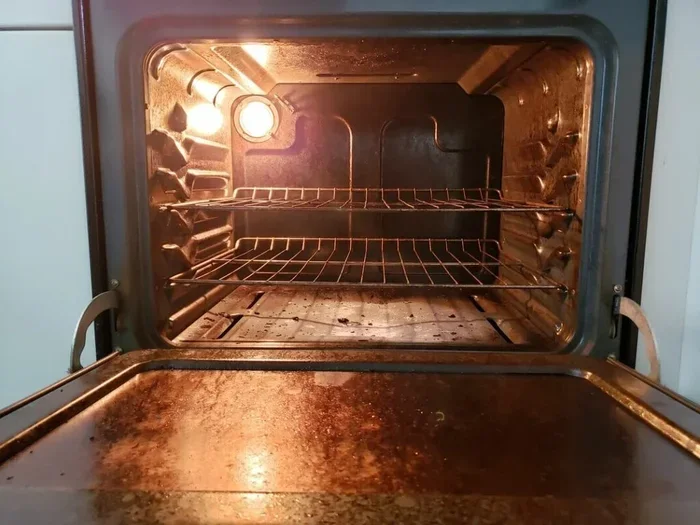
When food spills inside your oven, it does not just disappear. It bakes, burns, and hardens with every cooking cycle. Day after day, this residue turns into thick, black grime. Week after week, it builds into a layer of baked-on mess. And month after month, it becomes a serious problem.
So, what happens if you dont clean your oven regularly? Here are the main issues that build up over time:
- Grease accumulates on every surface. The walls, floor, and door of your oven collect fat and oil from every meal you cook.
- Burnt food particles create smoke. When the oven heats up, old residue smolders and releases smoke into your kitchen.
- Odors soak into your food. The charred bits transfer their burnt smell to whatever you are baking or roasting.
- Bacteria can grow in food debris. Leftover organic matter trapped in the oven can harbor germs and mold.
- The oven works harder to maintain temperature. Dirt and grime act as insulation, forcing the heating elements to run longer.
All of these problems start small. But they grow fast if you ignore them. A quick wipe after each use and a deeper clean once a month can save you from all of this. The key is staying consistent with oven cleaning so that buildup never gets out of control.
Why Grease Buildup Is So Dangerous
Grease is the biggest enemy of any oven. Every time you cook meat, bake pastries, or roast vegetables, fat splatters. Over time, this fat coats the inside of your oven. It turns into a sticky, black layer that is very hard to remove. And here is the scary part: grease is flammable.
When grease buildup on oven walls gets hot enough, it can ignite. This is one of the most common causes of kitchen fires. A dirty oven with thick grease layers can go from a minor cooking session to a dangerous fire in seconds. This is why oven maintenance should never be taken lightly.
The Health Risks of a Dirty Oven
Many people do not realize that a grimy oven can affect their health. When old food particles burn, they release smoke and chemicals into the air. These particles float around your kitchen and can end up in your food.
Here are the health risks you face with a dirty oven:
- Air quality drops. Burnt grease and food residue release smoke that contains harmful compounds. Breathing this in over time can irritate your lungs.
- Food contamination. Flakes of old, burnt food can fall onto your fresh meals. This is not appetizing and can introduce bacteria.
- Mold growth. If moisture gets trapped in food debris, mold can start to grow inside your oven. This is especially bad for people with allergies or asthma.
- Carbon buildup releases toxins. When grease and food carbonize at high temperatures, they produce compounds that are not safe to inhale.
Your oven is supposed to make your food safe and delicious. But a dirty oven does the opposite. It can make your meals less healthy and your kitchen air less clean. This is one of the most important reasons to keep up with oven cleaning.
Who Is Most at Risk?
Some people face bigger health risks from a dirty oven. Children, elderly family members, and those with respiratory conditions are more vulnerable to poor air quality. If you cook often and your oven is always dirty, the constant exposure to smoke and burnt particles adds up over time. This is why regular oven maintenance is so important for every household.
Fire Hazards and Safety Concerns
This is the one that should scare you into action. A dirty oven is a fire risk. Grease fires are one of the leading causes of house fires every year. And your oven is a prime spot for grease to accumulate unnoticed.
Here is how a dirty oven can lead to a fire:
- Grease drips onto the oven floor or heating elements. When the oven heats up, this grease can ignite on its own.
- Burnt food residue acts as fuel. Charred food particles are dry and flammable. They catch fire easily when exposed to high heat.
- Smoke and fumes go unnoticed. Many people do not realize their oven is smoking until it is too late. By then, the fire may have already started.
- Self-cleaning cycles can backfire. Ironically, running the self-cleaning function on a heavily soiled oven can cause smoke, fumes, and even small flames.
The good news is that fire hazards from a dirty oven are entirely preventable. A consistent oven cleaning routine removes the fuel that fires need to start. Even a simple wipe-down after each use makes a big difference.
What to Do If You Smell Gas or Smoke
If you ever smell gas or see smoke coming from your oven, turn it off immediately. Open your windows and doors to ventilate the kitchen. Do not use water on a grease fire. Instead, use a fire extinguisher rated for grease fires or call emergency services. Prevention through regular oven maintenance is always the best approach.
How a Dirty Oven Affects Cooking Performance
A clean oven cooks evenly. A dirty oven does not. When grime coats the walls and racks, it changes how heat moves inside the oven. This affects everything from baking to roasting.
Here is how a dirty oven messes with your cooking:
- Uneven heating. Built-up grease and food residue block heat distribution. This creates hot spots and cold zones inside your oven.
- Longer cooking times. Because the dirt acts as insulation, your oven needs more energy and time to reach the right temperature.
- Off-flavors in food. Burnt residue transfers its smoky, bitter taste to your meals. Your carefully prepared dish may end up tasting like last weeks spill.
- Burnt bottoms and edges. Hot spots caused by grime can scorch your food on one side while leaving the other undercooked.
- Oven racks become sticky. Baked-on grease on racks makes it hard to slide trays in and out smoothly.
If you have ever wondered why your cookies burn on one side or your roast looks uneven, a dirty oven might be the answer. Clean oven walls and racks let heat circulate properly. This means better cooking results every time.
Does Oven Self-Cleaning Really Work?
Many modern ovens come with a self-cleaning feature. This function heats the oven to very high temperatures, turning food residue into ash. It sounds great, but it has limitations. Self-cleaning works best for light to moderate grime. For heavy grease buildup, it does not do the job fully. You still need to wipe out the ash afterward. And running the self-cleaning cycle too often can wear out oven components over time. A balanced approach works best: use the self-cleaning feature occasionally and do a manual deep clean regularly.
The Cost of Neglecting Oven Maintenance
Skipping oven cleaning might save you time now, but it costs you more later. The financial impact of a neglected oven adds up in several ways.
Higher Energy Bills
A dirty oven uses more energy. The grime on the walls and floor acts like a blanket, trapping heat and making the oven work harder. Over months and years, this extra energy use adds up on your utility bills. Keeping your oven clean helps it run efficiently and saves you money.
Expensive Repairs
Heavy grease buildup can damage oven components. The heating elements can become coated in fat and burn out faster. The door seals can get clogged with grime, letting heat escape. The thermostat may give false readings because of residue nearby. All of these issues lead to costly repairs that could have been avoided with simple oven cleaning.
Shorter Appliance Lifespan
An oven that is well-maintained can last 15 years or more. A neglected oven may need replacement in 8 to 10 years. The difference comes down to basic care. Regular oven maintenance keeps all parts working properly and extends the life of your appliance significantly.
Comparison: Clean Oven vs. Dirty Oven
| Factor | Clean Oven | Dirty Oven |
|---|---|---|
| Energy Use | Efficient and low | Higher due to insulation from grime |
| Cooking Evenness | Even heat distribution | Hot spots and uneven results |
| Fire Risk | Very low | Significantly higher |
| Odor | No smells | Persistent burnt odors |
| Appliance Lifespan | 15+ years | 8-10 years or less |
| Repair Costs | Minimal | Frequent and expensive |
| Food Taste | Fresh and clean | Burnt or off-flavors |
As you can see, the cost of not cleaning your oven goes far beyond a messy interior. It affects your safety, your food, your energy bills, and your wallet.
Easy Ways to Keep Your Oven Clean
The good news is that oven cleaning does not have to be hard. With a few simple habits, you can keep your oven in great condition without spending hours scrubbing every week.
Wipe Down After Every Use
Get in the habit of wiping your oven after each use. While it is still warm (not hot), use a damp cloth to wipe up any spills or splatters. This prevents food from baking onto the surfaces and becoming hard-to-remove grime. This simple habit takes less than a minute and makes a huge difference.
Use a Baking Soda Paste
Baking soda is one of the best natural cleaning solutions for ovens. Mix baking soda with a little water to form a paste. Spread it on the inside walls and floor of your oven. Let it sit overnight. Then wipe it away with a damp cloth. For tough spots, add a little white vinegar to help lift the grime. This method is safe, affordable, and works wonders on baked-on grease.
Clean the Oven Racks Separately
Your oven racks collect a lot of grease and food residue. Remove them and soak them in hot, soapy water for a few hours. Then scrub them with a non-abrasive sponge. For stubborn grime, sprinkle baking soda on the racks and scrub with a damp cloth. Clean racks improve cooking performance and prevent grime from falling onto your food.
Use Oven Liners
Oven liners are affordable sheets that sit on the bottom of your oven. They catch drips and spills before they can bake onto the oven floor. Just remove the liner, wipe it off, and replace it. This simple tool makes oven maintenance much easier and keeps the bottom of your oven looking clean.
Schedule a Monthly Deep Clean
Even with daily wiping, you should do a deeper clean once a month. Use your favorite cleaning solution, whether it is a store-bought oven cleaner or a homemade baking soda paste. Focus on the corners, the door edges, and around the heating elements. A monthly deep clean prevents heavy buildup and keeps your oven running at its best.
Be Smart About What You Cook
Some meals cause more mess than others. Souffles, roasts, and baked goods with sticky fillings are more likely to spill. When cooking these dishes, use a baking tray or foil to catch drips. This small step reduces the amount of cleaning you need later and keeps your oven interior cleaner for longer.
Quick Tips for Busy People
- Keep a damp cloth near the oven for quick wipe-downs.
- Set a monthly reminder on your phone for a deep clean.
- Use oven-safe containers to prevent spills.
- Clean spills immediately, even if the oven is still warm.
- Invest in a good oven cleaner that works fast and requires less scrubbing.
Common Mistakes People Make When Cleaning Their Oven
Even people who do clean their oven sometimes make mistakes that reduce the effectiveness. Here are a few to avoid:
- Using harsh abrasive scrubbers. These can scratch the oven interior and damage the coating. Stick to soft cloths or sponges.
- Skipping the oven door seal. The seal around the door collects grease too. Wipe it down during every cleaning session.
- Using too much chemical cleaner. Harsh chemicals can leave residues that transfer to your food. Use natural solutions when possible.
- Waiting too long between cleans. Letting grime build up for months makes it much harder to remove. Stay consistent.
- Ignoring the oven fan and vents. Grease can accumulate on the fan and block airflow. Clean these areas during your deep cleans.
Conclusion
So, what happens if you dont clean your oven? The answer is clear. A dirty oven poses serious health risks, fire hazards, and cooking problems. It wastes energy, costs you money, and shortens the life of your appliance. On the other hand, a clean oven cooks better, smells better, and lasts longer.
The good news is that oven cleaning does not have to be a chore. With a few simple habits, you can keep your oven in excellent condition. Wipe it after every use. Deep clean it once a month. Use natural solutions like baking soda for tough grime. And stay consistent with your oven maintenance routine.
Your oven works hard for you every day. It deserves a little care in return. Start today, and you will notice the difference in your cooking, your kitchen, and your peace of mind. Do not wait until a small spill becomes a big problem. Take control of your oven cleaning now and enjoy a safer, cleaner, and more efficient kitchen.
Frequently Asked Questions
What are the dangers of not cleaning your oven?
Not cleaning your oven leads to grease buildup, fire hazards, and poor air quality. Burnt food residue releases harmful smoke and chemicals. Over time, this can affect your health and create a serious safety risk in your kitchen.
How often should you clean your oven?
You should wipe down your oven after every use and do a deep clean at least once a month. If you use your oven frequently, consider cleaning it every two weeks to prevent heavy grease buildup and baked-on grime.
Can a dirty oven affect the taste of food?
Yes, absolutely. Burnt residue inside the oven transfers its smoky, bitter flavor to your food. A dirty oven can also release odors that soak into baked goods and roasted dishes, changing their taste.
Is it safe to use the self-cleaning feature on a dirty oven?
It is generally safe, but heavy grease buildup can cause excessive smoke and fumes during the self-cleaning cycle. For best results, remove large food debris first and run the self-cleaning feature in a well-ventilated area.
What is the best natural way to clean an oven?
Baking soda paste is the most effective and safe natural cleaning solution. Mix baking soda with water, apply it to the oven interior, let it sit overnight, and wipe it clean. White vinegar helps lift stubborn grime and removes any remaining residue.
Can neglecting oven cleaning lead to expensive repairs?
Yes, heavy grease buildup can damage heating elements, door seals, and thermostats. These repairs can be costly. Regular oven maintenance prevents buildup and keeps all components working properly, saving you money in the long run.
=== CONCLUSION ===
What happens if you dont clean your oven regularly? The answer is simple: problems that start small grow into serious issues. From health risks and fire hazards to poor cooking performance and higher bills, a dirty oven affects every part of your kitchen life. The solution is straightforward: clean your oven often, use the right tools, and make oven maintenance a habit. Your oven, your food, and your family will all benefit from a little consistent care.