Corned Beef Brisket in Oven A Foolproof Guide for Beginners
This guide shows you exactly how to cook corned beef brisket in oven for perfect results every time. You’ll learn simple steps, seasoning tips, and cooking times that guarantee tender, juicy meat. Whether you’re a first-timer or just need a refresher, this method works beautifully.
There is something truly magical about a corned beef brisket in oven. The rich, salty aroma fills the kitchen, and the meat turns out so tender it practically falls apart. You do not need a smoker or a fancy setup. Your regular oven can deliver a pot roast that wows everyone at the table. This method is simple, forgiving, and gives you a beautiful result every single time.
If you have never cooked corned beef brisket before, the idea might feel intimidating. But it really is not hard. You just need a few basic ingredients, a little patience, and a reliable oven. I will walk you through everything step by step. You will learn how to pick the right cut, build a flavorful broth, and nail the timing. By the end, you will feel confident enough to make this dish again and again.
The beauty of oven-braised corned beef is that it does all the work while you are busy living your life. You can prep it in the morning and come home to a ready meal. It pairs wonderfully with cabbage, potatoes, and carrots. So let us dive in and make a corned beef brisket in oven that will become a family favorite.
Key Takeaways
- Low and slow wins: A moderate oven temperature of 325°F keeps the meat moist and tender.
- Choose the right cut: Flat cut slices neatly, while point cut offers more marbling and richness.
- Build flavor layers: A mix of pickling spices, garlic, onion, and broth creates a deep, savory broth.
- Rest before slicing: Letting the brisket rest for 15 minutes locks in the juices.
- Store and reheat properly: Leftovers stay tender for up to 4 days when refrigerated and reheated gently.
- No special equipment needed: A standard oven-safe pot or Dutch oven does the job perfectly.
📑 Table of Contents
Why Cooking Corned Beef Brisket in Oven Works So Well
The oven provides a steady, enclosed heat that mimics the magic of a slow braise. Unlike a stovetop, where hot spots can cause uneven cooking, an oven surrounds the meat with consistent warmth. This gentle heat breaks down the tough collagen in the brisket without drying it out. The result is a tender meat that is full of flavor.
The Magic of Low and Slow Heat
Braising is the technique that makes corned beef brisket so succulent. You sear the meat first, then let it simmer in liquid at a low temperature. The oven makes this process very easy because you do not need to stand over the stove. You set the temperature, close the door, and let time do the work. The flavorful broth that develops in the pot becomes a rich sauce that soaks into every slice.
When you cook corned beef brisket in oven, the fat renders slowly. This adds moisture and a silky texture. The meat absorbs the spices from the brine and any extra seasonings you add. It is a hands-off way to cook a pot roast that feels like a special occasion meal.
Choosing the Right Cut: Flat vs. Point
Not all briskets are the same. The two main cuts you will find at the butcher or grocery store are the flat cut and the point cut. Each one behaves a little differently in the oven, so picking the right one matters.
Flat Cut vs. Point Cut
The flat cut, also called the first cut, is leaner and more uniform. It slices beautifully and is the classic choice for a corned beef brisket in oven. The point cut is fattier and has more marbling. It is juicier and richer, but it can be trickier to slice neatly. Both cuts work well for braising. The flat cut is ideal if you want clean, deli-style slices. The point cut is perfect if you love a more intensely beefy flavor and a fall-apart texture.
| Feature | Flat Cut | Point Cut |
|---|---|---|
| Fat Content | Leaner | Higher, more marbling |
| Texture After Cooking | Slicable, firm | Very tender, mushy |
| Best For | Sandwiches, neat slices | Rich flavor, shredded use |
| Brine Absorption | Even | Can be uneven in thick areas |
For beginners, I recommend starting with the flat cut. It is more predictable and easier to slice. If you want a juicier result with more fat, go for the point cut. You can also ask your butcher to trim the excess fat to about a quarter-inch layer. This gives you flavor without overwhelming the dish.
Essential Ingredients and Seasonings
A great corned beef brisket in oven starts with the right ingredients. You do not need a long shopping list, but each item plays an important role. The brisket itself comes pre-cured in a brine, so it already has salt, sugar, and spices. You will build on that base with fresh aromatics and liquid.
The Brine and Spice Blend
The curing brine typically includes pickling spices like mustard seed, peppercorns, bay leaves, and coriander. These give corned beef its signature tangy, savory flavor. When you cook the brisket, you can add a few extra whole spices to the pot. A few cloves, a cinnamon stick, or extra peppercorns can deepen the aroma. Fresh garlic and a diced onion are essential for building a savory foundation.
Liquid and Vegetables
The braising liquid is what turns a tough cut into a tender meat. Use a mix of beef broth and a little water or beer. The broth adds richness, while the beer brings a subtle malty depth. You should also add sturdy vegetables like carrots, celery, and potatoes. They cook alongside the brisket and soak up the flavorful broth. A splash of mustard or a spoonful of brown sugar can balance the saltiness and brighten the overall taste.
Here is a quick list of what you need for a basic oven corned beef recipe:
- 1 corned beef brisket (3-4 pounds)
- 2 cups beef broth
- 1 onion, quartered
- 4 garlic cloves, smashed
- 2 carrots, peeled and cut into chunks
- 2 celery stalks, cut into chunks
- 4 whole peppercorns
- 2 bay leaves
- 1 teaspoon mustard seed
- 1 tablespoon brown sugar (optional)
Step-by-Step Oven Corned Beef Recipe
Now it is time to put it all together. Follow these simple steps for a perfect corned beef brisket in oven. I have broken the process into easy stages so you will never feel lost.
Step 1: Prep the Meat
Remove the brisket from its packaging and rinse it under cold water. Pat it dry with paper towels. This washes off excess surface salt and helps the spices adhere better. If you see a thick layer of fat, you can trim it to about a quarter inch. Some fat is good because it bastes the meat as it cooks.
Step 2: Build the Flavor Base
Place the brisket fat-side up in a Dutch oven or oven-safe pot. Add the quartered onion, smashed garlic, carrots, and celery around the meat. Tuck in the peppercorns, bay leaves, and mustard seed. Pour in the beef broth and add a little water if the liquid does not reach halfway up the meat. The broth should not cover the brisket completely; it should come about two-thirds of the way up the side.
Step 3: Cover and Cook
Cover the pot tightly with a lid or aluminum foil. Place it in a preheated oven set to 325°F. The low temperature ensures the meat cooks evenly and stays juicy. A corned beef brisket in oven typically needs about 3 to 3.5 hours for a 3-4 pound piece. The exact time depends on the thickness of the cut and how well-done you like it.
Step 4: Check for Doneness
After 3 hours, insert a meat thermometer into the thickest part. You are aiming for an internal temperature of 200-205°F. At this point, the collagen has broken down and the meat is tender. You should be able to slide a fork in and twist easily. If it is not quite there yet, continue cooking for 30-minute increments.
Step 5: Rest and Slice
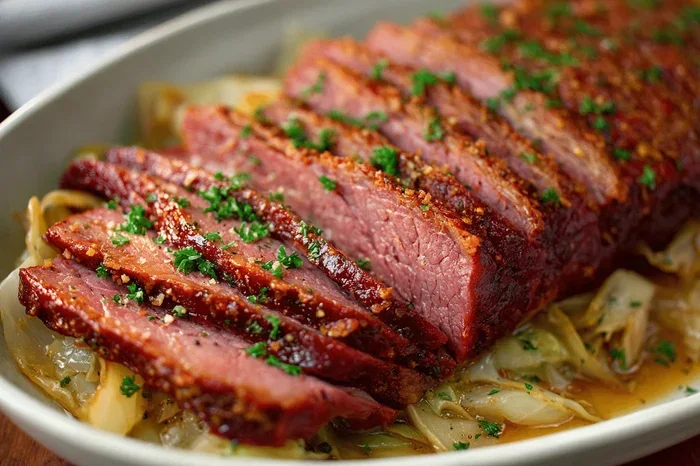
Remove the pot from the oven and let the brisket rest for 15 minutes. This is a crucial step. Resting allows the juices to redistribute throughout the meat. If you slice too early, the juices will run out and the meat will dry out. After resting, transfer the brisket to a cutting board. Slice it against the grain into thin pieces. This makes each bite melt in your mouth.
Quick Tip: Save the braising liquid! You can strain it and use it as a base for sandwiches or to moisten leftovers. It is packed with flavor from the spices and vegetables.
Timing and Temperature: The Perfect Roast
Getting the timing right is the key to a corned beef brisket in oven that wows. The general rule is 30-35 minutes per pound at 325°F. But ovens vary, so use a meat thermometer instead of relying solely on the clock. A digital probe thermometer takes the guesswork out of cooking.
How Long to Cook Corned Beef in the Oven
Here is a simple guide based on weight:
- 2-3 pound brisket: 2 to 2.5 hours
- 3-4 pound brisket: 3 to 3.5 hours
- 4-5 pound brisket: 3.5 to 4.5 hours
The oven temperature of 325°F is ideal for a slow braise. If you are in a hurry, you can increase to 350°F, but you will need to check the meat more often to prevent drying. I always recommend the lower temperature for a more forgiving cook. It gives you a wider window and reduces the risk of tough, dry edges.
Common Mistakes to Avoid
- Skipping the rinse: The brine is very salty. Rinsing the meat prevents the final dish from tasting overly salty.
- Using too much liquid: The broth should not cover the meat. Excess liquid can make the broth watery and dilute the flavor.
- Cutting too soon: Resting is non-negotiable. The meat needs time to reabsorb its juices.
- Slicing with the grain: Always cut against the grain. Slicing with the grain makes the meat chewy and tough.
Expert Insight: Many cooks wonder if they can cook corned beef brisket in a slow cooker instead. Yes, you can! The oven method gives you a slightly richer broth because the dry heat concentrates the flavors. But a slow cooker works great if you prefer set-it-and-forget-it cooking. Just keep the temperature low and the cooking time similar.
Serving and Storing Your Oven-Braised Brisket
A perfectly cooked corned beef brisket in oven is a feast on its own, but it shines alongside classic sides. The traditional pairing is boiled cabbage, potatoes, and carrots cooked in the same broth. You can also serve it with mustard, horseradish sauce, or a simple vinegar slaw. For sandwiches, pile the slices on rye bread with a touch of Swiss cheese and a spicy mustard.
Slicing Against the Grain
To get the most tender slices, look at the direction of the muscle fibers. The grain runs along the length of the flat cut. Position your knife perpendicular to those fibers and slice about a quarter-inch thick. This shortens the muscle fibers and makes each piece easy to chew. If you are serving the point cut, it is even more forgiving because the fat has melted into the meat.
Reheating Leftovers
Leftover corned beef reheats beautifully. The best method is to add a splash of the reserved braising liquid to a pan and warm the slices over low heat. You can also steam them in the microwave with a damp paper towel. Avoid high heat, which can dry out the meat. Properly stored, cooked brisket stays good in the refrigerator for up to 4 days and freezes well for up to 3 months.
Key Takeaway: A corned beef brisket in oven is a forgiving dish that rewards a little patience. Once you master the basic method, you can experiment with different spices, liquids, and sides. The core technique remains the same: low heat, enough liquid, and time.
Final Thoughts on Oven Corned Beef
Cooking corned beef brisket in oven is one of the most satisfying things you can do in the kitchen. It is a dish that fills the home with a comforting aroma and delivers a meal that feels both humble and special. Whether it is a holiday dinner or a cozy Sunday supper, this oven corned beef recipe never disappoints.
The method is straightforward. You rinse the brisket, nestle it with aromatics, cover it with broth, and let the oven do the work. The low and slow approach turns a tough cut into a tender meat that practically dissolves on your tongue. You will love the way the spices meld into a rich, savory broth that can be used for soup or sandwiches later.
I encourage you to try this corned beef brisket in oven recipe soon. It is forgiving, delicious, and perfect for feeding a crowd. Once you see how easy it is, you will want to make it again and again. Enjoy the process, savor the aroma, and share the results with people you love.
Frequently Asked Questions
Can I use a regular oven-safe pot instead of a Dutch oven?
Absolutely. Any deep, oven-safe pot with a tight-fitting lid will work. The Dutch oven is popular because it distributes heat evenly, but a heavy ceramic baking dish covered with foil does the same job. Just make sure the pot is large enough to hold the brisket comfortably.
How do I know if the corned beef is done without a thermometer?
You can test it by inserting a fork into the thickest part and twisting gently. If the meat falls apart easily, it is done. Another sign is when a knife slides through the meat with no resistance. A thermometer is the most reliable tool, aiming for 200-205°F internally.
What is the best way to reduce the saltiness of corned beef?
Rinsing the brisket under cold water before cooking removes a lot of surface salt. You can also soak the meat in cold water for a few hours before cooking, changing the water once or twice. During cooking, the broth dilutes the salt further, and adding a little brown sugar or mustard helps balance the flavor.
Can I cook frozen corned beef brisket in the oven?
It is best to thaw the brisket first for even cooking. Place it in the refrigerator for 24 hours before cooking. If you must cook it from frozen, add an extra hour to the cooking time and check the internal temperature carefully. The meat may cook unevenly if it is still partially frozen.
What vegetables pair best with oven corned beef?
Classic pairings include cabbage, potatoes, carrots, and celery. You can add them to the pot during the last hour of cooking. For a lighter option, serve the brisket with a tangy vinegar slaw or roasted root vegetables. The rich meat goes well with almost any roasted or steamed vegetable.
How long does leftover corned beef last in the fridge?
Cooked corned beef keeps in the refrigerator for up to 4 days when stored in an airtight container. The braising liquid can be kept separately and used within 3 days. For longer storage, freeze the meat in a sealed bag for up to 3 months. Reheat gently with a splash of broth to maintain moisture.