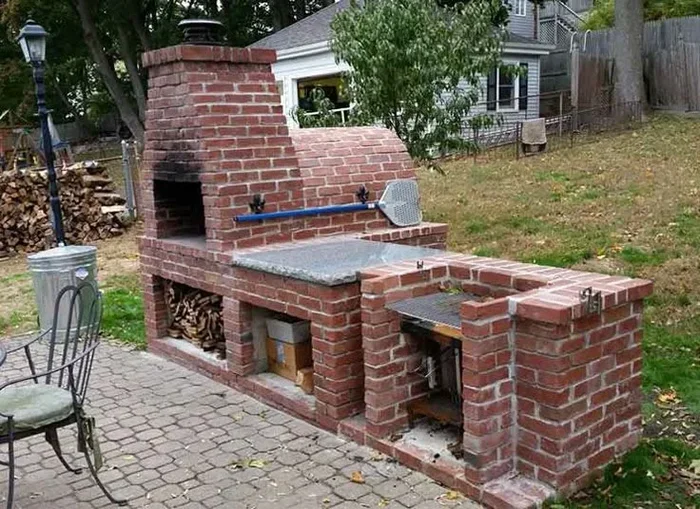
How Does A Brick Oven Work And What Makes It Special
A brick oven works by trapping and radiating intense heat from a fire built inside a dome-shaped structure made of firebrick and clay. The thick walls store heat energy, creating an even cooking surface that reaches temperatures above 800°F. What makes it special is the combination of radiant heat, convection currents, and thermal mass that delivers unmatched flavor and crisp results. Unlike modern ovens, a brick oven uses natural wood combustion to cook food quickly and evenly. This ancient cooking technology has been used for thousands of years and remains a favorite among pizza makers and home cooks alike.
This is a comprehensive guide about How Does A Brick Oven Work.
Key Takeaways
- Radiant heat is the primary cooking force: The dome shape reflects heat evenly onto the cooking floor and food.
- Thermal mass stores incredible energy: Thick brick walls absorb and slowly release heat for consistent cooking.
- Wood combustion creates unique flavor: Burning wood adds a smoky taste you cannot replicate in gas or electric ovens.
- Temperatures can exceed 800°F: This allows Neapolitan-style pizza to cook in just 60 to 90 seconds.
- Brick ovens work in three distinct phases: Fire-up, cooking, and cooling each serve different culinary purposes.
- Regular maintenance keeps the oven performing: Sealing cracks and cleaning ash ensures long-lasting use.
- Both outdoor and indoor models exist: You can enjoy brick oven cooking regardless of your space.
[FEATURED_IMAGE_PLACEHOLDER]
How Does A Brick Oven Work And Why It Has Endured For Centuries
A brick oven is one of the oldest cooking tools humans have ever used. People built the first versions thousands of years ago in ancient Rome and India. The basic design has barely changed. A brick oven works by trapping heat inside a thick, dome-shaped chamber made from firebrick, clay, or concrete. The heat comes from a fire built directly inside the oven. Once the inside walls are hot enough, you push the fire out and start cooking on the heated surfaces.
What makes a brick oven special is its ability to store and distribute heat in a way no modern oven can match. The thick walls act like a battery. They absorb heat during the fire-up phase and release it slowly during cooking. This creates an incredibly even cooking environment. The dome shape also reflects heat downward onto the food. This combination of radiant heat and stored thermal energy produces results that are crispy on the outside and perfectly moist on the inside.
Today, people love brick ovens for making pizza, baking bread, roasting vegetables, and even cooking meat. The smoky flavor from burning wood adds a depth of taste that gas ovens simply cannot provide. Whether you are a professional chef or a backyard cook, understanding how a brick oven works will help you get the best results every time.
The Basic Anatomy Of A Brick Oven
Before you can understand how a brick oven works, you need to know its parts. Each component plays a specific role in the cooking process.
The Dome: The dome is the curved ceiling of the oven. It reflects heat downward and creates convection currents inside the chamber. Hot air rises, hits the dome, and flows back down. This circular motion ensures even heat distribution across the entire cooking floor.
The Cooking Floor: The floor is made from firebrick or a special pizza stone. It stores heat from the fire and radiates it upward into the food. The floor temperature is what actually cooks your pizza or bread from below.
The Door and Chimney: The door controls airflow into the oven. A chimney at the top pulls smoke out and feeds oxygen to the fire. Proper airflow is essential for clean combustion and steady heat.
The Outer Shell: The outer layer is usually made from brick, stone, or insulated concrete. It protects the oven and helps retain heat inside the cooking chamber.
What Makes A Brick Oven Special Compared To Other Ovens
Most people wonder why brick ovens are so popular when modern electric and gas ovens exist. The answer lies in the unique way a brick oven generates and manages heat. No other cooking appliance can replicate the combination of extreme temperatures, radiant heat, and wood-fired flavor.
A standard home oven uses electric coils or gas burners to heat the air inside. The heat surrounds the food from all sides. A brick oven works very differently. The fire heats the brick walls and floor directly. These surfaces then radiate heat onto the food. This is called radiant heat cooking, and it is much more intense and focused than the convection heat in a regular oven.
Another advantage is speed. A brick oven preheats to full temperature in about 1 to 2 hours. At peak heat, it can cook a Neapolitan pizza in just 60 to 90 seconds. The crust becomes beautifully charred while the toppings stay fresh and slightly moist. This fast cooking method locks in flavors and textures that slow ovens simply cannot achieve.
The wood smoke also adds a layer of flavor that is impossible to fake. Even when you cook without smoke, the residual heat from the bricks gives food a subtle, earthy taste. This is why artisan bread baked in a brick oven has such a crispy crust and soft, airy crumb.
Radiant Heat Versus Convection Heat
Understanding the difference between radiant heat and convection heat is key to mastering a brick oven. Radiant heat comes directly from the hot brick surfaces. It cooks food by transferring energy through infrared waves. This is the primary cooking method inside a brick oven.
Convection heat comes from the movement of hot air inside the oven. The dome shape creates natural convection currents. Hot air rises, circulates, and flows back down. This secondary heat source ensures that food cooks evenly from all angles.
In a regular oven, convection is the main method. Hot air blows around the food from heating elements or gas flames. This works well but does not create the same crispy, charred results as radiant heat. A brick oven gives you both. The combination is what makes it so special.
The Three Phases Of Cooking In A Brick Oven
Cooking in a brick oven follows a natural sequence. Each phase serves a different purpose. Understanding these phases will help you get the most out of your oven every time.
Phase One: The Fire-Up
The first phase is building and maintaining the fire inside the oven. You start by placing kindling and logs in the center of the cooking floor. The fire burns for 30 to 60 minutes depending on the oven size and your target temperature.
During this phase, the brick walls absorb heat energy. The firebrick lining gets extremely hot. You want the entire dome to turn white or light gray. This is a visual indicator that the oven has reached peak temperature. The chimney pulls smoke upward and out of the oven. Fresh air enters through the door and feeds the flames.
Quick Tip: Use dry, seasoned hardwood for the best results. Oak, maple, and fruit woods like apple or cherry burn clean and produce excellent flavor. Avoid green or wet wood because it creates too much smoke and uneven heat.
Phase Two: The Cook
Once the oven reaches temperature, you push the fire and coals to the back or to the side. You sweep the floor clean. The oven is now ready for cooking. This is the phase where the magic happens.
During the cook phase, the stored heat in the brick walls radiates onto the food. The cooking floor temperature can exceed 800°F. Pizza cooks in under two minutes at this heat. Breads and roasts need lower temperatures, so you wait for the floor to cool slightly before placing them inside.
The cooking process moves from the hottest zone near the dome to the cooler zones near the opening. Experienced brick oven cooks use this temperature gradient to their advantage. They place pizzas near the top for maximum char and move roasts to the cooler areas for slower, more even cooking.
Phase Three: The Cool-Down
After cooking, the oven slowly loses heat over several hours. This cool-down phase is actually very useful. As the temperature drops, you can bake different foods at different heat levels.
At high temperatures above 600°F, you can still cook pizza and flatbreads. Around 400°F to 500°F, you can bake artisan bread and focaccia. At 300°F to 400°F, you can roast vegetables and meats. As the oven drops below 200°F, you can slow-dry herbs, cure cured meats, or keep food warm.
This multi-use capability is one of the biggest advantages of a brick oven. You get multiple cooking sessions from a single fire-up. It is efficient, economical, and incredibly fun to work with.
The Science Behind Heat Retention In A Brick Oven
The secret to a brick oven’s performance lies in thermal mass. Thermal mass refers to the ability of a material to absorb, store, and release heat energy over time. Firebrick has excellent thermal mass properties. It can absorb enormous amounts of heat without cracking or breaking down.
When you build a fire inside the oven, the heat transfers into the brick walls through conduction. The molecules inside the brick vibrate faster and absorb energy. Once the oven is fully heated, those molecules slowly release the stored energy as radiant heat. This process continues long after the fire is gone.
The thickness of the brick walls determines how long the oven holds heat. A traditional Neapolitan brick oven has walls that are 4 to 6 inches thick. This thickness provides several hours of cooking time from a single fire. Thinner ovens heat up faster but lose heat more quickly.
Why Firebrick Is The Best Material
Firebrick is the preferred material for brick oven construction. It is made from high-density clay that can withstand temperatures above 2,000°F. Regular household bricks would crack and crumble under that kind of heat.
Firebrick also has low thermal conductivity. This means it absorbs heat slowly and releases it even more slowly. The result is a stable, consistent cooking temperature that does not fluctuate wildly. This is critical for baking bread and cooking pizza evenly.
Expert Insight: Many professional oven builders recommend using a mix of firebrick for the cooking floor and insulating concrete for the outer dome. This combination maximizes heat retention while keeping the oven energy-efficient. The insulation prevents heat from escaping through the walls and floor.
Common Mistakes People Make When Using A Brick Oven
Even experienced cooks make mistakes when operating a brick oven. Avoiding these common errors will help you get better results and protect your oven from damage.
- Skipping the preheat: A brick oven needs a full preheat before cooking. Rushing this phase leads to uneven heat and poor cooking results. Always wait until the dome turns white before you start cooking.
- Using the wrong wood: Softwoods like pine create too much resin and soot. They can leave a bitter taste on your food. Always use seasoned hardwood for clean burning and great flavor.
- Overloading the oven with food: Placing too much food at once drops the temperature rapidly. Cook in small batches to maintain consistent heat throughout the session.
- Neglecting the floor temperature: The cooking floor cools faster than the dome. Check the floor temperature with an infrared thermometer before placing food directly on it.
- Ignoring cracks and damage: Small cracks in the brick or mortar can let heat escape. Inspect your oven regularly and repair any damage promptly to maintain performance.
- Not cleaning ash properly: Ash buildup on the cooking floor can affect heat distribution and leave residue on your food. Sweep the floor thoroughly between cooking sessions.
How To Build And Maintain Your Brick Oven For Best Performance
Building a brick oven is a rewarding project that anyone can tackle with basic masonry skills. The key is getting the dome shape right and using the right materials. A well-built oven will last for decades with proper care.
Start by choosing a level, stable base. Many people use a concrete slab or a sturdy outdoor kitchen counter. The foundation must support the heavy weight of the brick structure. A typical home brick oven weighs between 1,000 and 3,000 pounds depending on the size.
Build the firebrick dome first, shaping it into a smooth, rounded curve. Apply a layer of insulating material over the dome to trap heat inside. Then add the outer shell using regular brick or stone for aesthetics. The chimney should be positioned at the back of the dome and angled slightly upward to promote airflow.
Maintenance is simple but important. After each use, let the oven cool naturally. Do not pour water on hot bricks because thermal shock can cause cracking. Sweep out ash and debris regularly. Check the mortar joints annually and repoint any worn areas. With basic care, your brick oven will serve you for many years.
Seasonal Maintenance Checklist
- Inspect the dome for cracks before each season
- Clean the chimney and check for blockages
- Replace any damaged firebricks on the cooking floor
- Re-seal the door and chimney openings if needed
- Apply a thin layer of refractory mortar to worn joints
- Cover the oven with a weatherproof cover when not in use
Conclusion
A brick oven is a remarkable cooking tool that combines ancient design with incredible performance. The way it works is beautifully simple. Fire heats the brick walls and floor. The thermal mass stores energy. Radiant heat cooks the food evenly and quickly. The result is crispy pizza, perfectly baked bread, and flavorful roasts that no modern appliance can replicate.
Understanding how a brick oven works gives you the knowledge to use it confidently and get the best results. From the fire-up phase to the cool-down, each stage has its own purpose and rewards. Whether you are cooking for family or entertaining guests, a brick oven adds a special touch to every meal.
If you have been curious about building or using a brick oven, now is the perfect time to start. The combination of exceptional cooking results, wood-fired flavor, and the joy of working with fire makes it one of the most rewarding investments a home cook can make. Embrace the tradition, master the technique, and enjoy the incredible food that comes from a well-built brick oven.
How Does A Brick Oven Heat Food So Quickly?
A brick oven heats food quickly because the thick firebrick walls store a massive amount of thermal energy. When the oven is fully preheated, the dome and floor radiate intense heat directly onto the food. This radiant heat transfers energy much faster than the convected hot air in a standard oven. At temperatures above 800°F, a thin-crust pizza can cook in under 90 seconds.
Can You Use A Brick Oven Without Building A Fire Inside?
Yes, you can. Many people use their brick oven for baking bread or roasting without a live fire. You preheat the oven with a fire, then push out the coals and sweep the floor clean. The stored heat in the bricks continues to cook your food. This method works beautifully for breads, roasts, and slow-cooked dishes at lower temperatures.
What Type Of Wood Is Best For A Brick Oven?
Seasoned hardwood is the best choice for a brick oven. Oak, maple, ash, and fruitwoods like apple and cherry burn clean and produce excellent flavor. Avoid softwoods such as pine or cedar because they contain resin that creates excessive smoke and a bitter taste on food. Always use dry, split wood with low moisture content for the best results.
How Long Does It Take To Preheat A Brick Oven?
Preheating time depends on the oven size and the fuel you use. A small home brick oven typically takes 45 minutes to 1.5 hours to reach full cooking temperature. Larger ovens may need 2 hours or more. You can monitor progress by watching the dome color. When the white ash on the bricks turns a light gray, the oven is ready for cooking.
Is A Brick Oven Hard To Maintain?
Not at all. Brick ovens are surprisingly low maintenance. The main tasks include sweeping out ash after each use, inspecting the dome for cracks, and checking the chimney for blockages. Applying a thin layer of refractory mortar to worn joints once a year keeps the oven in excellent condition. With basic care, a brick oven can last for decades.
Can You Install A Brick Oven Indoors?
While most brick ovens are built outdoors, indoor versions do exist. These are typically smaller, ventless models designed for kitchen use. Indoor brick ovens require proper ventilation and clearance from combustible materials. Always follow local building codes and manufacturer guidelines when installing any wood-fired appliance indoors. Outdoor installations are the most common and safest option for most homeowners.
Frequently Asked Questions
What is How Does A Brick Oven Work?
How Does A Brick Oven Work is an important topic with many practical applications.