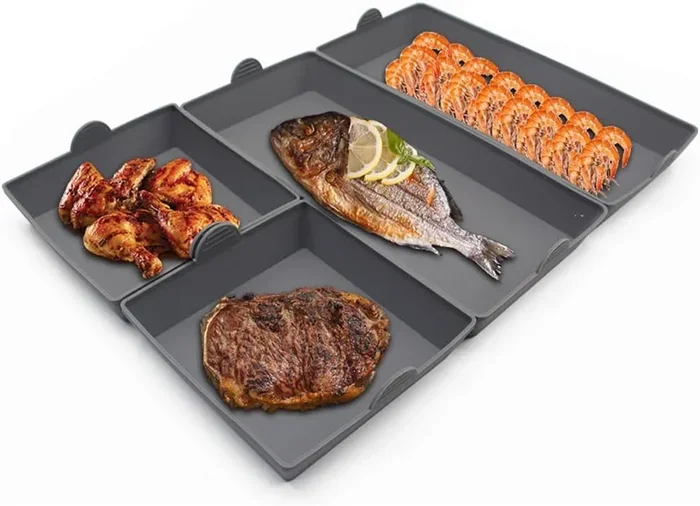
Can Silicone Go In The Oven Here Is Everything You Need To Know
Yes, silicone can go in the oven safely. Most silicone bakeware and tools are rated for temperatures up to 450°F, making them a versatile choice for everyday cooking. Silicone is heat resistant, non toxic, and easy to clean, which is why home cooks love using it for baking and roasting. In this guide, we will answer the question “can silicone go in the oven” with full detail, covering temperature limits, safety tips, and real-world usage advice.
Have you ever pulled out a silicone muffin tin and wondered, “can silicone go in the oven?” You are not alone. Many home cooks are curious about whether their silicone baking tools are truly safe for oven use. The short answer is yes. Silicone is one of the most popular materials in modern kitchens, and for good reason. It is flexible, lightweight, and handles heat remarkably well. But there is more to know than just a simple yes. In this article, we will cover everything you need to understand about using silicone in the oven. You will learn about temperature limits, safety facts, best practices, and common mistakes to avoid. By the end, you will feel confident using all your silicone bakeware without worry.
Silicone has changed the way we bake. From silicone cake pans to silicone baking mats, this material has become a kitchen staple. It offers non stick performance that metal and glass simply cannot match. But the question “can silicone go in the oven” comes up often because people want to be sure they are not taking unnecessary risks with their food or their oven. Let us dive deep into the world of silicone and oven safety so you can bake with complete peace of mind.
Key Takeaways
- Silicone is oven safe up to 450°F: Most high quality silicone can handle standard baking and roasting temperatures without melting or releasing harmful chemicals.
- Always check the manufacturer label: Not all silicone products are the same. Look for food grade silicone and verify the temperature rating before placing it in the oven.
- Use a baking sheet underneath: Silicone bakeware works best when placed on a metal baking sheet for stability and even heat distribution.
- Silicone does not release toxins when heated: Unlike some plastics, food grade silicone remains inert and safe at high temperatures.
- Proper care extends silicone life: Hand washing and storing silicone flat helps maintain its shape and non stick surface for years.
- Silicone is a great alternative to metal pans: It offers non stick performance, flexibility, and lightweight handling that metal cannot match.
- Know the signs of wear: Discoloration, tearing, or loss of shape means it is time to replace your silicone bakeware.
📑 Table of Contents
- What Is Silicone and Why Is It Oven Safe?
- Temperature Limits for Silicone in the Oven
- Types of Silicone Bakeware You Can Use in the Oven
- Benefits of Using Silicone in the Oven
- Common Mistakes to Avoid with Silicone in the Oven
- Expert Tips for Getting the Best Results
- Silicone vs Other Oven Safe Materials
- Is All Silicone Created Equal?
- The Bottom Line: Can Silicone Go In The Oven?
What Is Silicone and Why Is It Oven Safe?
Understanding Silicone Material
Silicone is a synthetic material made from silica, which comes from sand. It is not the same as plastic. Silicone is a rubber like polymer that combines flexibility with heat resistance. This unique blend of properties is why so many kitchen tools are now made from silicone. When you ask “can silicone go in the oven,” the answer comes down to how silicone is built at a molecular level. The bonds in silicone are very stable, which means they do not break down easily when exposed to heat.
Food grade silicone is the type you should always look for in your kitchen. This means it has been tested and approved for contact with food. It does not contain harmful chemicals like BPA or phthalates. When you buy silicone bakeware, always check that it is labeled as food grade. This ensures that your silicone will remain safe even at high temperatures inside a hot oven.
How Silicone Handles Heat
One of the main reasons people love silicone is its ability to handle heat. Most silicone products can withstand temperatures ranging from negative 40 degrees Fahrenheit all the way up to 450 degrees Fahrenheit. This wide range makes silicone incredibly versatile. You can take it from the freezer to the oven without any issues. The material does not warp, melt, or release toxic fumes when heated within its safe range.
So when you wonder “can silicone go in the oven,” the heat resistance of silicone is the key reason the answer is yes. Unlike regular plastic, which warps and melts, silicone holds its shape and remains stable. This makes it ideal for baking, roasting, and even broiling in most cases. Just remember to stay within the temperature limit recommended by the manufacturer.
Temperature Limits for Silicone in the Oven
Standard Silicone Temperature Range
Most silicone bakeware is rated for use up to 450 degrees Fahrenheit. This covers almost all baking and roasting needs. Whether you are baking cookies, cakes, bread, or roasting vegetables, your silicone tools can handle the job. Some premium silicone products are rated even higher, up to 500 degrees Fahrenheit. Always check the product packaging or manufacturer guidelines to confirm the exact temperature limit for your specific item.
Here is a quick look at common oven temperatures and how silicone handles them:
- 325 degrees Fahrenheit: Perfect for cakes, brownies, and quick breads. Silicone performs beautifully at this temperature.
- 350 degrees Fahrenheit: The most common baking temperature. Silicone bakeware works great here with no issues.
- 375 degrees Fahrenheit: Ideal for cookies and pastries. Silicone mats and pans handle this easily.
- 400 degrees Fahrenheit: Great for roasting vegetables and meats. Silicone remains stable and safe.
- 450 degrees Fahrenheit: The upper limit for most silicone. Do not exceed this unless the product specifically states otherwise.
What Happens When Silicone Gets Too Hot?
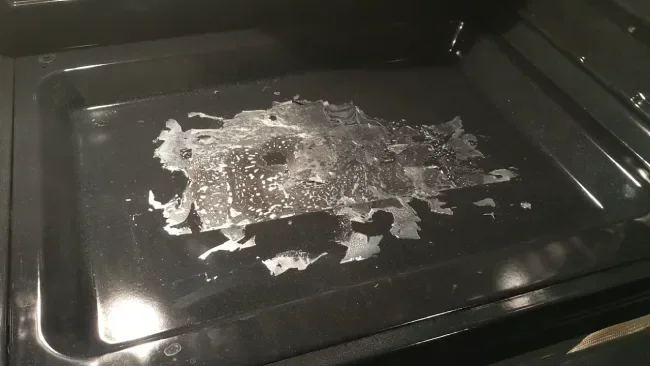
If you expose silicone to temperatures above its rated limit, several things can happen. The silicone may turn discolored, become sticky, or lose its shape. In extreme cases, it could release an unpleasant odor. However, silicone does not produce toxic fumes the way some plastics do. Even if you accidentally overheat silicone, it is unlikely to become dangerous. Still, it is best to avoid going over the recommended temperature to keep your silicone bakeware in top condition for years to come.
Types of Silicone Bakeware You Can Use in the Oven
Silicone Baking Mats
Silicone baking mats are one of the most popular silicone products on the market. These thin, flexible mats replace parchment paper and prevent food from sticking to your baking sheets. They are reusable, eco friendly, and incredibly easy to clean. When placed on a metal baking sheet, they provide a flat, stable surface for baking cookies, pastries, and even bread. Many bakers swear by silicone mats because they eliminate the need for greasing pans and reduce food waste from disposable parchment paper.
You can absolutely place silicone baking mats directly in the oven. They are designed to handle the full baking temperature range. Just make sure the mat is flat on the baking sheet and not folded or bunched up. Folding can create hot spots and uneven baking. A flat placement ensures your food bakes evenly and safely.
Silicone Cake Pans and Muffin Tins
Silicone cake pans and muffin tins have become go to choices for home bakers. They are lightweight, flexible, and make removing baked goods effortless. You do not need to grease them heavily because silicone has excellent non stick properties. Simply fill the pan, place it on a baking sheet, and put it in the oven. After baking, the cake or muffins pop out with minimal effort.
The flexibility of silicone pans is both a benefit and a consideration. You should always place silicone cake pans on a firm baking sheet before putting them in the oven. The pan needs a solid base to hold its shape during baking. Without a baking sheet underneath, the soft silicone may sag or tilt, causing your batter to spill. So when you use a silicone cake pan, always pair it with a metal baking sheet for the best results.
Silicone Molds and Accessories
Beyond cake pans and muffin tins, there is a wide range of silicone molds and accessories available. You can find silicone bread pans, silicone tart molds, silicone donut makers, and even silicone ice cube trays that double as freezer to oven tools. These molds are great for portion control, decorative baking, and making fun shaped treats for kids. Most silicone molds are oven safe and can handle standard baking temperatures without any problems.
Silicone spatulas, whisks, and tongs are also oven safe to a point. These tools are handy for stirring batter, folding dough, and flipping food in the oven. However, keep in mind that the handles of silicone kitchen tools may not be fully heat resistant. Always check if the handle is rated for oven use before leaving a silicone spatula inside a hot oven for extended periods.
Benefits of Using Silicone in the Oven
Non Stick Performance
The non stick surface of silicone is one of its biggest advantages. Food slides right off silicone pans and mats without sticking or burning. This means you use less oil and butter, making your baked goods a bit healthier. Cleanup is also a breeze because nothing clings to the surface. Whether you are baking a cake, roasting vegetables, or making muffins, silicone delivers consistent non stick results every time.
Compared to traditional metal pans, silicone requires far less preparation. You do not need to grease the pan, line it with parchment paper, or spray it with cooking spray. This saves time and reduces the mess in your kitchen. For many home cooks, the non stick benefit alone is enough reason to switch to silicone bakeware.
Easy Cleanup and Durability
Cleaning silicone bakeware is incredibly simple. Most silicone items are dishwasher safe, though hand washing with warm soapy water works just as well. Food residue wipes away easily, and there are no stubborn stains that refuse to come off. Silicone does not absorb odors or flavors from food, so your bakeware stays fresh and neutral after every wash.
Durability is another major benefit. High quality silicone bakeware can last for years with proper care. It does not rust, corrode, or scratch like metal pans. The material is resistant to stains from tomato sauce, chocolate, and turmeric. As long as you follow the care guidelines, your silicone tools will remain in excellent condition for a long time.
Common Mistakes to Avoid with Silicone in the Oven
Using Silicone Without a Baking Sheet
This is one of the most common mistakes home cooks make. Silicone is flexible, which means it needs a solid base to hold its shape in the oven. Placing a silicone muffin tin or cake pan directly on the oven rack without a baking sheet underneath can cause it to collapse. The batter will spill, and your baked goods will be ruined. Always place silicone bakeware on a metal baking sheet before putting it in the oven. This gives it the support it needs and ensures even heat distribution.
Overfilling Silicone Molds
Silicone molds are flexible, which can make it tempting to fill them right to the top. However, overfilling leads to spills and uneven baking. As batter rises in the oven, it needs room to expand. Fill silicone molds to about two thirds full for the best results. This prevents overflow and ensures your baked goods come out looking neat and professional.
Cutting Food Directly on Silicone Surfaces
While silicone is heat resistant, it is not meant to be used as a cutting board. Cutting directly on silicone surfaces can create small cuts and scratches. These tiny cuts can harbor bacteria and affect the non stick surface over time. Always transfer your baked goods to a cutting board before slicing. This simple habit will keep your silicone bakeware in great shape for much longer.
Using Sharp Objects on Silicone
Avoid using knives, pizza cutters, or any sharp utensils directly on silicone surfaces. Even though silicone is quite durable, sharp objects can cause permanent damage. Small cuts and tears may not be visible right away, but they can worsen over time and affect the performance of your silicone bakeware. Use wooden, silicone, or plastic utensils when working with silicone pans and mats.
Expert Tips for Getting the Best Results
How to Care for Your Silicone Bakeware
Taking care of your silicone bakeware is simple but important. After each use, wash the silicone with warm water and mild dish soap. For tough stains, make a paste of baking soda and water, gently rub it on the surface, and rinse thoroughly. Avoid using abrasive scrubbers or steel wool, as these can damage the silicone surface. Store your silicone bakeware flat or rolled up. Avoid folding or creasing it for long periods, as this can cause permanent lines and affect its performance.
If you notice any buildup from oils or food residue, you can boil your silicone in water for a few minutes. This deep cleaning method restores the non stick surface and removes any trapped odors. Let the silicone cool completely before handling it. With regular care, your silicone bakeware will look and perform like new for years.
When to Replace Silicone Kitchen Tools
Even with the best care, silicone does not last forever. You should replace your silicone bakeware if you notice any of the following signs: visible tears or holes, permanent discoloration, a sticky or tacky surface, loss of shape, or a persistent odor even after washing. These are all indicators that the silicone has degraded and may not perform as well. Replacing worn silicone tools ensures your baking results remain consistent and safe.
Silicone vs Other Oven Safe Materials
When choosing bakeware, it helps to compare silicone with other common oven safe materials. Metal pans, glass dishes, and ceramic bakeware each have their own strengths. Metal heats up quickly and provides excellent browning, but it can rust and scratch. Glass dishes are great for casseroles and are easy to see when food is done, but they are heavy and can break. Ceramic looks beautiful and retains heat well, but it is fragile and often requires careful handling.
Silicone stands out for its flexibility, lightweight design, and non stick performance. It is the easiest material to handle and clean. While it may not provide the same browning as metal, you can solve this by placing silicone bakeware on a preheated metal baking sheet. This gives you the best of both worlds, the non stick convenience of silicone and the browning power of metal. For most everyday baking tasks, silicone is an excellent choice that works beautifully in the oven.
Is All Silicone Created Equal?
Not all silicone is the same. The quality of silicone can vary widely between brands and products. Cheap silicone may contain fillers that affect its heat resistance and durability. High quality, food grade silicone is pure and free from harmful additives. When shopping for silicone bakeware, look for products that are labeled as food grade, platinum cured, or medical grade. These terms indicate a higher quality silicone that is safer and more durable. Avoid silicone products that have a strong chemical smell, as this can be a sign of low quality materials.
The price of silicone bakeware can vary, but investing in good quality silicone is worth it. Premium silicone lasts longer, performs better, and remains safe for oven use over time. When in doubt, choose reputable brands and read customer reviews before purchasing. Your baking experience will be much better with reliable, high quality silicone tools.
The Bottom Line: Can Silicone Go In The Oven?
The answer to “can silicone go in the oven” is a clear and confident yes. Silicone is a safe, heat resistant, and versatile material that works beautifully in ovens up to 450 degrees Fahrenheit. It offers non stick performance, easy cleanup, and long lasting durability. By following simple guidelines, such as using a baking sheet underneath, staying within temperature limits, and caring for your silicone properly, you can enjoy all the benefits of silicone bakeware for years to come.
Whether you are a beginner baker or a seasoned cook, silicone tools can make your kitchen experience better. They are lightweight, flexible, and incredibly easy to use. So the next time you reach for your silicone cake pan or baking mat, you can do so with complete confidence. Your silicone is oven safe, your food is protected, and your baking results will be delicious every time.
Frequently Asked Questions
Can you put silicone in a toaster oven?
Yes, silicone is safe to use in a toaster oven as long as the temperature stays within the recommended range. Most silicone bakeware handles up to 450 degrees Fahrenheit, which covers the typical toaster oven temperature range. Just make sure the silicone fits inside the toaster oven and is placed on a stable surface. Always check the manufacturer guidelines for your specific silicone product before using it in a toaster oven.
Is silicone toxic when heated?
Food grade silicone is non toxic and safe when heated. It does not release harmful chemicals or fumes at normal baking temperatures. This is one of the main reasons silicone has become so popular in kitchens worldwide. However, you should always make sure the silicone you buy is labeled as food grade and free from harmful additives. Low quality silicone with fillers may not be as safe, so choose trusted brands.
What temperature does silicone melt?
Silicone does not easily melt under normal oven conditions. Most silicone can withstand temperatures up to 450 degrees Fahrenheit without melting or deforming. At extremely high temperatures above 500 degrees Fahrenheit, silicone may begin to degrade, but this is far beyond typical home oven use. As long as you stay within the recommended temperature range, your silicone bakeware will remain stable and safe.
Can silicone go from the freezer to the oven?
Yes, silicone can go from the freezer to the oven without any problems. The material is designed to handle a wide temperature range, from negative 40 degrees Fahrenheit to 450 degrees Fahrenheit. This makes silicone ideal for freezing dough, baking frozen items, and everything in between. Just make sure the silicone item is placed on a baking sheet for support when going from the freezer to the hot oven.
How do you know if silicone is oven safe?
Check the product label or packaging for oven safe instructions. Most silicone bakeware will clearly state the maximum temperature it can handle. Look for labels that say food grade, oven safe, or include a temperature rating. If you are unsure about a specific silicone item, contact the manufacturer directly. They can confirm whether the product is safe for oven use and at what temperature limit.
Can you use silicone directly on the oven rack?
It is best to place silicone bakeware on a baking sheet rather than directly on the oven rack. Silicone is flexible and needs a solid base to hold its shape. Placing it directly on the rack can cause it to sag, tip, or spill. A metal baking sheet provides the stability and support your silicone needs for safe and even baking. This simple step makes a big difference in your baking results.
=== CONCLUSION ===
The question “can silicone go in the oven” has a clear and reassuring answer. Silicone is a safe, reliable, and highly practical material for oven use. It handles high temperatures, provides excellent non stick performance, and makes cleanup a breeze. With the right care and attention to temperature limits, your silicone bakeware will serve you well for many years. Remember to always use a baking sheet underneath, avoid sharp objects, and replace worn silicone when needed. By following these simple tips, you can enjoy all the benefits that silicone has to offer in your kitchen. Happy baking!