How To Warm Fried Chicken In Oven Without Drying It Out
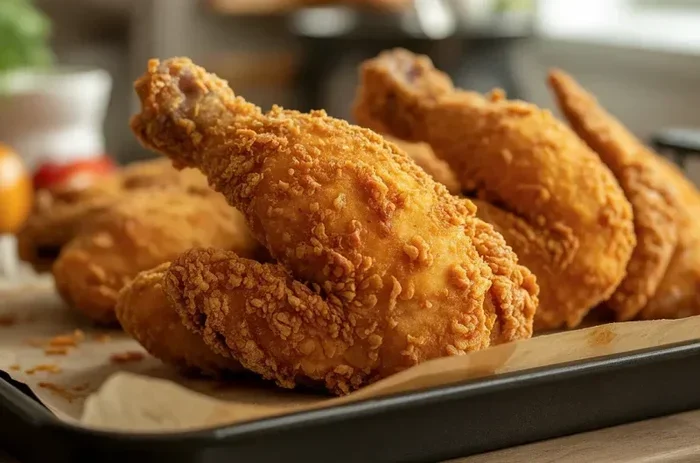
Warming fried chicken in the oven the right way keeps it crispy on the outside and juicy on the inside. Whether you are reheating leftover fried chicken or meal-prepping for the week, how to warm fried chicken in oven without losing its crunch is the key to enjoying every bite. This guide covers oven temperature settings, timing, and simple tricks that make a huge difference. You will learn why a wire rack matters, how aluminum foil helps retain moisture, and what internal temperature to aim for. By the end, you will know exactly how to get restaurant-quality reheated fried chicken at home.
Fried chicken is one of the most beloved comfort foods on the planet. Whether you grabbed a bucket from your favorite restaurant or cooked a big batch at home, there is almost always more than you can eat in one sitting. The problem is that reheating fried chicken can feel like a gamble. You end up with either dry, rubbery meat or a soggy, limp coating that bears no resemblance to the crispy masterpiece you started with.
The good news is that how to warm fried chicken in oven is simpler than most people think. The oven is hands down the best tool for this job. It distributes heat evenly, preserves the texture of the breading, and keeps the meat juicy. In this article, we will walk you through every step, tip, and trick you need to know. By the time you finish reading, you will be able to reheat leftover fried chicken like a pro.
Key Takeaways
- Use 350°F as your target oven temperature for even, gentle reheating without burning the coating.
- Always place chicken on a wire rack over a baking sheet to allow hot air to circulate underneath.
- Cover with aluminum foil for the first half of reheating to lock in moisture and prevent drying.
- Let the chicken come to room temperature before placing it in the oven for more even heating.
- Check the internal temperature with a meat thermometer to ensure food safety at 165°F.
- Avoid microwaving when possible because it turns the crispy coating soggy and rubbery.
- Brush a thin layer of oil on the crust before reheating to restore crispiness and golden color.
📑 Table of Contents
- Why Reheating Fried Chicken Is Tricky
- Best Oven Temperature To Warm Fried Chicken
- Step-by-Step Guide To Warming Fried Chicken In Oven
- Tips For Keeping The Coating Crispy
- Common Mistakes To Avoid When Reheating Fried Chicken
- Expert Insights And Pro Tips
- How To Store Fried Chicken For Best Reheating Results
- Frequently Asked Questions
Why Reheating Fried Chicken Is Tricky
Not all foods reheat well. Fried chicken is especially tricky because it has two very different components that react to heat in opposite ways. The crispy breading needs dry, high heat to stay crunchy, while the chicken meat needs gentle, even heat to stay moist. If you apply too much heat too quickly, the outside burns before the inside warms up. If you apply too little heat, the coating loses its crunch and turns chewy.
This is exactly why many people reach for the microwave. It is fast and convenient. But the microwave uses steam to heat food, and steam is the enemy of crispy fried chicken coating. Within seconds, that beautiful golden crust turns soft and limp. The meat can also become tough and rubbery because microwaves heat unevenly, creating hot spots and cold spots.
The oven solves both of these problems. It uses dry, circulating heat that warms the chicken gradually and evenly. When you follow the right steps, the coating stays crispy and the meat stays tender. Reheating fried chicken in the oven is really just about controlling temperature, timing, and moisture.
Best Oven Temperature To Warm Fried Chicken
Temperature is the single most important factor when how to warm fried chicken in oven. Too hot and you will burn the outside while the inside stays cold. Too cool and the chicken dries out before it ever reaches a safe eating temperature. The sweet spot is 350 degrees Fahrenheit (175 degrees Celsius).
Why 350°F Works So Well
At 350°F, the heat is hot enough to warm the chicken through in a reasonable amount of time, but gentle enough to avoid burning the breading. This temperature allows the crispy coating to re-crisp slightly without turning brittle or dark brown. It also gives the chicken juices time to redistribute throughout the meat, keeping each bite moist and flavorful.
Some people prefer to start at a slightly higher temperature of 400°F for the first five minutes to kickstart the crisping process. Then they reduce it to 350°F for the remainder of the time. This two-stage approach works well if you are in a hurry, but 350°F for the entire process is the most reliable method for beginners.
Here is a quick comparison of common oven temperatures for reheating fried chicken:
| Oven Temperature | Reheating Time | Result |
|---|---|---|
| 300°F | 20-25 minutes | Very moist but coating stays soft |
| 350°F | 10-15 minutes | Best balance of crispy coating and juicy meat |
| 400°F | 8-12 minutes | Extra crispy but risks drying out the meat |
| Microwave (for comparison) | 2-3 minutes | Fast but soggy coating and rubbery meat |
As you can see, 350°F is the clear winner for most situations. It gives you the best results with the least risk.
Step-by-Step Guide To Warming Fried Chicken In Oven
Now that you know the right temperature, let us walk through the full process. Following these steps will give you perfectly reheated fried chicken every single time.
Step 1: Preheat Your Oven
Start by preheating your oven to 350°F. Do not skip this step. Putting cold chicken into a cold oven means uneven reheating and a longer cook time, which dries out the meat. Give your oven at least 10 minutes to reach the target temperature before the chicken goes in.
Step 2: Bring The Chicken To Room Temperature
Take the fried chicken out of the refrigerator about 15 to 20 minutes before reheating. Letting it sit on the counter allows the meat to warm up slightly. This small step makes a big difference because the chicken heats more evenly from edge to center. It also reduces the total time in the oven, which helps prevent drying.
Food safety tip: Do not leave chicken out for more than 2 hours. Bacteria can grow on perishable foods left at room temperature for too long. If your kitchen is very warm, keep the waiting time shorter.
Step 3: Set Up Your Wire Rack
This is the secret most people miss. Place a wire cooling rack over a baking sheet or oven-safe dish. The wire rack allows hot air to flow all around the chicken, including underneath. This prevents the bottom of the coating from getting soggy from sitting in pooled juices or steam.
If you do not have a wire rack, you can use a baking sheet lined with a few pieces of aluminum foil crumpled into small balls. These act as mini stands that lift the chicken slightly off the surface. But a wire rack is far more effective and easier to use.
Step 4: Arrange The Chicken On The Rack
Place each piece of fried chicken on the wire rack with space between them. Do not stack or overlap the pieces. Crowding the pan blocks airflow and causes some pieces to steam instead of reheat. If you have a lot of chicken, use two baking sheets or reheat in batches.
Step 5: Cover With Aluminum Foil
Lightly tent the chicken with a sheet of aluminum foil. Do not wrap it tightly or seal it completely. You want a loose cover that traps some steam and keeps the meat from drying out during the first phase of reheating. The foil also reflects heat back toward the chicken for more even warming.
Step 6: Reheat For 10-12 Minutes
Place the pan in the oven and set a timer for 10 minutes. At this point, the crispy coating is gently warming and the chicken is heating through. The foil cover helps retain moisture so the meat stays tender.
Step 7: Remove The Foil And Crisp For 3-5 Minutes
After 10 minutes, carefully remove the aluminum foil. Check the internal temperature with a meat thermometer. You want the thickest part of the chicken to reach 165 degrees Fahrenheit. If it is not there yet, continue reheating for a few more minutes.
Once the chicken is fully warmed through, remove the foil and let the chicken finish for an additional 3 to 5 minutes. This uncovered time allows the coating to re-crisp and turn golden again. Watch it closely during this phase so it does not burn.
Step 8: Rest And Serve
Take the chicken out of the oven and let it rest for 2 to 3 minutes. This brief rest allows the juices to settle back into the meat. When you cut into it, the juices stay inside instead of running all over the plate. Serve immediately and enjoy your crispy, juicy reheated fried chicken.
Tips For Keeping The Coating Crispy
Everyone knows the frustration of biting into reheated fried chicken only to find a soft, flabby coating. The good news is that a few simple tricks can keep your crispy fried chicken coating intact even after reheating.
- Brush the chicken with a thin layer of oil. Before placing the chicken in the oven, use a pastry brush to lightly coat the top of each piece with vegetable oil or melted butter. This helps the coating brown and crisp up during the final uncovered phase of reheating.
- Do not overheat. Leaving the chicken in the oven too long is the fastest way to dry it out. Stick to the recommended times and check early rather than late.
- Use parchment paper on the baking sheet. This prevents the bottom of the coating from sticking and getting soggy from any drips or juices.
- Reheat in a single layer. Overlapping pieces trap steam between them, which softens the coating. Give each piece its own space on the wire rack.
- Store leftover fried chicken properly. How you store the chicken before reheating matters too. Place it in an airtight container in the refrigerator. Proper storage keeps the coating from absorbing moisture overnight, which makes reheating much easier.
Quick Tip: The Light Steam Trick
Before reheating, take a damp paper towel and gently dab the surface of the chicken lightly. This adds just enough moisture to the coating to prevent it from drying out during reheating. It sounds counterintuitive, but it works wonders for keeping the breading from turning hard and crackly.
Common Mistakes To Avoid When Reheating Fried Chicken
Even with the best intentions, it is easy to make mistakes when reheating fried chicken. Here are the most common errors and how to avoid them.
Mistake 1: Using The Microwave
The microwave is the number one enemy of crispy fried chicken. It heats using microwave radiation that excites water molecules in the food. This creates steam inside the coating, which makes it soggy and limp. The meat can also become tough and chewy because the heat is uneven. Save the microwave for emergencies only and use the oven whenever possible.
Mistake 2: Skipping The Wire Rack
Placing chicken directly on a baking sheet or in a dish traps steam underneath. The bottom of the coating absorbs this moisture and turns soft. A wire rack elevates the chicken and allows air to circulate freely around every surface. This is one of the easiest ways to improve your results.
Mistake 3: Reheating From Cold
Putting fridge-cold chicken straight into a hot oven creates a temperature gap that leads to uneven reheating. The outside overcooks while the inside stays cold. Taking the chicken out 15 minutes early to take the chill off makes a noticeable difference in the final result.
Mistake 4: Setting The Temperature Too High
It is tempting to crank the oven up to 425°F or higher to speed things along. But high heat burns the breading before the inside of the chicken reaches a safe temperature. Stick with 350°F and be patient. The extra few minutes are well worth the perfectly warmed result.
Mistake 5: Overcrowding The Pan
Fitting too many pieces on one sheet pan blocks airflow and causes the chicken to steam. This is especially true for thicker pieces like thighs and drumsticks. If you have a lot of leftover fried chicken, reheat in two batches. The quality difference is dramatic.
Expert Insights And Pro Tips
Professional chefs and cooking instructors share a few insights that can take your reheated fried chicken to the next level. These tips come from years of experience and real-world testing.
Use a meat thermometer every time. Even experienced cooks rely on a probe thermometer when reheating chicken. Visual cues like color or firmness are not reliable indicators of doneness. The safe internal temperature for reheated chicken is 165°F at the thickest point. This is especially important when dealing with fried chicken leftovers that have been stored for more than a day.
Add a splash of water to the baking sheet. Pour about a quarter cup of water into the bottom of the baking sheet before placing the rack with chicken inside. As the water heats, it creates a humid environment that keeps the meat moist without softening the coating. This trick is especially helpful for thicker cuts like bone-in thighs.
Season after reheating. Fried chicken loses some of its surface seasoning during storage and reheating. A light sprinkle of salt, paprika, or your favorite seasoning blend right after the chicken comes out of the oven brings the flavor back to life. This small step makes a surprisingly big difference.
For extra crispy results, try a quick broil. After the chicken is fully warmed and the coating is re-crisped, switch your oven to the broil setting for 60 to 90 seconds. Watch it like a hawk because broiling is intense and can burn the coating in seconds. This gives the chicken an extra crunch that is hard to achieve any other way.
Reheat only what you plan to eat. Every time you reheat chicken and then store it again, the quality goes down. The coating gets softer and the meat dries out a little more. Reheat individual portions instead of the whole batch. This is the best practice for how to warm fried chicken in oven when you want consistently great results.
How To Store Fried Chicken For Best Reheating Results
Proper storage is the foundation of great reheating. If you store your fried chicken correctly, the reheating process becomes much easier and more effective.
- Cool the chicken quickly. Do not leave fried chicken sitting out at room temperature for more than 2 hours. Once it has cooled to room temperature, move it to the refrigerator promptly.
- Use an airtight container. Oxygen exposure dries out the coating over time. An airtight container or zip-lock bag keeps moisture in and prevents the crust from becoming stale.
- Separate layers with parchment paper. If you are stacking pieces, place a sheet of parchment paper between each layer. This prevents the pieces from sticking and absorbing each other’s moisture.
- Consume within 3 to 4 days. Fried chicken stored in the refrigerator stays at its best for 3 to 4 days. After that, the quality declines noticeably. For longer storage, freeze the chicken in a single layer on a baking sheet first, then transfer to a freezer bag.
When you are ready to reheat frozen fried chicken, thaw it in the refrigerator overnight first. Do not try to reheat frozen chicken directly from the freezer. The outside will overcook before the inside thaws, resulting in dry meat and uneven heating.
Frequently Asked Questions
Can I reheat fried chicken in the oven without foil?
Yes, you can, but the results will not be as moist. The foil acts as a gentle barrier that traps steam and keeps the meat from drying out during the first phase of reheating. If you skip the foil, reduce your oven time by about 2 minutes and monitor the chicken closely to prevent it from drying out.
How long can you keep reheated fried chicken in the fridge?
Reheated fried chicken should be eaten within 3 to 4 days of reheating. Store it in an airtight container in the refrigerator. Do not reheat the same piece of chicken more than once, as this increases the risk of foodborne illness and degrades both the texture and flavor of the coating.
What is the best way to keep fried chicken crispy after reheating?
The best way is to use a wire rack in a 350°F oven, cover with foil for the first half of reheating, and then uncover for the final few minutes. This allows the coating to re-crisp while keeping the meat juicy. Avoid microwaving at all costs if crispy texture is your goal.
Can you warm fried chicken in oven from frozen?
It is not recommended. Reheating frozen chicken in the oven leads to uneven heating, where the outside overcooks before the inside thaws. Always thaw frozen fried chicken in the refrigerator overnight before reheating for the best results and food safety.
Why does my reheated fried chicken taste different from fresh?
Fried chicken tastes best right after cooking because the coating is at its crispiest and the juices are at their peak. Reheating inevitably changes the texture slightly. However, following the proper oven method with a wire rack, foil cover, and correct temperature can get you remarkably close to the fresh taste and crunch.
Is it safe to reheat fried chicken in the oven?
Yes, reheating fried chicken in the oven is perfectly safe as long as the internal temperature reaches 165°F. The oven is actually one of the safest and most effective methods for reheating chicken because it heats evenly and thoroughly. Always use a meat thermometer to verify doneness before serving.