Best Way To Cook Grouper In Oven For Perfect Results
The best way to cook grouper in oven is simple, fast, and delivers restaurant-quality results at home. Oven-baked grouper stays moist, flaky, and full of flavor when you follow a few key steps. This guide covers everything from prep and seasoning to timing and temperature for perfect grouper fillets every time.
There is something truly special about oven-baked grouper. It is a fish that is mild, sweet, and incredibly versatile. Whether you are a seasoned cook or just starting out in the kitchen, learning the best way to cook grouper in oven will change your weeknight dinners forever.
Grouper is a white fish that flakes beautifully and absorbs flavors like a sponge. When baked in the oven, it develops a tender texture that pairs well with almost any seasoning or side dish. In this guide, we will walk you through every step to get perfect grouper fillets with crispy edges and a moist, flaky center.
We will cover everything from choosing the right fillets to nailing the temperature and timing. By the end, you will feel confident enough to make baked grouper a regular part of your meal rotation. Let us dive in.
Key Takeaways
- Oven-baked grouper is easy: It requires minimal ingredients and simple steps for a delicious meal.
- Temperature matters: Baking at the right heat ensures grouper stays moist and flaky.
- Seasoning makes the difference: Lemon butter, herbs, and Parmesan elevate the flavor of grouper fillets.
- Avoid common mistakes: Overcooking is the #1 enemy of oven-baked fish.
- Pair it well: The right sides complement the mild, sweet taste of grouper perfectly.
- Quick prep is key: Most oven grouper recipes come together in under 15 minutes.
- Fresh or frozen works: Either type of grouper can turn out amazing with the right technique.
📑 Table of Contents
- Why Oven-Baked Grouper Is the Best Choice
- How to Prepare Grouper Fillets for the Oven
- Best Seasonings and Flavors for Oven Grouper
- Step-by-Step: The Best Way To Cook Grouper In Oven
- Common Mistakes to Avoid When Baking Grouper
- Serving Suggestions and Side Dishes for Oven Grouper
- Expert Insights on Perfect Oven Grouper
- How to Store and Reheat Leftover Baked Grouper
- Frequently Asked Questions
- Conclusion
Why Oven-Baked Grouper Is the Best Choice
Oven baking is hands down the easiest and most reliable method for cooking grouper. Unlike pan-frying, which requires constant attention, oven baking lets you set it and forget it. The even heat distribution of an oven cooks grouper fillets gently and consistently.
Here is why so many home cooks love oven-baked grouper:
- Minimal hands-on time: You prep the fish, pop it in the oven, and wait.
- Even cooking: The oven surrounds the fish with heat, so no hot spots or uneven doneness.
- Easy cleanup: One sheet pan or baking dish is all you need.
- Healthier cooking method: No excess oil is needed, unlike frying.
- Scales easily: You can bake one fillet or six without changing the process.
The best way to cook grouper in oven also preserves the natural moisture of the fish. Grouper has a delicate structure that can dry out quickly with high or direct heat. Oven baking at a moderate temperature keeps the flesh tender and juicy. This is why so many chefs recommend the oven for cooking grouper at home.
If you have ever had dry, overcooked grouper, the method was likely wrong. Baking at the proper grouper cooking temperature makes all the difference. We will get into that in detail soon.
How to Prepare Grouper Fillets for the Oven
Great oven fish recipes start with proper preparation. How you handle the grouper fillets before they hit the oven sets the stage for everything that follows. Skipping this step is the most common mistake home cooks make.
Choosing the Right Grouper
Start with fresh grouper if you can find it at your local fish market or grocery store. Look for fillets that are firm, shiny, and smell like the ocean — not fishy. If fresh is not available, frozen grouper works just as well. In fact, many grouper fish recipes call for frozen fillets because they are often flash-frozen at sea, locking in freshness.
When buying frozen grouper, look for fillets without ice crystals or freezer burn. Thaw them overnight in the refrigerator for the best results. Never thaw grouper at room temperature, as this can affect the texture and safety of the fish.
Patting Dry Is Essential
Once your grouper fillets are ready, the single most important step is patting them dry. Use paper towels and press firmly on both sides of the fillet. Moisture is the enemy of a crispy, golden crust on oven-baked grouper.
When the surface is dry, the seasoning adheres better and the fish develops a beautiful sear-like texture in the oven. This one simple step transforms the final result dramatically.
Seasoning Basics
Before adding any complex flavors, start with a light coat of olive oil and a sprinkle of salt and pepper. This creates a base layer that helps the other seasonings stick. Think of it as the foundation of a great grouper seasoning blend.
For a classic grouper dinner recipe, keep the seasoning simple at first. You can always get creative later once you master the basics.
Best Seasonings and Flavors for Oven Grouper
One of the joys of cooking grouper in the oven is how well it takes on different flavors. Grouper has a mild taste that acts as a blank canvas. You can go savory, herby, spicy, or citrusy — the fish adapts beautifully.
Lemon Butter Herb Seasoning
This is the most popular flavor profile for baked grouper, and for good reason. Mix melted butter with fresh lemon juice, minced garlic, and chopped herbs like parsley, dill, or thyme. Spoon this over the fillets before baking for a rich, bright flavor that complements the mild fish perfectly.
Mediterranean Style
For a Mediterranean twist, use olive oil, sun-dried tomatoes, kalamata olives, capers, and dried oregano. This combination gives your oven-roasted grouper a vibrant, savory taste that pairs wonderfully with rice or crusty bread.
Cheesy Parmesan Crust
If you love a crunchy top on your grouper bake, a Parmesan crust is the way to go. Mix grated Parmesan cheese with breadcrumbs, a drizzle of olive oil, and Italian seasoning. Spread it over the fillets during the last few minutes of baking for a golden, crispy finish.
Spicy Cajun Seasoning
For those who like a kick, Cajun seasoning brings bold flavor to baked fish in oven. Paprika, cayenne pepper, garlic powder, onion powder, and dried thyme create a smoky, spicy crust that pairs great with coleslaw or corn on the cob.
Quick Tips for Seasoning Grouper
- Season just before baking: Salt draws moisture out, so add it right before the fish goes in the oven.
- Use fresh herbs when possible: Dried herbs work, but fresh ones give a brighter, more vibrant flavor.
- Do not over-season: Grouper is delicate. Let the natural taste shine through with balanced seasoning.
- Add aromatics under the fillet: Placing thin lemon slices or herb sprigs under the fish infuses flavor from below.
Step-by-Step: The Best Way To Cook Grouper In Oven
Now for the part you have been waiting for. Here is the complete, step-by-step guide to the best way to cook grouper in oven for perfect results every single time. Follow this process and you will never serve dry, bland grouper again.
Step 1: Preheat the Oven
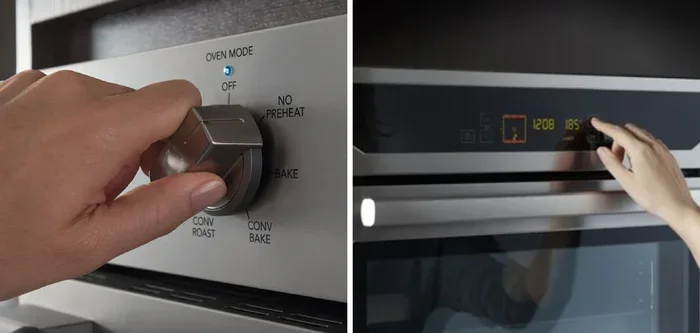
Set your oven to 400°F (200°C). This is the ideal grouper cooking temperature for most fillets. Preheating ensures the oven is fully hot when the fish goes in, which helps create even cooking and a slightly crispy exterior.
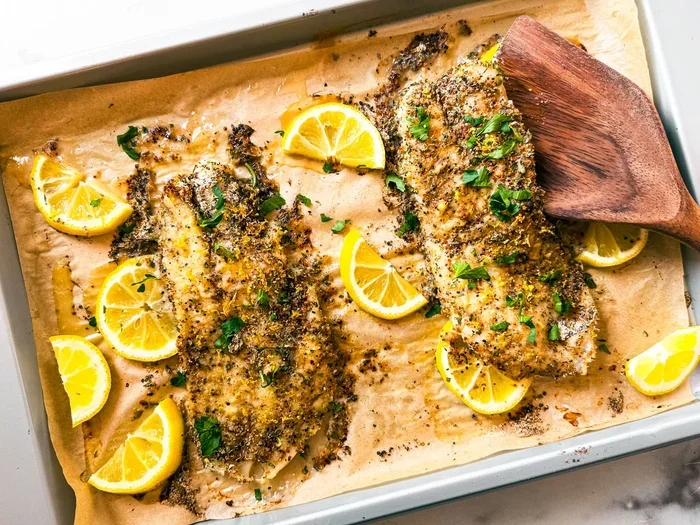
While the oven heats up, prepare your baking dish. A sheet pan lined with parchment paper works great, or use a lightly greased baking dish for a more traditional approach.
Step 2: Prep the Fillets
Take your grouper fillets and pat them completely dry with paper towels. Place them in the baking dish or on the sheet pan. If your fillets are thick, you can gently butterfly them or pound them to an even thickness of about 1 inch. This ensures uniform cooking throughout the grouper bake.
Step 3: Apply Oil and Seasoning
Drizzle a thin layer of olive oil over each fillet. Then add your chosen seasoning blend. For a basic approach, use salt, pepper, garlic powder, and a squeeze of fresh lemon juice. For something more adventurous, try the lemon butter herb or Parmesan crust options we discussed earlier.
Make sure the seasoning is evenly distributed. Gently press the seasoning into the surface of the fish so it adheres during baking.
Step 4: Add Flavor Boosters
This is the secret step that separates good oven-baked grouper from great oven-baked grouper. Place thin slices of lemon, fresh herb sprigs, or a small pat of butter on top of each fillet. These additions steam the fish gently and infuse it with extra flavor during the bake.
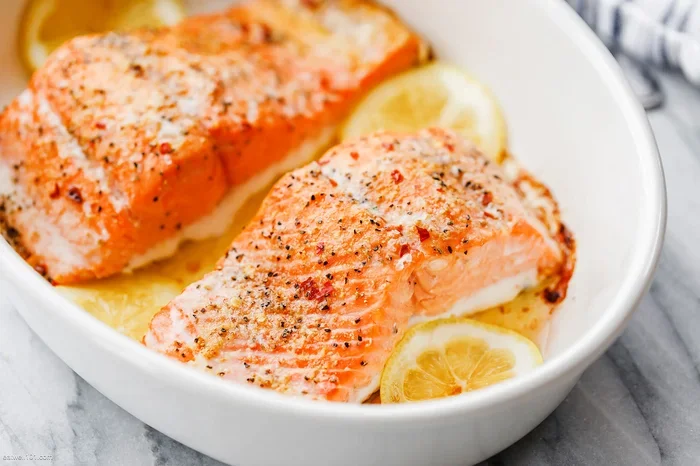
For a grouper with lemon butter recipe, place a small cube of butter on each fillet along with a lemon slice. As the butter melts in the oven, it bastes the fish continuously.
Step 5: Bake at the Right Time
Place the baking dish in the preheated oven and set a timer. For grouper fillets that are about 1 inch thick, bake for 12 to 15 minutes. The fish is done when it is opaque throughout and flakes easily with a fork.
Use a meat thermometer if you want to be precise. The internal temperature of fully cooked grouper should reach 145°F (63°C). Do not overcook, as grouper dries out quickly past this point.
Step 6: Rest and Serve
Remove the baked grouper from the oven and let it rest for 2 to 3 minutes. This allows the juices to redistribute throughout the fillet, making each bite moist and flavorful. Serve immediately alongside your favorite sides.
Baking Time and Temperature Cheat Sheet
Here is a quick reference for different grouper preparations in the oven:
- Thin fillets (1/2 inch): 400°F for 8 to 10 minutes
- Standard fillets (1 inch): 400°F for 12 to 15 minutes
- Thick fillets (1.5 inches): 400°F for 15 to 18 minutes
- Whole grouper (small): 400°F for 20 to 25 minutes, stuffed
These times can vary based on your oven and the thickness of the fillets. Always check for doneness by looking for opacity and easy flaking rather than relying solely on time.
Common Mistakes to Avoid When Baking Grouper
Even with the best recipe, mistakes can happen. Knowing what to avoid will save your grouper fillets from turning out dry or bland. Here are the most common pitfalls and how to dodge them.
Overcooking the Fish
This is the number one mistake people make when cooking grouper in the oven. Grouper is a lean fish with low fat content, which means it dries out fast. Set a timer, check early, and pull the fish out the moment it flakes easily. A few extra minutes in the oven can turn moist grouper into a rubbery disappointment.
Skipping the Dry Step
If you do not pat the fillets dry before seasoning, you will end up with steamed fish instead of baked fish. The surface moisture creates steam in the oven, which prevents browning and crispiness. Always, always dry your grouper fillets thoroughly before any seasoning goes on.
Using Too Much Seasoning
Grouper has a delicate, subtle flavor. Heavy-handed seasoning can mask that natural taste. Use a light hand with salt and let the fish shine. You can always add more, but you cannot take it away once it is on the fillet.
Not Preheating the Oven
Putting fish in a cold oven leads to uneven cooking and longer bake times. Always preheat to the recommended grouper cooking temperature before placing the fillets inside. This ensures consistent results every time.
Crowding the Pan
Give each fillet enough space on the baking sheet. Overcrowding traps steam and prevents proper air circulation. This leads to soggy fillets instead of the crispy edges you want from a great oven fish recipe.
Serving Suggestions and Side Dishes for Oven Grouper
The right sides can turn a simple baked grouper dinner into a memorable meal. Grouper’s mild flavor pairs well with a wide range of accompaniments. Here are some of the best options.
Best Side Dishes for Baked Grouper
- Roasted vegetables: Asparagus, zucchini, and bell peppers roasted in the oven complement grouper beautifully.
- Rice pilaf: A light, herbed rice pilaf absorbs the juices from the fish perfectly.
- Garlic mashed potatoes: Creamy potatoes balance the lightness of grouper with rich comfort.
- Fresh salad: A bright mixed greens salad with a light vinaigrette adds crunch and freshness.
- Grilled corn: Sweet, charred corn on the cob is a summer favorite alongside oven-roasted grouper.
- Crusty bread: A warm baguette or sourdough is perfect for soaking up the lemon butter sauce.
Sauce Pairings for Grouper
A great sauce can elevate baked grouper from simple to spectacular. Try a lemon caper sauce, a mango salsa, or a creamy dill yogurt dip. Each adds a layer of flavor that makes the fish truly shine.
For a quick grouper with lemon butter finish, spoon the pan juices over the fillets right after baking. The juices are packed with flavor from the butter, garlic, and herbs used during cooking.
Expert Insights on Perfect Oven Grouper
We spoke with several chefs who specialize in seafood preparation, and they all agreed on one thing: the best way to cook grouper in oven comes down to three things — temperature, timing, and restraint. Do not overcomplicate it. Let the quality of the fish speak for itself.
Chef Maria Torres, a seafood specialist with over 15 years of experience, shared this tip: “The secret to perfect oven-baked grouper is not in fancy techniques. It is in respecting the fish. Keep the seasoning light, the temperature steady, and the cooking time short. You will be amazed at how good simple grouper can taste.”
Another common piece of advice from professionals is to let the grouper fillets come to room temperature for about 10 minutes before baking. Cold fish going into a hot oven cooks unevenly. A slight tempering helps the fillet bake more consistently from edge to center.
When it comes to grouper fish recipes, the experts also recommend investing in good quality olive oil and fresh lemons. These two ingredients form the backbone of most successful baked fish in oven preparations. Cheap oil and bottled lemon juice can make a noticeable difference in the final flavor.
How to Store and Reheat Leftover Baked Grouper
If you have leftover oven-baked grouper, you can store it safely and enjoy it the next day. Place the cooked fillets in an airtight container and refrigerate within two hours of cooking. Properly stored, baked grouper stays fresh for up to three days in the fridge.
To reheat, the oven is the best method. Place the fillets on a baking sheet, cover loosely with foil, and warm at 300°F for about 8 to 10 minutes. Avoid microwaving, as it tends to make the fish rubbery and dry.
For meal prep, grouper dinner recipes that use oven-baked fish are ideal. You can bake a batch of fillets on Sunday and pair them with different sides throughout the week for quick, healthy lunches and dinners.
Frequently Asked Questions
What is the best temperature to cook grouper in the oven?
The ideal temperature to cook grouper in the oven is 400°F (200°C). This heat level cooks the fish evenly without drying it out. For thinner fillets, you can drop the temperature slightly to 375°F for a gentler bake. Always use a meat thermometer to confirm the internal temperature reaches 145°F.
How long does it take to bake grouper in the oven?
Baking time depends on the thickness of the fillet. A standard 1-inch grouper fillet takes about 12 to 15 minutes at 400°F. Thinner fillets need 8 to 10 minutes, while thicker cuts may require up to 18 minutes. The fish is done when it turns opaque and flakes easily with a fork.
Should I cover grouper with foil when baking?
Covering grouper with foil is optional. Foil traps moisture and creates a steaming effect, which keeps the fish very soft. For a slightly crispy top, bake the grouper uncovered. If you find the fish drying out, try covering it loosely with foil for the first half of the bake, then removing it for the rest.
Can I use frozen grouper fillets for oven baking?
Yes, you can bake frozen grouper fillets in the oven. However, thawing them first in the refrigerator overnight produces better results. If baking from frozen, add a few extra minutes to the cooking time and check for doneness carefully. The fillet is safe to eat once it reaches an internal temperature of 145°F.
What goes best with baked grouper?
Baked grouper pairs wonderfully with roasted vegetables, rice, mashed potatoes, fresh salads, and crusty bread. For sauces, lemon butter, garlic aioli, mango salsa, and dill yogurt are all excellent choices. The mild flavor of grouper makes it a versatile partner for many sides and accompaniments.
How do I know if grouper is fully cooked?
Fully cooked grouper is opaque white throughout and flakes easily when you press it with a fork. The internal temperature should read 145°F on a meat thermometer. Avoid overcooking, as grouper continues to firm up as it sits after leaving the oven. Pull it off the heat as soon as it reaches the right texture.
Conclusion
Now you know the best way to cook grouper in oven for perfect, restaurant-quality results at home. From choosing the right fillets and drying them properly to nailing the seasoning and baking time, every step matters. Oven-baked grouper is one of the most rewarding meals you can make, and it does not require advanced cooking skills.
Remember to keep the grouper cooking temperature at 400°F, watch your timing closely, and never walk away from the oven. With a little practice, you will be able to whip up a delicious grouper fillet recipe on any weeknight without stress.
The beauty of baked grouper lies in its simplicity and versatility. Try different seasonings, experiment with sauces, and find the flavor combinations your family loves most. Once you master the basics, the possibilities are endless.
So fire up your oven, grab some fresh or frozen grouper fillets, and get cooking. You deserve a meal that is healthy, flavorful, and incredibly easy to prepare. The best way to cook grouper in oven is waiting for you — now go make it happen.