How To Toast Bread In Oven For The Perfect Stuffing
Toasting bread in the oven is the simplest and most reliable way to make perfect stuffing bread cubes. This guide walks you through every step, from choosing the right loaf to baking seasoned cubes at the ideal temperature. You will learn how to achieve golden, crispy bread cubes that elevate your stuffing from ordinary to unforgettable.
There is something magical about a great stuffing. Whether it sits alongside a roast turkey on Thanksgiving or stars as a standalone side dish at Christmas dinner, stuffing has a way of bringing everyone to the table. But here is the secret no one talks about enough: the bread you use makes all the difference.
How to toast bread in oven for stuffing might sound like a simple question, but the method you choose changes everything. Baking bread cubes in the oven gives you even drying, consistent texture, and a depth of flavor that microwaving or air-drying simply cannot match. In this guide, we will walk you through every single step so you can make perfect stuffing bread cubes every time you cook.
If you have ever ended up with soggy, uneven, or burnt bread pieces in your stuffing, you are not alone. The good news is that fixing this is easier than you think. With the right bread, the right temperature, and a little patience, you will have crispy bread cubes for stuffing that taste like they came from a professional kitchen. Let us dive in.
Key Takeaways
- Use the right bread: Choosing a sturdy loaf like sourdough or Italian bread makes a huge difference in texture and flavor.
- Cut cubes evenly: Uniform pieces toast consistently and absorb broth better when you assemble your stuffing.
- Bake at 300-350°F: Low and slow heat dries out the bread without burning it, giving you perfect dried bread cubes.
- Season while warm: Tossing warm cubes with herbs, butter, and spices helps the flavors soak in deeply.
- Stir halfway through: Rotating the cubes ensures even browning on all sides for the best oven-baked croutons.
- Store properly: Leftover toasted cubes stay fresh for days and can be used in multiple recipes.
📑 Table of Contents
- Why Toasting Bread in the Oven Makes the Best Stuffing
- Choosing the Right Bread for Your Stuffing
- Step-by-Step: How To Toast Bread In Oven For Stuffing
- Seasoning and Flavoring Your Toasted Bread Cubes
- Common Mistakes to Avoid When Toasting Bread for Stuffing
- Expert Tips for Perfect Stuffing Every Time
- How to Store and Reuse Toasted Bread Cubes
- Conclusion
Why Toasting Bread in the Oven Makes the Best Stuffing
You might wonder why oven toasting is the go-to method for making bread cubes for stuffing. The answer comes down to control and consistency. When you use an oven, hot air circulates around every piece of bread evenly. This means each cube dries out at the same rate, giving you a uniform texture throughout your stuffing.
Other methods like microwaving can create hot spots and leave some cubes damp while others turn to crumbs. Air-drying bread overnight works, but it takes a long time and does not give you the same light golden color that oven toasting provides. Oven-baked croutons and bread cubes develop a subtle toasted flavor that adds a nutty, savory depth to any stuffing recipe.
Another big advantage is timing. Most oven-toasting methods take between 10 and 20 minutes, which is much faster than leaving bread out overnight. Whether you forgot to plan ahead or just want a quicker prep process, the oven method saves you time without sacrificing quality.
The Science Behind Toasting Bread
When bread heats up in the oven, something called the Maillard reaction takes place. This is a chemical process where the sugars and proteins in the bread interact under heat, creating new flavor compounds and that appealing golden-brown color. The dry oven heat also drives out moisture from the bread, making it crisp and ready to absorb flavorful broth when you mix it into your homemade stuffing.
This is exactly why dried bread cubes work so much better than fresh bread in stuffing. Fresh bread contains too much moisture and will make your stuffing soggy. Toasting removes that moisture in a controlled way, leaving you with cubes that are dry on the outside but still have a tender, almost pillowy center.
Choosing the Right Bread for Your Stuffing
The bread you select is the foundation of your stuffing, and choosing the wrong type can ruin even the best seasoning. Not all loaves are created equal when it comes to making stuffing bread cubes. Some breads hold their shape beautifully, while others crumble into mush the moment they touch liquid.
Best Bread Types for Oven Toasting
Here are the top bread choices for making perfect stuffing bread cubes in the oven:
- Sourdough: This is a top pick for many home cooks. Sourdough has a firm crumb and a slightly tangy flavor that adds complexity to savory stuffing. It toasts evenly and holds its shape really well.
- Italian bread: A classic choice for Italian bread stuffing. Italian bread has a airy yet sturdy texture that absorbs broth without falling apart. It toasts to a beautiful golden color.
- French baguette: Slightly crusty on the outside and soft inside, a day-old baguette makes excellent crispy bread cubes for stuffing. Just slice it thick and cube it up.
- Cornbread: For those who love cornbread stuffing, pre-baked cornbread works wonderfully. You can cube it and toast it in the oven for a sweet, Southern-inspired flavor.
- Challah or brioche: These rich, eggy breads create a luxurious stuffing. They toast to a deep golden brown and have a naturally slightly sweet taste that pairs well with savory herbs.
Breads to Avoid
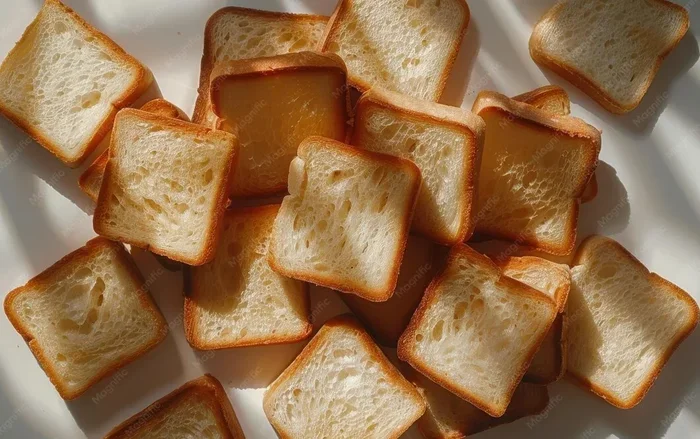
Not every bread is a good candidate for oven toasting. Avoid using very soft, pre-sliced white sandwich bread for your bread stuffing recipe. It tends to turn into mushy, unappetizing pieces when exposed to broth. Also, stay away from breads with heavy added sugars or glazes, as they can burn quickly in the oven and create a bitter taste in your savory stuffing.
Fresh vs. Stale Bread
You can use either fresh or stale bread for toast bread in oven for stuffing, but stale bread has a slight advantage. Stale bread already has reduced moisture content, so it toasts faster and more evenly. If you only have fresh bread, do not worry. Simply slice it and let it sit out on the counter for a few hours before cubing. This speeds up the drying process and helps you achieve better results when the bread goes into the oven.
Step-by-Step: How To Toast Bread In Oven For Stuffing
Now let us get into the heart of the matter. Below is a detailed walkthrough of how to make perfectly toasted bread cubes for your stuffing. Follow these steps and you will never go back to soggy, uneven bread pieces again.
Step 1: Choose and Slice Your Bread
Start by picking your preferred bread from the options we discussed above. Slice the loaf into pieces that are about one inch thick. Consistency in thickness matters because it ensures all your cubes toast at the same rate. Use a serrated knife for clean cuts, especially with crustier breads like sourdough or baguette.
Step 2: Cut Into Even Cubes
Once your bread is sliced, cut each piece into cubes that are roughly three-quarters of an inch to one inch wide. Try to keep the pieces as uniform as possible. Evenly sized bread cubes for stuffing toast evenly and create a consistent texture throughout your finished dish. If some cubes are much smaller, they will burn before the larger ones are done.
Step 3: Spread Cubes on a Baking Sheet
Line a large baking sheet with parchment paper or a lightly greased silicone mat. Spread the bread cubes out in a single layer across the entire sheet. Do not crowd the pan. If you pile the cubes on top of each other, they will steam instead of toast, and you will end up with soft, uneven pieces instead of the crispy bread cubes for stuffing you want.
Quick Tip: If you need to toast a large batch, use two baking sheets and rotate them halfway through baking. This ensures every cube gets equal exposure to the oven heat.
Step 4: Set the Oven Temperature
Preheat your oven to 300°F for a gentle, slow dry-out, or 350°F for a faster toast with more browning. Both temperatures work well for toast bread in oven for stuffing. The lower temperature gives you more control and reduces the risk of burning, while the higher temperature speeds things up and adds a deeper golden color.
For most home cooks, 325°F is the sweet spot. It strikes the perfect balance between drying out the bread thoroughly and developing a pleasant toasted flavor without any risk of charring.
Step 5: Bake and Stir
Place the baking sheet in the center rack of your preheated oven. Set a timer for 10 minutes. When the timer goes off, open the oven and use a spatula to flip and stir the cubes around. This simple step is crucial for evenly toasted bread cubes because it exposes the bottom sides to the top heat.
Return the pan to the oven and bake for another 5 to 10 minutes. Keep a close eye on the cubes during this time. You want them to be dry and lightly golden, not dark brown or burnt. The total baking time usually ranges from 15 to 25 minutes depending on your oven and the size of your cubes.
Step 6: Cool Before Using
Remove the baking sheet from the oven and let the cubes cool completely on the pan. Resist the urge to start seasoning them while they are hot. Cooling allows the cubes to firm up and reach the ideal dry, crispy texture that is perfect for bread stuffing recipes. Once cooled, you can store them in an airtight container or move straight to seasoning.
Seasoning and Flavoring Your Toasted Bread Cubes
Plain toasted bread cubes are good, but seasoned cubes are what transform a basic stuffing into something truly memorable. The best part about making toasted bread cubes for stuffing is that you can customize the flavors to match any meal or holiday tradition.
Classic Herb Seasoning
For a traditional herb stuffing, toss your warm cubes with a mixture of chopped fresh sage, thyme, rosemary, and a little dried parsley. Add a pinch of salt and black pepper, then drizzle with melted butter or olive oil. The warm bread absorbs the herb-infused fat beautifully, creating deeply flavored cubes that infuse the entire stuffing with richness.
Savory and Spiced Options
If you want to get creative with your seasoned bread cubes for stuffing, try these flavor combinations:
- Sausage and sage: Add crumbled cooked sausage and extra sage for a hearty, meaty stuffing that pairs perfectly with roast pork or chicken.
- Maple and thyme: A drizzle of maple syrup and fresh thyme creates a sweet-savory combination that is perfect for autumn meals.
- Garlic and parmesan: Toss cubes with minced garlic, grated parmesan cheese, and a touch of olive oil for a rich, umami-packed flavor.
- Cornbread-style: For cornbread stuffing, add a bit of cornmeal, smoked paprika, and a touch of honey to your warm cubes.
Butter vs. Oil for Seasoning
Both butter and olive oil work well for coating your bread cubes for stuffing. Butter adds richness and a creamy flavor that complements traditional holiday meals. Olive oil gives a lighter, slightly fruity taste that works beautifully for Mediterranean-style savory stuffing. Use about one to two tablespoons of fat for every four cups of bread cubes, and toss gently until all pieces are evenly coated.
Common Mistakes to Avoid When Toasting Bread for Stuffing
Even experienced home cooks make mistakes when preparing toast bread in oven for stuffing. Being aware of these common pitfalls helps you avoid them and achieve better results every single time.
Cutting Cubes Too Small
One of the most frequent errors is cutting the bread into cubes that are too tiny. Small cubes dry out too quickly and can turn into crumbs before you even get them out of the oven. Aim for cubes that are at least three-quarters of an inch wide. This size holds up well when mixed with broth and other stuffing ingredients.
Overcrowding the Pan
Crowding your baking sheet is a recipe for steamed, unevenly dried bread. When cubes sit on top of each other, the trapped steam softens them instead of drying them out. Always use a large enough pan to spread cubes in a single, flat layer. If you do not have a big enough sheet pan, use two pans and bake them one at a time.
Setting the Temperature Too High
It might be tempting to crank up the oven to speed things along, but high heat burns the outside of your cubes while leaving the inside soft and doughy. Stick to the recommended range of 300°F to 350°F for the best oven-baked croutons and dried bread cubes for stuffing. Patience is your best friend here.
Skipping the Stirring Step
If you set the cubes in the oven and forget about them, the bottoms will brown while the tops stay pale. Stirring the cubes halfway through baking ensures every piece gets equal exposure to heat. This one simple habit makes a dramatic difference in the final texture of your homemade stuffing.
Seasoning Too Early
Adding salt, herbs, or oil to bread cubes before they go in the oven can cause uneven toasting. Salt draws moisture from the bread, and wet herbs can create steam pockets. Always season your cubes after they come out of the oven and have cooled slightly. Toss them while they are still warm enough to absorb the flavors, but not so hot that the butter or oil melts and runs off.
Expert Tips for Perfect Stuffing Every Time
After years of making perfect stuffing with oven-toasted bread, I have gathered a collection of tips that take your results from good to outstanding. These bread stuffing tips will help you serve a side dish that everyone raves about.
Use Day-Old Bread for Best Results
Day-old bread is ideal for toast bread in oven for stuffing because it has already lost some of its moisture. This means it dries out faster in the oven and absorbs broth more efficiently when you assemble your stuffing. If you always bake fresh bread, set aside a few slices the day before you plan to make stuffing and let them sit uncovered on the counter overnight.
Toast Ahead of Time
You do not have to toast your bread cubes right before you make stuffing. In fact, pre-toasting bread cubes the night before saves you time on cooking day. Simply toast them, let them cool completely, and store them in an airtight container at room temperature. They stay fresh for up to three days and can be used whenever you are ready to assemble your holiday stuffing or any other meal.
Test for Doneness
How do you know when your bread cubes are properly toasted? Pick up a cube and squeeze it gently. It should feel dry and firm on the outside but still slightly soft in the center. If it feels damp or spongy, give it another few minutes in the oven. Properly dried cubes will also make a light, hollow sound when you tap two of them together.
Adjust for Your Altitude
If you live at a high altitude, your oven behaves differently. Moisture evaporates faster at higher elevations, which can cause bread cubes to dry out too quickly on the outside while staying moist inside. If you live above 3,000 feet, consider lowering your oven temperature by 15 to 25 degrees and extending the baking time slightly. This adjustment helps you achieve perfectly evenly toasted bread cubes for your savory stuffing.
Make It Your Own
Do not be afraid to experiment with your bread stuffing recipe. Try different bread types, swap out herbs based on what you have available, or add toasted nuts and dried fruit for a festive twist. The beauty of homemade stuffing is that it is completely customizable. Once you master the basic technique of oven-toasting bread cubes, the flavor possibilities are truly endless.
How to Store and Reuse Toasted Bread Cubes
If you end up with more toasted cubes than you need for your stuffing, do not let them go to waste. Proper storage keeps your dried bread cubes for stuffing fresh and ready for your next meal.
Let the cubes cool completely, then store them in an airtight container or a zip-lock bag at room temperature. They will stay fresh for up to five days. For longer storage, place the cooled cubes in a freezer-safe bag and freeze them for up to three months. When you are ready to use them, spread them on a baking sheet and warm them in the oven at 300°F for about five minutes. This refreshes their texture and makes them crispy again, just like fresh oven-baked croutons.
Beyond stuffing, these toasted cubes are incredibly versatile. Use them as a topping for casseroles, mix them into soups, or serve them as a simple side with olive oil and garlic. Once you know how to toast bread in oven for stuffing, you will find yourself using toasted bread cubes in all kinds of recipes.
Conclusion
Mastering how to toast bread in oven for stuffing is one of the simplest yet most impactful cooking skills you can develop. It takes just a few minutes of active preparation and delivers consistent, reliable results every single time. From choosing the right bread to cutting uniform cubes, baking at the proper temperature, and seasoning with care, each step plays a vital role in creating perfect stuffing bread cubes that elevate your entire dish.
Remember to avoid the common mistakes we covered, like overcrowding the pan or setting the temperature too high. Use the expert tips to fine-tune your process, and do not be afraid to experiment with different breads and seasonings. Whether you are preparing holiday stuffing for Thanksgiving, a hearty Italian bread stuffing for Sunday dinner, or a simple cornbread stuffing for a weeknight meal, the oven-toasting method gives you the foundation you need for success.
Now that you know exactly how to make crispy bread cubes for stuffing in your oven, it is time to put this knowledge into practice. Grab your favorite loaf, slice it up, and let your oven do the work. Your stuffing will thank you, and your family will notice the difference in every bite.
Frequently Asked Questions
Can I use any type of bread for oven toasting?
Most breads work well, but sturdy loaves like sourdough, Italian bread, and French baguette give the best results for stuffing. Very soft sandwich breads tend to turn mushy when they absorb broth, so it is best to avoid them for your bread cubes for stuffing.
How long does it take to toast bread cubes in the oven?
Typically, it takes between 15 and 25 minutes at 300°F to 350°F. The exact time depends on the size of your cubes and how dry you want them. Stir the cubes halfway through to ensure evenly toasted bread cubes on all sides.
Can I toast bread cubes ahead of time?
Absolutely. Toasting ahead of time is a great way to save preparation time on cooking day. Store the cooled cubes in an airtight container at room temperature for up to five days, or freeze them for up to three months. They are perfect for homemade stuffing whenever you need them.
What temperature should I use to toast bread for stuffing?
A temperature between 300°F and 350°F works best for toast bread in oven for stuffing. Lower temperatures dry the bread gently without burning, while higher temperatures speed up the process. 325°F is a reliable middle ground that produces excellent results every time.
Do I need to use butter when seasoning toasted bread cubes?
Butter is not required, but it adds flavor and helps herbs and spices adhere to the cubes. You can use olive oil or melted butter, or even skip the fat entirely for a lighter savory stuffing. The choice depends on your taste preferences and dietary needs.
How do I know if my bread cubes are properly toasted?
Properly toasted cubes feel dry and firm on the outside but still slightly soft in the center. They should be light golden brown in color and make a hollow sound when tapped together. If they feel damp or spongy, return them to the oven for a few more minutes to achieve the ideal texture for your perfect stuffing.