How Long Do I Cook Trout In The Oven For Best Results
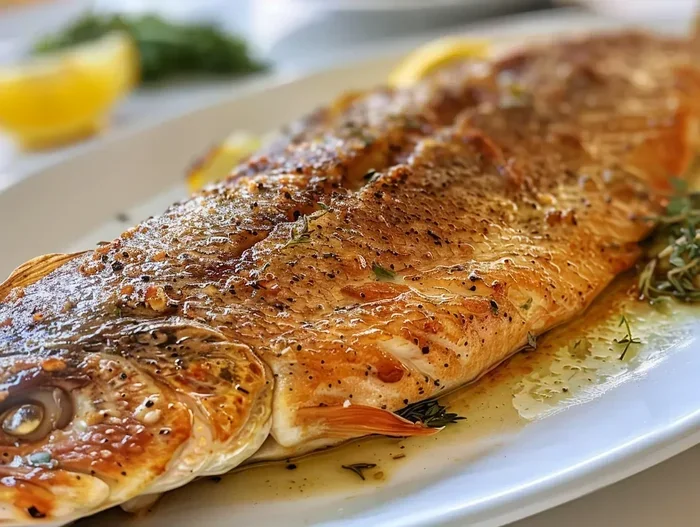
How long do I cook trout in the oven is a common question for home cooks. Baked trout is a healthy fish dish that comes together quickly. You will learn the exact cooking time and oven temperature needed. This guide ensures your trout fillets turn out perfectly every time. Follow these simple steps for a delicious dinner recipe.
Are you standing in your kitchen wondering how long do I cook trout in the oven? You are not alone. Many home cooks love baked trout but worry about drying it out. Fresh trout is a delicious healthy fish option for any night of the week. It cooks fast and tastes amazing. This guide will answer all your questions about oven-baked trout. You will learn the exact cooking time and oven temperature to use. We will also share easy seasoning tips and tricks. By the end, you will feel confident making this dinner recipe yourself. Let us dive into the world of perfectly baked fish. Your next meal is going to be a huge success.
Knowing the right cooking time is the key to perfect trout fillets. Too short, and the fish is raw. Too long, and it becomes dry and tough. The good news is that trout is a forgiving fish. It does not take a lot of effort to get it right. Whether you are cooking a thin fillet or a whole whole trout, the method is simple. You just need to pay attention to a few details. This article breaks everything down for you. We will cover temperatures, timing, and flavor ideas. You will never overcook your fish again. Let us get started on your journey to the perfect trout recipe. Soon you will be serving up restaurant-quality meals at home.
Key Takeaways
- Right Temperature: Bake trout at 400°F for the best texture and crispy skin.
- Timing Matters: Fillets take 10-15 minutes, while whole trout needs 20-25 minutes depending on size.
- Check Doneness: Use a thermometer to ensure the internal temperature reaches 145°F for food safety.
- Season Simply: Lemon butter, herbs, and garlic bring out the best flavor in this fish.
- Avoid Overcooking: Let the fish rest after baking to keep it juicy and flaky.
- Pat it Dry: Always dry the fish thoroughly before seasoning for the crispiest results.
📑 Table of Contents
The Perfect Oven Temperature for Trout
Getting the oven temperature right is the first step to success. Heat your oven to 400 degrees Fahrenheit. This high heat cooks the trout fillets quickly. It also helps make the skin crispy. If you use a lower heat, the fish might dry out. A hot oven keeps the inside moist. It is the secret to great baked trout. Some people like 375 degrees for a slower cook. But 400 degrees is the sweet spot. It balances crispiness with juiciness perfectly. Always preheat your oven before putting the fish in. This ensures even cooking time from the very start.
Why does 400 degrees work so well for fresh trout? At this heat, the outside of the fish sears quickly. This sealing process locks in the natural juices. You do not need to add extra fat either. The fish stays tender and flavorful on its own. This temperature also works well for a larger whole trout. It cooks the fish evenly all the way through. Whether you use a small fillet or a big fish, 400 degrees delivers great results. It is a reliable method for oven-baked trout. Your kitchen will smell incredible too. That savory aroma will have everyone asking for seconds. The high heat also helps the proteins in the fish set quickly. This keeps the flesh firm yet moist.
Adjusting Temperature for Different Trout Cuts
Sometimes you might need to adjust the heat slightly. Thicker trout fillets benefit from a steady 400 degrees. The high heat penetrates the thick center without burning the outside. Thinner fillets might cook well at 375 degrees. This lower heat prevents the delicate fish from falling apart. If you are using a foil packet, you can drop the temperature to 375. The trapped steam helps cook the fish gently. For a crispy skin, stick with 400 degrees. The dry heat crisps up the skin beautifully. Always consider the cut of fish you are preparing. Adjusting the oven temperature slightly can make a big difference. Think about the texture you want to achieve before you set the dial.
Conventional vs. Convection Ovens
If you have a convection oven, you can adjust your approach. Convection ovens use a fan to circulate hot air. This cooks food faster and more evenly. For baked trout, lower the temperature by 25 degrees. So, set your convection oven to 375 degrees instead of 400. The cooking time might also be slightly shorter. Keep a close eye on the fish during the first 10 minutes. Conventional ovens rely on radiant heat from the elements. They do not have a fan to move the air around. Both types work wonderfully for fish. Just understand the slight differences in how they operate.
How Long Does Trout Take to Bake? (Timing by Thickness)
The cooking time depends on a few important factors. The biggest factor is the thickness of the trout fish. A thin trout fillet will bake faster than a thick one. You also need to consider if it is a whole fish or just a piece. Here is a simple breakdown to guide you. Understanding these times takes the guesswork out of dinner. You will know exactly when to pull that beautiful fish out of the heat.
Baking Trout Fillets
For standard trout fillets, plan on 10 to 15 minutes. A fillet that is about one inch thick needs around 12 minutes. Thinner fillets might be done in 8 minutes. Thicker cuts could take the full 15 minutes. Always check the fish a few minutes early. You want it to be just cooked through. Overcooked fish becomes tough and chalky. Nobody likes a dry piece of fish. The goal is a moist, flaky texture that melts in your mouth. Remember that the fish continues to cook after you take it out. This carryover cooking is important to understand. Pulling the fish off a few minutes early saves it from drying out.
Baking a Whole Trout
How long do I cook trout in the oven when it is a whole fish? A whole trout usually needs 20 to 25 minutes. The size of the fish matters a lot here. A smaller fish around one pound takes about 20 minutes. A larger fish over two pounds might need the full 25 minutes. Stuffing the fish with lemon or herbs adds a few extra minutes. Keep an eye on it to avoid burning. A whole fish looks impressive on the plate. It is also a fun way to cook for a family gathering. Just make sure the internal area is fully cooked. You can stuff the cavity with lemon slices, fresh dill, and a pat of butter. These aromatics steam inside the fish and infuse it with incredible flavor.
Comparison Table: Trout Baking Times and Temperatures
| Trout Type | Thickness/Size | Oven Temp | Baking Time |
|---|---|---|---|
| Thin Fillet | 1/2 inch | 400°F | 8-10 minutes |
| Standard Fillet | 1 inch | 400°F | 10-12 minutes |
| Thick Fillet | 1.5 inches | 400°F | 12-15 minutes |
| Small Whole Trout | 1-1.5 lbs | 400°F | 20-22 minutes |
| Large Whole Trout | 2+ lbs | 400°F | 22-25 minutes |
Step-by-Step Guide to Oven-Baked Trout
Now that you know the temperature and time, let us get cooking. Follow these easy steps for perfect oven-baked trout every single time. This process is simple and straightforward. You do not need to be a professional chef to pull this off. With a little practice, this will become your go-to dinner recipe on busy weeknights.
- Prepare Your Trout: Start by rinsing your fresh trout under cold running water. This removes any loose scales or impurities. Pat it completely dry with paper towels or a clean kitchen cloth. If you are using fillets, check for pin bones. Use a pair of clean tweezers to pull them out carefully. For whole fish, make sure the cavity is clean and free of blood. Dry fish gets much crispier than wet fish. This is a crucial step many people skip. Removing moisture from the surface helps the skin crisp up beautifully. It also helps the seasoning stick better to the flesh.
- Season Generously: Seasoning makes a huge difference in flavor. Drizzle olive oil over the trout fillets. Sprinkle salt and pepper on both sides. You can add garlic powder or paprika for extra zest. Fresh herbs like dill or parsley are fantastic. Lemon slices on top add a bright, zesty note. The seasoning should coat the fish lightly. Do not be shy with the flavors. Trout has a mild taste that loves bold companions. You can also add thinly sliced onions or fennel. These aromatics steam inside the oven and infuse the fish.
- Choose Your Baking Method: You have a few options for baking. You can place the fish on a lined baking sheet. This is great for crispy skin. Another option is the foil packet method. Wrap the trout in foil with some butter. This keeps everything steamy and moist. A baking dish with a little water also works well. Choose the method that suits your style. If you love crispy skin, skip the foil. If you prefer very soft, moist fish, use the foil.
- Bake and Check for Doneness: Put the fish in the preheated oven. Set a timer for the recommended cooking time. After 10 minutes, start checking. The fish is done when it flakes easily with a fork. The inside should be opaque, not translucent. Use a meat thermometer to be sure. The internal temperature should read 145 degrees Fahrenheit. This is the safest temperature for eating fish. Do not rely solely on the timer. Every oven is slightly different.
Seasoning and Flavor Ideas for Trout
Trout has a mild, delicate flavor. This makes it a perfect canvas for different seasonings. You can change up your dinner recipe easily. Here are some popular ideas to try. Experimenting with flavors is half the fun of cooking. You can keep it simple or get very creative with your seasoning blend.
The Classic Lemon Butter
This is the most popular way to bake trout. Mix melted butter with fresh lemon juice. Add a pinch of salt and minced garlic. Pour this mixture over the trout fillets before baking. The butter helps the skin crisp up beautifully. The lemon cuts through the richness of the fish. It is a match made in heaven. You can also add a sprinkle of capers for a tangy kick. This classic combination never gets old. It is simple, elegant, and incredibly tasty. The acidity from the lemon tenderizes the fish slightly. This makes each bite even more succulent and delightful.
Herb-Crusted Trout
For a more gourmet feel, try an herb crust. Mix breadcrumbs with chopped fresh parsley and thyme. Add some grated parmesan cheese. Spread this mixture over the oiled fish. Bake until the crust is golden brown. This method adds a nice crunch to the soft fish. It turns a simple meal into something special. This is a great way to use up leftover breadcrumbs. The herbs release their oils in the hot oven. Your kitchen will smell like a five-star restaurant. The crust also helps insulate the fish. This prevents the delicate flesh from drying out too quickly. It is a wonderful textural contrast to the soft, flaky interior.
Asian-Inspired Trout
Want to try something completely different? Go for an Asian twist. Mix soy sauce with a little honey and sesame oil. Add fresh ginger and garlic. Marinate the fresh trout for 15 minutes before baking. Top with sliced green onions after cooking. This brings a totally new flavor profile to your plate. It is quick and full of umami. The sweetness of the honey balances the saltiness of the soy. It is a vibrant and exciting way to enjoy baked trout. You can also add a dash of sriracha for some heat. This gives the fish a spicy kick that pairs wonderfully with steamed rice and vegetables.
Common Mistakes to Avoid When Baking Trout
Even easy recipes can go wrong if you make mistakes. Avoid these common errors to get the best results from your oven-baked trout. Learning what not to do is just as important as following the recipe. These small missteps can turn a perfect fish into a disappointing meal.
Overcooking the Fish
The biggest mistake is leaving the fish in too long. How long do I cook trout in the oven depends on thickness, but always check early. Fish continues to cook after you take it out. This is called carryover cooking. If you wait for it to be fully done in the oven, it will be dry. Pull it off when it just flakes. Let the resting time finish the job. A dry piece of fish is a disappointing meal. Keep a close eye on your trout fillets during the last few minutes. Set a timer and stay nearby. It is much easier to add a minute or two than to salvage a dried-out fillet.
Skipping the Pat Dry Step
Putting wet fish in the oven leads to soggy skin. It also prevents proper browning. Always pat your trout fillets completely dry before seasoning. This small step makes a massive difference. You will get crispy, delicious skin instead of a slimy texture. It takes just a few seconds but pays off big time. Use a clean kitchen towel or several layers of paper towels. Do not skip this step if you want that perfect crunch. Moisture is the enemy of crispy skin. Removing it ensures the heat can crisp the surface instead of steaming it.
Using a Cold Pan or Sheet
Never put fish on a cold baking sheet. The cold surface causes the fish to stick. It also leads to uneven cooking. Always use a room-temperature pan or a preheated baking sheet. A hot surface immediately starts searing the fish. This locks in moisture and creates that perfect golden color. If you put cold fish on a cold pan, it will steam instead of bake. Steaming makes the skin soft and pale. Preheat your sheet if you want the best results. A hot pan jumpstarts the cooking process and gives you that beautiful sear.
Overcrowding the Pan
If you are baking multiple fillets, do not crowd them. Leave space between each piece of trout fish. Overcrowding traps steam and prevents browning. The fish will cook unevenly and the skin will not get crispy. Give each fillet its own space on the baking sheet. If you have too many to fit, use two pans or bake in batches. A little extra planning makes a big difference. The fish needs to breathe in the hot oven. Proper spacing ensures that the hot air circulates around every piece of fish.
Expert Tips for Crispy, Juicy Trout Every Time
Want to elevate your baked trout game? Follow these expert tips for amazing results. These little tricks separate a good fish dinner from a great one. Professional chefs use these methods every day.
Bring the Fish to Room Temperature
Take your trout out of the fridge 15 minutes before baking. Cold fish cooks unevenly. The outside might burn while the inside stays raw. Room temperature trout fish cooks consistently all the way through. This is a simple trick that separates good cooks from great ones. It also reduces the cooking time slightly because you are not starting from a frozen state. Just remember not to leave it out for more than 30 minutes for safety. This small step ensures that the center of the fish cooks at the same rate as the edges.
Use Parchment Paper for Easy Cleanup
Lining your baking sheet with parchment paper is a game changer. It prevents the fish from sticking. Cleanup is also much easier. The parchment allows the fish to breathe slightly. This promotes even browning without burning. Skip the foil if you want extra crispy skin. Foil traps too much moisture and keeps the skin from crisping. Parchment paper gives you the best of both worlds. You get a non-stick surface and crispy results. It is a small change that makes a huge difference in the final outcome and your kitchen cleanup routine.
Let It Rest Before Serving
Once your cooking time is up, do not cut into it right away. Let the trout fillets rest for 3 to 5 minutes. This allows the juices to redistribute. If you cut too soon, the moisture runs out onto the plate. The fish becomes dry instead of juicy. Resting makes a huge difference in texture. Tent the fish loosely with foil while it rests. This keeps the heat in without overcooking the fish. Your patience will be rewarded with a much better bite. The resting period is when the internal temperature equalizes and the fibers relax.
Make a Quick Pan Sauce
Do not throw away the juices left in the pan. Use them to make a quick pan sauce. Pour off excess fat, leaving the browned bits. Add a splash of white wine or lemon juice. Scrape the bottom of the pan to lift the bits. Stir in a knob of cold butter to finish. Pour this sauce over your oven-baked trout just before serving. It adds incredible depth of flavor. This restaurant trick takes your homemade fish to the next level. It is fast, easy, and makes the dish look and taste incredibly fancy.
Conclusion
Baking trout in the oven is one of the simplest ways to enjoy a healthy meal. Now you know exactly how long do I cook trout in the oven for the best results. Remember to keep your oven at 400 degrees for the perfect balance of crispy skin and moist flesh. Check your cooking time based on the thickness of the trout fish. Use a meat thermometer to be sure it reaches 145 degrees inside for food safety. With the right seasoning and a little attention, you will have crispy, juicy fish every single time. Try this dinner recipe tonight and enjoy the delicious flavors of oven-baked trout. Your family will love it! Enjoy the process and the wonderful meal you create. You are now fully equipped to bake perfect trout like a true pro. Happy cooking!
Frequently Asked Questions
Can I bake trout from frozen?
Yes, you can bake trout from frozen, but you must adjust the cooking time. Add about 5 to 10 extra minutes to the usual baking time. Make sure the internal temperature reaches 145 degrees Fahrenheit. Thicker frozen fillets might need even longer. It is best to thaw the fish first for more even cooking, but it is not strictly necessary. If you cook it from frozen, use a foil tent to keep it moist.
What is the best way to know if trout is done?
The easiest way to check is to use a fork. Gently twist the thickest part of the trout fillet. If it flakes easily, it is done. You can also use a meat thermometer. The internal temperature should be 145 degrees Fahrenheit. The flesh should be opaque and white, not translucent. Avoid overcooking, as the fish will dry out quickly. The fork test is the most reliable method for home cooks.
Should I cover trout with foil when baking?
It depends on the texture you want. If you prefer crispy skin, bake the trout uncovered. This allows the skin to crisp up in the hot oven. If you want very moist, steamed fish, use a foil tent. The foil traps steam and keeps the fresh trout juicy. Many people like a hybrid method, baking uncovered and then tenting with foil at the end. This gives you the best of both worlds.
What temperature should trout be when cooked?
The safe internal temperature for cooked trout is 145 degrees Fahrenheit. This is the standard set by food safety experts. At this temperature, the fish is fully cooked but still moist. Using a digital thermometer is the most reliable way to check. Just insert it into the thickest part of the fillet for an accurate reading. Never rely solely on time, as oven temperatures can vary.
Can I use a convection oven for baking trout?
Yes, a convection oven works wonderfully for oven-baked trout. The circulating hot air cooks the fish more evenly. You should lower the temperature by about 25 degrees Fahrenheit. So, set your convection oven to 375 degrees instead of 400. The cooking time might also be slightly shorter. Keep an eye on the fish to prevent it from drying out. Convection ovens are great for achieving an even golden-brown finish.
How do I get crispy skin on baked trout?
To get crispy trout skin, start with a very dry fish. Pat the fillet completely with paper towels before seasoning. Place the skin-side down on a preheated baking sheet. A hot pan or sheet is essential for crisping. Do not move the fish while it bakes. Let the oven temperature do the work. Resist the urge to peek too often, as this releases steam. A dry surface and high heat are the secrets to that perfect crunch.