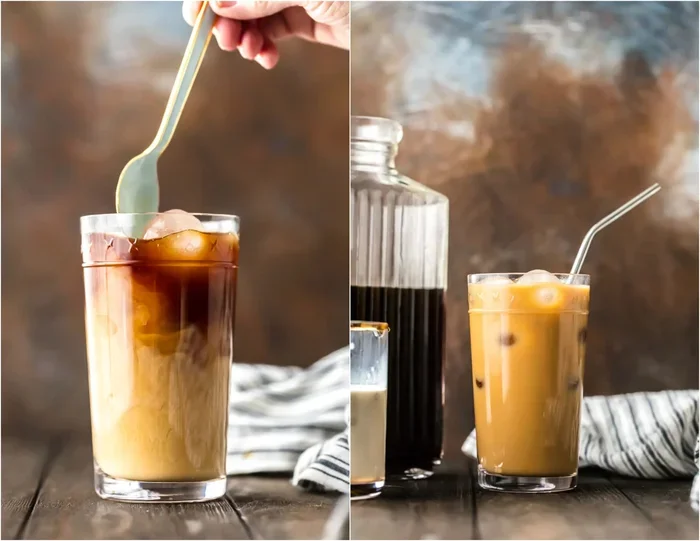
How To Make Coffee Basic And Perfect Every Morning
Making coffee basic is easier than you think. With the right beans, clean hot water, and a simple method, you can brew a perfect cup every morning. This guide covers equipment, ratios, brewing steps, and common mistakes to help you master your daily brew.
Making coffee basic doesn’t have to be complicated or time-consuming. With just a few simple steps, you can brew a perfect cup of coffee every single morning without any fancy equipment. This guide covers everything from choosing the right coffee beans to mastering the ideal water-to-coffee ratio. You will learn easy brew coffee techniques that anyone can follow at home. Whether you prefer a coffee maker or a stovetop method, this simple coffee recipe will transform your morning coffee routine and elevate your daily coffee taste.
Every great day starts with a great cup of coffee. But too many people rush through their morning ritual without thinking about what they are actually putting in their mug. The good news is that how to make coffee basic is much simpler than you think. You don’t need expensive gear or years of experience. You just need the right coffee grounds, clean hot water, and a little bit of patience. This article walks you through every step so you can enjoy a freshly ground coffee experience right at home.
We will cover everything from the tools you need to the common mistakes that ruin a good cup. By the end, you will know exactly how to make coffee basic taste extraordinary. Let us get started.
Key Takeaways
- Start with quality beans: Freshly roasted and properly stored coffee beans make a huge difference in flavor.
- Master the water-to-coffee ratio: The golden ratio of 1:15 to 1:18 is the foundation of a great cup.
- Water temperature matters: Heat your water to between 195°F and 205°F for optimal extraction.
- Avoid common mistakes: Using boiling water, ignoring grind size, and skipping the preheat step can ruin your coffee.
- Clean equipment is essential: Regular cleaning prevents stale oils from affecting your coffee taste.
- Build a morning ritual: Pairing your brew with a simple breakfast creates a satisfying start to the day.
📑 Table of Contents
Why A Basic Cup Of Coffee Matters Every Morning
Coffee is more than just a drink. It is a morning ritual that sets the tone for your entire day. When you take a moment to brew a proper cup, you are telling yourself that today matters. A well-made cup of drip coffee or French press coffee gives you energy, focus, and a sense of calm before the chaos begins.
Many people reach for instant coffee or skip brewing altogether because they think it is too hard. But how to make coffee basic is truly one of the simplest skills you can learn. Once you understand the basics of coffee brewing methods, you will never want to go back to bland, rushed cups.
The Science Behind A Good Morning Brew
When hot water meets coffee grounds, it extracts oils, flavors, and aromas. This process is called extraction. Too little extraction gives you weak, sour coffee. Too much extraction gives you bitter, harsh coffee. The sweet spot is right in the middle. That is why coffee temperature and grind size are so important. Getting these two factors right means you are already halfway to a perfect cup of coffee.
Think of it like cooking an egg. You need the right temperature and the right time. Same idea with brew coffee. The coffee strength you prefer depends on how much water you use compared to how much coffee you add.
How Coffee Boosts Your Day
A good cup of coffee does more than wake you up. Studies show that moderate coffee consumption improves focus, mood, and even physical performance. When you start your day with a carefully brewed mug, you are investing in your productivity. The morning coffee routine becomes a small but powerful habit that pays off all day long.
Plus, there is something deeply satisfying about making your own cup from scratch. It slows you down. It gives you a few quiet minutes before the day picks up speed. That alone is worth learning how to make coffee basic the right way.
What You Need To Make Basic Coffee
Before you start brewing, let us talk about what you actually need. The list is shorter than you might think. You do not need a fancy machine or a degree in coffee science. You just need a few essentials.
Essential Equipment
Here is what you need to get started with coffee basic brewing:
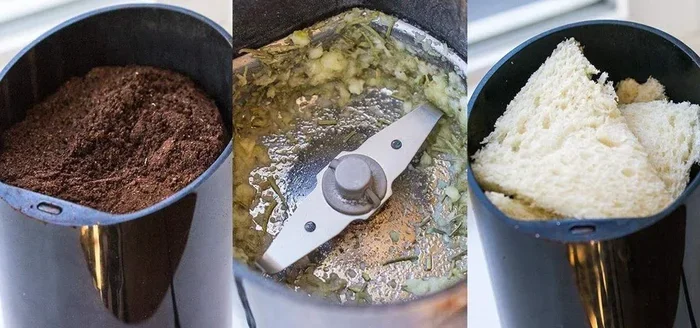
- A coffee grinder: A burr grinder gives you consistent coffee grounds. Blade grinders work too, but they are less even.
- A kettle: A simple kettle lets you control hot water temperature. Gooseneck kettles are great but not required.
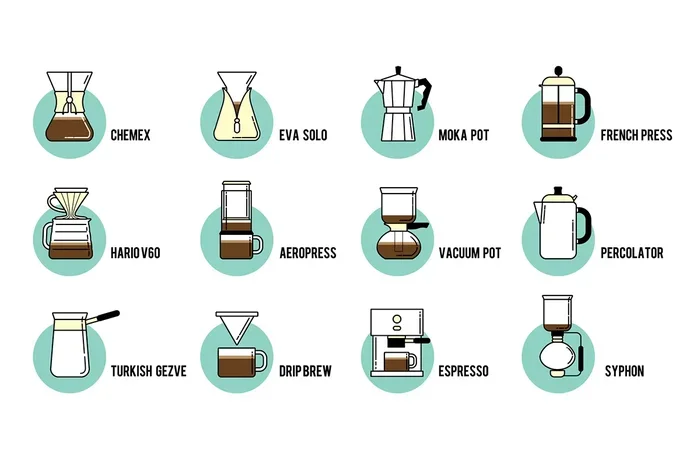
- A brewing device: A drip coffee maker, French press, pour-over cone, or stovetop moka pot all work perfectly.
- A coffee filter: Paper filters remove oils and keep your cup clean. Reusable metal filters work too if you prefer more body.
- A coffee mug: Your favorite mug makes the experience better. Choose one that keeps heat well.
You do not need all of this at once. Start with what you have. A simple drip coffee maker and a bag of whole beans are all you need to begin.
Choosing Your Coffee Beans
The bean is the heart of your cup. Freshly ground coffee starts with fresh beans. Look for beans that list a roast date on the bag. Avoid beans with no roast date or ones that have been sitting on a shelf for months.
Here are some quick tips for choosing beans:
- Buy whole beans and grind them just before brewing.
- Choose a roast level that matches your taste. Light roasts are bright and acidic. Medium roasts are balanced. Dark roasts are bold and smoky.
- Store beans in an airtight container away from sunlight and heat.
- Buy only what you will use within two to four weeks.
Good beans make a noticeable difference. Even with the simplest coffee recipe, quality beans will give you a coffee flavor that is rich and satisfying.
The Right Water
Coffee is about 98 percent water. That means the water you use matters a lot. Use filtered or bottled water if your tap water tastes chlorinated or hard. Avoid distilled water because it lacks minerals that help extract flavor from the grounds.
The coffee temperature of your water should be between 195°F and 205°F. If you do not have a thermometer, just bring your water to a boil and then let it sit for 30 seconds. That gives you the perfect range for brew coffee that tastes balanced and smooth.
Step-By-Step Guide To Making Basic Coffee
Now let us get into the actual process. How to make coffee basic comes down to a few simple steps. Follow them in order and you will get a great cup every time.
Measure Your Coffee Grounds
Start by measuring your coffee grounds. The water-to-coffee ratio is the most important factor in getting the right coffee strength. The golden ratio is 1:15 to 1:18. That means for every 1 gram of coffee, use 15 to 18 grams of water.
Here is a simple way to think about it:
- For one standard mug (about 8 ounces), use 2 to 3 tablespoons of coffee grounds.
- For a full pot (about 12 ounces), use 4 to 5 tablespoons.
- For a French press (about 16 ounces), use 4 to 5 tablespoons.
Using a kitchen scale is the most accurate method. But if you do not have one, tablespoons work fine too. Just be consistent. Consistency is the secret to a reliable morning coffee routine.
Heat The Water To The Right Temperature
Heat your filtered water to between 195°F and 205°F. If you are using a drip coffee maker, most machines heat the water for you. But if you are using a French press or pour-over method, you control the temperature yourself.
Remember: do not use boiling water straight off the stove. Water that is too hot will over-extract the grounds and make your coffee bitter. Let boiling water cool for about 30 seconds before pouring it over your coffee grounds.
Brew Your Coffee
Now it is time to brew. The method you use depends on your equipment and preference:
- Drip coffee maker: Add water to the reservoir, place a filter in the basket, add your measured grounds, and hit brew. The machine does the work for you.
- French press: Add grounds to the press, pour hot water over them, stir gently, and let it steep for four minutes. Press the plunger down slowly.
- Pour-over: Place a filter in the cone, add grounds, and pour hot water slowly in circles. Let it drip through for about three to four minutes.
Each method produces a different coffee taste. Drip coffee is clean and light. French press coffee is rich and full-bodied. Pour-over coffee is smooth and delicate. Try them all and see which one fits your coffee brewing methods preference.
One thing I love to do on weekends is pair my fresh brew with a quick breakfast. For example, I will bake some roast whole almonds in oven for a crunchy snack alongside my coffee. It is a simple addition that makes the whole morning feel special. You can also whip up some baked eggs in the oven for a protein-packed breakfast that goes perfectly with a hot mug. On busy mornings, I even slice up some garlic bread made with garlic powder in the oven for a quick and savory bite. And for something sweet, baked wonton wrappers in the oven with a sprinkle of cinnamon make an amazing coffee-time treat.
Pour And Enjoy
Once your coffee is done brewing, pour it into your favorite mug right away. Coffee starts to lose its best coffee flavor within about 20 minutes of brewing. Do not let it sit on a hot plate for hours. If you need to reheat later, use your coffee mug to warm up a fresh cup rather than reusing old brew.
Take a moment to smell it, sip it slowly, and enjoy it. This is your time. A good morning ritual with a quality cup of coffee sets a positive tone for everything that follows.
Tips For The Perfect Cup Every Time
Even after you master the basics, small tweaks can take your cup from good to great. Here are some tried-and-true tips that make a real difference.
Master The Water-To-Coffee Ratio
The water-to-coffee ratio is the single most important factor in coffee strength. Too much water and your coffee tastes weak and watery. Too little water and it tastes overpowering and bitter. Start with the 1:15 ratio and adjust from there. If it tastes too strong, add a little more water next time. If it tastes too weak, add more grounds.
Keep a note of what works for you. Everyone’s palate is different. Your perfect ratio might be different from mine, and that is perfectly fine.
Freshness Is Everything
Fresh coffee grounds taste dramatically better than old ones. Buy beans in small batches and grind them right before brewing. Pre-ground coffee loses its aroma fast, sometimes within hours of being opened.
If you buy whole beans, store them in an airtight container at room temperature. Do not keep them in the freezer because moisture and odors can damage the beans. A cool, dark pantry is the best place.
Clean Your Equipment Regularly
Old oils build up inside coffee makers, French presses, and grinders. These stale oils create a rancid coffee taste that can ruin even the best beans. Clean your equipment after every use and give it a deep clean once a week.
For drip coffee makers, run a cycle with equal parts white vinegar and water once a month. For French presses, disassemble and wash all parts with warm soapy water. A clean machine means a clean cup every time.
Expert Insight: “The difference between a good cup and a great cup often comes down to two things: freshness and temperature. Fresh beans and properly heated water solve most coffee problems.” — Coffee Brewing Specialist
Common Mistakes That Ruin Your Coffee
Even experienced coffee drinkers make mistakes sometimes. Here are the most common ones and how to avoid them.
Using Boiling Water
This is the number one mistake people make. Boiling water is around 212°F, which is too hot for coffee grounds. It extracts bitter compounds that make your cup taste harsh and unpleasant. Always let boiling water cool for 30 seconds before using it, or heat it to the 195°F to 205°F range.
Ignoring The Grind Size
Different brewing methods need different grind sizes. A French press needs a coarse grind because it steeps for several minutes. A drip coffee maker works best with a medium grind. A pour-over needs a medium-fine grind. Espresso requires a very fine grind.
Using the wrong grind size leads to over-extraction or under-extraction. Both result in bad coffee taste. Match your grind to your method and you will notice an immediate improvement.
Skipping The Preheat Step
Many people skip preheating their brewing device and mug. Cold equipment absorbs heat from the water, which drops the coffee temperature and leads to uneven extraction. Before you start brewing, rinse your French press, pour-over cone, or mug with hot water. This small step makes a big difference in the final cup.
Using Stale Beans
Stale beans are the silent killer of good coffee. If your beans have been open for more than a month and you have not stored them properly, they have likely lost much of their flavor. Buy fresh beans with a clear roast date and use them within two to four weeks for the best coffee flavor.
Not Paying Attention To Ratio
Scooping coffee blindly leads to inconsistency. One day your coffee might be perfect and the next day it might taste terrible. Using a scale and following a consistent water-to-coffee ratio removes the guesswork. Once you find your preferred strength, stick with it.
Quick Tips For Better Morning Coffee
Here are some fast, actionable tips you can use starting today:
- Grind your beans just before brewing for maximum freshness.
- Use filtered water for a cleaner taste.
- Preheat your mug and brewing device before you start.
- Keep your beans in an airtight container away from light and heat.
- Clean your equipment weekly to prevent oil buildup.
- Experiment with different roast levels to find your favorite.
- Use a kitchen scale for consistent results every time.
- Let boiling water cool for 30 seconds before pouring.
These small changes add up quickly. Within a week of following these tips, you will taste the difference in every cup. How to make coffee basic becomes effortless once these habits are in place.
Build Your Ideal Morning Routine With Coffee
A great morning is more than just a hot mug. It is about creating a moment of calm before the day takes over. Pairing your coffee basic brew with a simple breakfast turns your morning into something to look forward to.
Some people like to keep it simple: a mug of strong drip coffee and a piece of toast. Others enjoy a full spread with eggs, fruit, and fresh-baked bread. Whatever your style, the key is consistency. A reliable morning ritual gives you structure and comfort.
Try making your coffee the first thing you do, before checking your phone or opening your laptop. Sit down, sip slowly, and let the warmth ground you. It is a small act of self-care that pays dividends throughout the day.
If you want to take your breakfast pairing to the next level, experiment with oven-baked items that are quick and easy. A warm loaf of garlic bread, a batch of crispy wonton chips, or some roasted almonds can turn your coffee time into a mini breakfast experience. These small additions make mornings feel intentional and enjoyable.
Conclusion
How to make coffee basic is a skill that anyone can learn in minutes. You do not need expensive equipment or years of training. You just need good beans, clean water, the right temperature, and a simple method. Master the water-to-coffee ratio, avoid the common mistakes, and build a consistent morning coffee routine.
The perfect cup of coffee is not about perfection. It is about making something that tastes good to you and starting your day with intention. Whether you use a drip coffee maker, a French press, or a simple pour-over, the principles remain the same. Fresh beans, proper coffee temperature, and the right ratio will always guide you to a better cup.
Start tomorrow morning with these steps. Pay attention to what you are doing. Savor the process. And enjoy every sip. Your perfect morning cup of coffee is waiting for you.
Frequently Asked Questions
What is the best water-to-coffee ratio for beginners?
Start with the golden ratio of 1:15, which means 1 gram of coffee for every 15 grams of water. This produces a balanced cup that is neither too strong nor too weak. You can adjust to 1:16 or 1:17 if you prefer a lighter brew.
Can I use tap water to make coffee?
You can, but filtered water tastes much better. Tap water often contains chlorine and minerals that can affect the coffee taste. If your tap water tastes good on its own, it will make good coffee too.
How long should I brew coffee in a French press?
Let the coffee steep for four minutes after pouring hot water over the grounds. Stir gently once, place the lid on, and wait. Press the plunger down slowly and evenly. This timing gives you the best coffee strength and flavor.
Is it better to buy whole beans or pre-ground coffee?
Whole beans are always better for freshness and coffee flavor. Pre-ground coffee loses its aroma quickly. If you buy whole beans, grind them just before brewing for the best results. A simple burr grinder makes this easy.
What is the ideal temperature for brewing coffee?
The ideal coffee temperature is between 195°F and 205°F. Water that is too hot will over-extract and make coffee bitter. Water that is too cool will under-extract and produce a weak, sour cup.
How can I make my morning coffee routine more enjoyable?
Start by making it a ritual, not a task. Use your favorite mug, take a few minutes to savor the aroma, and pair your coffee with a simple breakfast. Small touches like these turn a basic habit into something you genuinely look forward to every day.