How To Use Bodum Pour Over Coffee Maker Like A Pro
Using a Bodum pour over coffee maker is one of the simplest ways to brew rich, flavorful coffee at home. This guide walks you through every step, from choosing the right grind size and water temperature to mastering the pour technique. You will also learn how to clean, troubleshoot, and get the most out of your Bodum brewer every single day.
There is something deeply satisfying about making a perfect cup of pour over coffee. The slow, deliberate pour, the rich aroma filling your kitchen, and the smooth, clean cup that results — it is a ritual that turns an ordinary morning into something special. The Bodum pour over coffee maker has become one of the most popular choices for home brewers, and for good reason. It is simple, elegant, and produces a cup of coffee that rivals what you would get at your favorite café.
But if you are new to pour over brewing, the process can feel a little intimidating at first. How hot should the water be? How fine should the grind be? What is that bloom thing everyone talks about? Do not worry. This guide answers every question you have about using a Bodum pour over coffee maker. By the end, you will feel confident brewing cafe-quality coffee right in your own kitchen.
Whether you just bought your first Bodum brewer or you have been using one for a while but want to improve your results, this article has you covered. We will walk through the setup, the brewing process, common mistakes, cleaning tips, and expert techniques that will take your coffee game to the next level. Let us get started.
Key Takeaways
- Choose the Right Equipment: A Bodum pour over coffee maker, a gooseneck kettle, and a quality burr grinder make all the difference.
- Master the Pour: A slow, circular pour with a bloom phase unlocks the best flavors from your coffee grounds.
- Get the Ratio Right: A 1:15 to 1:17 coffee-to-water ratio produces a balanced, smooth cup every time.
- Clean Regularly: Proper maintenance keeps your brewer performing at its best and extends its lifespan.
- Troubleshoot Common Issues: Adjusting grind size, water temperature, and pour speed fixes most brewing problems.
- Practice Makes Perfect: Like any skill, pour over brewing improves with repetition and small tweaks.
📑 Table of Contents
Understanding Your Bodum Pour Over Coffee Maker
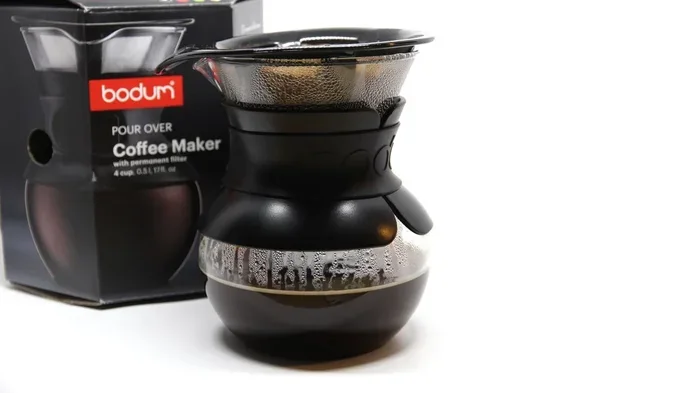
The Bodum pour over coffee maker, often called the Bodum Santos or Bodum Mukka, is a glass carafe brewer with a built-in filter. It sits on top of your mug or carafe and uses gravity to pull hot water through the coffee grounds. The result is a clean, full-flavored cup without the bitterness that can come from other brewing methods.
What Makes the Bodum Different
Unlike paper filter drip machines, the Bodum uses a permanent metal or glass filter. This means you get more of the natural oils and flavors from your coffee beans. The glass carafe also lets you watch the brew in action, which is part of the joy of pour over coffee. The design is minimalist and durable, making it a staple in kitchens around the world.
Most Bodum models come with a simple yet effective filter system. The filter sits inside the brewer and catches the grounds while allowing the liquid coffee to pass through. This creates a clean cup with a smooth body and bright acidity. If you want to explore different coffee brewing methods, the Bodum is one of the most approachable options available.
Parts of the Bodum Pour Over Brewer
Familiarizing yourself with the parts of your Bodum makes the whole process easier. Here is what you are working with:
- The Brewer: The main glass or plastic vessel that holds the coffee grounds.
- The Filter: A permanent mesh filter that separates grounds from liquid.
- The Carafe or Mug: The vessel below that catches the brewed coffee.
- The Lid (on some models): Helps retain heat during brewing.
Knowing each piece helps you understand how the pour over technique works and why each step matters. When all the parts work together, you get a consistently great cup.
Preparing Your Coffee and Water
Great coffee starts before you even turn on the kettle. Preparation is the foundation of a perfect brew. Taking a few extra minutes to get your coffee grounds and water ready makes a noticeable difference in flavor.
Choosing the Right Coffee Beans
Freshly roasted beans are always best for pour over coffee. Look for beans that were roasted within the last two to four weeks. Light to medium roasts tend to shine in a Bodum brewer because they preserve the origin flavors and subtle notes. Dark roasts work too, but they can sometimes taste slightly ashy if the brew time is too long.
Grind your beans just before brewing for the freshest possible cup. Pre-ground coffee loses flavor quickly because the oils oxidize when exposed to air. If you buy pre-ground, try to use it within a week of opening the bag.
Getting the Grind Size Right
Grind size is one of the most important factors in coffee extraction. For a Bodum pour over, you want a medium grind — think of the texture of coarse sand or sea salt. If the grind is too fine, the coffee will be over-extracted and bitter. If it is too coarse, the brew will be weak and sour.
A burr grinder gives you the most consistent grind size, which leads to more even extraction. Blade grinders can work, but they produce a mix of fine and coarse particles. If you only have a blade grinder, try pulsing it in short bursts and sifting out the very fine particles.
Water Temperature and Quality
Water makes up over 98 percent of your cup of coffee, so its quality and temperature matter a lot. Use filtered water for the best taste. Avoid distilled water because it lacks the minerals that help extract flavor from the grounds.
The ideal water temperature for pour over coffee is between 195 and 205 degrees Fahrenheit. That is just below boiling. If the water is too hot, it can scorch the coffee and create bitter flavors. If it is too cool, the extraction will be incomplete and the coffee will taste sour. A simple kitchen thermometer or a kettle with temperature control makes this step much easier.
The Pour Over Technique Step by Step
Now that your coffee and water are ready, it is time to brew. The pour over technique is straightforward, but paying attention to the details is what separates a good cup from a great one. Follow these steps each time you use your Bodum pour over coffee maker.
Step 1: Rinse the Filter
Before you add any coffee, rinse the filter with hot water. This removes any papery taste from paper filters and preheats the glass carafe. It also helps the filter sit snugly against the brewer so that the water flows evenly. Discard the rinse water from the carafe before moving to the next step.
Step 2: Add the Coffee Grounds
Place the brewer on top of your mug or carafe and add the ground coffee. A good starting point is about two tablespoons of coffee for every six ounces of water. This gives you a coffee to water ratio of roughly 1:15 to 1:17, which works well for most Bodum models.
Adjust the ratio to your taste. If you prefer a stronger brew, use a little more coffee. If you like it lighter, use a little less. The beauty of pour over brewing is that you are in full control of the final cup.
Step 3: The Bloom
The bloom is one of the most important steps in coffee brewing. Start by pouring a small amount of hot water — just enough to saturate the grounds — and wait about 30 seconds. You will see the coffee puff up and release bubbles. This is called degassing, and it means the coffee is fresh.
The bloom allows carbon dioxide to escape from the grounds, which opens them up for even extraction. Skipping this step can lead to uneven brewing and a flat taste. So do not rush the bloom. Let it do its work.
Step 4: The Main Pour
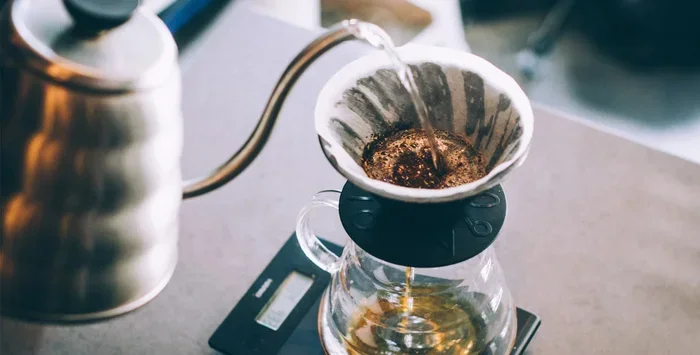
After the bloom, slowly pour the remaining hot water over the grounds in a circular motion. Start from the center and work your way outward, then back inward. Keep the pour steady and gentle. Avoid pouring directly on the filter, as this can cause channeling and uneven extraction.
The entire pour should take about three to four minutes. If the water drains too quickly, your grind may be too coarse. If it drips slowly, the grind may be too fine. Adjusting the grind size is the easiest way to fine-tune your brew.
Step 5: Serve and Enjoy
Once all the water has passed through the grounds, remove the brewer and give the carafe a gentle swirl. This mixes any settled grounds and ensures a consistent flavor throughout the cup. Pour into your favorite mug and enjoy your pour over coffee while it is hot.
Common Mistakes and How to Avoid Them
Even experienced coffee lovers make mistakes sometimes. Here are the most common issues people run into with their Bodum brewer and how to fix them.
Using Water That Is Too Hot
Boiling water is the enemy of a smooth cup of coffee. Water that is at a full rolling boil (212°F) can over-extract the grounds and pull out harsh, bitter compounds. Let your water cool for about 30 seconds after boiling, or use a kettle with a temperature setting.
Grinding the Beans Too Fine
A very fine grind slows down the water flow and leads to over-extraction. The coffee tastes bitter and muddy. If your brew is consistently bitter, try grinding your beans a little coarser. A medium grind is the sweet spot for most Bodum models.
Pouring Too Fast
Pour over coffee is all about patience. Pouring too quickly floods the grounds and causes uneven extraction. Some parts of the coffee bed get over-extracted while others remain under-extracted. Slow and steady wins the race here. Take your time with each pour.
Skipping the Preheating Step
Starting with a cold carafe drops the brewing temperature and can lead to a weak, under-extracted cup. Always rinse your carafe and brewer with hot water before you begin. This small step keeps the temperature consistent throughout the brew.
Cleaning and Maintenance
Keeping your Bodum pour over coffee maker clean is essential for great-tasting coffee and long-lasting performance. Residual oils and coffee particles build up over time and can turn your next cup bitter or stale. A regular cleaning routine takes just a few minutes and keeps everything tasting fresh.
Daily Cleaning
After each use, remove the filter and rinse it with warm water. Swirl hot water inside the carafe and brewer to wash away any remaining grounds. Never use soap on the filter or carafe, as soap can leave a residue that affects the taste of your coffee. A simple rinse is all you need for daily maintenance.
For deeper cleaning, some owners like to give their equipment a thorough wash with warm water and a soft brush. This removes any stubborn buildup that a quick rinse might miss. Just be gentle with the glass carafe to avoid chips or cracks.
Deep Cleaning Weekly
Once a week, give your Bodum a more thorough cleaning. Soak the carafe and brewer in warm water with a splash of white vinegar. This helps dissolve mineral deposits and coffee oils. Rinse everything well with clean water afterward.
You can also soak the filter in a mixture of warm water and baking soda to remove trapped oils. If you notice any staining on the glass, a paste of baking soda and water works wonders. Keeping up with a weekly deep clean ensures your coffee always tastes its best.
Proper care also applies to the rest of your kitchen equipment. Just as you would maintain other appliances — for instance, learning how to clean a Cosori air fryer toaster oven — regular maintenance of your Bodum brewer preserves its performance and extends its life. A clean machine brews better coffee.
Tips for the Perfect Cup Every Time
Once you have the basics down, these pro tips will help you refine your technique and get the most out of every brew.
Use a Gooseneck Kettle
A gooseneck kettle gives you precise control over the pour. The long, narrow spout lets you direct the water exactly where you want it. This is especially helpful during the bloom and main pour stages. You can find affordable gooseneck kettles at most kitchen supply stores.
Weigh Your Coffee and Water
Using a kitchen scale takes the guesswork out of brewing. Weigh your coffee grounds and water to maintain a consistent ratio every time. Even small variations in the amount of coffee or water can change the flavor of your cup. A scale is one of the best investments you can make for coffee brewing at home.
Experiment with Brew Times
Different beans and grinds respond differently to brew time. Try adjusting the total brew time by 15 to 30 seconds and see how the flavor changes. A slightly shorter brew time can bring out brighter, more acidic notes, while a longer brew time brings out deeper, bolder flavors.
Store Your Beans Properly
Keep your coffee beans in an airtight container away from light, heat, and moisture. Do not store them in the freezer, as the moisture can damage the beans. A cool, dark pantry is the best place for whole bean coffee. Fresh beans make a noticeable difference in the final cup.
Pay Attention to the Sound
Listen to your coffee as it brews. A steady, even dripping sound means the water is flowing through the grounds at the right pace. If the dripping speeds up or slows down significantly, your grind size may need adjusting. Your ears can be a surprisingly useful tool in the pour over technique.
Troubleshooting Your Bodum Brewer
Sometimes things do not go as planned. Here are solutions to the most common problems you might encounter.
The Coffee Tastes Bitter
Bitterness usually means over-extraction. Try using a coarser grind, lowering the water temperature slightly, or shortening the brew time. Check that your water is not too hot — remember, the sweet spot is 195 to 205°F.
The Coffee Tastes Sour or Weak
Sourness signals under-extraction. Use a finer grind, increase the water temperature, or extend the brew time by 30 seconds to a minute. Make sure your coffee-to-water ratio is balanced and that you are using enough grounds.
Water Is Not Draining Properly
If the water sits in the brewer and does not drain, your filter may be clogged or the grind may be too fine. Check the filter for any blockages and try a coarser grind next time. Also make sure the brewer is seated properly on the carafe so that gravity can do its job.
Temperature consistency is also important for proper flow. Just as maintaining the right oven temperature is critical for baking, keeping your water at a stable temperature ensures even extraction throughout the brew.
Conclusion
Using a Bodum pour over coffee maker is one of the most rewarding ways to enjoy coffee at home. It gives you full control over every variable — from grind size and water temperature to pour speed and brew time. The result is a clean, flavorful cup that reflects the unique character of your favorite beans.
The process may feel a little slow at first, but that is part of the charm. Pour over brewing is a mindful ritual that turns your morning routine into a moment of calm and creativity. With practice, you will develop an intuition for what works best and be able to tweak each brew to perfection.
Start with the basics covered in this guide, and then experiment with different beans, grind sizes, and pour patterns. Every batch of coffee is a chance to learn something new. Soon enough, making a perfect cup of pour over coffee will feel like second nature. So grab your Bodum, heat up some water, and enjoy the journey of becoming a better home brewer.
Frequently Asked Questions
What is the best coffee-to-water ratio for a Bodum pour over?
A good starting ratio is 1:15 to 1:17, which means one part coffee to fifteen to seventeen parts water. For a standard cup, use about two tablespoons of coffee for every six ounces of water. Adjust the ratio based on your personal taste preferences and the strength you prefer.
Can I use a paper filter with my Bodum pour over coffee maker?
Yes, Bodum offers paper filters that are compatible with their pour over brewers. Paper filters produce a cleaner cup with less sediment compared to the permanent mesh filter. They also make cleanup easier since you can simply throw the filter away after brewing.
How long does the pour over brewing process take?
The entire process, from the bloom to the final drip, takes about four to five minutes. The bloom phase lasts around 30 seconds, and the main pour takes about three to four minutes. If your brew is taking significantly longer or shorter, you may need to adjust your grind size.
Can I reheat coffee in a Bodum carafe?
It is best to brew only what you plan to drink right away, as reheating coffee can cause it to taste flat and bitter. If you need to keep coffee warm, a thermal carafe works better than reheating on a stove or microwave. Proper brewing and timely consumption give you the best flavor.
Why does my Bodum coffee taste different from café-brewed coffee?
Several factors can affect the taste, including grind size, water temperature, coffee freshness, and pour technique. Cafes often use professional equipment and calibrated settings that are hard to replicate at home. Focus on getting the fundamentals right — fresh beans, proper grind, correct temperature — and your home brew will come much closer to cafe quality.
How often should I replace the filter in my Bodum brewer?
The permanent mesh filter in a Bodum brewer can last for years with proper care. However, if you notice that the filter is becoming worn, clogged, or letting grounds through, it may be time for a replacement. Paper filters should be replaced after each use, while the mesh filter should be deep cleaned weekly and inspected regularly for damage.