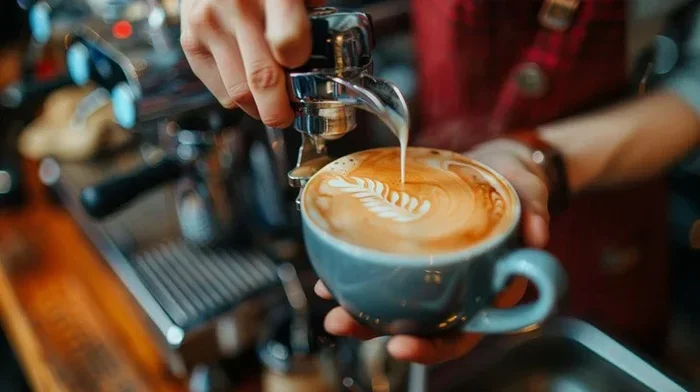
How To Make Coffee Using Espresso Machine Like A Pro
How To Make Coffee Using Espresso Machine is a skill anyone can learn with the right guidance. This guide walks you through every step, from choosing beans to pulling the perfect shot. You will also learn how to steam milk, clean your machine, and avoid common mistakes. With simple tips and clear instructions, you will brew café-quality coffee at home in no time.
There is something magical about walking into a café and smelling fresh espresso in the air. But did you know you can recreate that magic right in your own kitchen? How To Make Coffee Using Espresso Machine is a skill that opens up a whole new world of coffee drinks. Whether you love a simple shot of espresso or a creamy latte, this guide has you covered.
Making espresso at home might seem intimidating at first. There are buttons to press, dials to turn, and milk to froth. But here is the good news. Once you understand the basics, the process becomes second nature. You will be pulling perfect shots and steaming milk like a trained barista in no time.
This guide breaks everything down into simple, easy-to-follow steps. We will cover every part of the process. You will learn about beans, grinding, extraction, milk steaming, and machine care. By the end, you will feel confident enough to make coffee drinks that rival your favorite café. So grab your favorite mug, and let us dive in.
Key Takeaways
- Choose fresh beans: Always use freshly roasted coffee beans for the best flavor and aroma in your espresso shots.
- Grind matters: A fine, consistent espresso grind is essential for proper extraction and rich crema.
- Master the ratio: Use the right coffee-to-water ratio to pull a balanced double shot every time.
- Steam wand technique: Learn to use the steam wand properly to create silky milk foam for lattes and cappuccinos.
- Clean regularly: Daily and deep cleaning keeps your espresso machine running smoothly and your coffee tasting great.
- Avoid common mistakes: Skip the pitfalls like using pre-ground coffee or ignoring temperature control.
📑 Table of Contents
Understanding Your Espresso Machine
Before you start brewing, it helps to know your machine. Every espresso machine has the same basic parts, even if they look different on the outside. Understanding these parts makes the whole process much easier.
Key Parts of an Espresso Machine
Let us start with the main components. The portafilter is the handle that holds your coffee grounds. You lock it into the machine before brewing. Inside the portafilter, you will find the basket where the coffee sits.
Next, there is the steam wand. This is the metal wand that sticks out from the side of the machine. It is used to heat and froth milk. The group head is where the portafilter attaches. It controls the flow of hot water through your coffee.
Most machines also have a drip tray at the bottom. This catches any spills or drips. There is also a water reservoir where you fill fresh water before brewing. Some machines have a built-in grinder, while others require a separate coffee grinder.
Types of Espresso Machines for Home Use
Not all machines are the same. There are a few types to choose from. Manual machines give you full control over pressure and extraction. They are great for coffee lovers who want to master every detail.
Semi-automatic machines are the most popular choice for home use. You start and stop the extraction yourself. The machine handles the water pressure and temperature. Automatic machines do even more. They grind the beans, tamp the coffee, and pull the shot with minimal input from you.
If you are just starting out, a semi-automatic machine is a great choice. It gives you enough control to learn the craft without overwhelming you. As you grow more confident, you can always upgrade.
Choosing the Best Coffee Beans
The foundation of great espresso starts with the beans. Coffee beans are not all created equal, and choosing the right ones makes a huge difference. Fresh beans give you better flavor, better aroma, and a richer crema on top of your shot.
Fresh vs Pre-Ground Coffee
Always buy whole beans when possible. Pre-ground coffee loses its flavor quickly. Within minutes of grinding, the oils in the beans start to break down. This means less flavor and a weaker cup of coffee. Whole beans stay fresh much longer and give you more control over the grind size.
If you must use pre-ground coffee, store it in an airtight container. Keep it away from heat and light. But honestly, investing in a good coffee grinder is the best decision you can make. A burr grinder gives you a consistent espresso grind every single time.
Roast Levels and Flavors
Roast level changes the taste of your espresso. Dark roasts bring out bold, smoky, and chocolatey flavors. They are the classic choice for espresso drinks. Medium roasts offer a balance of acidity and sweetness. Light roasts are more fruity and complex. They are less common for espresso but can be delicious.
For beginners, a medium-dark roast is a safe bet. It gives you a rich, full-bodied flavor with a nice crema. As you explore more, you can experiment with different roasts and origins. Try beans from different countries to find your favorite flavor profile.
Grinding and Preparing Your Coffee
Grinding is one of the most important steps in coffee brewing. The size of your grind affects everything from extraction to taste. Getting this step right sets you up for success.
Finding the Right Espresso Grind Size
Espresso requires a very fine grind. Think of the texture of powdered sugar or table salt. If your grind is too coarse, the water passes through too quickly. This leads to under-extraction and a sour, weak shot. If your grind is too fine, the water cannot pass through at all. This causes over-extraction and a bitter, harsh taste.
Use your coffee grinder to adjust the setting until you find the sweet spot. Most machines work best with a fine but not powdery grind. Take your time with this step. It makes a real difference in the final cup.
The Perfect Espresso Ratio
The espresso ratio is the amount of coffee compared to the amount of water. A standard double shot uses about 18 to 20 grams of coffee and produces about 36 to 40 grams of liquid espresso. This 1:2 ratio is the sweet spot for most espresso drinks.
Use a scale to measure your coffee and your output. Do not rely on guesswork. A digital scale takes the guesswork out of the equation. Weigh your beans before grinding and weigh your espresso as it comes out. This simple habit will improve your shots dramatically.
Pulling the Perfect Espresso Shot
This is the moment you have been waiting for. Pulling an espresso shot is both an art and a science. But once you understand the process, it becomes second nature.
Dialing In Your Espresso Temperature
Temperature plays a big role in extraction. Most machines work best between 195 and 205 degrees Fahrenheit. If the water is too hot, it can burn the coffee and create bitter flavors. If it is too cool, the shot will be under-extracted and sour.
Some machines let you adjust the temperature manually. If yours does, start in the middle range and adjust from there. Temperature control is just as important as grind size. Think about it like using an oven. You need consistent heat for great results. You can learn more about how to tell if your oven is not heating properly to understand why consistent temperature matters so much in any cooking process.
Extraction Time and What to Look For
A double shot should take about 25 to 30 seconds to extract. The liquid should flow like warm honey, thick and steady. Watch the color as it comes out. It should start dark and slowly lighten to a golden brown. This is called the “blonding” phase.
If the shot pulls too fast, your grind is too coarse. If it takes too long, the grind is too fine. Make small adjustments and keep notes. Over time, you will develop a feel for the perfect extraction. This is called “dialing in,” and it is one of the most satisfying parts of making espresso at home.
The top of a good shot should have a layer of rich, golden-brown crema. Crema is the foam that forms on top of espresso. It is a sign of a well-extracted shot. Thick, creamy crema means your grind, ratio, and temperature are all in balance.
Steaming Milk and Creating Milk Foam
Steaming milk is what separates a basic espresso from a café-quality latte or cappuccino. The steam wand is your best friend here. Learning to use it well takes a little practice, but the results are worth it.
Using the Steam Wand Step by Step
Start with cold milk. Pour it into a metal frothing pitcher. The amount of milk depends on the size of your drink. For a latte, fill the pitcher about one-third full. For a cappuccino, fill it about halfway.
Turn on the steam wand and let a burst of steam escape first. This clears out any water that has collected. Then place the tip of the wand just below the surface of the milk. Turn the steam on fully. You should hear a gentle hissing sound as air gets pulled into the milk.
Keep the pitcher moving in a slow circle. This creates tiny, even bubbles. The milk will slowly expand and become creamy. Once the pitcher feels warm to the touch, dip the wand deeper into the milk. This heats the milk without adding more air. The goal is a smooth, glossy texture with no large bubbles.
Stop steaming when the pitcher is too hot to touch comfortably. Wipe the steam wand with a damp cloth right away. This prevents milk from building up on the wand. Clean your steam wand after every use. This keeps it working well and prevents bacteria from growing.
Latte Art Basics for Beginners
Latte art is a fun way to impress your friends. Start with a simple heart shape. Pour your steamed milk into the espresso slowly. Hold the pitcher close to the surface. As the milk mixes with the espresso, move the pitcher back and forth in a small circle. Then drag a line through the center to finish the heart.
Do not worry if your first attempts are messy. Latte art takes practice. The milk texture matters more than the pouring technique. If your foam is smooth and silky, the art will follow more easily. Keep trying, and you will see improvement fast.
Cleaning and Maintaining Your Espresso Machine
A clean machine makes better coffee. This is not just a nice idea. It is a fact. Oils and residue build up inside your machine over time. They can make your coffee taste rancid and bitter. Regular cleaning keeps your espresso machine running at its best.
Daily Cleaning Routine
After each use, knock out the used coffee puck from the portafilter. Rinse it under warm water. Wipe down the steam wand and group head. Empty the drip tray and rinse it out. These simple steps take less than a minute and make a big difference.
Run a blank shot through the machine every few days. This flushes out any leftover coffee oils. Just run water through the portafilter without any coffee grounds. It keeps the internal parts clean and your coffee tasting fresh.
Deep Cleaning Tips
Once a month, give your machine a deeper clean. Remove the portafilter and basket. Soak them in warm, soapy water for about 15 minutes. Scrub away any stubborn residue with a soft brush. Rinse everything thoroughly before putting it back.
Descaling is also important. Mineral buildup from hard water can clog your machine over time. Use a descaling solution or a mix of water and white vinegar. Run it through the machine according to the manufacturer’s instructions. Then run two or three cycles of clean water to flush out any remaining solution.
Just as you would keep other kitchen appliances in top shape, regular maintenance is key. For example, keeping your kitchen equipment clean is essential whether you are maintaining a Cosori air fryer toaster oven or your espresso machine. The principle is the same. Clean machines work better and last longer.
Common Mistakes and How to Fix Them
Even experienced home baristas make mistakes. The good news is that most common problems are easy to fix. Here are a few errors to watch out for.
Using old or stale beans. Coffee beans lose their flavor within a few weeks of roasting. Always check the roast date on the bag. Buy only what you will use within two to four weeks. Store beans in an airtight container away from sunlight.
Tamping too hard or too softly. The tamp should be firm and even. Press down with about 30 pounds of pressure. Too hard can block water flow. Too soft lets water rush through unevenly. A consistent tamp makes a consistent shot.
Ignoring the warm-up time. Give your machine time to heat up before brewing. Most machines need about 15 to 20 minutes to reach the right temperature. Running a shot too early leads to uneven extraction and poor taste.
Skipping the rinse before steaming. Always purge the steam wand before you use it. This clears out any water that has been sitting in the wand. It ensures you are using dry steam for the best milk texture.
Not keeping a log. This might sound nerdy, but it works. Write down your grind size, dose, ratio, and extraction time for each shot. When something goes wrong, you can look back and see what changed. This simple habit speeds up your learning curve dramatically.
Temperature control is not just important for espresso. It matters for all cooking. Think about how you would use the oven to reheat food at the right temperature to get the best results. The same principle applies to espresso. Getting the temperature right is the key to unlocking great flavor.
Conclusion
How To Make Coffee Using Espresso Machine is a rewarding skill that anyone can learn. You do not need years of training or expensive equipment. You just need fresh beans, a good grinder, and a willingness to practice. Start with the basics and build from there.
Focus on one thing at a time. Get your grind size right. Nail the espresso ratio. Perfect your steam wand technique. Each small improvement adds up to a big difference. Soon, you will be making coffee drinks that rival your favorite café.
Remember, every barista started exactly where you are now. The key is to keep experimenting and have fun with it. Your kitchen is your laboratory, and every shot is a chance to learn something new. So go ahead, pull up a chair, and enjoy the journey of becoming a home espresso pro.
Frequently Asked Questions
What type of coffee beans are best for espresso?
Medium-dark to dark roast beans work best for most espresso machines. They produce a rich, full-bodied flavor with a thick layer of crema. Freshly roasted beans within two to four weeks of the roast date give you the best results.
How do I know if my espresso grind is the right size?
The grind should be fine, like powdered sugar or table salt. If your shot runs too fast and tastes sour, your grind is too coarse. If it runs too slow or does not flow at all, the grind is too fine. Adjust in small increments until you find the sweet spot.
Can I use regular coffee beans in an espresso machine?
Yes, you can use any coffee beans in an espresso machine. However, beans specifically labeled for espresso are usually roasted and blended to produce the best results under high pressure. You can still use regular beans, but you may need to adjust your grind and ratio.
How often should I clean my espresso machine?
Clean your machine after every use. This includes wiping the steam wand, knocking out the puck, and rinsing the portafilter. Do a deeper clean and descale once a month to remove mineral buildup and keep your machine running smoothly.
What is the difference between a single shot and a double shot?
A single shot uses about 7 to 9 grams of coffee and produces roughly 1 to 1.5 ounces of espresso. A double shot uses about 18 to 20 grams and produces about 2 ounces. A double shot is the standard in most cafés and gives you a stronger, more balanced flavor.
Why is my espresso tasting bitter?
Bitter espresso usually means over-extraction. This can happen if your grind is too fine, the water is too hot, or the shot pulls for too long. Try adjusting your grind to be slightly coarser or lowering the temperature a few degrees. You may also be using beans that are too darkly roasted for your taste.