What Is Coffee Press Used For Making Perfect Coffee
A coffee press is a simple yet powerful brewing tool that extracts rich, full-bodied coffee through immersion. It is used for making café-quality coffee at home without expensive machines. This guide covers everything you need to know about what a coffee press is used for and how to get the best results every time.
A coffee press is one of the most popular brewing tools in homes and cafes around the world. Whether you are a casual coffee drinker or a dedicated enthusiast, understanding what a coffee press is used for can transform your morning routine. This simple device delivers rich, full-flavored coffee without the need for expensive machines or complicated setups.
Many people reach for a drip coffee maker or a single-serve pod machine every morning. But a coffee press offers something different. It gives you more control over the brewing process, resulting in a cup that tastes deeper, bolder, and more satisfying. In this guide, we will explore everything you need to know about this classic brewing method.
The beauty of a coffee press lies in its simplicity. There are no buttons to press, no pods to buy, and no paper filters to waste. You just add coffee and hot water, wait a few minutes, and press down. It is one of the most straightforward ways to brew coffee at home. Let us dive into what makes this tool so special.
Key Takeaways
- Versatile Brewing Tool: A coffee press is used for making rich coffee, cold brew concentrate, and even flavored infusions.
- Simple Design: It works through immersion brewing, which extracts more oils and flavor than drip methods.
- Multiple Types Available: Glass, stainless steel, and travel models each offer unique benefits for different lifestyles.
- Easy to Master: With the right grind size, water temperature, and steeping time, anyone can brew barista-quality coffee.
- Cost Effective: A coffee press saves money over time compared to pod machines and specialty coffee shop drinks.
- Eco-Friendly: No paper filters or plastic pods are needed, making it a sustainable choice for daily brewing.
📑 Table of Contents
What Is a Coffee Press?
The Simple Design Behind It
A coffee press is a handheld brewing device made of a few key parts. It typically includes a glass or stainless steel carafe, a plunger, and a metal or nylon filter. The filter sits at the bottom of the plunger assembly. When you push the plunger down, it separates the coffee grounds from the liquid.
The design has not changed much since it was invented in the 1920s. The basic concept remains the same. Hot water and coffee grounds sit together in the carafe. The coffee steeps for several minutes. Then you press the plunger down and pour. That is it. No electricity, no complex parts, no mess.
Some modern versions come with double-walled insulation to keep coffee hot longer. Others are designed for travel with sealed lids. But the core function stays the same. A coffee press brews coffee through direct contact between water and grounds.
A Brief History of the Coffee Press
The coffee press has an interesting origin story. The first patent for a coffee press was filed in 1929 by an Italian designer named Attilio Calimani. Over the decades, the design evolved. French, Swiss, and American inventors all contributed improvements.
By the 1980s and 1990s, the coffee press became a staple in kitchens worldwide. Coffee shops started using them for single servings. Home brewers fell in love with the rich flavor it produced. Today, it remains one of the most beloved manual brewing methods. Its timeless design proves that simple often works best.
How Does a Coffee Press Work?
The Science of Immersion Brewing
A coffee press uses a method called immersion brewing. This means the coffee grounds sit fully submerged in hot water for a set period of time. During this time, the water extracts flavors, oils, and compounds from the grounds.
This is different from drip brewing, where water passes through grounds quickly. Immersion brewing allows for a longer contact time. The result is a cup with more body, more aroma, and a fuller mouthfeel. The coffee press captures more of the natural oils that paper filters in drip machines tend to trap.
The key factors in immersion brewing are time, temperature, and grind size. Getting these three things right makes a huge difference. Too hot, and the coffee turns bitter. Too coarse, and it tastes weak. Too short, and it lacks depth. But when you nail the balance, the flavor is extraordinary.
Why Immersion Brewing Makes Better Coffee
Many coffee lovers prefer the coffee press because of the flavor profile it creates. The extended steeping time allows for a more complete extraction. You taste more of the coffee’s natural sweetness, acidity, and complexity.
Unlike paper-filtered methods, a coffee press lets fine particles and oils pass through. This gives the coffee a slightly thicker texture and a more robust taste. Some people describe it as velvety or creamy, even without adding milk. The coffee press truly lets the beans shine.
If you have ever wondered why coffee from a press tastes different from drip coffee, this is why. The brewing method changes everything. Immersion extraction pulls out different compounds than quick-pass filtration. That is what gives the coffee press its signature bold character.
What Is a Coffee Press Used For?
Brewing Rich, Full-Bodied Coffee
The most common use for a coffee press is brewing hot coffee. It excels at producing a rich, full-bodied cup with deep flavor. Whether you prefer light roast, medium roast, or dark roast, a coffee press brings out the character of each bean.
You can brew one cup or four cups at a time. The process is the same regardless of quantity. Add coarsely ground coffee to the carafe. Pour hot water over the grounds. Let it steep for about four minutes. Press the plunger down slowly. Pour and enjoy.
Many baristas recommend using a coarse grind for a coffee press. A fine grind can slip through the filter and make the coffee gritty. A coarse grind keeps the sediment out while still allowing full flavor extraction. The coffee press rewards patience and attention to detail.
Making Cold Brew Concentrate
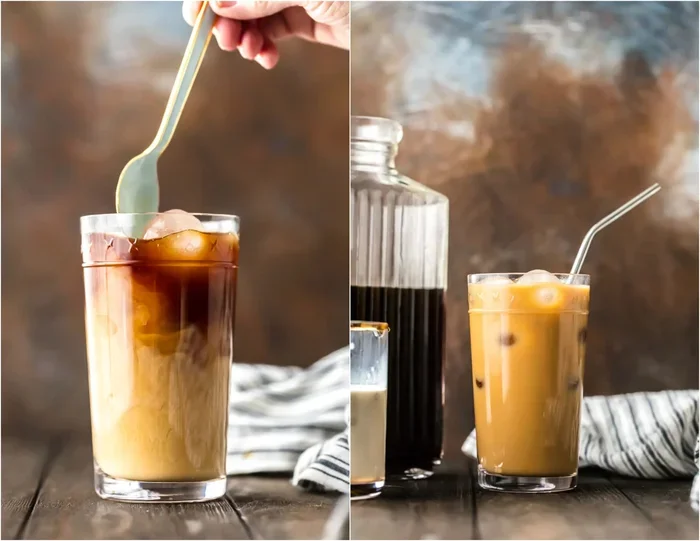
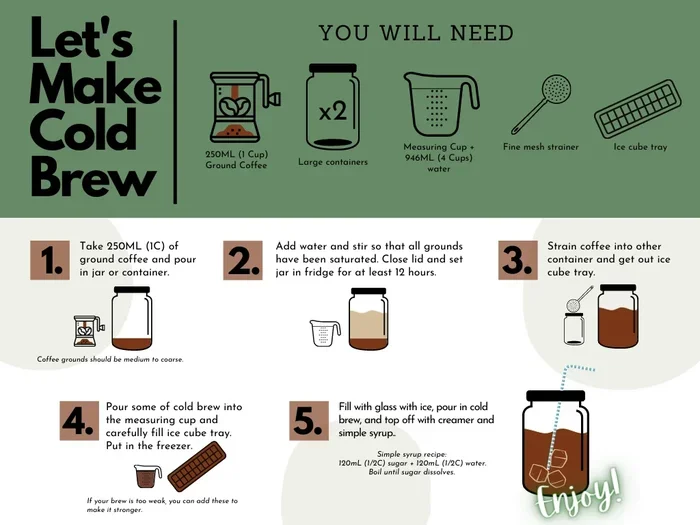
Did you know a coffee press is excellent for making cold brew? Cold brew coffee is smooth, sweet, and low in acidity. You can use your press to steep coffee grounds in cold water for 12 to 24 hours. The result is a concentrated brew that you can dilute with water or milk.
Cold brew made in a coffee press is incredibly convenient. You steep it in the morning, refrigerate it, and it is ready by evening. The press acts as both the brewing vessel and the strainer. No extra equipment is needed. It is one of the most underrated uses for this tool.
Cold brew concentrate also lasts up to two weeks in the fridge. You can pour a cup any time without repeating the brewing process. This makes the coffee press a practical choice for busy mornings and hot summer days alike.
Infusing Flavors and Brewing Tea
A coffee press is not just for coffee. Many people use it to infuse flavors into water, cocktails, and teas. You can steep herbs, fruits, or spices in the press to create flavored water or homemade infusions. The sealed lid keeps everything contained and the steeping process even.
Tea lovers also appreciate the coffee press. It works beautifully for loose-leaf tea. The press gives the leaves room to expand fully, releasing more flavor than a small tea bag ever could. You can brew multiple cups at once. Cleanup is easy too. Just rinse out the grounds and you are ready for the next use.
Some people even use their press for making homemade vanilla extract or infused oils. The possibilities go well beyond coffee. Once you own a coffee press, you will find new uses for it regularly.
Types of Coffee Presses Available
Glass Carafe Models
The classic coffee press features a glass carafe with a metal plunger. Glass models are popular because they let you see the coffee as it brews. They also do not retain flavors from previous batches. If you switch between light and dark roasts, glass is a great choice.
However, glass is fragile. It can break if dropped. It also does not insulate as well as other materials. Hot coffee cools down faster in a glass carafe. If you want to keep your coffee hot for longer, you may want to consider other options.
Stainless Steel Options
Stainless steel coffee presses are durable and long-lasting. They do not break if dropped, and they insulate heat much better than glass. Many stainless steel models feature double walls that keep coffee hot for an hour or more.
The downside is that steel can retain flavors over time. If you switch between strongly flavored coffees, the previous brew’s taste may linger. Some people find this affects the flavor of lighter roasts. But for everyday use, a stainless steel coffee press is hard to beat.
Travel-Friendly Presses
Travel coffee presses are designed for people on the go. They feature sealed lids that prevent leaks. Some models are made of unbreakable materials like silicone or plastic. These are perfect for camping trips, office desks, or road trips.
Travel presses are usually smaller than standard models. They brew one to two cups at a time. The trade-off is a smaller capacity. But for many people, portability is worth it. If you want fresh coffee anywhere you go, a travel coffee press is an excellent investment.
Comparing Coffee Press Types
| Feature | Glass Carafe | Stainless Steel | Travel Model |
|---|---|---|---|
| Durability | Fragile | Very Durable | Very Durable |
| Heat Retention | Poor | Excellent | Good |
| Flavor Neutrality | Excellent | Moderate | Good |
| Capacity | 3-8 cups | 3-6 cups | 1-2 cups |
| Price Range | $15-$40 | $25-$60 | $20-$50 |
| Best For | Home use | Daily brewing | On-the-go use |
Choosing the right type depends on your lifestyle and preferences. If you brew at home every day, a stainless steel model may be the best fit. If you travel often, a compact travel coffee press keeps you caffeinated on the road. And if you love the classic look and feel, a glass carafe model never goes out of style.
How to Make Perfect Coffee With a Press
Step-by-Step Brewing Guide
Brewing coffee with a coffee press is easy once you know the steps. Follow this simple guide for great results every time:
- Boil water and let it cool for about 30 seconds. The ideal temperature is between 195 and 205 degrees Fahrenheit.
- Add coffee grounds to the carafe. Use about two tablespoons per six ounces of water. A coarse grind works best.
- Pour hot water over the grounds evenly. Make sure all the grounds are saturated.
- Stir gently with a wooden or plastic spoon. Do not use metal, as it can scratch the glass.
- Place the lid on top and let the coffee steep for four minutes.
- Press the plunger down slowly and steadily. Apply even pressure for the best results.
- Pour immediately into your cup. Do not leave the coffee sitting in the press, or it will over-extract and turn bitter.
Following these steps consistently will give you a clean, flavorful cup every time. The coffee press rewards attention to detail, but the process is forgiving enough for beginners too.
Quick Tips for Better Results
- Use fresh beans. Coffee tastes best when ground just before brewing. Pre-ground coffee loses flavor quickly.
- Weigh your coffee. A kitchen scale helps you get the right ratio every time. Two grams of coffee per ounce of water is a good starting point.
- Preheat the carafe. Pour hot water into the press before brewing. This keeps the brewing temperature stable.
- Do not skip the stir. A gentle stir ensures all grounds are fully saturated and extract evenly.
- Experiment with steeping time. Try three minutes for a lighter cup or five minutes for a stronger brew.
These small adjustments can elevate your coffee from good to great. The coffee press gives you the freedom to experiment and find your perfect cup.
Common Mistakes to Avoid
Even experienced coffee press users make mistakes. Here are the most common ones to watch out for:
- Using too fine a grind. This causes sediment in your cup and can clog the filter. Always go with a coarse grind.
- Water that is too hot. Boiling water burns the coffee and creates a bitter taste. Let it rest for 30 seconds after boiling.
- Leaving coffee in the press. The coffee continues to extract after pressing. Pour it out right away for the best flavor.
- Skipping the preheat step. A cold carafe drops the brewing temperature and leads to uneven extraction.
- Using old coffee grounds. Stale beans produce flat, lifeless coffee. Always use fresh, quality beans for the best results.
Avoiding these mistakes will save you from disappointing cups of coffee. A little attention goes a long way with a coffee press.
Benefits, Care, and Why It Is Worth Using
Cost Savings Over Time
One of the biggest advantages of a coffee press is the cost savings. A quality press costs between $20 and $60. It lasts for years with proper care. Compare that to buying coffee pods or going to a coffee shop every morning. Over a year, a coffee press can save you hundreds of dollars.
A bag of quality coffee beans costs around $12 and makes roughly 30 cups. That is about 40 cents per cup. A coffee shop latte, on the other hand, costs $4 to $6. The savings add up fast. If you drink coffee daily, the coffee press pays for itself within weeks.
Eco-Friendly Brewing
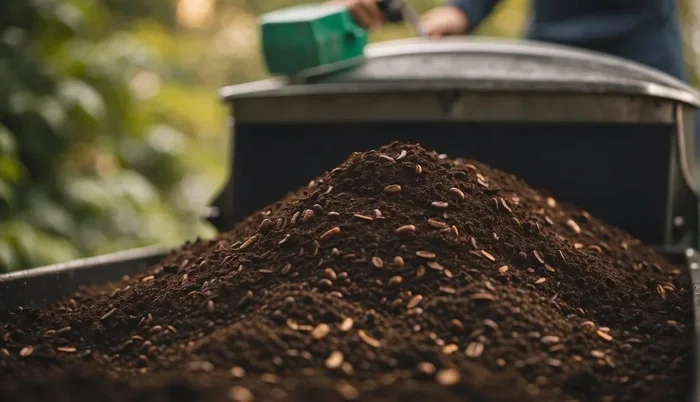
A coffee press is one of the most sustainable ways to brew coffee. It uses no paper filters, no plastic pods, and no electricity. The only waste is the spent coffee grounds, which can be composted.
Many single-serve coffee machines rely on plastic pods that end up in landfills. A coffee press eliminates that waste entirely. It is a simple choice that makes a real environmental difference. For eco-conscious coffee drinkers, the press is the clear winner.
If you are also mindful about other kitchen items, you might wonder about the safety of different materials. For instance, if you use cast iron cookware in your kitchen, it is worth checking whether your tools are safe for all heat sources. Understanding the safety of your kitchen equipment helps you make better choices across the board.
Portability and Convenience
A coffee press fits easily into a bag or backpack. It requires no outlet, no batteries, and no special setup. Whether you are camping, commuting, or working from a home office, a travel press gives you access to great coffee anywhere.
The simplicity of the coffee press is its greatest strength. There are no parts to replace, no capsules to buy, and no complex instructions to follow. You just add coffee and water. That is what makes it so appealing to people of all ages and experience levels.
Cleaning and Maintaining Your Coffee Press
Keeping your coffee press clean ensures great-tasting coffee every time. After each use, disassemble the plunger and rinse all parts with warm water. The metal filter can collect oils and fine particles. A quick scrub with a bottle brush keeps it in good shape.
For a deeper clean, soak the carafe and plunger in warm water with a little baking soda. This removes built-up oils and stubborn stains. Avoid using harsh detergents, as they can leave a soapy taste that affects your next brew.
It is also a good idea to replace the filter periodically. Over time, the mesh can become worn or clogged. A new filter restores the full flavor potential of your coffee press. Most filters last several months with regular use.
Just as you would troubleshoot other kitchen appliances when they start underperforming, learning to care for your brewing tools keeps them working at their best. If you ever notice your kitchen oven not heating properly, for example, you would want to address it quickly. The same attention to maintenance applies to your coffee press and other brewing equipment.
When you first bring home new kitchen equipment, whether it is a press or an oven, taking time to read the instructions and properly set it up makes a big difference. Proper care from day one extends the life of every tool in your kitchen.
Conclusion
A coffee press is one of the most versatile and rewarding brewing tools you can own. It is used for making rich hot coffee, smooth cold brew, flavored infusions, and even tea. Its simple design, affordable price, and eco-friendly nature make it a must-have for any coffee lover.
Whether you choose a glass carafe model, a stainless steel version, or a compact travel press, you are investing in better coffee and a better brewing experience. The coffee press gives you control over every variable. You decide the grind size, the water temperature, the steeping time, and the strength of your cup.
If you have never tried brewing with a coffee press, now is the perfect time to start. It is easy, affordable, and incredibly satisfying. Once you taste the difference, you may never go back to your old brewing method. Embrace the simplicity and richness of coffee press brewing, and elevate your daily coffee ritual today.
Frequently Asked Questions
Can I use a coffee press for tea?
Yes, absolutely. A coffee press works wonderfully for brewing loose-leaf tea. The press allows the tea leaves to expand fully, releasing more flavor than a standard tea bag. Just add tea leaves, pour hot water, steep for the recommended time, and press down. Rinse thoroughly between uses if you switch between coffee and tea.
How long does coffee steep in a coffee press?
The standard steeping time for a coffee press is about four minutes. You can adjust this based on your taste preferences. A shorter steep produces a lighter cup, while a longer steep creates a bolder, stronger brew. Experiment with times between three and five minutes to find your sweet spot.
Can I use pre-ground coffee in a coffee press?
You can, but freshly ground coffee always tastes better. Pre-ground coffee loses its flavor quickly after opening the bag. If you must use pre-ground, store it in an airtight container and use it within a week for the best results. A coffee press works best with a coarse grind, so make sure the pre-ground coffee is labeled for press brewing.
Is a coffee press better than a drip coffee maker?
It depends on what you value most. A coffee press produces a richer, fuller-bodied cup with more natural oils and flavor. A drip maker is more convenient for brewing large quantities with less effort. Many coffee lovers keep both in their kitchen to enjoy the best of both worlds.
Can I make cold brew with a coffee press?
Yes, a coffee press is one of the best tools for making cold brew. Simply add coarsely ground coffee and cold water, stir, and refrigerate for 12 to 24 hours. Press down and pour. The press acts as both the brewing vessel and the strainer, making cold brew preparation simple and mess-free.
How often should I replace the filter in my coffee press?
Most coffee press filters should be replaced every three to six months with regular use. Signs that it is time for a replacement include difficulty pressing, visible wear on the mesh, or a gritty texture in your coffee. A fresh filter ensures clean extraction and the best possible flavor from every brew.