What Are The Parts Of A Coffee Machine And How They Work
Every coffee machine has key parts that work together to brew your favorite cup. From the water reservoir and heating element to the portafilter and steam wand, understanding each component helps you brew better coffee and troubleshoot problems faster.
Every morning, millions of people rely on their coffee machine to kickstart the day. But how many of us really understand what’s happening inside that box every time we press a button? The parts of a coffee machine work together in a precise sequence to turn plain water into a rich, aromatic cup of joe. Whether you own a simple drip brewer or a fancy espresso machine, knowing each component helps you brew better coffee, fix small issues, and keep your machine running for years.
In this guide, we’ll break down every major part of a coffee machine and explain exactly how it works. You don’t need to be a technician to understand this. We’ll keep things simple, practical, and easy to follow. By the end, you’ll know your machine better than ever before.
Understanding your coffee machine also helps you make smarter buying decisions. When you know what each part does, you can spot quality differences between models and choose the right machine for your needs. Let’s dive in.
Key Takeaways
- Water System: The reservoir, pump, and tubing work together to deliver fresh water to the brewing chamber.
- Heating Element: This part heats water to the perfect temperature for extraction, typically between 195°F and 205°F.
- Brewing Group: The portafilter, filter basket, and group head are where the magic of extraction happens.
- Steam Wand: This tool steams and froths milk for lattes, cappuccinos, and other milk-based drinks.
- Control Panel: Digital or manual controls let you adjust brew strength, temperature, and cup size.
- Maintenance Matters: Regular cleaning of each part extends your machine’s life and improves coffee taste.
📑 Table of Contents
- Understanding Your Coffee Machine’s Basic Anatomy
- The Brewing Mechanism Components
- The Steam and Milk System
- Control Panel and Electronics
- Coffee Machine Maintenance and Care
- How the Parts Work Together: The Brewing Process
- Choosing the Right Coffee Machine for Your Needs
- Final Thoughts on Coffee Machine Parts
Understanding Your Coffee Machine’s Basic Anatomy
A coffee machine might look like a single unit, but it’s really a collection of smaller systems working together. Each system handles a specific job in the brewing process. Let’s start with the basics and work our way through every major component.
The Water System Components
Every coffee machine starts with water. The water system is responsible for holding, moving, and heating the water that becomes your coffee. It might seem simple, but each part plays a critical role.
The Water Reservoir
This is the removable tank at the back or side of your machine. It holds the water you’ll use for brewing. Most reservoirs are made from plastic or stainless steel. They come in different sizes, typically ranging from 4 cups to 12 cups or more. A larger reservoir means fewer refills if you’re brewing multiple cups.
Some machines have a transparent reservoir so you can see the water level. Others have markings on the side. Either way, the reservoir is where you pour fresh water before every brew. Keeping it clean is important because old water can affect the taste of your coffee.
The Pump
The pump moves water from the reservoir to the heating element and then to the coffee grounds. In drip coffee makers, a small electric pump pushes water through the tubing. In espresso machines, the pump is more powerful because it needs to create pressure for proper extraction.
You might hear a humming sound when your machine starts. That’s the pump doing its job. If your machine isn’t dispensing water, a clogged or weak pump is often the culprit. Regular descaling helps keep the pump working smoothly.
The Tubing and Valves
Thin tubes connect the reservoir, pump, and heating element. Valves control the flow of water and ensure it moves in the right direction. These small parts are easy to overlook, but they’re essential. A damaged tube or stuck valve can cause leaks or prevent brewing altogether.
The Heating System
Once water leaves the reservoir, it needs to be heated. The heating system is what makes this possible.
The Heating Element
The heating element is the part that brings water to the right brewing temperature. Most coffee machines heat water to between 195°F and 205°F. This is the sweet spot for extracting the best flavors from coffee grounds.
In drip machines, the heating element sits at the base. It heats water as it passes through. In espresso machines, there’s usually a separate boiler or thermoblock that heats water more precisely. The type of heating system affects how quickly your machine brews and how consistent the temperature is.
The Thermostat and Thermal Fuse
These safety parts regulate temperature. The thermostat turns the heating element on and off to maintain the right temperature. The thermal fuse is a backup safety device. If the machine overheats, the thermal fuse cuts power to prevent damage or fire.
These parts rarely fail, but they’re important for safe operation. If your coffee tastes burnt or your machine shuts off unexpectedly, a thermostat or fuse issue might be the cause.
The Brewing Mechanism Components
This is where the actual coffee brewing happens. The brewing mechanism extracts flavor from the grounds and delivers the finished coffee to your cup.
The Group Head and Portafilter
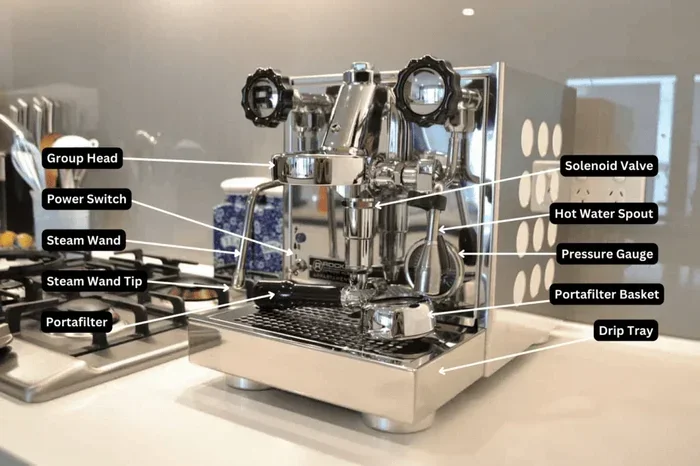
In espresso machines, the group head is the metal bracket that holds the portafilter in place. The portafilter is the removable handle that locks into the group head. Inside the portafilter sits the filter basket, which holds the ground coffee.
When you brew espresso, hot water is forced through the grounds inside the portafilter. The group head ensures a tight seal so pressure builds properly. A good portafilter should feel sturdy and lock in securely without wobbling.
Portafilters come in different sizes, typically 51mm, 54mm, or 58mm. The size matters because it determines how much coffee you can brew at once. Larger portafilters are common in professional machines and allow for double or triple shots.
How To Clean Your Portafilter
After each use, knock out the used grounds and rinse the portafilter. For a deeper clean, soak it in warm water with a bit of dish soap. Some people put silicone gaskets in the dishwasher, but you can check if silicone parts are safe for high heat before using heat-based cleaning methods on any rubber or silicone components.
The Filter Basket and Brew Basket
The filter basket holds the coffee grounds during brewing. In drip machines, this is usually a flat or cone-shaped basket that sits above the carafe. In espresso machines, the basket is inside the portafilter.
There are two main types of baskets: paper-filtered and metal-filtered. Paper filters catch more oils and fine particles, giving you a cleaner cup. Metal filters let more oils through, creating a fuller-bodied brew.
The size of the basket matters too. Using the wrong size can lead to uneven extraction. Always match your basket to the amount of coffee you’re brewing.
The Spray Head and Shower Screen
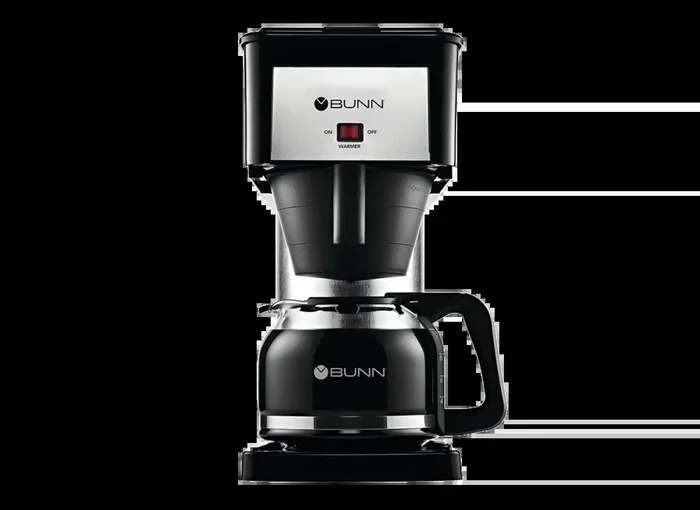
In drip coffee makers, the spray head distributes water evenly over the coffee grounds. It sits at the top of the brew chamber and has small holes that spray water in a circular pattern.
The shower screen covers the spray head and prevents grounds from getting into the water. Over time, mineral buildup can clog the small holes. This leads to uneven extraction and weak coffee. Regular cleaning with vinegar or a descaling solution keeps the spray head working properly.
In espresso machines, a similar component called the dispersion screen distributes water evenly across the coffee puck. Both serve the same purpose: ensure every grain of coffee gets the same amount of water for consistent flavor.
The Steam and Milk System
If you enjoy milk-based coffee drinks like lattes and cappuccinos, the steam system is one of the most important parts of your machine.
The Steam Wand
The steam wand is a metal tube that protrudes from the side of the machine. It uses steam from the boiler to heat and froth milk. You can control how much steam and air you introduce to create different textures, from silky microfoam for latte art to thick foam for a cappuccino.
Using the steam wand takes practice. You need to position the wand just below the milk surface and adjust the angle to create a whirlpool effect. This incorporates tiny air bubbles that make the milk creamy and smooth.
After each use, wipe the steam wand with a damp cloth. Milk residue can build up quickly and clog the tip. Some baristas recommend purging steam through the wand before and after each use to clear any milk left inside.
Steam systems work similarly to how a steam clean oven works in that both use pressurized steam to heat and clean surfaces. Understanding this basic principle helps you appreciate the engineering behind your coffee machine’s steam wand.
The Boiler and Steam Valve
In machines with a separate boiler, this is the sealed chamber that heats water and generates steam. The steam valve controls when steam is released to the wand. Some machines have a single boiler that handles both brewing and steaming, while others have dual boilers for better temperature control.
Dual boiler machines are more expensive but offer superior performance. They can brew coffee and steam milk at the same time without temperature fluctuations. For home baristas who love milk-based drinks, this is a worthwhile upgrade.
Control Panel and Electronics
Modern coffee machines come with a range of electronic features that make brewing easier and more consistent.
Buttons and Dials
Basic machines have simple on/off switches and brew strength buttons. More advanced models include digital displays, programmable timers, and strength selectors. Some let you choose cup size, temperature, and even grind coarseness.
The control panel is your command center. Learning what each button does helps you customize your coffee to your exact preferences. Start with the default settings and adjust from there until you find your perfect cup.
The Timer and Clock
Many machines include a programmable timer. You can set the machine to start brewing at a specific time. This is perfect for waking up to the smell of fresh coffee. The clock also helps you track when it’s time to descale or clean the machine.
Sensors and Safety Features
Modern machines include sensors that detect water levels, temperature, and pressure. These sensors protect the machine from damage and ensure consistent brewing. For example, a water level sensor prevents the machine from running dry, which could burn out the heating element.
Some machines also have a setup guide similar to new appliance setup that walks you through the first use, including running a cleaning cycle and calibrating the temperature.
Coffee Machine Maintenance and Care
Knowing the parts of your coffee machine is only half the battle. Proper maintenance keeps everything working at its best and extends the life of your machine.
Daily Cleaning Routine
After each use, empty the used grounds and rinse the filter basket. Wipe down the exterior and clean the steam wand. Run a cycle with clean water to flush out any remaining coffee oils. These simple steps take just a few minutes and make a big difference in taste.
Weekly and Monthly Maintenance
Once a week, remove and soak removable parts in warm soapy water. Check the spray head for clogs and clean it with a small brush. Once a month, run a descaling cycle to remove mineral buildup from the heating element and tubing.
Descaling is especially important if you live in an area with hard water. Mineral deposits can reduce heating efficiency and affect coffee flavor. Most machine manufacturers recommend descaling every 1 to 3 months, depending on usage.
Replacing Worn Parts
Over time, some parts wear out and need replacing. Gaskets and seals are the most common. They can become brittle or cracked, leading to leaks and pressure loss. Replacing a gasket is usually simple and inexpensive. Most machines have replacement parts available online or at kitchen supply stores.
Other parts that may need replacement include the water filter, shower screen, and steam wand tip. Check your machine’s manual for a recommended replacement schedule.
Common Coffee Machine Problems and Solutions
Here are a few common issues and what might be causing them:
- Weak coffee: The filter basket might be clogged, or the grind might be too coarse. Try using a finer grind or cleaning the basket.
- Leaking water: Check the reservoir seal and tubing connections. A worn gasket is often the cause.
- Machine not heating: The heating element or thermostat might be faulty. Descale the machine first, then check for error lights.
- Steam wand not producing steam: Milk residue might be clogging the tip. Soak the wand tip in warm water or use a needle to clear the opening.
- Strange taste: Old coffee oils or mineral buildup can cause off-flavors. Run a cleaning cycle with vinegar and water.
Regular maintenance prevents most of these problems. A well-cared-for coffee machine can last 5 to 10 years or more, depending on the model and how often you use it.
How the Parts Work Together: The Brewing Process
Now that you know each part, let’s see how they all work together in the brewing process. Understanding the full sequence helps you appreciate the engineering behind every cup.
- Water fills the reservoir. You pour fresh water into the tank.
- The pump pushes water through the tubing. Water moves from the reservoir to the heating element.
- The heating element warms the water. Water reaches the ideal brewing temperature between 195°F and 205°F.
- Hot water reaches the brew basket. The spray head or group head distributes water evenly over the coffee grounds.
- Extraction happens. Water passes through the grounds, pulling out oils, flavors, and aromas.
- Brewed coffee drips into the carafe or cup. The finished coffee collects in the pot or flows directly into your mug.
- Steam is generated separately (if applicable). The boiler heats additional water for the steam wand to froth milk.
This entire process happens in just a few minutes. The precision of each part working in harmony is what gives you a consistent, great-tasting cup every time.
Different machine types follow this same basic process but with variations. A drip machine relies on gravity and a simpler pump. An espresso machine uses high pressure and a more complex brewing group. A pod machine uses pre-packaged capsules for convenience. But at their core, all coffee machines share the same fundamental components described above.
Choosing the Right Coffee Machine for Your Needs
Now that you understand the parts, you can make a more informed decision when shopping for a new machine. Think about which components matter most to you.
If you love espresso and milk drinks, look for a machine with a powerful pump, a quality steam wand, and a sturdy portafilter. If you prefer simple drip coffee, focus on the heating element and spray head quality. For convenience, pod machines handle most of the work for you with pre-measured portions.
Consider how much time you want to spend on maintenance. Machines with fewer removable parts are easier to clean. Machines with more advanced features give you more control over the brewing process but require more care.
Budget also plays a role. Entry-level machines have basic components that work well for everyday brewing. Mid-range machines offer better materials and more consistent performance. High-end machines include premium components like dual boilers, PID temperature controllers, and commercial-grade pumps.
No matter your budget, understanding the parts helps you get the best value. You’ll know exactly what you’re paying for and which features will make the biggest difference in your daily cup.
Final Thoughts on Coffee Machine Parts
Your coffee machine is more than just a kitchen appliance. It’s a carefully engineered system where every part contributes to the final cup. From the water reservoir and pump to the heating element, brew basket, and steam wand, each component has a specific job to do.
Taking the time to understand these parts transforms your coffee experience. You’ll brew better coffee, troubleshoot problems faster, and keep your machine running smoothly for years. The next time you make your morning cup, take a moment to appreciate the process happening inside the machine.
Remember, great coffee starts with knowing your equipment. With the knowledge you’ve gained from this guide, you’re well on your way to becoming a more informed coffee lover and a better home barista.
Frequently Asked Questions
What are the main parts of a coffee machine?
The main parts include the water reservoir, pump, heating element, brew basket, portafilter, group head, steam wand, and control panel. Each part plays a specific role in the brewing process, from holding water to extracting flavor and frothing milk.
How often should I clean my coffee machine parts?
You should rinse removable parts after every use and do a deeper cleaning weekly. Descale the machine monthly if you brew daily. Regular cleaning prevents mineral buildup, removes old coffee oils, and keeps your coffee tasting fresh.
Can I replace parts myself?
Yes, most coffee machine parts are easy to replace at home. Gaskets, filters, shower screens, and steam wand tips can usually be swapped with basic tools. Check your machine’s manual for specific instructions and compatible replacement parts.
Why is my coffee machine leaking?
Leaks are often caused by worn gaskets, loose tubing connections, or a cracked reservoir. Check the seals around the portafilter and water tank first. If the leak persists, inspect the internal tubing for cracks or blockages.
What temperature should a coffee machine heat water to?
Most coffee machines heat water to between 195°F and 205°F. This temperature range is ideal for extracting the best flavors from coffee grounds without burning them. If your machine runs too hot or too cold, the thermostat or heating element may need attention.
How do I know when to replace a coffee machine part?
Signs that a part needs replacing include leaks, inconsistent brewing temperature, weak coffee flow, or unusual noises during operation. If cleaning doesn’t solve the problem, the part is likely worn out and should be replaced with a compatible new one.
=== META TITLE ===
What Are The Parts Of A Coffee Machine And How They Work
=== URL SLUG ===
parts-of-a-coffee-machine-and-how-they-work
=== SEO TITLE ===
What Are The Parts Of A Coffee Machine?