Who Invented The Bunn Coffee Maker And Why It Matters
The Bunn coffee maker was invented by George Bunn in 1957, revolutionizing both home and commercial coffee brewing. His company, Bunn-O-Matic Corporation, introduced the first automatic drip coffee machine that made fresh coffee faster and easier than ever before. The Bunn coffee maker remains one of the most trusted names in coffee equipment today because of its durable design and consistent brewing quality.
The story of the Bunn coffee maker starts with a man named George Bunn. In the mid-1950s, he saw a real problem. People wanted great coffee, but the machines available were slow, unreliable, and hard to use. George had a vision for something better. He wanted to build a coffee brewer that worked fast, brewed consistently, and lasted for years. That vision led to one of the most important inventions in coffee brewing history.
Today, the Bunn coffee maker sits on countertops in millions of homes and behind counters in restaurants, diners, and cafés around the world. But how did it all start? Who was George Bunn, and what made his invention so special? Let us walk through the full story of the coffee maker inventor who changed the way we brew forever.
Key Takeaways
- George Bunn invented the Bunn coffee maker in 1957: He founded Bunn-O-Matic Corporation and changed the coffee brewing industry forever.
- The automatic drip design was a game-changer: Before Bunn, most coffee brewing was manual and time-consuming.
- Bunn serves both home and commercial markets: From kitchens to restaurants, their machines are built for heavy daily use.
- The Bunn coffee maker uses precision brewing technology: Temperature control and spray head design ensure every cup tastes great.
- The company has evolved with modern needs: Newer models include thermal carafes, smart features, and eco-friendly options.
- Bunn coffee makers are built to last: Their commercial-grade construction means years of reliable use.
- Understanding the inventor helps you appreciate the machine: Knowing the history gives you insight into why Bunn coffee makers work so well.
📑 Table of Contents
Who Was George Bunn?
George R. Bunn Sr. was an American entrepreneur and inventor with a knack for solving everyday problems. He was not a coffee expert by trade. Instead, he was a businessman who noticed a gap in the market. In the 1950s, most coffee brewing was done using stovetop percolators or manual drip methods. These methods were fine, but they required constant attention and did not always produce consistent results.
George Bunn founded the Bunn-O-Matic Corporation in 1957 in Springfield, Illinois. The company started as a general manufacturer of liquid-dispensing equipment. But George had a bigger dream. He wanted to create a machine that could brew coffee automatically, with precision and speed. His background in fluid handling and dispensing gave him the perfect foundation for this challenge.
The company grew quickly because George focused on quality and innovation. He understood that people needed machines that could handle high volume without sacrificing taste. This focus on both performance and reliability became the hallmark of every Bunn coffee machine that followed.
The Vision Behind the Invention
George Bunn did not just want to build another coffee maker. He wanted to solve the real problems coffee drinkers faced every morning. Here is what he identified as the biggest issues with existing brewing methods:
- Inconsistent temperature: Stovetop methods often overheated or underheated the water, leading to bitter or weak coffee.
- Slow brewing times: Manual methods took too long, especially for large families or busy restaurants.
- Poor filtration: Old-style percolators recycled boiling water through grounds, creating harsh flavors.
- Lack of durability: Most home coffee makers broke down quickly under regular use.
George set out to fix each of these problems. He studied how water moved through coffee grounds and figured out the ideal temperature and flow rate. The result was the first automatic drip coffee brewer from Bunn. This machine heated water to the perfect temperature and distributed it evenly over the grounds. The coffee came out clean, smooth, and consistent every single time.
How the Bunn Coffee Maker Changed Coffee Brewing
The introduction of the Bunn drip coffee maker was a turning point. Before this invention, automatic coffee brewing was rare. Most households still used percolators or French presses. The Bunn machine brought commercial-grade brewing technology into the home. It was simple to operate, fast, and produced restaurant-quality coffee.
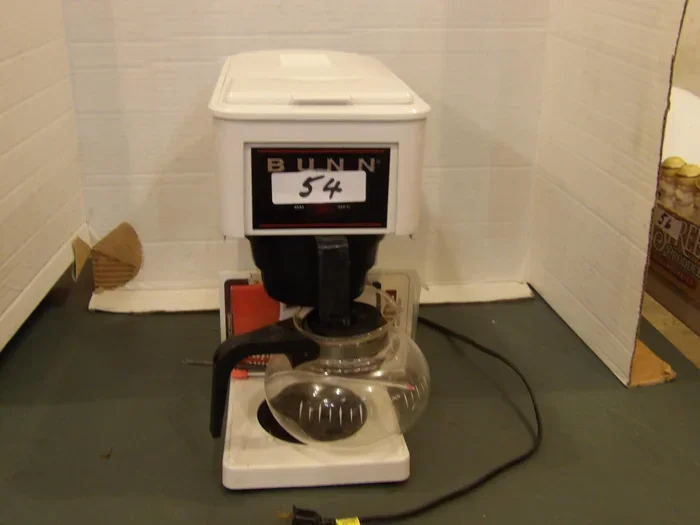
The automatic drip coffee design became the standard for modern coffee makers. Nearly every drip machine you see today follows the basic principles that George Bunn established. The machine heats water in a reservoir, pushes it through a tube, and sprays it over a bed of ground coffee. The brewed coffee drips down into a carafe below. This process is now so common that we take it for granted. But it was revolutionary when Bunn first introduced it.
The Role of Commercial Coffee Brewing
One of the reasons the Bunn coffee maker became so popular so fast was its appeal to commercial users. Restaurants, diners, offices, and cafés needed machines that could brew large amounts of coffee quickly. The Bunn commercial machines delivered exactly that. They could brew dozens of cups per hour without any drop in quality.
Today, if you walk into a restaurant or a fast-food chain, there is a very good chance you will find a Bunn commercial coffee maker behind the counter. The company supplies machines to major food service operators around the globe. This commercial success helped fund research and development for home models, which made the consumer versions even better over time.
When you compare the Bunn coffee maker to other home appliances, the build quality stands out. Many people wonder about the materials used in kitchen equipment. For example, some Bunn coffee maker components use heat-resistant materials similar to what you find in oven-safe glass and silicone parts. Understanding how these materials handle heat helps explain why Bunn machines last so long.
The Evolution of the Bunn Coffee Maker Over the Decades
George Bunn did not rest on his first success. The company continued to innovate and improve its designs over the decades. Each new generation of Bunn coffee makers brought better features, improved efficiency, and more convenience for users.
1960s and 1970s: Early Growth
In the early years, Bunn focused mainly on commercial machines. These were big, sturdy, and built for high-volume use. The machines became a staple in diners and lunch counters across America. People grew to trust the Bunn brand because the coffee tasted good and the machines rarely broke down.
During this period, Bunn also introduced its first home models. These were smaller versions of the commercial machines. They brought the same reliable brewing technology to everyday households. Families could now enjoy fresh, hot coffee without any complicated setup or constant monitoring.
1980s and 1990s: Home Models Take Off
The 1980s and 1990s saw a huge surge in home coffee brewing. More people started drinking coffee at home, and the demand for quality machines grew. Bunn responded with new home models that were sleeker, quieter, and easier to use.
One of the most important innovations during this era was the thermal carafe. Instead of using a glass pot sitting on a hot plate, Bunn introduced insulated carafes that kept coffee hot for hours without burning it. This was a big deal because it meant better-tasting coffee that stayed fresh longer. The thermal design also made the machines safer since there was no hot plate that could cause burns.
During this time, Bunn also improved the spray head design. The spray head is the part that distributes hot water over the coffee grounds. A better spray head means more even extraction, which leads to better-tasting coffee. This attention to detail set Bunn apart from competitors.
2000s and Beyond: Modern Innovations
In the 2000s, Bunn continued to push the boundaries of coffee brewing technology. Newer models featured programmable timers, so you could wake up to fresh coffee already brewed. Some models included built-in grinders, letting you grind beans right before brewing for maximum freshness.
Bunn also paid attention to the materials used in their machines. The components needed to handle high heat safely. Just as you need to know what materials can handle oven temperatures, Bunn engineers had to ensure every part of their coffee maker could withstand repeated heating cycles. This is why many parts use materials similar to what you find in oven-safe cookware designed for high-heat kitchen use.
Modern Bunn machines also focus on sustainability. Some models use less energy, and the company has worked on reducing plastic waste in their packaging. The goal remains the same as it was in 1957: build a reliable, high-quality coffee maker that serves people well every day.
Why the Bunn Coffee Maker Still Matters Today
You might wonder why the history of the Bunn coffee maker matters in 2024 and beyond. The answer is simple. The principles George Bunn established over 65 years ago still guide coffee brewing today. His focus on precision, consistency, and durability set the standard for the entire industry.
When you brew a cup of coffee with a Bunn machine, you are using technology that was pioneered by one person with a clear vision. The drip coffee maker design that Bunn perfected is still the most popular brewing method in the world. Whether you are making a single cup or filling a pot for guests, the Bunn approach to brewing delivers results you can count on.
The Bunn coffee maker also matters because it bridged the gap between commercial and home brewing. Before Bunn, there was a clear line between the machines used in restaurants and the ones used at home. George Bunn brought commercial-grade quality to the kitchen table. This democratization of good coffee brewing is one of his lasting contributions.
The Science Behind a Great Brew
What makes a Bunn coffee maker brew so good? It comes down to three key factors:
- Precise water temperature: Bunn machines heat water to the ideal brewing range, typically between 195 and 205 degrees Fahrenheit. This is hot enough to extract the full flavor from the grounds without burning them.
- Even water distribution: The spray head design ensures that hot water contacts all the coffee grounds evenly. This prevents under-extraction, which causes weak coffee, and over-extraction, which causes bitterness.
- Proper flow rate: The machine controls how fast water moves through the grounds. Too fast, and the coffee will be weak. Too slow, and it will be over-extracted. Bunn machines are calibrated to hit the sweet spot.
These three factors work together to produce a consistently excellent cup of coffee. It is no wonder that so many coffee lovers trust the Bunn brand. The science behind the machine is just as important as the machine itself.
Common Mistakes People Make With Their Bunn Coffee Maker
Even the best coffee maker can produce bad coffee if you do not use it correctly. Here are some common mistakes to avoid with your Bunn coffee maker:
- Using the wrong grind size: Too fine and the coffee will be bitter and clog the filter. Too coarse and it will be weak and watery. A medium grind works best for drip machines.
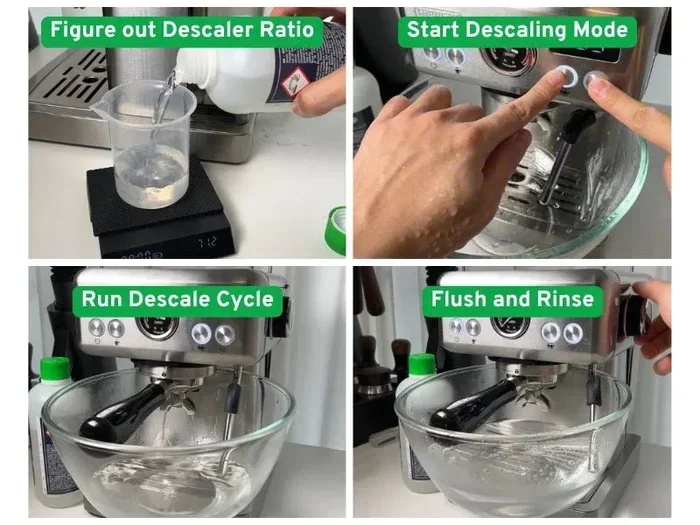
- Not cleaning regularly: Mineral buildup from hard water can affect brewing temperature and flavor. Clean your machine every month with a vinegar solution.
- Using old coffee grounds: Freshly ground coffee tastes much better. Grind your beans just before brewing for the best results.
- Overfilling the water reservoir: Always stay within the maximum fill line. Overfilling can cause the machine to leak or brew improperly.
- Ignoring the pre-infusion step: Many Bunn models benefit from a quick pre-wet of the grounds before the full brew cycle. This helps release the flavors more evenly.
Avoiding these mistakes will help you get the most out of your Bunn coffee machine for years to come. A little care goes a long way toward better-tasting coffee every morning.
How the Bunn Coffee Maker Compares to Other Brands
The coffee maker market is crowded with options. So how does the Bunn coffee maker stack up against the competition? Here is a quick comparison:
- Bunn vs. Keurig: Keurig machines use single-serve pods, which are convenient but expensive over time. Bunn machines use ground coffee, which is cheaper per cup and lets you choose your favorite beans.
- Bunn vs. Mr. Coffee: Mr. Coffee is a popular budget brand. Bunn machines generally cost more upfront but last longer and brew better-tasting coffee. The build quality is noticeably different.
- Bunn vs. Ninja: Ninja offers versatile machines with multiple brew styles. Bunn focuses on perfecting the classic drip method. Both are excellent, but Bunn wins for consistency and speed.
- Bunn vs. Cuisinart: Cuisinart offers sleek designs and smart features. Bunn focuses more on brewing performance and durability. If pure coffee quality matters most, Bunn is the better choice.
The bottom line is that the Bunn coffee maker delivers unmatched brewing performance for those who care about their morning cup. It might not have the flashiest design on the market, but it brews some of the best coffee you will ever taste at home.
Final Thoughts
The story of the Bunn coffee maker is really the story of one man who cared enough to make something better. George Bunn saw a problem, and he used his skills and knowledge to solve it. The result was a machine that changed the way millions of people start their day.
From a small factory in Springfield, Illinois, to kitchens and restaurants around the world, the Bunn-O-Matic Corporation has stayed true to George Bunn original vision. Every cup of coffee brewed by a Bunn machine carries a piece of that legacy forward. The coffee maker inventor gave us more than just a machine. He gave us a better way to enjoy one of life simplest and most beloved pleasures.
So the next time you brew a pot of coffee with your Bunn machine, take a moment to appreciate the history behind it. George Bunn spent years perfecting the design so that you could enjoy a perfect cup every morning. That is a legacy worth knowing about and celebrating.
Whether you are a casual coffee drinker or a true enthusiast, understanding where your Bunn coffee maker came from makes the morning ritual even more meaningful. The invention of the automatic drip brewer was a turning point in coffee history. And it all started with one man who believed he could build a better coffee machine. He was right.
Frequently Asked Questions
Who actually invented the Bunn coffee maker?
George R. Bunn Sr. invented the first Bunn coffee maker in 1957. He founded the Bunn-O-Matic Corporation in Springfield, Illinois, and created the first automatic drip coffee brewer. His background in fluid dispensing technology helped him design a machine that heated and distributed water evenly over coffee grounds.
What year was the Bunn coffee maker invented?
The Bunn coffee maker was invented in 1957. George Bunn started the Bunn-O-Matic Corporation that year and introduced the first automatic drip coffee brewer. The machine quickly gained popularity in both commercial and home settings because of its speed and consistency.
Why is the Bunn coffee maker different from other brands?
The Bunn coffee maker stands out because of its precision brewing technology. The machines heat water to the ideal temperature and distribute it evenly over the grounds using a specialized spray head. This results in consistently great-tasting coffee. The build quality is also commercial-grade, meaning Bunn machines last longer than many competitors.
Can you use a Bunn coffee maker at home?
Yes, absolutely. Bunn makes both commercial and home models. The home models are smaller and designed for everyday kitchen use. They deliver the same reliable brewing performance as the commercial machines but in a compact size that fits on any countertop.
How long does a Bunn coffee maker last?
A well-maintained Bunn coffee maker can last 5 to 10 years or more. The machines are built with durable materials and commercial-grade components. Regular cleaning and using quality filters will help extend the life of your Bunn machine significantly.
Did George Bunn invent anything besides coffee makers?
Yes, George Bunn and the Bunn-O-Matic Corporation worked on various liquid dispensing technologies beyond coffee. The company originally manufactured equipment for restaurants and food service operations. However, the coffee maker remains their most famous and successful product line to this day.