The Ultimate Guide On How To Make Professional Coffee
Making professional coffee at home is easier than you think. This guide covers everything from choosing the right beans to mastering brewing methods that rival your favorite café. You will learn barista techniques, coffee brewing methods, and practical tips that transform your daily cup into something extraordinary.
There is something truly special about a perfect cup of professional coffee. It warms you from the inside out. It wakes up your senses. And it turns an ordinary morning into something worth savoring. Many people think that making café-quality drinks requires expensive gear or years of training. But that is simply not true. With the right knowledge and a little practice, anyone can brew professional coffee at home.
This guide walks you through every step of the process. You will learn about the essential coffee equipment you need. You will discover how to choose the best coffee beans and grind them correctly. And you will master barista techniques that make every cup shine. Whether you prefer pour over coffee, a rich espresso shot, or a creamy latte, this guide has you covered. Let us dive in and elevate your coffee game.
Key Takeaways
- Quality beans matter most: Start with fresh, high-quality coffee beans for the best flavor.
- Grind size is critical: Matching your grind to your brewing method makes a huge difference.
- Water temperature matters: The ideal range is between 195°F and 205°F for proper coffee extraction.
- Keep your equipment clean: Regular maintenance ensures consistent coffee strength and taste.
- Practice makes perfect: Even simple techniques like milk frothing improve with repetition.
- Experiment freely: Try different coffee ratios and brewing time settings to find your perfect cup.
📑 Table of Contents
What Makes Professional Coffee Different
You might wonder what sets professional coffee apart from your everyday brew. The answer lies in the details. It is not just about the beans or the machine. It is about the entire process. From sourcing to brewing, every step matters. Professional coffee balances flavor, aroma, and texture in a way that feels intentional and refined.
Understanding Coffee Extraction
Coffee extraction is the process of pulling flavors and oils from ground beans using water. When you brew coffee, hot water dissolves soluble compounds in the grounds. This creates the liquid you drink. The key is balance. Under-extracted coffee tastes sour and thin. Over-extracted coffee turns bitter and harsh. Proper extraction brings out the sweet, complex notes that make professional coffee so enjoyable.
Several factors control extraction. Water temperature plays a big role. So does brewing time. The coffee grind size also matters a great deal. Even the coffee ratio — the amount of coffee to water — affects the final taste. When you dial in all these variables, you unlock the full potential of your beans.
Why Freshness Changes Everything
Fresh beans make a dramatic difference. Coffee starts losing its coffee aroma and flavor within weeks of roasting. For the best results, buy beans that were roasted within the past two to four weeks. Store them in an airtight container away from light and heat. Avoid keeping them in the freezer, as moisture can damage the beans. Fresh single origin beans often have more distinct coffee tasting notes than pre-ground options.
Essential Equipment for Brewing Professional Coffee
You do not need a massive setup to brew professional coffee at home. But you do need the right tools. Good coffee equipment gives you control over every variable. This control is what separates a great cup from an average one.
Choosing an Espresso Machine
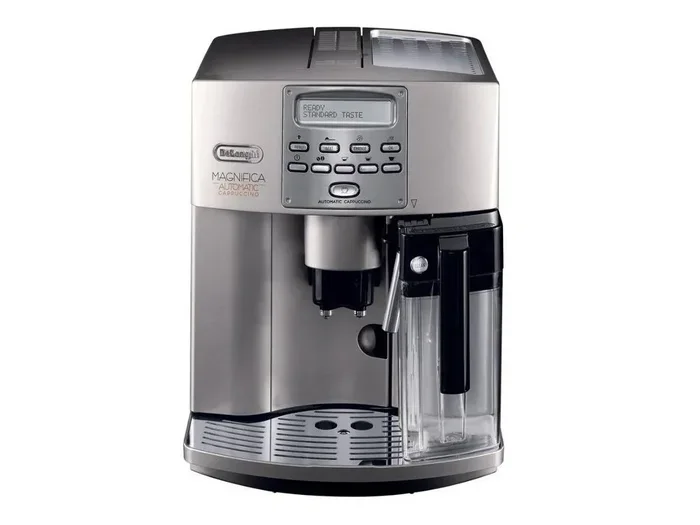
An espresso machine is the centerpiece of many professional setups. It forces hot water through finely ground coffee at high pressure. This creates a concentrated, rich shot with a layer of crema on top. You do not need to spend thousands of dollars, though. Many quality machines are available at reasonable prices. Look for one that lets you adjust pressure and temperature. These features give you more control over your coffee extraction.
Remember that your machine needs regular care. Just as you would learn how to clean your Cosori Air Fryer Toaster Oven to keep it running well, maintaining your espresso machine ensures consistent results. Descale it regularly and clean the group head after every use.
The Importance of a Good Grinder
A quality grinder is just as important as your machine. Blade grinders chop beans unevenly, which leads to inconsistent extraction. Burr grinders, on the other hand, crush beans into uniform particles. This consistency is essential for professional coffee. Look for a grinder with adjustable settings so you can fine-tune your coffee grind size for different brewing methods.
Other Must-Have Tools
A few extra tools make a big difference. A digital scale helps you measure your coffee ratio precisely. A gooseneck kettle gives you control over water flow during pouring. A thermometer ensures your water temperature stays in the ideal range. These small investments add up to a much better cup.
Choosing and Preparing the Best Coffee Beans
The foundation of great professional coffee starts with the beans. Your choice of beans shapes everything — the flavor, the aroma, the body, and the coffee strength. Taking the time to select wisely pays off in every sip.
Single Origin vs. Blends
Single origin beans come from one specific region or farm. They often showcase unique coffee tasting notes like fruity, floral, or earthy flavors. Blends combine beans from multiple origins to create a balanced, complex profile. Both options have their place. Single origins are wonderful for pour over coffee and tasting sessions. Blends often work well for espresso because they create a harmonious flavor.
If you enjoy experimenting with home roasting or toasting nuts, you might appreciate how roasting whole almonds in oven teaches you about even heat distribution. The same principle applies to coffee — consistent, controlled heat brings out the best flavors.
Getting the Right Coffee Grind Size
Your coffee grind size must match your brewing method. This is one of the most important steps in making professional coffee. Too coarse, and water passes through too quickly, resulting in weak, sour coffee. Too fine, and water struggles to pass through, creating bitter, over-extracted flavors.
Here is a quick guide to coffee grind size by method:
- Extra coarse: Cold brew
- Coarse: French press
- Medium-coarse: Chemex, pour over coffee
- Medium: Drip coffee makers
- Fine: Espresso
- Extra fine: Turkish coffee
Invest in a grinder that allows you to adjust these settings easily. The ability to fine-tune your grind is what separates home brewers from true coffee enthusiasts.
The Right Coffee Ratio
The coffee ratio determines how strong your brew will be. A standard starting point is two tablespoons of coffee per six ounces of water. However, this can vary based on your preference and method. For espresso, the ratio is much more concentrated — typically one part coffee to two parts water. For French press and pour over coffee, a ratio of one to fifteen or one to seventeen (coffee to water) works well.
Using a digital scale takes the guesswork out of this process. Measure your beans and water by weight for consistent results every time.
Mastering the Brewing Process
Once you have your beans, grind, and equipment ready, it is time to brew. Different coffee brewing methods bring out different characteristics in your beans. Understanding each method helps you choose the right one for your mood and taste preferences.
Pour Over Coffee Technique
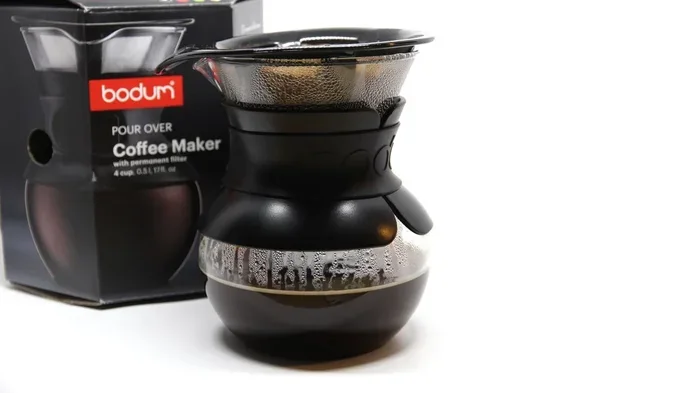
Pour over coffee is one of the most popular methods for making professional coffee at home. It gives you complete control over water temperature, brewing time, and flow rate. The result is a clean, bright cup that highlights the unique flavors of your beans.
To brew great pour over coffee, follow these steps:
- Place a coffee filter in your dripper and rinse it with hot water. This removes any papery taste and preheats the brewer.
- Add your ground coffee to the filter. Use a medium-coarse coffee grind size for best results.
- Start with a small amount of water and pour it over the grounds. Let them bloom for 30 to 45 seconds. This releases CO2 and prepares the grounds for full extraction.
- Pour the remaining water slowly in circles. Aim for a total brewing time of three to four minutes.
- Serve immediately and enjoy the clean, complex flavors.
French Press Method
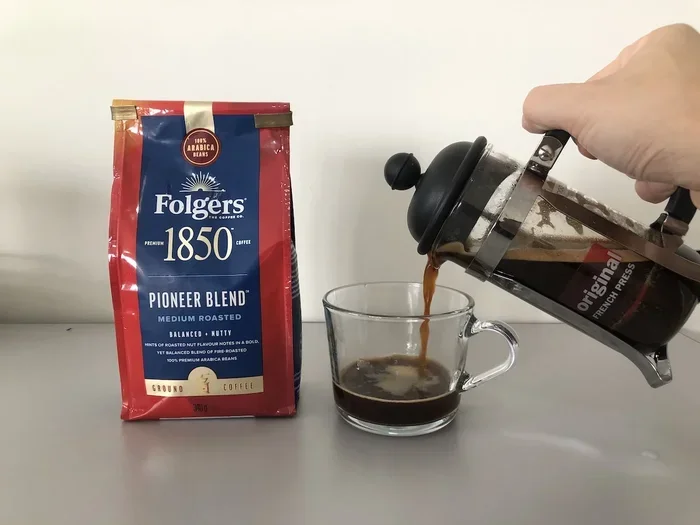
The French press is a simple yet effective way to brew rich, full-bodied coffee. It uses immersion brewing, which means the grounds steep in water for the entire brewing time. This method preserves more of the oils and sediments, giving you a heavier mouthfeel and deeper flavor.
Use a coarse coffee grind size and a coffee ratio of one to fifteen. Add hot water at around 200°F, stir gently, and let it steep for four minutes. Press the plunger down slowly and pour immediately. The French press is forgiving and hard to mess up, making it a great starting point for beginners.
Espresso Extraction
Espresso is the foundation of many café drinks. It uses high pressure to extract a concentrated shot of coffee in about 25 to 30 seconds. A well-extracted espresso shot has a rich crema, balanced sweetness, and no bitterness. Achieving this at home takes practice, but the results are worth it.
Use a fine coffee grind size and tamp the grounds evenly. The coffee ratio for a single shot is typically seven to nine grams of coffee yielding about one ounce of espresso. Watch your brewing time closely — if it runs too fast, your grind is too coarse. If it drips slowly, it is too fine.
Brewing Method Comparison
Each coffee brewing method has its own strengths. Here is a quick comparison to help you choose:
| Method | Brewing Time | Grind Size | Body | Flavor Clarity |
|---|---|---|---|---|
| Pour Over | 3-4 minutes | Medium-Coarse | Light to Medium | Bright and Clean |
| French Press | 4 minutes | Coarse | Full and Heavy | Rich and Bold |
| Espresso | 25-30 seconds | Fine | Thick and Creamy | Intense and Concentrated |
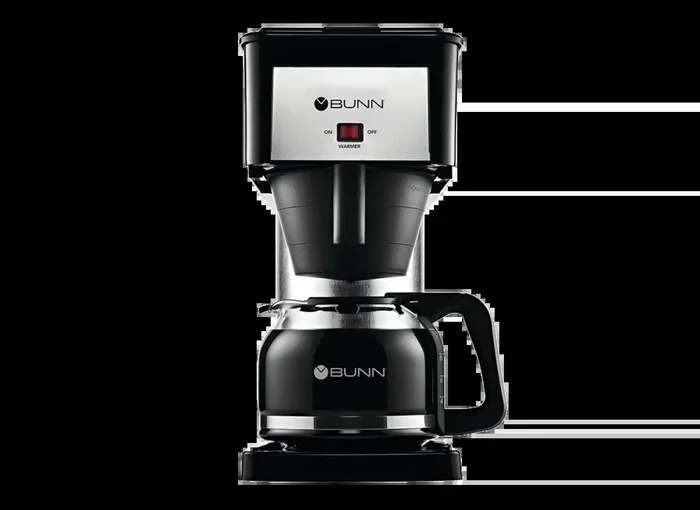
| Drip Machine | 5-7 minutes | Medium | Medium | Balanced and Smooth |
This table shows that no single method is best. It depends on what you value most in your cup. If you love clarity and brightness, try pour over coffee. If you prefer boldness and body, go for the French press. If you want intensity and versatility, invest in an espresso machine.
Milk Steaming and Finishing Techniques
For drinks like lattes, cappuccinos, and flat whites, milk frothing is an essential skill. Mastering this technique is what transforms a simple coffee into a professional coffee drink that looks and tastes like a café creation.
The Art of Milk Frothing
Good frothed milk is silky, glossy, and velvety. It should have tiny, uniform bubbles — not large, airy foam. The key is controlling the steam wand and the temperature.
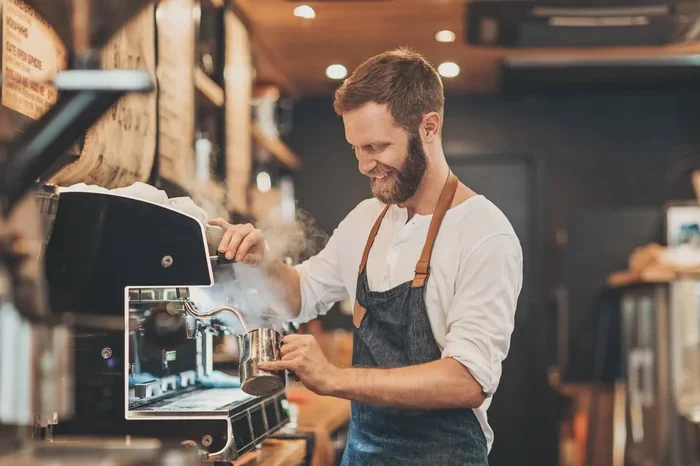
Start with cold milk. Position the steam wand just below the surface of the milk. Turn on the steam and let a small amount of air into the milk for the first few seconds. This creates microfoam. Then submerge the wand deeper and tilt the pitcher. This heats the milk evenly and creates that smooth, creamy texture. The ideal temperature is between 150°F and 155°F. Anything hotter will scald the milk and ruin the flavor.
Latte Art Basics
Latte art is the cherry on top of any professional coffee drink. It does not just look impressive — it also shows that your milk texture is spot on. Start with simple designs like a heart or a rosetta. Pour your frothed milk into the espresso shot from a low height. Then raise the pitcher and move it side to side to create patterns.
Do not worry if your first attempts are imperfect. Latte art takes practice. Even experienced baristas spent weeks perfecting their technique. The more you practice, the better your coffee aroma presentation will become.
Common Mistakes to Avoid
Even the best coffee enthusiasts make mistakes. The good news is that most of them are easy to fix once you know what to look for.
Using the Wrong Water Temperature
Water temperature is one of the most overlooked factors in brewing. Water that is too hot will over-extract your coffee, creating bitter flavors. Water that is too cool will under-extract, leaving your coffee sour and weak. The sweet spot for most coffee brewing methods is between 195°F and 205°F. If you do not have a thermometer, let your kettle cool for about 30 seconds after boiling before pouring.
Ignoring Your Coffee Ratio
Eyalling your coffee ratio almost always leads to inconsistency. One day your coffee might taste too strong. The next day, too weak. Using a scale to measure both your coffee grounds and your water eliminates this problem. A consistent coffee ratio is the foundation of reliable, repeatable results.
Skipping the Cleaning Routine
Dirty equipment ruins even the best beans. Old coffee oils build up and turn rancid over time. This creates off-flavors that mask the natural coffee tasting notes of your beans. Clean your grinder, coffee filter, and brewing device after every use. Deep clean your machine weekly. Think of it like learning how to properly maintain any kitchen tool — the effort is small compared to the payoff.
Using Stale or Low-Quality Beans
The cheapest beans will never produce professional coffee. Look for beans that are freshly roasted and sourced from reputable roasters. Check the roast date on the bag. Avoid beans that have been sitting on a shelf for months. Quality coffee beans are the single biggest factor in the taste of your final cup.
Rushing the Process
Making professional coffee requires patience. Rushing through the grind, the bloom, or the pour leads to missed opportunities for great flavor. Take your time. Enjoy the process. The ritual of making coffee is part of what makes it so rewarding.
Quick Tips for Better Coffee
- Always use filtered water. Tap water contains minerals and chlorine that can affect the taste of your brew.
- Preheat your mug. A cold mug absorbs heat from your coffee, causing it to cool faster and lose flavor.
- Experiment with ratios. Small adjustments to your coffee ratio can dramatically change the taste.
- Keep a coffee journal. Write down what you changed each time so you can replicate your favorite brews.
- Store beans properly. Keep them in an airtight container at room temperature, away from sunlight.
Remember that making professional coffee is a journey, not a destination. Every brew teaches you something new. The more you practice, the more your coffee strength and flavor will improve.
Conclusion
Making professional coffee at home is within your reach. It starts with quality coffee beans and the right coffee equipment. It continues with proper grinding, precise water temperature, and the right coffee ratio. And it grows with practice and patience. Every coffee brewing method offers something unique. Whether you love the clean simplicity of pour over coffee, the bold richness of espresso, or the creamy comfort of a frothed latte, there is a technique for you.
And if you ever need to reheat your coffee, remember that using the oven to reheat food works differently than microwaving — gentle, even warmth preserves flavor better than harsh, uneven heating. Apply the same patience to your coffee, and you will notice the difference.
Start with one method. Master it. Then explore others. Before long, you will be brewing cups that rival any café. The world of professional coffee is open to you. All you need is curiosity, quality beans, and a willingness to learn.
Frequently Asked Questions
What is the best coffee grind size for beginners?
Start with a medium grind size. It works well for drip coffee makers, pour over coffee, and most general brewing methods. Medium grind is forgiving and produces balanced results. As you gain confidence, you can experiment with finer or coarser settings.
How do I know if my coffee is over-extracted or under-extracted?
Over-extracted coffee tastes bitter and harsh, while under-extracted coffee tastes sour and thin. Adjust your coffee grind size to fix this. If your coffee is too bitter, try a coarser grind. If it is too sour, go finer. Brewing time and water temperature also play a role.
Can I make professional coffee without an espresso machine?
Absolutely. Many coffee brewing methods do not require an espresso machine. Pour over coffee, French press, and drip brewing all produce excellent results. An espresso machine adds versatility, but it is not necessary for making great professional coffee at home.
How long should I brew my coffee for the best results?
It depends on the method. Pour over coffee takes about three to four minutes. French press requires four minutes of steeping. Espresso extracts in 25 to 30 seconds. Drip coffee makers typically take five to seven minutes. Following the recommended brewing time for each method ensures proper coffee extraction.
What is the ideal water temperature for brewing coffee?
The ideal water temperature for most coffee brewing methods is between 195°F and 205°F. Water that is too hot over-extracts the grounds, creating bitterness. Water that is too cool under-extracts, resulting in a weak, sour cup. Use a thermometer or let boiling water cool for 30 seconds before pouring.
How often should I clean my coffee equipment?
Clean your coffee equipment after every use. Rinse your coffee filter, wipe down your grinder, and empty your portafilter. Perform a deeper clean weekly, including descaling your machine. Just like learning how to properly maintain kitchen tools such as learning how to clean your Cosori Air Fryer Toaster Oven, regular care keeps your coffee gear performing at its best.