What To Do If Plastic Melts In Your Oven Right Now
If plastic melts in your oven, don’t panic. This guide shows you exactly what to do right now to clean it safely, remove the mess, and prevent damage. You’ll learn simple steps, expert tips, and common mistakes to avoid.
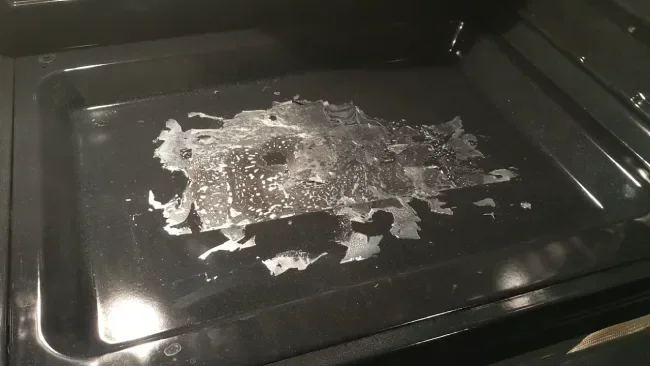
It happens to the best of us. You’re reheating leftovers or baking a casserole, and suddenly a plastic melts in oven situation unfolds. A forgotten container, a warped lid, or a piece of plastic wrap that slipped into the heat. The smell hits you—a sharp, chemical odor that sets off your smoke alarm and sends your heart racing. But before you start panicking, take a breath. This guide will walk you through exactly what to do if plastic melts in your oven, step by step, so you can reclaim your kitchen safely and quickly.
Dealing with melted plastic isn’t just about aesthetics. It’s a safety concern. Depending on the type of plastic, it can release toxic fumes, especially if it’s a food storage container or a plastic wrap that contains PVC. The residue can also be stubborn, clinging to oven racks and the oven floor. The good news? Most melted plastic can be removed with household items and a little patience. Whether you have a gas oven, an electric oven, or a self-cleaning model, these tips will help you handle the mess without damaging your appliance.
Key Takeaways
- Turn off the oven and let it cool completely before touching any melted plastic to avoid burns.
- Use the ice pack method to harden melted plastic for easy scraping without harsh chemicals.
- Never use metal scrapers on non-stick surfaces—opt for a plastic scraper or wooden spoon instead.
- Baking soda and vinegar are your best friends for dissolving residue and eliminating odors.
- Prevent future meltdowns by using only oven-safe containers and setting timers.
- Ventilate your kitchen immediately if you notice fumes, and open windows to clear the air.
- Call a professional if the plastic is deeply stuck or if you smell persistent chemical odors.
📑 Table of Contents
- What Happens When Plastic Melts In Your Oven
- Step-By-Step: How To Remove Melted Plastic From Your Oven
- Common Mistakes That Make Plastic Melts In Oven Worse
- How To Prevent Plastic From Melting In The Oven
- When To Call A Professional For Melted Plastic Cleanup
- Expert Insights And Quick Tips For A Plastic-Free Oven
What Happens When Plastic Melts In Your Oven
When plastic melts in oven heat, it doesn’t just soften—it can bubble, warp, and release fumes. Different plastics behave differently. A polyethylene container might stay relatively stable, while a PVC lid can off-gas harmful chemicals. Understanding what’s happening helps you choose the right cleanup method and stay safe.
The Dangers of Melted Plastic Fumes
Burning plastic can produce acrid smoke that irritates your lungs, eyes, and throat. In a small kitchen, those fumes can accumulate fast. If you smell a strong chemical odor, open a window and turn on the range hood immediately. Never ignore a smoke alarm going off after a plastic mishap. The residue left behind can also contaminate future meals if not properly cleaned.
Why Does Plastic Melt So Easily?
Most food storage plastics have a low melting point—often between 100°C and 170°C (212°F–338°F). Your oven can easily reach 200°C (400°F) for baking. A plastic container left on a baking sheet, or a piece of wrap that touches the heating element, will soften in seconds. Even “oven-safe” labels can be misleading if the item is only rated for the top of the oven, not direct heat.
Step-By-Step: How To Remove Melted Plastic From Your Oven
Cleaning melted plastic doesn’t require harsh chemicals or expensive products. The right technique depends on whether the plastic is still warm or fully hardened. Follow these steps to get your oven sparkling again.
Step 1: Turn Off the Oven and Let It Cool
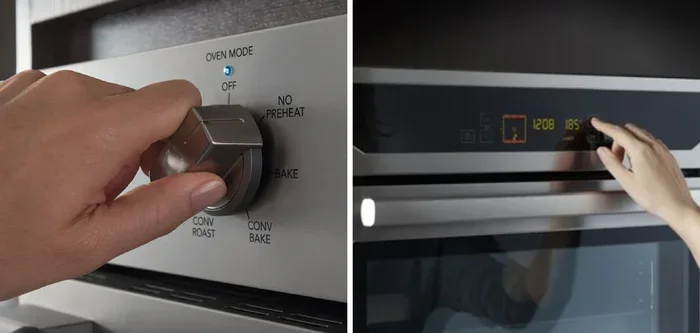
Switch off the oven and unplug it if possible. Wait until the interior is completely cool to the touch. This prevents burns and stops the plastic from smearing further. Trying to scrape warm plastic is messy and dangerous.
Step 2: Harden the Plastic With Ice
Place a few ice cubes in a zip-lock bag and press it against the melted plastic for 10–15 minutes. The cold will make the plastic brittle, so it cracks off in chunks instead of stretching. This is the safest method for plastic melts in oven cleanup on any surface.
Step 3: Scrape Off the Hardened Plastic
Use a plastic scraper, a wooden spoon, or a silicone spatula to gently lift the brittle pieces. Work slowly to avoid scratching the oven floor. For glass or ceramic surfaces, a plastic scraper works perfectly. Avoid metal spatulas unless you have a stainless steel oven with no non-stick coating.
Step 4: Apply a Cleaning Paste
Mix baking soda with a few drops of water to form a thick paste. Spread it over the remaining residue. Let it sit for 15–20 minutes. The mild abrasive will lift stuck-on bits without damaging the oven’s finish. For tougher spots, add a splash of white vinegar to the paste—it will fizz and help break down the plastic film.
Step 5: Wipe and Rinse
Use a damp cloth to wipe away the paste and dissolved plastic. Repeat if necessary. Finish by wiping the interior with a solution of equal parts water and vinegar to neutralize any lingering odor. Dry the surfaces with a clean towel before using the oven again.
Quick Tip: The “Boiling Water” Method for Oven Racks
If the melted plastic is on a removable oven rack, take it out and place it in a sink or bathtub. Pour boiling water over the plastic to soften it. Then use a wooden spoon to push the softened plastic off. This works wonders and saves you from scrubbing inside the oven.
Common Mistakes That Make Plastic Melts In Oven Worse
When you’re in a rush, it’s easy to make choices that turn a simple cleanup into a bigger problem. Avoid these common errors to keep your oven safe and odor-free.
Using a Metal Scraper on Non-Stick Surfaces
Metal blades can scratch and ruin the non-stick coating inside your oven. Once the coating is damaged, food sticks more easily and the oven becomes harder to clean over time. Always reach for a plastic or silicone scraper first.
Turning Up the Heat to “Burn Off” the Plastic
This is tempting but dangerous. Heating plastic to high temperatures releases toxic fumes, including dioxins and hydrochloric acid, depending on the type. It can also set off your smoke alarm and leave a stubborn residue that’s harder to remove. Never try to burn plastic out of your oven.
Ignoring the Chemical Smell
A lingering plastic smell means fumes have settled into the oven’s porous surfaces or the ventilation system. If you only wipe the visible residue, the odor will return when you next heat the oven. Always clean with an odor-neutralizing solution like baking soda or vinegar.
Using Abrasive Cleaners on Delicate Finishes
Heavy-duty oven cleaners can damage the enamel or the heating elements if used too aggressively. Stick to gentle, food-safe cleaners for the interior. Save the commercial oven cleaner for the oven door glass or exterior metal only, and follow the product instructions carefully.
How To Prevent Plastic From Melting In The Oven
Prevention is the best cure. A few simple habits will keep your oven free from melted plastic disasters.
Use Only Oven-Safe Containers
Always check the bottom of your containers for the “oven-safe” symbol. Glass, ceramic, and stainless steel are safe up to high temperatures. Plastic containers, even those labeled “microwave-safe,” are not designed for oven heat. Transfer food to a proper baking dish before it goes in the oven.
Keep Plastic Away from the Heating Elements
Place baking sheets or oven liners on the lower rack to catch drips and stray wrappers. A piece of aluminum foil on the bottom of the oven can catch falling crumbs and plastic bits, but never let foil touch the heating elements directly. Use a heat-resistant mat under your baking trays for extra protection.
Set Timers and Double-Check Before Closing the Door
Before you close the oven door, do a quick visual check. Make sure no plastic wrap, container lids, or bags are left inside. Set a timer so you don’t forget about what’s cooking. A 2-second pause can save you from a plastic melts in oven emergency.
Store Plastic Wraps and Bags Safely
Keep plastic wrap, bags, and containers far from the oven counter. During busy cooking sessions, it’s easy to grab the wrong item. Designate a specific drawer or shelf for plastic storage items, well away from the heat source.
Comparison Table: Oven-Safe vs. Plastic Containers
| Feature | Oven-Safe Glass | Oven-Safe Ceramic | Plastic Container |
|---|---|---|---|
| Max Temperature | 450°F (230°C) | 400–500°F (200–260°C) | Usually below 220°F (105°C) |
| Heat Resistance | Excellent | Very Good | Poor |
| Risk of Melting | None | None | High if overheated |
| Easy to Clean | Yes | Yes | Not if melted |
| Safe for Food Contact After Heating | Yes | Yes | No if melted |
When To Call A Professional For Melted Plastic Cleanup
Most melted plastic situations are DIY-friendly, but some require expert help. Knowing when to call a professional saves you time and protects your oven.
Deeply Stuck Plastic on Heating Elements
If melted plastic wraps around a heating element or is fused into the oven’s insulation, do not try to pull it off. This can damage the element or cause an electrical hazard. A technician can safely remove it without compromising the oven’s function.
Persistent Chemical Odors After Cleaning
If you’ve cleaned thoroughly but still smell a strong chemical odor after several uses, the fumes may have penetrated the oven’s insulation or fan system. A professional cleaning service can inspect and deep-clean the internal components safely.
Damage to the Oven’s Interior Coating
Scratches or peeling coating from a plastic scraper or harsh cleaner can expose the oven’s metal to rust and heat damage. If you notice flaking or discoloration, stop using the oven and have it evaluated. A damaged interior can affect cooking performance and safety.
Smoke or Fire Damage
If the plastic melted caused smoke or a small fire, even if it was quickly extinguished, have the oven inspected. Residual soot or damage to electrical parts can be a hidden hazard. Professional assessment ensures your oven is safe to use again.
Expert Insights And Quick Tips For A Plastic-Free Oven
Experienced home cooks and appliance technicians share a few extra tricks that make oven maintenance a breeze.
Pro Cleaning Hack: The “Steam Soak” Method
After scraping off the bulk of the melted plastic, boil a small pot of water inside the oven (on a safe dish) for 10 minutes. The steam loosens any remaining sticky residue, making it easy to wipe away. This works great for plastic melts in oven situations on the oven walls and door.
Use a Magic Eraser for Stubborn Spots
A melamine sponge (magic eraser) dampened with water can lift tiny plastic flecks from the oven’s interior without scratching. Rub gently in circular motions. This is a favorite trick among appliance repair pros for finishing touches.
Ventilation Is Key During and After Cleanup
Even after the plastic is gone, open your kitchen windows and run the range hood for at least 30 minutes. Fresh air clears any residual fumes and prevents the smell from settling into fabrics or cabinets. If you have a whole-house fan, use it to circulate air quickly.
Keep a Dedicated “Oven-Safe” Container Set
Invest in a set of glass or ceramic containers that you reserve exclusively for oven use. Label them clearly so everyone in the household knows they are not for plastic. This simple habit eliminates the risk of a container being accidentally left in the oven.
Key Takeaways
- Act fast but stay calm when you discover plastic melts in oven. Cooling and hardening the plastic makes removal safe and easy.
- Never use metal scrapers or high heat to deal with the mess—these methods cause more harm than good.
- Baking soda, vinegar, and boiling water are your most effective, affordable cleanup allies.
- Prevention through oven-safe habits saves you from the stress and odor of a plastic meltdown.
- Know when to call a professional if the plastic is deeply embedded or if you notice persistent damage or odors.
Dealing with melted plastic in your oven is stressful, but it’s a fixable problem. With the right approach, you can remove the mess, eliminate odors, and restore your oven to working order. The key is to act quickly, use gentle methods, and always prioritize safety. Keep these steps handy, and you’ll be ready the next time a plastic container meets the heat. Your oven will thank you, and your kitchen will smell fresh again in no time.
FAQ: What To Do If Plastic Melts In Oven
Is it safe to use the oven after plastic melts inside?
Yes, once you’ve thoroughly cleaned the residue and the odor is gone. Wipe the interior with a vinegar-water solution and run a short empty bake cycle at 200°F (95°C) to ensure any lingering fumes are burned off. If you still smell plastic, repeat the cleaning or call a professional.
What kind of plastic is most dangerous when it melts in the oven?
PVC (polyvinyl chloride) and polystyrene are the most concerning. They release toxic fumes like hydrogen chloride and styrene when burned. Polyethylene and polypropylene are less hazardous but still produce unpleasant smoke. Always ventilate your kitchen immediately and avoid inhaling the fumes.
Can you use a razor blade to scrape melted plastic from an oven?
Only on a stainless steel oven surface with no non-stick coating. Even then, use extreme caution and a plastic guard to avoid scratching. For most modern ovens with porcelain or enamel interiors, a plastic scraper is the safer choice.
How do you get the plastic smell out of the oven?
Boil a mixture of water and lemon slices or a cup of vinegar inside the oven for 30 minutes. The steam absorbs odors. You can also leave a bowl of baking soda in the oven overnight to neutralize smells. Ventilate the kitchen well during and after the process.
Will melted plastic damage the oven’s heating element?
It can, if the plastic is left on the element and reheated repeatedly. The residue can insulate the element, causing it to overheat or burn out. Always remove melted plastic promptly and avoid letting it come into direct contact with the heating coils or elements.
What’s the best oven liner to prevent plastic accidents?
Look for a silicone oven liner rated for high temperatures (up to 480°F/250°C). Place it on the bottom rack, away from the heating elements. It catches crumbs and spills, but never let plastic wrap or bags touch the liner during cooking. A liner is a great preventive tool, not a substitute for careful food storage.