How To Make The Perfect Filter Coffee Without A Machine
Making the perfect filter coffee without a machine is easier than you think. With just a few household items, good coffee grounds, and hot water, you can brew a clean, rich cup of coffee that rivals any coffee shop. This guide walks you through every step, from choosing beans to mastering the pour-over technique for consistently great coffee.
There is something deeply satisfying about brewing a perfect cup of filter coffee without relying on a fancy machine. Maybe your drip coffee maker broke, or you are traveling, or you simply want a more hands-on approach. Whatever the reason, making filter coffee without a machine is a skill anyone can learn.
Filter coffee is one of the most popular brewing methods worldwide. It produces a clean, bright cup that lets the true flavor of the beans shine through. And the best part? You do not need expensive equipment to do it. A simple dripper, a cloth filter, or even a clean kitchen strainer works perfectly. In this guide, we will show you exactly how to make the perfect filter coffee at home, step by step.
Whether you are a complete beginner or someone who already brews coffee but wants to improve, this article has you covered. We will go over the equipment you need, the best beans to use, the ideal water temperature, and common mistakes to avoid. By the end, you will be brewing restaurant-quality filter coffee right in your own kitchen.
Key Takeaways
- No machine needed: You can brew excellent filter coffee using basic kitchen tools like a dripper, cloth, or even a simple strainer.
- Grind size matters: A medium-coarse grind is the secret to avoiding bitter or over-extracted coffee.
- The right ratio is crucial: A 1:15 to 1:17 coffee-to-water ratio delivers balanced, smooth flavor every time.
- Water temperature makes a difference: Aim for 195°F to 205°F for the best extraction.
- Avoid common mistakes: Rushing the brew, using boiling water, and wrong grind size are the top pitfalls to avoid.
- Clean your gear: Regular cleaning ensures your coffee tastes fresh and free from stale residues.
- Experiment freely: Try different beans, ratios, and techniques to find your personal perfect cup.
📑 Table of Contents
What Is Filter Coffee And Why Make It Without A Machine?
Filter coffee is a brewing method where hot water passes through ground coffee beans and a filter. The filter catches the grounds and lets the liquid coffee drip through. This process creates a clean, smooth cup with less oil and sediment compared to methods like French press or espresso.
Making filter coffee without a machine means using manual methods instead of electric drip machines or pod systems. People choose this approach for many reasons. Some want more control over the brewing process. Others prefer a simpler setup that is easy to clean. And many just enjoy the ritual of hand-brewing coffee in the morning.
The Simple Beauty Of Manual Brewing
Manual brewing connects you to your coffee in a way that machines cannot. You control every variable: the grind size, the water temperature, the pouring speed, and the brew time. This hands-on approach allows you to fine-tune each cup to your exact taste. It is also incredibly affordable. You do not need to buy an expensive coffee maker to enjoy great coffee.
If you already make bread without an oven at home, you will find that manual coffee brewing fits right into a self-sufficient kitchen lifestyle. Both methods rely on simple tools and a bit of patience. The result is something homemade and genuinely satisfying.
Benefits Of Making Filter Coffee Without A Machine
- Cost savings: You save money by not buying expensive machines or pods.
- Better flavor control: You adjust every variable to suit your personal taste.
- Portable and simple: You can brew coffee anywhere with minimal equipment.
- Easy cleanup: Most manual setups have few parts to wash.
- Slower, more mindful mornings: The process itself becomes a calming ritual.
What You Need To Make Perfect Filter Coffee
Before you start brewing, gather your tools. The good news is that you probably already have most of what you need in your kitchen. Here is a breakdown of the essentials.
Essential Equipment
You do not need much to brew great filter coffee by hand. Here is a list of what works:
- A dripper: A pour-over dripper made of ceramic, plastic, or glass sits on top of your cup or carafe. Popular options include Hario V60, Melitta, and Chemex-style setups.
- A filter: Paper filters are the most common and produce the cleanest cup. Cloth filters are reusable and eco-friendly. Metal mesh filters let more oils through.
- A kettle: A simple kettle for boiling water works. A gooseneck kettle gives you more control over pouring, but it is not required.
- A grinder: A burr grinder gives you consistent grounds. A hand grinder works just as well and is very portable.
- A scale: A kitchen scale helps you measure coffee and water accurately for consistent results.
- A cup or carafe: Any heat-safe container will work to catch the brewed coffee.
If you do not have a dripper, you can improvise. Place a paper filter inside a fine mesh strainer set over your cup. It is not fancy, but it gets the job done beautifully.
Choosing Your Coffee Beans
The beans you choose have a huge impact on the final taste. For filter coffee, medium roast beans work best. They offer a balanced flavor with notes of chocolate, nuts, and fruit depending on the origin. Light roasts highlight acidity and floral notes, while dark roasts bring out bold, smoky flavors.
Always buy whole beans and grind them just before brewing. Pre-ground coffee loses its flavor quickly. Fresh beans make a noticeable difference in taste and aroma. Look for beans that are roasted within the past two to four weeks for the best results.
The Right Water
Water makes up more than 98 percent of your cup of coffee. So the quality of your water matters a lot. Use filtered or spring water if possible. Avoid distilled water because it tastes flat and does not extract flavor well. Also, make sure your water is fresh and not previously boiled, as reboiled water lacks oxygen and can make your coffee taste dull.
Step-By-Step Guide To Brewing Filter Coffee
Now that you have your tools and ingredients ready, let us get into the brewing process. Follow these steps carefully, and you will be rewarded with a clean, flavorful cup of coffee every single time.
Step 1: Measure Your Coffee
Start by measuring your coffee grounds. The standard ratio for filter coffee is 1 gram of coffee to 15 to 17 grams of water. For one cup (about 8 ounces), use roughly 15 grams of coffee. For a full carafe, scale up accordingly. A kitchen scale is the most accurate tool for this, but tablespoons work in a pinch. Two level tablespoons of coffee per 6 ounces of water is a good starting point.
Step 2: Grind Your Beans
Grind your beans to a medium-coarse consistency. Think of the texture of coarse sand or sea salt. If the grind is too fine, your coffee will be bitter and over-extracted. If it is too coarse, the coffee will taste weak and sour. A burr grinder gives you the most consistent grind, but even a hand grinder works well.
Grind the beans right before you brew. This preserves the fresh flavor and aromatic oils that make great coffee so enjoyable.
Step 3: Prepare Your Filter
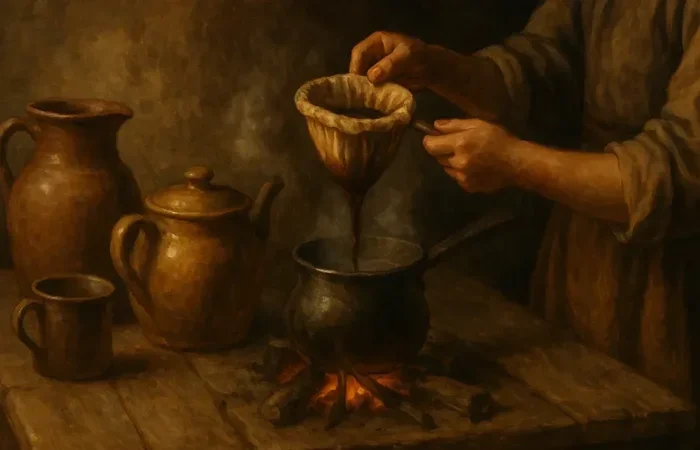
If you are using a paper filter, place it in your dripper and rinse it with hot water. This removes any papery taste and preheats your brewing equipment. Discard the rinse water before adding your coffee grounds. If you are using a cloth filter, make sure it is clean and free of any old coffee residue.
Step 4: Heat Your Water
Heat your water to between 195°F and 205°F (90°C to 96°C). If you do not have a thermometer, simply bring the water to a boil and then let it sit for 30 to 45 seconds. Boiling water (212°F) is too hot and can scorch the coffee, leading to bitter flavors. Water that is too cool will under-extract the grounds and produce a weak, sour cup.
If you do not have a kettle, you can heat water in a pot on the stove. And if you are in a pinch, you can even warm water in your oven to reheat water in a safe heat-safe container. Just be careful and use oven mitts.
Step 5: Add Coffee And Start Brewing
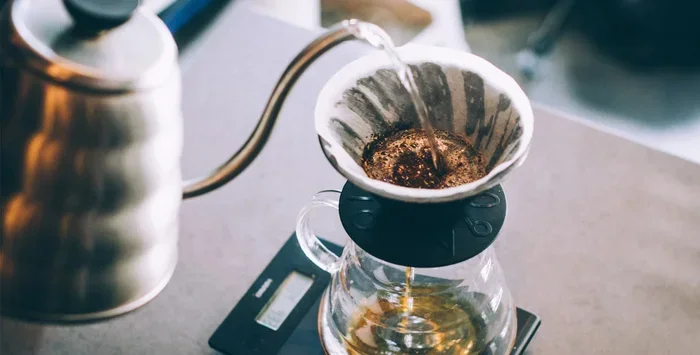
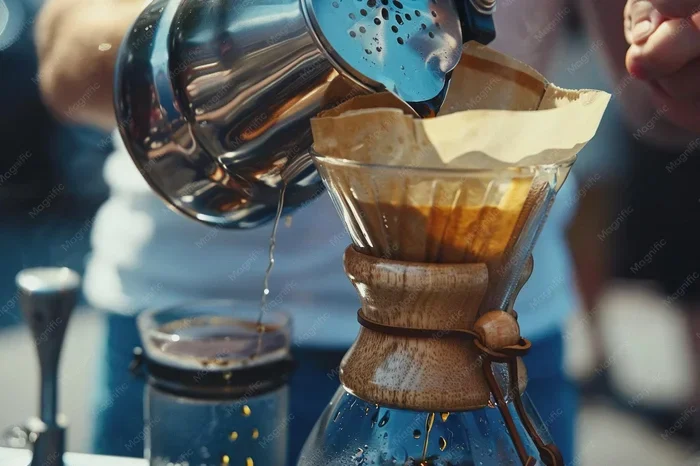
Place your dripper on top of your cup or carafe. Add the ground coffee to the filter. Start your timer. Pour a small amount of water (about twice the weight of the coffee) over the grounds in a slow, circular motion. This is called the “bloom” phase. Let it sit for 30 to 45 seconds. You will see the grounds bubble and expand as they release carbon dioxide.
After the bloom, continue pouring the remaining water slowly and steadily. Pour in small circles, starting from the center and moving outward. Avoid pouring directly onto the filter. Try to finish pouring within 3 to 4 minutes total.
Step 6: Let It Drain And Serve
Once all the water has been poured, wait for it to fully drain through the filter. This should take about 1 to 2 minutes. The total brew time from start to finish should be around 4 to 5 minutes. Remove the dripper, discard the grounds, and enjoy your freshly brewed filter coffee.
If you are pairing your coffee with a morning meal, consider baking some garlic bread with garlic powder in the oven for a savory breakfast treat. Or if you prefer eggs, you can bake eggs in the oven alongside your coffee for a complete and effortless breakfast.
Tips For The Best Tasting Filter Coffee
Getting great coffee every time comes down to a few key details. Here are some expert tips that will elevate your brew from good to outstanding.
Getting The Coffee-To-Water Ratio Right
The coffee-to-water ratio is the single most important factor in brewing great coffee. Too much coffee and your drink will be overpowering and bitter. Too little and it will be thin and weak. Start with a 1:15 ratio (1 gram of coffee to 15 grams of water) and adjust from there. If your coffee tastes too strong, add a little more water next time. If it tastes too weak, add more grounds. Keeping a simple log of what you tried and what you liked helps you dial in your perfect ratio over time.
Water Temperature Matters
Temperature affects how quickly and thoroughly the water extracts flavors from the coffee grounds. Water that is too hot extracts bitter compounds. Water that is too cool fails to extract enough flavor. The sweet spot is between 195°F and 205°F. Investing in a cheap thermometer pays off quickly if you take your coffee seriously.
Clean Your Setup Every Time
Old coffee oils and residues build up in your dripper, filter, and carafe. These leftovers go rancid and taint the flavor of your next brew. Rinse all your equipment with warm water after every use. Wash cloth filters with mild soap and let them dry completely between uses. For paper filters, simply discard after each brew. Clean gear means clean, fresh-tasting coffee every time.
Store Your Beans Properly
Keep your coffee beans in an airtight container away from light, heat, and moisture. Do not store them in the freezer, as the moisture and odors can damage the beans. A cool, dark pantry is the best spot. Buy only as much coffee as you will use within two to three weeks for the freshest possible flavor.
Practice Your Pouring Technique
The way you pour water over the grounds affects the extraction. A slow, steady pour in circular motions ensures even saturation. Pouring too fast can channel the water through one spot, leading to uneven extraction. Pouring too aggressively can disturb the grounds and make your coffee cloudy. Take your time with the pour. It is part of the enjoyment of manual brewing.
Common Mistakes That Ruin Filter Coffee
Even experienced coffee lovers make mistakes sometimes. Here are the most common errors and how to avoid them.
Using The Wrong Grind Size
This is the number one mistake people make. A grind that is too fine will clog the filter and cause over-extraction, resulting in bitter, harsh coffee. A grind that is too coarse will let water pass through too quickly, producing weak, sour coffee. Always aim for a medium-coarse grind. If your coffee tastes bitter, try a coarser grind next time. If it tastes sour or thin, try a slightly finer grind.
Rushing The Process
Good coffee takes time. Rushing through the bloom, pouring too fast, or not waiting for the full drain all lead to subpar results. The bloom alone needs 30 to 45 seconds. The total brew should take 4 to 5 minutes. Treat the process with patience and you will be rewarded with a much better cup.
Ignoring Water Quality
As mentioned earlier, water is the main ingredient. Using tap water with heavy chlorine taste or hard water with high mineral content will negatively affect the flavor. Filtered or spring water produces the cleanest, most balanced cup.
Using Stale Coffee Grounds
Coffee starts losing its freshness within 15 to 30 minutes of grinding. Pre-ground coffee from a store can be weeks or even months old by the time you buy it. Always grind your beans just before brewing for the best flavor.
Skipping The Bloom
The bloom phase is not optional. It allows carbon dioxide trapped in the fresh grounds to escape, which enables even extraction. Skipping the bloom often results in uneven flavor and a less satisfying cup.
Filter Coffee Variations To Explore
Once you have mastered the basic method, you can start experimenting with different styles. Here are two fun variations to try.
Cold Brew Filter Coffee
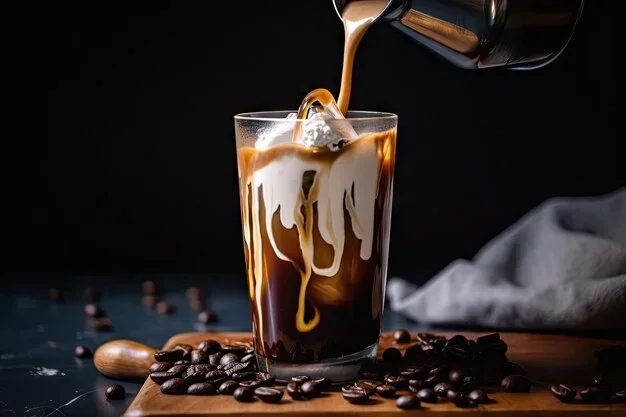
Cold brew filter coffee is smooth, sweet, and naturally low in acidity. To make it, use a coarse grind and cold filtered water. Mix 1 part coffee to 8 parts water in a jar or pitcher. Stir well, cover, and let it sit in the refrigerator for 12 to 24 hours. Strain the mixture through a cloth or paper filter into a clean container. Dilute with water or milk to taste. Cold brew keeps in the fridge for up to a week, making it perfect for batch preparation.
Spiced Filter Coffee
Add warmth and complexity to your filter coffee by incorporating spices directly into the grounds. Cinnamon, cardamom, nutmeg, and a pinch of cloves are all excellent choices. Simply add half a teaspoon of your chosen spice to the coffee grounds before brewing. The hot water will draw out the flavors as it passes through. This is a wonderful way to enjoy coffee during the colder months without reaching for flavored creamers or syrups.
Making filter coffee without a machine opens up a world of creativity. You can adjust the strength, experiment with different beans, and try new techniques whenever you like. There are no strict rules, only preferences. Find what works for you and stick with it.
Conclusion
Making the perfect filter coffee without a machine is a rewarding skill that anyone can develop. You do not need expensive gear or years of experience. All you need is good coffee, clean water, a simple dripper, and a little patience. Follow the steps in this guide, pay attention to the details, and you will enjoy a clean, rich, and flavorful cup of coffee every single morning.
Remember to start with fresh beans, grind them to the right consistency, use water at the correct temperature, and maintain a proper coffee-to-water ratio. Avoid the common mistakes that beginners make, and do not be afraid to experiment with different ratios and techniques until you find your perfect cup.
Once you experience the difference that manual brewing makes, you may never go back to a machine. The process is calming, the results are delicious, and the cost is minimal. So grab your dripper, heat some water, and start brewing your perfect cup of filter coffee today. Your taste buds will thank you.
Frequently Asked Questions
Can I use a paper towel instead of a coffee filter?
Yes, in an emergency you can use a paper towel as a filter substitute. Place it inside your dripper or strainer and rinse it with hot water first to remove any paper taste. However, paper towels can sometimes affect the flavor, so a proper paper or cloth filter is always better for consistent results.
How long does it take to brew filter coffee without a machine?
The entire brewing process takes about 4 to 5 minutes. This includes the bloom phase of 30 to 45 seconds, the pouring time of about 3 minutes, and the draining time of 1 to 2 minutes. The extra time compared to a machine is well worth the improved flavor and hands-on experience.
Can I reuse coffee grounds for a second brew?
You can, but the second brew will be much weaker and less flavorful. The first extraction draws out the best compounds, leaving very little behind. If you want a stronger cup, it is better to use more grounds rather than reusing old ones.
What is the best type of coffee for filter brewing?
Medium roast whole beans work best for filter coffee. They provide a balanced flavor profile with notes of chocolate, nuts, and subtle fruit. Light roasts highlight acidity and floral notes, while dark roasts bring bold, smoky flavors. Always grind your beans just before brewing for the freshest taste.
Do I need a gooseneck kettle to make filter coffee?
A gooseneck kettle is helpful because it gives you more control over the pour, but it is not required. Any kettle will work fine. Just pour slowly and steadily over the grounds in a circular motion. If you want more precision, you can pour from a regular kettle into a measuring cup first to control the flow.
How do I know if my filter coffee is over-extracted or under-extracted?
Bitter, harsh, and dry-tasting coffee usually means over-extraction, which happens when the grind is too fine or the brew time is too long. Sour, thin, and weak coffee usually means under-extraction, caused by a grind that is too coarse or water that is too cool. Adjusting the grind size and brew time helps you find the right balance.