Does The Coffee Maker Matter For Better Tasting Coffee
Yes, the coffee maker you use genuinely affects the taste of your coffee. The brewing method, water temperature, and build quality all play a role in how your morning cup tastes. Choosing the right coffee maker can elevate your daily brew from average to exceptional.
Every morning, millions of people walk into their kitchens and hit the start button on their coffee maker without a second thought. But have you ever stopped to wonder whether the machine you use actually changes how your coffee tastes? The short answer is yes. The coffee maker you choose plays a real role in the flavor, aroma, and overall quality of your cup. Not all machines brew the same way, and small differences in temperature, pressure, and extraction time can make a big difference. In this guide, we will walk through everything you need to know about whether your coffee maker truly matters for getting better tasting coffee.
If you have ever tasted coffee from a fancy café and wondered why it tastes so much better than what you make at home, the answer might be your machine. A great coffee maker gives you control over key variables like water heat, brew time, and coffee grounds size. These factors shape every sip. Whether you drink drip coffee, espresso, or pour over, the right machine brings out the best in your beans. Let us dive into how this all works.
Key Takeaways
- Brewing method matters: Different coffee makers extract flavors differently, directly impacting taste.
- Water temperature is critical: The right heat level ensures proper extraction without bitterness.
- Build quality affects consistency: Better materials and design lead to more reliable results cup after cup.
- Price doesn’t always equal quality: Some affordable coffee makers outperform expensive models.
- Fresh beans and proper grind size are just as important as the machine itself.
- Maintenance plays a huge role: A clean coffee maker brews better coffee every time.
📑 Table of Contents
How Your Coffee Maker Affects Flavor
Think of your coffee maker as a tool that shapes the final product. Just like a chef needs a good knife, a coffee lover needs a good brewer. The way your machine handles water temperature, brew time, and coffee extraction determines what ends up in your cup. A cheap machine might heat water unevenly or brew too fast, leaving you with weak or bitter coffee. A well-designed machine keeps things consistent, which means every cup tastes great.
Water Temperature and Its Role
The ideal water temperature for brewing coffee falls between 195 and 205 degrees Fahrenheit. If your machine heats water too hot, it can over-extract the grounds and create a bitter taste. Too cool, and you get under-extracted coffee that tastes sour and flat. Most drip coffee makers struggle to maintain the right temperature throughout the brew cycle. Higher-end machines, on the other hand, heat water more precisely and keep it steady. This is one of the biggest reasons a better coffee maker leads to better tasting coffee.
Brew Time and Extraction
Brew time is just as important as temperature. Different brewing methods need different amounts of time. Espresso runs fast, usually under 30 seconds. A French press needs about four minutes. A drip coffee maker typically takes five to ten minutes. If your machine rushes through the process, the water does not have enough time to pull out the full range of flavors from the coffee grounds. This leads to thin, underwhelming coffee. A quality machine respects the brew time needed for proper coffee extraction.
Pressure and Flow Rate
Espresso machines use pressure to force water through finely ground coffee. This creates a rich, concentrated shot with a layer of crema on top. Most home drip machines do not use pressure at all. They rely on gravity alone. This is a fundamental difference that changes the flavor profile of your drink. If you love bold, rich coffee, a machine with proper pressure control can make a noticeable difference. Coffee flavor depends heavily on how the water interacts with the grounds, and pressure is a big part of that interaction.
Types of Coffee Makers and Their Impact on Taste
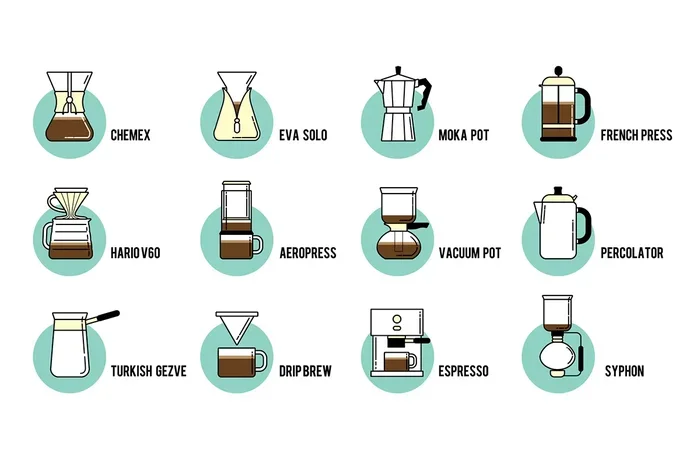
Not all coffee makers are created equal. Each type uses a different method to brew coffee, and each method brings out different qualities in your beans. Understanding these differences helps you pick the right machine for your taste preferences.
Drip Coffee Makers
Drip coffee makers are the most popular type in homes across America. They are simple to use, fast, and convenient. You add water, drop in a filter with coffee grounds, and press a button. The machine heats the water and drips it over the grounds, letting gravity do the work. The result is a clean, mild cup of coffee that is easy to drink. However, drip machines often lack precise temperature control. This means the coffee taste can vary from one brew to the next. If consistency matters to you, look for a drip model with a built-in thermometer or thermal carafe.
Espresso Machines
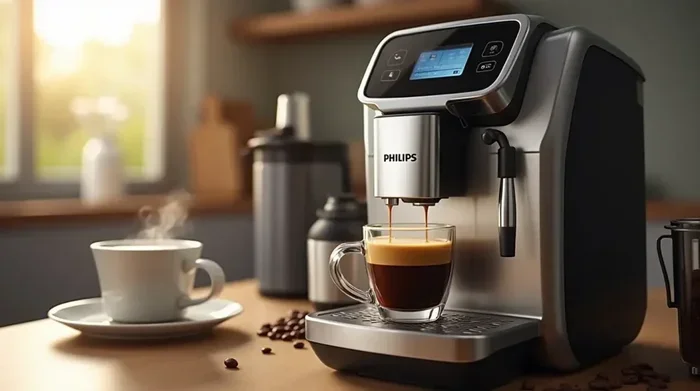
Espresso machines use high pressure to brew a small, intense shot of coffee. They produce a rich, bold flavor with a creamy layer on top. Espresso machines range from small stovetop models to fully automatic countertop units. The best ones let you adjust grind size, tamp pressure, and water temperature. This level of control means you can fine-tune every shot to get the best tasting coffee possible. If you enjoy milk-based drinks like lattes and cappuccinos, an espresso machine is a great choice. The pressure and speed of extraction create a completely different flavor experience than drip brewing.
Pour Over and Manual Brew Methods
Pour over coffee involves manually pouring hot water over coffee grounds in a dripper. This method gives you full control over every aspect of the brew. You decide the water temperature, pour speed, and brew time. Many coffee enthusiasts consider pour over the best way to taste the true character of a bean. The coffee maker in this case is simply a dripper and a kettle, but the hands-on process leads to a cleaner, more flavorful cup. Pour over coffee highlights subtle flavor notes that machines often miss. If you enjoy exploring different coffee beans and origins, this method is worth trying.
French Press
A French press steeps coffee grounds directly in hot water for several minutes before pressing down a metal filter. This method produces a full-bodied, rich cup with more oils and sediment than paper-filter methods. The coffee taste is bold and robust. French presses are simple, affordable, and do not need electricity. They do not have the precision of an espresso machine, but they deliver a satisfying cup with deep flavor. The trade-off is that the metal filter lets more fine particles through, which some people find gritty.
Single-Serve Pod Machines
Single-serve machines like Keurig or Nespresso use pre-packaged pods to brew a quick cup. They are incredibly convenient and perfect for busy mornings. The coffee maker does most of the work for you, and cleanup is minimal. However, pod machines often sacrifice flavor for speed. The pre-ground coffee inside pods loses freshness faster than whole beans. If you want the best possible coffee flavor, a pod machine might not be the way to go. That said, newer models are improving, and some offer reusable pods where you can use your own freshly ground coffee.
What Really Makes Coffee Taste Better
A great coffee maker helps, but it is not the only factor. Several other elements play an equally important role in how your coffee tastes. Understanding these factors lets you get the most out of any machine you own.
Bean Quality and Freshness
The single biggest factor in better tasting coffee is the quality of your beans. Freshly roasted, high-quality coffee beans taste dramatically better than old, pre-ground coffee from a grocery store. Look for beans that list a roast date on the bag, not just an expiration date. Whole beans stay fresh longer than pre-ground coffee. If you buy whole beans, you should grind them just before brewing for the best results. This is where a good coffee grinder comes in handy. If you are curious about grinding methods, you might want to check out whether a coffee grinder can be used for wet grinding to expand your options.
Grind Size and Consistency
Grind size matters more than most people realize. Coarse grounds work best for French press. Medium grounds suit drip machines. Fine grounds are needed for espresso. If your grind size does not match your brewing method, you will end up with over-extracted or under-extracted coffee. A burr grinder gives you a consistent grind size, which leads to even extraction and a more balanced coffee taste. Blade grinders chop beans unevenly, creating a mix of fine and coarse particles. This inconsistency hurts the final cup.
Water Quality
Coffee is 98 percent water. If your tap water tastes bad, your coffee will taste bad too. Use filtered water for the cleanest, best-tasting results. Hard water with high mineral content can also affect coffee extraction and leave scale buildup inside your machine. Some coffee lovers use third-wave water packets or simple carbon filters to improve their brewing water. This is a small change that makes a surprisingly big difference.
Cleanliness and Maintenance
A dirty coffee maker brews bad coffee. Old oils and residue build up inside the machine over time, creating rancid flavors that ruin your cup. Run a vinegar and water cycle through your machine once a month to remove buildup. Wash removable parts like carafes and filters after every use. Keeping your machine clean ensures that every brew tastes fresh and clean. This is one of the easiest ways to improve coffee quality without buying a new machine.
Do Expensive Coffee Makers Really Make a Difference?
This is the question most coffee drinkers want answered. The truth is, expensive does not always mean better. Some high-end machines cost hundreds of dollars but do not deliver noticeably superior coffee compared to mid-range models. What matters more is how well the machine controls the key brewing variables: temperature, time, pressure, and water flow.
A mid-range drip coffee maker with a thermal carafe and consistent temperature control can outperform a cheap $30 machine every time. On the other hand, a $2000 espresso machine will give you far more control than a $200 model, but only if you know how to use it. For most home brewers, a machine in the $100 to $300 range hits the sweet spot between price and performance. The best coffee maker for you is the one that fits your budget, your taste preferences, and your willingness to learn the brewing process.
If you are serious about upgrading your home coffee setup, consider what features matter most to you. Do you want a machine that does everything automatically? Or do you enjoy the hands-on process of manual brewing? Your answer to this question will guide you toward the right coffee machine and help you achieve better tasting coffee every single morning.
Common Mistakes That Hurt Your Coffee
Even the best coffee maker cannot save a bad brewing process. Here are the most common mistakes people make that hurt the flavor of their coffee:
- Using stale coffee beans: Old beans lose their flavor quickly. Always check the roast date and buy beans in small quantities.
- Grinding too far in advance: Pre-ground coffee loses its aroma within minutes. Grind just before brewing for the freshest cup.
- Using the wrong water temperature: Boiling water scorches the grounds and creates bitterness. Let water cool slightly after boiling.
- Ignoring the ratio: Too much water or too little coffee throws off the balance. A standard brew ratio is about two tablespoons of grounds per six ounces of water.
- Skipping cleaning: Oil buildup inside the machine creates off-flavors over time. Clean your machine regularly.
- Using low-quality water: Chlorinated or hard water masks the natural flavors of the coffee. Filtered water is always better.
Quick Tips for Brewing Better Coffee at Home
Want to get the most out of your coffee maker without spending a lot of money? Here are some quick tips that make an immediate difference:
- Weigh your coffee grounds with a kitchen scale instead of using scoops. This ensures consistency every time.
- Invest in a simple burr grinder for uniform particle size and better extraction.
- Preheat your machine and your mug before brewing to maintain optimal temperature.
- Use filtered water and replace your water filter regularly.
- Experiment with brew time and grind size to find your perfect sweet spot.
- Store your beans in an airtight container away from light and heat.
Small changes add up fast. You do not need to buy a new machine to taste better coffee. Focus on the basics first, and you will be surprised by how much better your morning cup can be.
Final Thoughts
So, does the coffee maker matter for better tasting coffee? Absolutely. The machine you use affects temperature control, extraction time, and overall consistency. But it is not the only factor. Fresh beans, proper grind size, clean water, and good technique all work together to create a great cup. Your coffee maker is the foundation, but the ingredients and process on top of it matter just as much. Whether you are using a simple drip machine or a high-end espresso setup, understanding how your equipment shapes the brew puts you on the path to better tasting coffee every single day. Take the time to learn your machine, care for it properly, and enjoy the journey of discovering what works best for your palate.
Frequently Asked Questions
Does the type of coffee maker really change the taste of coffee?
Yes, it does. Different coffee makers use different brewing methods, temperatures, and pressures. These factors directly affect how flavors are extracted from the coffee grounds. A pour over brewer and a drip machine will produce noticeably different cups even when using the same beans.
What is the best type of coffee maker for flavor?
Most coffee experts agree that pour over and espresso machines offer the best flavor control. Pour over methods highlight subtle tasting notes, while espresso machines produce bold, concentrated cups. However, the best machine is the one that fits your taste preferences and lifestyle.
Can a cheap coffee maker make good coffee?
Yes, a cheap machine can make good coffee if you use fresh beans, proper water temperature, and the right grind size. The machine matters, but the ingredients and process matter just as much. Focus on quality inputs first, and then upgrade your machine if needed.
How often should I clean my coffee maker?
You should clean removable parts after every use and run a deep cleaning cycle with vinegar and water once a month. Regular maintenance prevents oil buildup and mineral deposits that can ruin the coffee taste. A clean machine always brews better coffee.
Does water temperature really matter when brewing coffee?
Water temperature is one of the most important factors in brewing. Too hot water causes over-extraction and bitterness. Too cool water leads to under-extraction and sourness. Staying in the 195 to 205 degree Fahrenheit range gives you the best balance of flavors.
Should I buy whole beans or pre-ground coffee for the best results?
Always buy whole beans and grind them just before brewing. Whole beans retain their aroma and flavor much longer than pre-ground coffee. Investing in a simple burr grinder makes a huge difference in the quality of your daily cup.