What Makes Cold Brew Coffee Better Than Hot Brewed Coffee
Cold brew coffee tastes smoother and less bitter than hot brewed coffee because it uses cold water and a long steeping process. This brewing method extracts fewer acids, creating a milder cup that is easier on your stomach. Whether you drink it straight or over ice, cold brew delivers a rich coffee flavor with lower acidity and a naturally sweet taste.
There is something magical about a cold cup of coffee on a warm morning. But it is not just about the temperature. The way coffee brews changes everything about the final taste, the caffeine kick, and how your body reacts to it. Cold brew coffee has taken the coffee world by storm, and for good reason. People who switch from hot coffee to cold brew often say they will never go back.
So what exactly makes cold brew coffee better than its hot counterpart? The answer lies in the science of extraction, the flavor profile, and the health benefits. In this article, we will break it all down. You will learn why cold brew tastes different, how to make it at home, and why so many coffee lovers are making the switch. Whether you are a casual coffee drinker or a dedicated home barista, this guide will give you everything you need to know.
Key Takeaways
- Smoother Flavor: Cold water extraction produces a naturally sweet and less bitter cup compared to hot brewing.
- Lower Acidity: Cold brew coffee has significantly less acid, making it gentler on your stomach and teeth.
- Higher Caffeine Content: The long steeping process creates a concentrated brew with more caffeine per serving.
- Simple to Make: You only need coffee grounds, cold water, and time. No special equipment required.
- Versatile and Customizable: Cold brew works great as a concentrate you can dilute, mix with milk, or use in recipes.
- Longer Shelf Life: Stored properly in the refrigerator, cold brew stays fresh for up to two weeks.
📑 Table of Contents
The Science Behind Cold Brew Coffee
How Cold Water Extraction Works
Hot brewing works fast. When you pour boiling water over coffee grounds, the heat forces extraction to happen in seconds. The water pulls out oils, acids, and caffeine rapidly. This is why a drip coffee maker can produce a full cup in minutes.
Cold brew works the opposite way. You steep coarse coffee grounds in room temperature or cold water for 12 to 24 hours. The slow extraction process pulls out different compounds than hot water does. Think of it like steeping tea. A quick steep gives you a light flavor. A long steep gives you something bolder and deeper.
The key difference is temperature. Heat accelerates chemical reactions. It pulls out more acids and bitter compounds. Cold water is gentle. It extracts the sweet and smooth notes first, leaving behind many of the harsh compounds that cause bitterness. This is the fundamental reason cold brew coffee tastes so different.
Why Steeping Time Matters
Time is the secret ingredient in cold brew. Most recipes call for 12 to 24 hours of steeping. The longer you steep, the stronger and more concentrated the brew becomes.
Here is a simple breakdown:
- 12 hours: Light and smooth. Good for beginners.
- 16 hours: Balanced flavor with a mild caffeine kick.
- 20 hours: Rich and bold. Great for concentrate.
- 24 hours: Very strong. Best diluted with water or milk.
Finding the right steeping time depends on your taste preferences and the ratio of coffee to water. Start with 16 hours and adjust from there. You will quickly find your sweet spot.
Flavor Profile: Cold Brew vs Hot Brewed Coffee
Smoothness and Sweetness
The most noticeable difference between cold brew and hot brewed coffee is the taste. Cold brew coffee is remarkably smooth. It has a natural sweetness that hot coffee often lacks. Many people describe it as having notes of chocolate, caramel, or even fruit.
Hot brewed coffee, on the other hand, can have a wider range of flavors. But it also carries more bitterness. The high heat pulls out chlorogenic acids and other bitter compounds. These give hot coffee its characteristic bite, but they can also overwhelm the natural sweetness of the beans.
With cold brew, the flavor stays clean and pure. There is no burnt or harsh aftertaste. The result is a cup that feels mellow and satisfying from the first sip to the last.
Acidity Levels: A Major Difference
Acidity is one of the biggest reasons people choose cold brew over hot coffee. Studies show that cold brew coffee can be up to 67% less acidic than hot brewed coffee. This is a huge deal for people who suffer from acid reflux, heartburn, or sensitive stomachs.
When you brew coffee with hot water, the heat extracts more of the acidic compounds. These include quinic acid and citric acid. Over time, drinking highly acidic coffee can wear down tooth enamel and cause digestive discomfort.
Cold water extraction simply does not pull out as many of these acids. The result is a coffee that is easier on your body. If you have ever felt jittery or had stomach issues after drinking hot coffee, cold brew might be the answer you have been looking for.
Bitterness Comparison
Bitterness is the enemy of a great cup of coffee. Hot brewing methods, especially those that use very high temperatures or brew for too long, tend to extract more bitter compounds.
Cold brew avoids this problem almost entirely. Because the water is cold and the process is slow, the extraction is more selective. It grabs the pleasant flavors and leaves the bitter ones behind.
This is why cold brew coffee can taste great even without sugar or cream. Many people find that they need less sweetener when drinking cold brew. The natural smoothness speaks for itself.
Health Benefits of Cold Brew Coffee
Easier on Your Stomach
Because cold brew coffee is lower in acidity, it is much easier on your digestive system. People who experience stomach cramps, acid reflux, or bloating after drinking regular coffee often find that cold brew does not cause the same problems.
This makes cold brew a great option for people who love coffee but struggle with sensitivity. You do not have to give up your morning coffee ritual just because your stomach cannot handle the heat.
Antioxidants and Nutrients
Coffee is packed with antioxidants. These include chlorogenic acid, which has been linked to reduced inflammation and better heart health. The good news is that cold brew retains many of these beneficial compounds.
While the extraction process is different, cold brew still delivers a healthy dose of antioxidants. Some studies suggest that cold brew may even preserve more antioxidants than hot brewing, though more research is needed. Either way, you are getting a nutritious beverage with every sip.
Caffeine Content: What You Need to Know
Cold brew coffee typically has more caffeine than hot brewed coffee. This is because the long steeping time and the concentrate ratio pull out more caffeine from the grounds.
A typical cold brew concentrate can have anywhere from 200 to 250 milligrams of caffeine per 8-ounce serving. Hot brewed coffee usually has around 95 to 200 milligrams per cup, depending on the brew strength.
If you are sensitive to caffeine, you can dilute your cold brew with more water or milk. This reduces the caffeine content while keeping the smooth flavor. It is one of the great advantages of cold brew: you control the strength.
Just remember that if you are using a keurig coffee maker for your hot coffee, the caffeine levels can vary widely depending on the pod and settings. Cold brew gives you more consistent results.
How to Make Cold Brew Coffee at Home
What You Will Need
Making cold brew at home is surprisingly simple. You do not need an expensive machine or fancy equipment. Here is what you need to get started:
- Coarse ground coffee beans
- Cold filtered water
- A large glass jar or pitcher
- A coffee filter or fine mesh strainer
- A stirring spoon
When it comes to grinding your beans, a regular coffee grinder works perfectly. If you are curious about whether your grinder can handle different tasks, check out this guide on using a coffee grinder for wet grinding to learn more about versatility.
Step-by-Step Instructions
Follow these simple steps to make cold brew coffee at home:
- Measure your coffee. Use a ratio of 1 part coffee to 4 parts water for a strong concentrate. For a milder brew, try 1 part coffee to 8 parts water.
- Add the grounds to your jar. Use coarse grounds for the best results. Fine grounds can make the coffee muddy and gritty.
- Pour in cold water. Make sure all the grounds are saturated. Give it a gentle stir.
- Cover and refrigerate. Let the mixture steep for 12 to 24 hours. Longer steeping equals stronger coffee.
- Strain the coffee. Pour the mixture through a coffee filter or fine mesh strainer into a clean container.
- Serve and enjoy. Dilute the concentrate with water, milk, or ice. Add sweetener if you like.
The whole process takes about five minutes of active time. The rest is just waiting. That is what makes cold brew so convenient. You can prepare it the night before and wake up to a fresh batch every morning.
Storage Tips
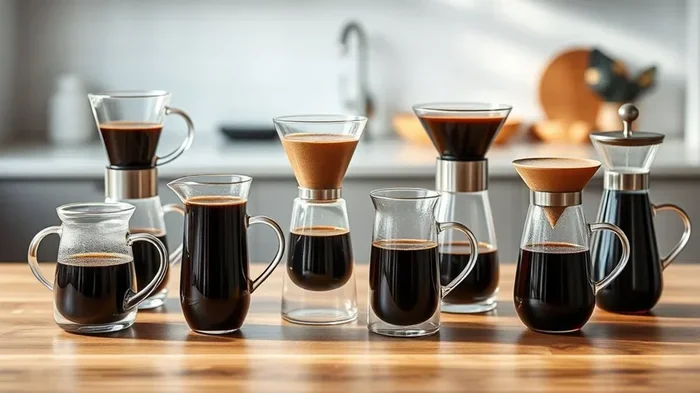
Cold brew coffee concentrate keeps well in the refrigerator for up to two weeks. Store it in a sealed glass jar or pitcher. Glass is best because it does not absorb flavors the way plastic can.
When storing your cold brew, keep it away from strong-smelling foods. Coffee can absorb odors over time. A tight seal helps preserve the fresh flavor.
If you are storing liquids in the kitchen, it is always good to know which containers are safe. For example, not all pans can go in the oven, and similarly, not all containers are ideal for long-term cold brew storage. Stick to glass or food-grade stainless steel.
Common Myths About Cold Brew Coffee
Myth 1: Cold Brew Has Less Caffeine
This is one of the most common misconceptions. In reality, cold brew coffee often has more caffeine than hot brewed coffee. The long steeping time and concentrate ratio mean more caffeine is extracted from the grounds.
That said, cold brew is usually diluted before drinking. So your final cup may have similar caffeine levels to a regular cup of hot coffee. It all depends on how you prepare it.
Myth 2: Cold Brew Is Just Iced Coffee
Many people confuse cold brew with iced coffee. They are not the same thing. Iced coffee is hot brewed coffee that is cooled down and served over ice. Cold brew is brewed with cold water from the start.
The difference matters. Iced coffee retains the acidity and bitterness of hot brewing. Cold brew does not. The cold water extraction process creates a completely different flavor profile.
Myth 3: You Need Expensive Equipment
You do not need a fancy cold brew system to make great cold brew at home. A mason jar, some coffee grounds, and a simple filter are all you need. The process is about time, not technology.
Sure, there are cold brew makers and toddy systems on the market. They can make the process a little easier. But they are not necessary. The best cold brew I have ever made was in a simple glass jar in my refrigerator.
Tips for the Perfect Cold Brew Every Time
Use Fresh, Quality Beans
The quality of your coffee beans matters more than you might think. Freshly roasted beans produce the best flavor. Look for beans that were roasted within the last two to four weeks. Medium to dark roasts work especially well for cold brew because they bring out chocolatey and caramel notes.
Grind Size Is Important
Always use a coarse grind for cold brew. A coarse grind prevents over-extraction and keeps the coffee clean and smooth. If the grind is too fine, your coffee will be cloudy and gritty.
Think of the grind size like this. Coarse grounds look like sea salt. Medium grounds look like sand. Fine grounds look like flour. For cold brew, you want the sea salt texture.
Experiment with Ratios
There is no one-size-fits-all ratio for cold brew. Some people prefer a 1:4 ratio for a strong concentrate. Others like a 1:8 ratio for a ready-to-drink brew. Try different ratios and find what works best for your taste.
Keep It Clean
Just like any coffee equipment, your brewing jars and filters need to stay clean. Residue from previous batches can affect the flavor of your cold brew. Rinse everything thoroughly after each use.
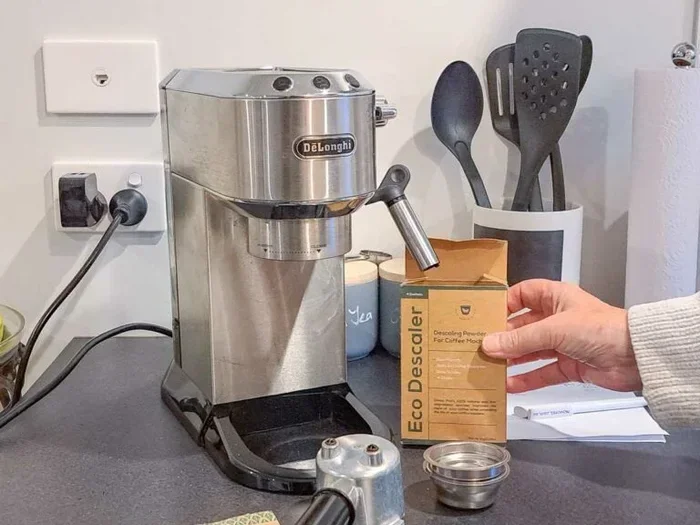
If you are serious about coffee quality, regular maintenance of your equipment matters. For example, knowing how to decalcify a Keurig coffee maker helps keep your hot brewing equipment in top shape too.
Why Cold Brew Coffee Is Worth Trying
Cold brew coffee is more than just a trend. It is a better way to enjoy coffee for many people. The smooth flavor, lower acidity, and high caffeine content make it a standout choice. Whether you drink it straight, with milk, or over ice, cold brew delivers a satisfying experience every time.
The best part is that it is incredibly easy to make at home. You do not need a degree in coffee science. Just grab some coarse grounds, cold water, and a jar. Give it time, and you will have a delicious batch of cold brew ready to enjoy.
If you have never tried cold brew before, now is the perfect time to start. Once you taste the difference, you may never look at hot brewed coffee the same way again. The smooth, sweet, and clean flavor of cold brew is something you have to experience to believe.
Give it a try this week. Make a batch on Sunday evening and enjoy it throughout the week. You will be amazed at how simple and rewarding cold brew coffee can be. Your taste buds and your stomach will thank you.
Frequently Asked Questions
Is cold brew coffee stronger than hot brewed coffee?
Cold brew coffee is often stronger in caffeine content because of the long steeping process and concentrate ratio. However, when you dilute cold brew with water or milk before drinking, the caffeine levels can be similar to hot brewed coffee. The strength depends on how you prepare and serve it.
Can I use regular coffee grounds for cold brew?
You can, but coarse grounds work best. Regular pre-ground coffee is usually too fine and can make your cold brew taste muddy. For the smoothest result, buy whole beans and grind them yourself to a coarse consistency before steeping.
How long does cold brew coffee last in the fridge?
Cold brew concentrate stays fresh in the refrigerator for up to two weeks when stored in a sealed glass container. After that, the flavor starts to decline. It is best to make smaller batches more frequently to enjoy the freshest taste.
Does cold brew coffee have less caffeine than regular coffee?
Actually, cold brew concentrate typically has more caffeine per ounce than hot brewed coffee. But because cold brew is usually diluted before drinking, your final cup may have comparable caffeine levels. Always adjust the ratio to control your caffeine intake.
Can I make cold brew coffee at room temperature?
Yes, you can steep cold brew at room temperature instead of in the refrigerator. Room temperature brewing can take slightly less time, around 12 to 16 hours. Some people prefer this method because it can extract more flavor. Just make sure to strain and refrigerate the finished brew promptly.
What is the best coffee ratio for cold brew?
A good starting point is 1 part coffee to 4 parts water for a strong concentrate. If you prefer a milder drink, try 1 part coffee to 8 parts water. Adjust the ratio based on your taste preferences and how you plan to serve the cold brew.
=== CONCLUSION ===
Cold brew coffee offers a smoother, less acidic, and more refreshing alternative to traditional hot brewed coffee. The cold water extraction process brings out the natural sweetness of coffee beans while leaving behind much of the bitterness and harsh acidity that many people dislike. Whether you are new to cold brew or a longtime fan, understanding what makes it better helps you appreciate every sip even more.
The beauty of cold brew is in its simplicity. With just coffee grounds, cold water, and time, you can create a delicious and healthy beverage at home. No expensive machines needed. No complicated techniques required. Just patience and a willingness to experiment.
So go ahead and give cold brew a try. Make your first batch this weekend, and discover why so many coffee lovers are making the switch. Once you taste the difference, you will understand exactly what makes cold brew coffee better than hot brewed coffee.