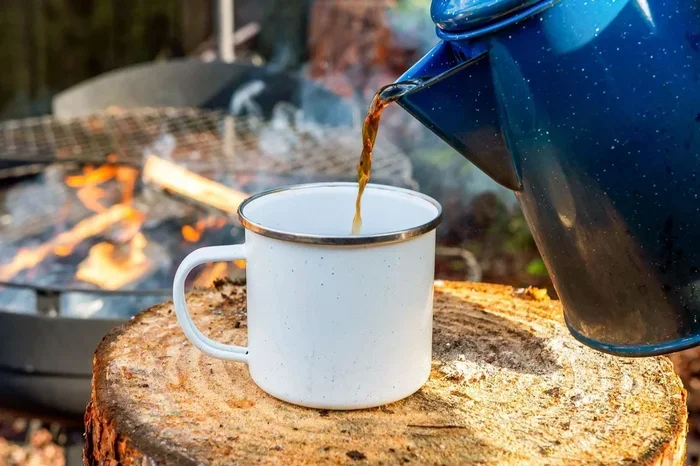
How To Make Cowboy Coffee Like a True Trail Rider
Cowboy coffee is a time-tested, no-fuss brewing method that lets you make rich, bold coffee over a campfire or open flame. This guide covers everything from choosing the right coffee grounds to mastering the pour-over technique used by real trail riders. You will learn the simple cowboy coffee recipe, essential tips, and common mistakes to avoid for the perfect cup outdoors.
There is something magical about sipping a hot cup of cowboy coffee while sitting around a crackling campfire. The smell of fresh grounds mixing with cool morning air, the warmth of the mug in your hands, and the quiet stillness of the trail — it is a ritual that has connected outdoor lovers for generations. Whether you are a seasoned rider or just starting your camping adventures, cowboy coffee is one of the simplest and most rewarding ways to start your day in the wild.
Making cowboy coffee is not just about brewing a drink. It is about embracing a slower pace, connecting with nature, and enjoying a rich, full-bodied cup without any complicated gadgets. Unlike modern coffee makers or single-serve pods, this method relies on basic principles of heat and time. The result is a bold, unfiltered brew that tastes surprisingly better than you might expect.
In this guide, you will learn exactly how to make cowboy coffee like a true trail rider. We will walk through every step, from picking the right coffee grounds to mastering the pour. You will also discover helpful tips, common mistakes to steer clear of, and the history behind this beloved outdoor tradition. By the end, you will be confident enough to brew a perfect cup wherever the trail takes you.
Key Takeaways
- Simple Method: Cowboy coffee requires only hot water, coarse grounds, and a heat source — no fancy equipment needed.
- Coarse Grind Is Key: Using the right grind size prevents bitter, gritty coffee and gives you a smoother trail cup.
- Timing Matters: Letting the grounds settle for a few minutes is the secret to clean, delicious campfire coffee.
- Perfect for Outdoors: This method works anywhere — campsites, tailgates, hiking trails, and backyard fire pits.
- Easy to Master: Even beginners can make great cowboy coffee with basic tips and a little practice.
- Rich Flavor: Cowboy coffee often tastes bolder and more robust than drip-brewed coffee because of the direct heat and steeping process.
📑 Table of Contents
What Is Cowboy Coffee?
Cowboy coffee is a traditional brewing method that originated with cowboys and ranchers who spent long days on the open range. These hardworking riders needed a reliable way to brew coffee in the wild, and they did not have access to modern coffee makers or electric kettles. So they improvised. Using just a pot, fire, water, and ground beans, they created a brewing method that has stood the test of time.
The process is beautifully simple. You heat water over a campfire or open flame, add coarse coffee grounds directly to the pot, let it steep, and then pour carefully into your cup. The grounds settle to the bottom, leaving you with a rich, aromatic brew. There are no filters, no machines, and no complicated steps. Just pure, honest coffee made by hand.
What makes cowboy coffee special is the experience as much as the flavor. Brewing coffee over a fire connects you to a long line of outdoorsmen and women who relied on this method to fuel their days. It is rugged, resourceful, and deeply satisfying. Many people who try it for the first time are surprised by how smooth and full-bodied it tastes compared to what they expected.
How It Differs from Regular Brewed Coffee
Regular brewed coffee uses a machine or pour-over setup that forces water through a paper or metal filter. The filter catches the grounds and produces a clean, bright cup. Cowboy coffee skips the filter entirely. The grounds steep directly in the hot water and then settle naturally to the bottom of the pot.
This gives cowboy coffee a heavier body and more intense flavor. The oils and fine particles that filters would normally remove stay in the brew, adding richness and depth. Some coffee lovers prefer this bold, rustic taste over the cleaner profile of filtered coffee. It is a matter of personal preference, but many outdoor enthusiasts swear by the full-bodied character of campfire coffee.
What You Need to Make Cowboy Coffee
One of the best things about cowboy coffee is how few tools you need. You do not need an expensive setup or specialty gear. Here is what you will want to bring along:
- A metal pot or kettle: A simple stainless steel or cast iron pot works perfectly. Avoid plastic or aluminum, as they can affect the taste. Many trail riders prefer a lightweight campfire pot with a handle.
- Coarse ground coffee: This is the most important ingredient. Use a coarse grind that resembles sea salt. Fine grounds will pass through and create a gritty, unpleasant cup. If you are grinding your own beans, a quality coffee grinder can make a big difference. You can learn more about using a grinder for different tasks in our guide on whether a coffee grinder can be used for wet grinding.
- Fresh water: Clean, cold water is essential. If you are on the trail, bring enough water for both drinking and brewing. Some riders prefer to use filtered or purified water for a cleaner taste.
- A heat source: A campfire, camp stove, or portable burner works great. The key is steady, even heat that brings the water to a boil without scorching it.
- A mug or cup: A sturdy metal or ceramic mug holds heat well and feels right at home in the outdoors.
That is it. You do not need a percolator, a French press, or any special equipment. The beauty of cowboy coffee is its simplicity. A basic camp pot and a handful of grounds are all you need to brew a genuinely great cup of outdoor coffee.
Choosing the Right Coffee Beans
The type of beans you use matters more than you might think for cowboy coffee. Medium to dark roasts tend to work best because they hold up well to the steeping process and produce a bolder, richer flavor. Light roasts can work too, but they may taste thinner or more acidic when brewed this way.
Many trail riders prefer a robust, smoky blend that complements the campfire atmosphere. Experiment with different roasts and origins to find what you enjoy most. If you are buying pre-ground coffee, look for brands that specifically offer a coarse grind option. Grinding your own beans just before brewing gives you the freshest possible camp coffee experience.
Step-by-Step Cowboy Coffee Recipe
Now that you have your gear and grounds ready, let us walk through the actual process of making cowboy coffee. Follow these steps carefully, and you will be rewarded with a delicious cup every time.
- Fill your pot with water. Use about one cup of water for every two tablespoons of coffee grounds. Adjust this ratio based on how strong you like your brew. More water makes it milder; less water makes it bolder.
- Bring the water to a boil. Place the pot over your fire or stove and let the water reach a full rolling boil. Do not let the water boil away — keep an eye on it.
- Remove the pot from heat. This is a crucial step. Letting the water cool for about 30 seconds after boiling helps prevent the coffee from tasting bitter or burnt.
- Add the coffee grounds. Stir in your coarse coffee grounds gently. Use about two tablespoons per cup of water. Give it a quick stir to make sure the grounds are fully saturated.
- Let it steep. Allow the pot to sit undisturbed for about three to four minutes. During this time, the grounds will begin to sink to the bottom. This steeping process is what gives cowboy coffee its rich, full flavor.
- Pour carefully into your cup. Tilt your mug slowly and pour the coffee gently. The grounds should settle at the bottom of the pot, and you want to leave them behind. Pour slowly and stop before you reach the gritty layer at the bottom.
That is all there is to it. The entire process takes less than ten minutes, and the result is a warm, robust cup of trail coffee that tastes incredible in the great outdoors. Once you try it, you will understand why this method has survived for over a century.
Adjusting the Strength and Flavor
One of the great things about cowboy coffee is how easy it is to customize. Want a stronger cup? Add an extra tablespoon of grounds per serving. Prefer something milder? Use a bit more water. You can also experiment with adding a pinch of salt to reduce bitterness, a dash of cinnamon for warmth, or even a small piece of chocolate for a rich, mocha-like flavor.
Some trail riders like to add a splash of cold water after brewing. This technique, known as cold bloom, helps the grounds settle faster and can produce a cleaner cup. It is a small trick that makes a noticeable difference in the final result.
Tips for the Perfect Cup of Cowboy Coffee
Making great cowboy coffee is easy once you know a few insider tips. These small adjustments can take your brew from good to absolutely excellent. Here are the tricks that experienced trail riders swear by:
- Always use coarse grounds. Fine grounds will slip through and create a gritty, unpleasant texture. A coarse grind is essential for a smooth, enjoyable cup of campfire coffee.
- Do not boil the coffee. Boiling the grounds directly can make the coffee taste harsh and bitter. Remove the pot from heat before adding grounds, and let the water cool slightly first.
- Let it settle properly. Patience is key. Give the coffee at least three to four minutes to steep and for the grounds to sink. Rushing this step leads to a gritty cup.
- Pour slowly and steadily. When pouring into your mug, tilt the pot gently and pour in a thin stream. This helps keep the grounds in the pot and delivers a cleaner brew.
- Use fresh water every time. Reusing water from a previous brew can result in flat, stale-tasting coffee. Always start with fresh, cold water for the best flavor.
- Keep your pot clean. Residual oils and grounds from previous brews can affect the taste of your next cup. Clean your pot thoroughly after each use. For tips on maintaining your kitchen equipment, check out our guide on how to clean a Cosori air fryer toaster oven for general appliance cleaning advice.
The Importance of Water Temperature
Water temperature plays a huge role in how your cowboy coffee tastes. Water that is too hot will over-extract the grounds and create a bitter, harsh brew. Water that is not hot enough will under-extract and produce weak, sour coffee. The sweet spot is just below boiling — around 200 degrees Fahrenheit. If you bring water to a full boil, let it sit for about 30 seconds before adding your grounds. This small pause makes a big difference in the final flavor.
Using a French Press vs. Cowboy Method
Some people wonder whether a French press and cowboy coffee are the same thing. They are not, though they share some similarities. A French press uses a metal or mesh filter to separate the grounds from the water, producing a cleaner cup. Cowboy coffee relies on gravity and settling, so some fine particles remain in the brew. Both methods produce bold, rich coffee, but the cowboy method is simpler and requires no special equipment beyond a pot and a heat source.
Common Mistakes to Avoid
Even experienced campers can make mistakes when brewing cowboy coffee. Knowing what to avoid will save you from a disappointing cup and help you master this method faster. Here are the most common errors:
- Using too fine a grind: This is the number one mistake. Fine grounds create a murky, gritty cup that is nearly impossible to drink comfortably. Stick with a coarse grind every time.
- Boiling the coffee with the grounds: Boiling grounds directly in the water extracts too many bitter compounds and ruins the flavor. Always remove the pot from heat before adding grounds.
- Rushing the steeping process: If you pour your coffee too quickly, the grounds will not have time to settle. Patience pays off with a cleaner, better-tasting cup.
- Using stale or old grounds: Fresh coffee makes a dramatic difference. Stale grounds produce flat, lifeless coffee that tastes nothing like a fresh brew.
- Pouring too fast: A rushed pour disturbs the settled grounds and sends them into your cup. Slow and steady wins the race when pouring cowboy coffee.
Avoiding these simple mistakes will immediately improve the quality of your brew. Even if you are new to outdoor coffee making, following these guidelines will help you produce a cup that rivals what you get at home.
What If Your Coffee Tastes Bitter?
Bitterness in cowboy coffee usually comes from one of three sources: water that was too hot, grounds that were too fine, or coffee that steeped for too long. To fix this, let your water cool slightly before adding grounds, use a coarser grind, and reduce the steeping time by a minute or two. A small pinch of salt added to the grounds can also neutralize bitterness naturally.
Why Cowboys Loved This Method
The history of cowboy coffee is as rich as the brew itself. Cowboys on the open range worked long, exhausting days. They needed a reliable way to brew coffee that did not require fancy equipment or clean water. The simple pot-over-fire method was perfect for their needs. It was fast, easy, and required almost nothing beyond what they already carried.
Cowboys often brewed coffee directly in the same pot they used for cooking. They would boil water, toss in the grounds, and let nature do the rest. There were no coffee shops on the trail, no electricity, and no modern coffee makers. Yet somehow, the cowboy coffee they made was hearty, strong, and deeply satisfying. It fueled long cattle drives, cold mornings, and countless sunsets on the range.
Today, cowboy coffee has experienced a revival among outdoor enthusiasts, survivalists, and camping lovers. People are rediscovering the joy of brewing coffee the old-fashioned way. There is something deeply fulfilling about making a great cup of coffee with nothing more than a pot, fire, and your own two hands. It connects you to a simpler time and a rugged tradition that still holds meaning today.
The Social Side of Cowboy Coffee
Cowboy coffee was never just about the caffeine. It was a social ritual. Cowboys would gather around the fire, share stories, and pass around a pot of freshly brewed coffee. It brought people together and created a sense of community. Even today, sharing a pot of camp coffee around a campfire is one of the great pleasures of outdoor living. Whether you are on a solo trip or camping with friends, brewing a pot of cowboy coffee adds warmth and connection to any outdoor experience.
Final Thoughts on Making Cowboy Coffee
Cowboy coffee is more than just a brewing method — it is a tradition, a ritual, and a celebration of the outdoors. With just a pot, some coarse grounds, and a fire, you can brew a cup of coffee that is rich, bold, and deeply satisfying. The simplicity of this method is what makes it so appealing. There are no gadgets to fuss with, no filters to buy, and no complicated instructions to follow.
Once you master the basic technique, you can experiment with different beans, ratios, and flavors to create your perfect cup. Some days you will want it strong and dark. Other days, a lighter brew will hit the spot. The beauty of cowboy coffee is that it adapts to your preferences and your surroundings.
So the next time you are out on the trail, at a campsite, or sitting around a backyard fire pit, give cowboy coffee a try. You might be surprised at how much you enjoy it. It is a timeless method that connects you to the outdoors and to the cowboys who came before us. Grab your pot, start your fire, and brew yourself a cup that tastes as good as the adventure you are on.
Remember, the best cowboy coffee is the one you make with your own hands and enjoy with good company. Keep it simple, keep it bold, and keep brewing. The trail will always have a place for a good cup of coffee.
Frequently Asked Questions
What kind of coffee is best for cowboy coffee?
A coarse grind of medium to dark roasted beans works best for cowboy coffee. The coarse grind prevents grit from getting into your cup, while the darker roast brings out a bold, robust flavor that pairs perfectly with the outdoor brewing method.
Can you make cowboy coffee without a campfire?
Absolutely. While a campfire is the classic heat source, you can also use a camp stove, portable burner, or even a stovetop at home. The key is simply boiling water and steeping coarse grounds, so any heat source works for making cowboy coffee.
Why is my cowboy coffee gritty?
Grittiness usually comes from using a grind that is too fine or pouring too quickly. Use a coarse grind that resembles sea salt, let the coffee steep for at least three to four minutes, and pour slowly to keep the grounds settled at the bottom of the pot.
How long should cowboy coffee steep?
Let cowboy coffee steep for about three to four minutes after adding the grounds. This gives the coffee enough time to extract its full flavor while allowing the grounds to settle naturally to the bottom of the pot for a cleaner pour.
Is cowboy coffee stronger than regular coffee?
Cowboy coffee often tastes stronger and bolder because it is brewed without a filter, which allows more of the coffee oils and fine particles to remain in the cup. The steeping method also extracts deep, rich flavors that paper filters would normally remove.
Can I add milk or sugar to cowboy coffee?
Yes, you can add milk, cream, sugar, or sweetener to cowboy coffee just like any other brew. Many trail riders enjoy it black to fully appreciate the natural, robust flavor, but it is entirely up to your personal taste preferences.
=== CONCLUSION ===
Cowboy coffee is one of the most rewarding and straightforward ways to brew coffee outdoors. With a simple pot, coarse grounds, and a reliable heat source, you can create a bold, flavorful cup that captures the spirit of the trail. The method is easy to learn, fun to practice, and deeply satisfying. Whether you are a seasoned rider or a weekend camper, mastering cowboy coffee adds a timeless skill to your outdoor toolkit. So grab your pot, head to the fire, and brew a cup that honors the tradition of the cowboys who came before us.