How To Make Real Cuban Coffee The Way It Should Taste
Making real Cuban coffee at home is simpler than you think. This guide walks you through the authentic cafecito brewing method using a stovetop espresso maker, dark roast coffee grounds, and sugar to create the sweet, strong Cuban espresso you love. You will learn the traditional Cuban coffee recipe step by step, along with tips to get the perfect espuma every time.
There is something magical about a cup of Cuban coffee. It is strong, sweet, and creamy all at once. When you take your first sip, you can almost feel the warmth of a Cuban morning. How to make real Cuban coffee is a question many coffee lovers ask, and the answer is simpler than you might think.
This guide will show you the exact Cuban coffee recipe that families have followed for generations. You will learn about the right coffee grounds, the special brewing method, and the secret to that perfect layer of sweet foam called espuma. By the end, you will be able to make traditional Cuban coffee in your own kitchen. No trip to Havana required.
Whether you are a seasoned coffee drink enthusiast or just starting your journey, this article has everything you need. We will cover every step in detail. You will find practical tips, common mistakes to avoid, and answers to the most frequently asked questions. Let us dive in and bring a taste of Cuba to your home.
Key Takeaways
- Cuban coffee uses a stovetop espresso maker: A Moka pot or cafetera is the heart of every authentic Cuban coffee recipe.
- Sugar is added before brewing: The traditional method mixes sugar with the first drops of coffee to create a rich espuma.
- Dark roast coffee grounds are essential: The bold flavor of Cuban espresso comes from using the right roast and grind size.
- Perfecting the espuma takes practice: Whisking the sugar and coffee mixture is the key skill for authentic Cuban coffee.
- Cuban coffee culture is about community: This drink is more than a beverage; it is a social tradition shared with family and friends.
- Common mistakes are easy to avoid: Using too much water or the wrong grind can ruin your Cuban espresso.
- You do not need expensive equipment: A simple stovetop coffee maker and sugar are all you need to start.
📑 Table of Contents
What Makes Cuban Coffee So Special
Traditional Cuban coffee is not just another espresso. It is a coffee drink with deep cultural roots. In Cuba, coffee is a social event. Families gather around the stove. Friends share cups on the porch. The coffee culture in Cuba is alive and vibrant.
What sets Cuban espresso apart is the sweet coffee element. Most espresso drinks rely on milk or cream. Cuban coffee uses sugar instead. The sugar is whipped into the first drops of coffee to create a thick, creamy layer known as espuma or crema cubana. This foam sits on top of every cup and adds a unique sweetness that you will not find in regular espresso.
The Role of Dark Roast Coffee
The flavor of Cuban coffee starts with the beans. Traditional recipes call for a dark roast. This roast level brings out bold, rich, and slightly bitter notes. The coffee grounds should be fine, similar to what you would use for an espresso machine. A stovetop espresso maker works perfectly for this grind size.
Many coffee lovers prefer brands that roast beans specifically for Cuban-style brewing. If you cannot find pre-roasted Cuban coffee, any dark roast will work. Just make sure the grind is fine enough. The right coffee grounds make all the difference between a good cup and a great one.
Why Sugar Matters So Much
In a standard Cuban coffee recipe, sugar is not an afterthought. It is a core ingredient. The sugar creates the espuma, which is the hallmark of authentic Cuban espresso. Without sugar, you simply have a strong shot of coffee. With sugar, you get a balanced, creamy, and sweet coffee drink that is truly unique.
The type of sugar matters too. White granulated sugar is traditional. Some people prefer brown sugar for a deeper flavor. The choice is yours. What matters is that the sugar is mixed with the first drops of brewing coffee to form that signature foam.
What You Need: Equipment and Ingredients
Making real Cuban coffee does not require fancy gadgets. You need just a few simple items. Here is what you will need to get started.
The Stovetop Espresso Maker
A stovetop espresso maker, also known as a Moka pot or cafetera, is the most important tool. This is the same device used in Cuban households for decades. It brews coffee by passing boiling water through coffee grounds under pressure. The result is a strong, concentrated shot that forms the base of your Cuban espresso.
Moka pots come in different sizes. A three-cup size is perfect for beginners. You can always upgrade to a larger size once you get comfortable. Look for a stovetop coffee maker made of aluminum or stainless steel. Both work well for coffee preparation.
If you already own a coffee maker at home, that is great. But for the most authentic results, a Moka pot is the way to go. It gives you the closest taste to what you would find in a Cuban café.
Other Essential Tools
Beyond the Moka pot, you need a few more items:
- A small mixing spoon: For whipping the sugar and coffee into espuma.
- A heat source: A stovetop burner works best. Electric stoves work too.
- A measuring spoon: For consistent coffee and sugar ratios.
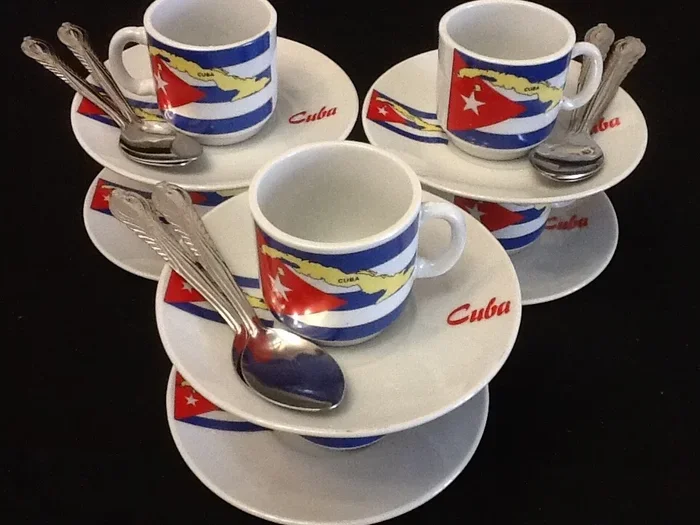
- A small cup or demitasse: Traditional Cuban coffee is served in small cups.
That is it. No expensive espresso machine. No milk frother. Just simple tools that deliver strong coffee with authentic flavor. And if you want to keep your kitchen equipment in top shape, make sure to regularly decalcify your coffee maker so it runs smoothly for years to come.
The Right Ingredients
Here are the ingredients you need for a perfect Cuban coffee recipe:
- Dark roast coffee: Freshly ground, fine consistency.
- White granulated sugar: About one tablespoon per serving.
- Water: Filtered water tastes best.
That is all. Three simple ingredients come together to create something extraordinary. The magic happens in the brewing method and the way you combine the sugar with the coffee.
Step-by-Step Guide to Making Cuban Coffee
Now that you have your tools and ingredients ready, let us walk through the process. Follow these steps carefully, and you will make Cuban espresso that rivals what you would get in Havana.
Step 1: Fill the Moka Pot with Water
Start by filling the bottom chamber of your stovetop espresso maker with water. Do not overfill. The water should reach just below the safety valve. Use room temperature or lukewarm water for best results. Hot water can cause the coffee to taste bitter.
Step 2: Add the Coffee Grounds
Fill the filter basket with fine coffee grounds. Do not pack them down tightly. A level scoop works perfectly. The grounds should sit loosely so water can flow through evenly. Using too many grounds will clog the filter and slow down the brewing method.
Step 3: Prepare the Sugar for Espuma
This is the secret step that makes Cuban coffee different from regular espresso. Take about one tablespoon of sugar and place it in your serving cup. Make sure the cup is dry and clean. The sugar will catch the first drops of coffee as they brew.
Step 4: Brew and Capture the First Drops
Place the Moka pot on the stove over medium heat. As the water heats up, the first drops of coffee will start to flow into the sugar. Watch closely. These first drops are the most flavorful. Use a spoon to mix the sugar and coffee together as they combine.
Keep whisking vigorously. You are creating the espuma. This takes about one to two minutes of steady mixing. The mixture will turn thick, pale, and creamy. This is your crema cubana, and it is the pride of every Cuban coffee recipe.
Step 5: Finish Brewing and Combine
Once the espuma is ready, let the Moka pot finish brewing the rest of the coffee. When the brewing is complete, remove the pot from the heat. Pour the remaining coffee slowly into the cup with the espuma. Stir gently to combine. Do not stir too hard or you will deflate the foam.
Step 6: Serve Immediately
Cuban espresso is best served right away. The espuma will start to settle after a few minutes. Serve in small cups for the authentic experience. A traditional Cuban coffee is meant to be sipped slowly, not gulped down.
Many coffee lovers enjoy their cafecito with a side of toast or a small pastry. The sweet, strong flavor pairs beautifully with baked goods. If you want to explore more about pairing coffee with baked treats, check out our guide on how to bake wonton wrappers in the oven for a unique twist on a classic snack.
Tips for Perfecting Your Cuban Coffee
Making great Cuban espresso takes a little practice. Here are some expert tips to help you get better results every time.
Use the Right Coffee-to-Water Ratio
A good starting point is one tablespoon of coffee grounds per one-quarter cup of water. This ratio produces a strong, concentrated cup. You can adjust it to your taste. Some people prefer a slightly weaker brew. Others like it even stronger. Experiment until you find your perfect balance.
Master the Espuma Technique
The espuma is what sets real Cuban coffee apart. To get it right, whisk the sugar and first drops of coffee quickly and consistently. Use a small whisk or a fork. The goal is a thick, creamy foam that holds its shape. If the foam is too thin, add a little more sugar and try again.
Always Use Fresh Coffee Grounds
Freshly ground coffee makes a noticeable difference. Pre-ground coffee loses flavor quickly. If you can, grind your beans just before brewing. A fine grind works best for the Moka pot. The coffee grounds should feel like powdered sugar, not coarse sand.
Control the Heat
Medium heat is the sweet spot for brewing Cuban espresso. Too much heat will burn the coffee and create a bitter taste. Too little heat will result in weak, under-extracted coffee. Watch the pot closely and adjust the flame as needed.
Keep Your Equipment Clean
A clean coffee maker brews better coffee. Residue from previous brews can affect the flavor of your Cuban coffee recipe. After each use, disassemble your Moka pot and rinse all parts with warm water. Deep clean it once a week to remove oil buildup.
Cuban Coffee Culture and Traditions
Coffee culture in Cuba is more than just drinking coffee. It is a way of life. In Cuban neighborhoods, especially in Miami and Tampa, cafecito is a daily ritual. People gather at local cafeterias to share cups of strong coffee and catch up on the latest news.
The tradition of making Cuban espresso is passed down through families. Grandparents teach grandchildren how to whip the perfect espuma. It is a skill that connects generations. When you make real Cuban coffee at home, you are participating in a tradition that spans over a century.
In Cuba, coffee is often shared with visitors. It is a gesture of hospitality. A small cup of cafecito says, “You are welcome here.” This warm, welcoming spirit is something you can bring into your own home every time you brew a cup.
Many people who love coffee drink options are also curious about other kitchen appliances. For instance, if you enjoy cooking with modern tools, you might also be interested in how to clean a Cosori Air Fryer Toaster Oven to keep all your kitchen gear in great shape.
The Social Side of Cafecito
Sharing cafecito is a social act. In Cuba, it is common to make a large batch of coffee for a group of friends or neighbors. The act of pouring and sharing coffee creates bonds. It slows people down and encourages conversation. Even in busy modern life, taking a few minutes to enjoy a cup of Cuban espresso can feel like a small escape.
If you are hosting a gathering, consider making traditional Cuban coffee for your guests. It is an easy way to impress and share something unique. Your guests will appreciate the effort and the authentic flavor.
Common Mistakes and How to Avoid Them
Even experienced home baristas make mistakes when brewing Cuban coffee. Here are the most common errors and how to fix them.
Using the Wrong Grind Size
Too coarse, and the coffee will be weak and watery. Too fine, and it will clog the Moka pot. The ideal grind is fine but not powdery. Think of the texture of table salt. This size allows proper extraction and a rich, full flavor.
Overheating the Coffee
High heat burns the coffee grounds and creates a bitter taste. Always use medium heat and watch the pot. Once the coffee starts flowing into the top chamber, reduce the heat slightly. This prevents overheating and preserves the smooth flavor of your Cuban espresso.
Skipping the Espuma
Some people skip the espuma step to save time. This is a mistake. The espuma is the soul of real Cuban coffee. Without it, you are just drinking strong coffee. Take the extra minute to whisk the sugar and coffee together. The result is worth the effort.
Using Old or Stale Coffee Grounds
Stale coffee grounds lose their flavor and aroma. Always use fresh beans and grind them just before brewing. Store your coffee beans in an airtight container away from light and heat. This keeps them fresh for longer and ensures a better-tasting cup every time.
Adding Too Much Water
Filling the Moka pot too full of water dilutes the coffee. It also puts extra pressure on the pot, which can be dangerous. Always follow the water line marked inside the bottom chamber. A little less water is better than too much.
Frequently Asked Questions About Cuban Coffee
Can I Use a Regular Espresso Machine to Make Cuban Coffee?
Yes, you can use a regular espresso machine to make Cuban espresso. The key is to add sugar to the first drops of espresso and whisk them into espuma before combining with the rest of the shot. The flavor profile will be very similar to traditional stovetop Cuban coffee, but using a Moka pot gives you the most authentic experience.
What Is the Difference Between Cuban Coffee and Regular Espresso?
The main difference is the espuma. Cuban coffee mixes sugar with the first drops of coffee to create a sweet, creamy foam. Regular espresso does not use this technique. Cuban coffee also typically uses a darker roast and a slightly different brewing method that gives it a unique flavor profile. The sweetness and foam make real Cuban coffee stand apart from standard espresso drinks.
Can I Make Cuban Coffee Without a Moka Pot?
A Moka pot is the traditional tool for making Cuban coffee, but you can use other methods. A French press or an espresso machine can work if you adjust the technique. The key is to capture the first drops of coffee with sugar to make the espuma. Without this step, it is not truly Cuban coffee, even if the coffee grounds and roast are correct.
How Strong Is Real Cuban Coffee?
Traditional Cuban coffee is very strong. It is a concentrated espresso style coffee made with a fine grind and a small amount of water. The result is a bold, intense coffee drink with a rich flavor. The added sugar balances the bitterness but does not dilute the strength. If you are not used to strong coffee, start with a smaller cup and work your way up.
Can I Make Cuban Coffee for a Large Group?
Absolutely. You can scale up the Cuban coffee recipe by using a larger Moka pot or making multiple batches. A six-cup Moka pot can serve about four to six people. For larger gatherings, consider making several pots in sequence. The espuma should be made fresh for each batch to get the best flavor and texture.
What Is the Best Sugar to Use for Cuban Coffee?
White granulated sugar is the traditional choice for making Cuban espresso. It whips easily into a light, fluffy espuma. Some people prefer brown sugar for a deeper, more caramel-like flavor. Raw cane sugar is also used in some Cuban households. Experiment with different types to find the one you like best. The most important thing is to use enough sugar to create that thick, creamy foam.
Conclusion
How to make real Cuban coffee is a skill anyone can learn. With a simple Moka pot, fine coffee grounds, sugar, and a little practice, you can brew traditional Cuban coffee that tastes incredible. The secret lies in the espuma, the dark roast, and the patience you bring to the process.
This Cuban coffee recipe is more than just a set of instructions. It is a connection to a rich coffee culture that values community, tradition, and quality. Every cup you make carries a piece of that history with it. So take your time. Follow the steps. Perfect your technique. And enjoy the rewarding experience of sipping authentic Cuban espresso right at home.
Remember, the best coffee drink is the one you make with care. Start with a small batch. Master the espuma. Then share your strong coffee with friends and family. That is what Cuban coffee is all about. It brings people together, one sweet, creamy cup at a time.
Now that you know the secrets of Cuban coffee preparation, it is time to put them into practice. Gather your ingredients. Fire up your stovetop coffee maker. And make yourself a cup of real Cuban coffee the way it should taste. You will not be disappointed.