Should You Wash Your Coffee Grinder to Keep It Fresh
Yes, you should wash your coffee grinder regularly to maintain fresh coffee flavor and prevent oil buildup. Cleaning your coffee grinder removes stale oils, residue, and odors that ruin your morning cup. This guide shows you exactly how often, what methods work best, and common mistakes to avoid. A clean grinder means better coffee every single day.
You make great coffee every morning. You use fresh beans. You measure your water just right. But something still tastes off. The flavor is flat. The aroma is dull. Before you blame the beans or the water, consider this: your coffee grinder might be the real problem. Many coffee lovers forget one simple step. They never stop to think about whether they should wash their coffee grinder. The truth is, a dirty grinder ruins even the best beans. Coffee oils build up inside. Old grounds stick to the walls. Odors linger and transfer to your fresh grind. The result is a cup of coffee that tastes stale, bitter, or just plain wrong. This guide walks you through everything you need to know about cleaning your grinder. You will learn how often to do it, what methods work, and the mistakes most people make.
Coffee grinder maintenance is not hard. It does not take a lot of time either. With the right approach, you can keep your machine running smoothly and your coffee tasting amazing. Whether you use a burr grinder or a blade grinder, the principles are the same. Clean equipment brews better coffee. Simple as that. Let us dive in and explore why washing your coffee grinder matters so much.
Key Takeaways
- Regular washing removes coffee oils that go rancid and affect flavor
- You should clean your grinder every 1-2 weeks for daily users
- Never use water on blade grinders unless the manual says it is safe
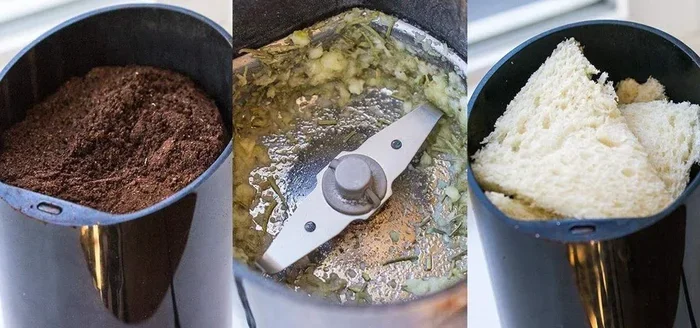
- Rice and bread can help clean grinder parts by absorbing oils
- Stale coffee taste often comes from a dirty grinder, not old beans
- Deep cleaning monthly keeps your grinder running smoothly and extends its life
- Proper storage after cleaning prevents mold and odors from building up
📑 Table of Contents
- Why You Should Wash Your Coffee Grinder
- How Often Should You Wash Your Coffee Grinder
- Step-by-Step Guide to Washing Your Coffee Grinder
- Common Mistakes People Make When Washing Coffee Grinders
- Best Cleaning Tools for Your Coffee Grinder
- How a Clean Grinder Improves Your Coffee
- Final Thoughts on Coffee Grinder Hygiene
Why You Should Wash Your Coffee Grinder
Coffee beans contain natural oils. These oils are what give coffee its rich aroma and complex flavor. But here is the thing most people do not realize. Those oils go rancid over time. They stick to the inside of your grinder. They build up with every use. After a few days, that buildup starts to affect the taste of your fresh grind. Old oils taste bitter and flat. They mask the true character of your beans. This is the number one reason you should wash your coffee grinder on a regular schedule.
Beyond flavor, there are other important reasons to clean your grinder. Bacteria can grow in the warm, moist environment inside a grinder. Coffee residue attracts moisture. That moisture creates the perfect breeding ground for mold. Nobody wants mold in their coffee setup. It is a health concern, not just a taste issue. A clean grinder also grinds more consistently. buildup on the burrs or blades slows them down. This changes the grind size. Uneven grind size leads to uneven extraction. You end up with coffee that is over-extracted in some spots and under-extracted in others. The result is a confusing mix of flavors in every cup.
How Coffee Oils Affect Your Grinder
Coffee contains hundreds of aromatic compounds. Many of these are oil-based. When you grind beans, those oils coat every surface inside the grinder. They coat the burrs, the blades, the hopper, and the collection chamber. Over time, these oils oxidize. Oxidation is a chemical reaction with air. It changes the oils from fragrant to stale. The process happens fast. Within 24 hours of grinding, oils can start to degrade. Within a week, the buildup becomes significant. This is why many coffee experts say you should wash your coffee grinder at least once every two weeks.
Think of it like cooking oil in a pan. If you reuse the same pan without washing it, the old oil builds up. Your next meal tastes like the last one. The same thing happens inside your grinder. Each new batch of beans picks up traces of the last. This cross-contamination is the silent killer of great coffee. It muddies the flavors and dulls the bright notes you paid good money for.
How Often Should You Wash Your Coffee Grinder
The answer depends on how often you use your grinder. A daily coffee drinker needs to clean more often than someone who only brews on weekends. Here is a simple breakdown to follow.
- Daily users: Clean the grinder every 1 to 2 weeks
- Weekly users: Clean once a month
- Occasional users: Clean before and after long periods of storage
These are general guidelines. You might need to clean more often if you grind oily beans like French roasts or flavored coffees. Dark roasts tend to leave more oil residue than light roasts. If you notice a rancid smell or your coffee tastes off, clean the grinder right away. Do not wait for the next scheduled cleaning.
Quick Daily Maintenance
You do not need a full deep clean every time. A few quick habits make a big difference. After each use, knock out the leftover grounds. Brush out the hopper with a dry cloth or small brush. Leave the lid off to let the inside air dry. These simple steps reduce buildup between deeper cleanings. They take less than a minute. Over time, they prevent the need for heavy cleaning sessions.
Step-by-Step Guide to Washing Your Coffee Grinder
Now let us get into the actual cleaning process. The method depends on the type of grinder you have. But the general approach is similar for most machines. Follow these steps to get your grinder sparkling clean.
Step 1: Unplug and Disassemble
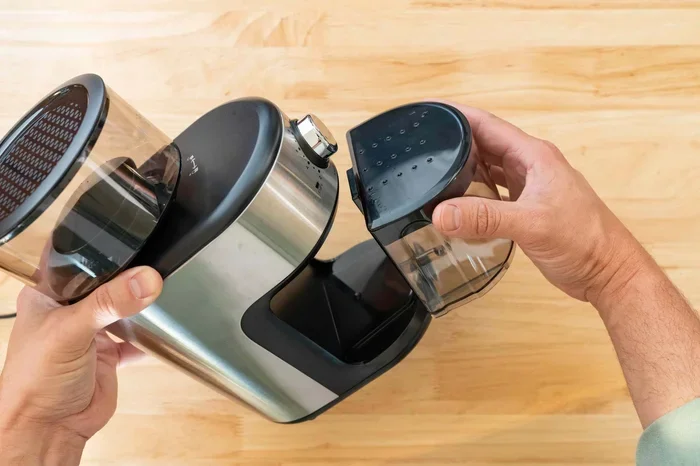
Safety first. Always unplug the grinder before cleaning. Never reach inside while the machine is plugged in. Once it is safe, remove all removable parts. Take off the hopper. Remove the burr set or blade assembly. Take out the grounds container. Check your manual for guidance on which parts come apart. Some parts are dishwasher safe. Others need to be washed by hand. When in doubt, wash by hand with warm water and mild soap.
Step 2: Brush Out Loose Grounds
Use a small brush to remove loose coffee grounds from all surfaces. A dedicated coffee grinder brush works great. A soft toothbrush also does the job. Reach into every crevice. Pay special attention to the burr teeth or blade edges. Grounds love to hide in tight spaces. The more you remove now, the easier the next steps will be.
Step 3: Wash Removable Parts
Wash all removable parts with warm water and mild dish soap. Use a soft cloth or sponge. Do not use abrasive scrubbers. They can scratch the surfaces. Scratches create tiny grooves where oils and bacteria hide. Rinse all parts thoroughly. Soap residue can affect the taste of your coffee. Make sure every part is completely clean before moving on.
Step 4: Dry Everything Completely
This step is critical. Moisture is the enemy of coffee equipment. Let all parts air dry completely before reassembling. You can also pat them dry with a clean towel. Do not reassemble while parts are still damp. Trapped moisture leads to mold and mildew. It also causes rust on metal components. Patience here pays off big time.
Step 5: Reassemble and Run a Test Batch
Once everything is dry, put the grinder back together. Plug it in and run a small batch of cheap or old beans through it. This helps flush out any remaining moisture or soap residue. You can also use uncooked rice for this purpose. Just a small handful runs through the grinder and absorbs any lingering smells. Throw away the rice or test batch. Your grinder is now clean and ready for fresh beans.
Special Note on Wet Cleaning
Some people wonder if they can use water more aggressively. If you are curious about wet grinding methods and whether water can be used inside the grinder, check out our detailed guide on can coffee grinder be used for wet grinding. It covers what works and what does not. This is especially helpful if you want to deep clean stubborn oil buildup.
Common Mistakes People Make When Washing Coffee Grinders
Even well-meaning coffee lovers make mistakes when cleaning their grinders. Here are the most common ones to avoid.
- Using too much water: Many grinders are not fully waterproof. Water can seep into the motor housing and cause damage. Always check your manual first.
- Using harsh chemicals: Bleach and strong detergents leave behind residues. These residues affect coffee flavor. Stick to mild soap and warm water.
- Skipping the drying step: Moisture left inside the grinder leads to mold. Always dry every part thoroughly before reassembling.
- Never cleaning the burrs: The burrs are the heart of your grinder. Oils build up on them just like everywhere else. Clean them carefully and regularly.
- Using the dishwasher without checking: Some burr sets are dishwasher safe. Others are not. The heat and pressure of a dishwasher can warp plastic parts or damage burrs.
Another mistake people make is thinking that cleaning means just shaking out the old grounds. That is not enough. Surface cleaning removes loose particles but does nothing for the oily buildup deep inside the machine. You need to disassemble and wash the parts to truly clean a grinder.
Best Cleaning Tools for Your Coffee Grinder
You do not need a lot of fancy equipment to clean a coffee grinder. A few simple tools make the job much easier and more effective.
- Small brush: A dedicated coffee grinder brush or a clean, dry toothbrush works perfectly for removing loose grounds.
- Soft cloth: Use microfiber cloths or soft cotton rags to wipe down surfaces without scratching them.
- Mild dish soap: A gentle soap cuts through coffee oils without leaving harsh residues behind.
- Compressed air: A can of compressed air blows out grounds from hard-to-reach spots. This is especially useful for burr grinders.
- Rice or bread: Both absorb oils and odors. A handful of dry rice run through the grinder helps clean the inside naturally.
Some coffee enthusiasts also use grinder cleaning tablets. These are specially formulated to dissolve coffee oils. They are easy to use. You just pop one in and run the grinder. They work well for monthly deep cleanings. However, they are not a replacement for regular washing with soap and water. Think of them as a supplement to your normal cleaning routine, not a substitute.
Quick Tips for Keeping Your Grinder Fresh
Here are a few extra tips that make a surprising difference in keeping your grinder fresh between cleanings.
- Store your beans in an airtight container. Less moisture in the beans means less oil buildup in the grinder.
- Grind only what you need for each brew. This reduces the amount of old grounds sitting inside the machine.
- Leave the hopper off when you are not using the grinder. This lets the inside air out and prevents moisture from getting trapped.
- Wipe down the outside of the grinder regularly. Coffee splashes on the exterior can attract dust and grime.
- Replace burrs or blades on schedule. Even with perfect cleaning, these parts wear out over time. Fresh burrs grind better and cleaner.
How a Clean Grinder Improves Your Coffee
Once you start washing your coffee grinder regularly, you will notice a difference right away. The first thing you will taste is clarity. Each coffee origin tastes more distinct. The fruity notes, the chocolate undertones, the bright acidity. All of these come through more clearly when the grinder is clean. There is no interference from old oils or stale residue.
Grind consistency also improves. Clean burrs and blades work more efficiently. They produce a more even particle size. Even extraction happens across all the grounds in your brew. This means a smoother cup with balanced flavor from first sip to last. You might even find that you need less coffee per brew. A clean grinder extracts more flavor from the same amount of beans. Over time, this saves you money on your coffee supply.
The aroma is another thing you will notice immediately. Freshly ground coffee smells incredible. But that smell gets muddied when old oils are present. After a good cleaning, the aroma of your morning grind is vibrant and inviting. It fills the kitchen the way it should. This alone is worth the few minutes it takes to clean the grinder.
If you are also exploring other kitchen appliances and how to care for them, you might find our article on what to do when you get a new oven helpful. It covers the basics of setting up and maintaining new kitchen equipment, which pairs well with proper grinder care habits.
Final Thoughts on Coffee Grinder Hygiene
Washing your coffee grinder is one of the simplest things you can do to improve your daily coffee. It takes just a few minutes every couple of weeks. The payoff is enormous. Better flavor, better aroma, better consistency, and a longer-lasting machine. Do not let old oils and stale grounds steal the quality of your coffee. Make cleaning part of your routine. Your taste buds will thank you every morning.
Think of it this way. You would never brew coffee with a dirty mug. You would never use stale water. So why would you grind fresh beans through a dirty machine? The grinder is the first step in your brewing process. It sets the foundation for everything that follows. Treat it well and it will reward you with better coffee day after day.
If you are curious about other kitchen cleaning questions, you might also enjoy learning about whether you can put tin foil in a convection oven. It is a common kitchen question that many people overlook. Just like grinder care, knowing the right way to handle your kitchen tools makes a big difference in the results you get.
Start today. Take a few minutes to give your grinder a thorough cleaning. Notice the difference in your next cup of coffee. Once you make it a habit, you will never go back to grinding beans through a dirty machine. Clean grinder, great coffee. It really is that simple.
Frequently Asked Questions
Can I wash my coffee grinder with water?
It depends on your grinder type. Most manufacturers recommend against submerging electric grinders in water. However, removable parts like the hopper and grounds container are usually safe to wash with warm water and mild soap. Always check your user manual before using any water on your machine. When in doubt, use a damp cloth on the outside and a dry brush for the inside.
How do I remove coffee oil buildup from my grinder?
Coffee oil buildup responds well to warm soapy water and a good scrubbing with a soft brush. For stubborn oils, run a handful of dry rice through the grinder. The rice acts as a natural abrasive and absorbs the oils. You can also use grinder cleaning tablets designed specifically for this purpose. Clean the burrs or blades carefully, as this is where most oil accumulates.
What happens if I never clean my coffee grinder?
Over time, old coffee oils go rancid and transfer their stale taste to every new batch you grind. Bacteria and mold can also grow in the moist environment inside the grinder. The buildup reduces grind consistency, which leads to uneven extraction and poor-tasting coffee. In extreme cases, the motor can overheat from clogged parts, shortening the life of the machine.
How often should I deep clean my coffee grinder?
A deep clean once a month is ideal for most daily coffee drinkers. This involves disassembling all removable parts, washing them with soap and water, drying them completely, and reassembling. Between deep cleanings, do quick maintenance like brushing out loose grounds and wiping down surfaces after each use.
Can I put my coffee grinder parts in the dishwasher?
Some parts are dishwasher safe, but it depends on the manufacturer. Plastic hoppers and grounds containers usually handle dishwashers fine. However, burrs and blades should typically be washed by hand. The harsh heat and pressure of a dishwasher can damage these precision parts. Always check your grinder manual before putting any part in the dishwasher.
Does cleaning my coffee grinder really make coffee taste better?
Absolutely. A clean grinder removes old oils, stale grounds, and odors that can ruin the flavor of fresh beans. After cleaning, you will notice brighter, clearer flavors in your cup. The aroma is stronger and more pleasant. Many coffee drinkers say the difference is dramatic, especially if they have not cleaned their grinder in a long time.
=== CONCLUSION ===
Should you wash your coffee grinder? The answer is a clear yes. Regular cleaning keeps your coffee fresh, your grinder running smoothly, and your morning cup tasting its absolute best. It is a simple habit that makes a massive difference. Follow the steps in this guide. Clean your grinder every one to two weeks. Use the right tools. Avoid common mistakes. You will taste the difference in every single cup. Do not let a dirty grinder hold you back from the great coffee you deserve. Start your cleaning routine today and enjoy the freshest coffee of your life.