What Is Cone Grind Coffee And Why It Beats Flat Grind
Cone grind coffee uses cone-shaped burrs to crush beans into consistent, flavorful grounds. It beats flat grind in extraction control, flavor clarity, and versatility across brewing methods. This guide covers everything from how cone grinders work to choosing the right one for your kitchen.
Every morning, millions of people reach for their coffee grinder without thinking twice about how it works. But the way your beans get ground has a huge impact on the taste in your cup. Cone grind coffee has become the go-to choice for home brewers and professional baristas alike. If you have ever wondered why your coffee tastes different depending on the grind, the answer starts with the shape of the burrs inside your grinder.
Your kitchen setup matters, from your Instaview oven to your morning coffee grinder. Flat grind and cone grind are the two most common methods, and they produce very different results. Understanding the difference can change the way you brew forever. In this guide, we will break down exactly what cone grind coffee is, how it compares to flat grind, and why so many coffee lovers prefer it.
Key Takeaways
- Cone grind coffee uses a cone-shaped burr to crush beans, creating uniform grounds that extract evenly and taste better.
- Flat grind produces more inconsistent particle sizes, which can lead to over- or under-extraction in your cup.
- Cone burr grinders generate less heat during grinding, preserving the natural aroma and flavor of your beans.
- Grind size adjustability is easier with cone grinders, making them suitable for pour over, French press, and espresso.
- Regular maintenance keeps your grinder performing at its best and extends its lifespan significantly.
- Cone grind consistency gives you a cleaner, more distinct flavor profile compared to flat grind methods.
📑 Table of Contents
What Is Cone Grind Coffee?
How Cone Grinders Work
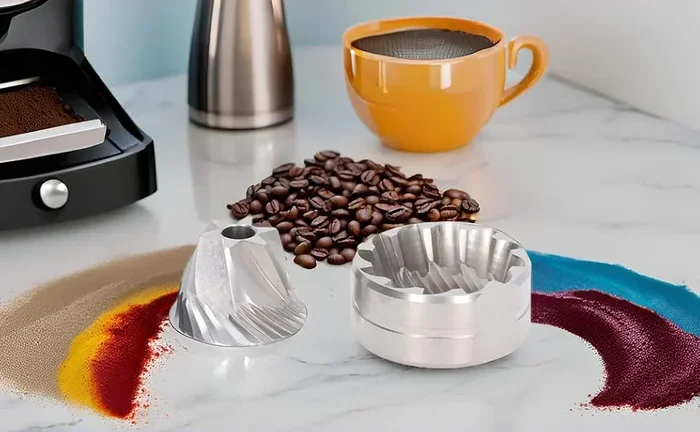
A cone grinder uses a cone-shaped burr that sits inside a ring-shaped burr. The beans drop into the center and get crushed as they move downward through the narrowing gap. This design creates a steady, controlled grinding action that produces uniform particle sizes.
The cone shape pulls beans inward using gravity, which means the grinder does not need to work as hard. Less effort means less heat buildup, which is a big deal for preserving the delicate oils and flavors in your beans. The grind size stays consistent from start to finish, giving you reliable results every time you brew.
The Shape That Makes All The Difference
The cone shape is not just a design choice. It actually affects how the beans break apart. When beans pass through a cone burr, they get crushed between the inner cone and the outer ring. This creates a more predictable grind consistency compared to other methods.
Think of it like crushing cookies. A cone shape funnels everything toward the center, giving you more control over the final texture. With flat grinders, the beans get pushed between two flat surfaces, which can create a wider range of particle sizes. The difference in how the coffee bean breaks apart directly affects the flavor in your final cup.
Cone Grind vs Flat Grind: The Key Differences
Grinding Mechanics
The main difference comes down to how the burrs interact with the beans. In a cone grinder, the inner cone rotates inside a stationary outer ring. Beans fall in from the top and get ground as they travel downward through the burr grinder mechanism.
In a flat grinder, two flat burrs spin against each other. Beans enter from the center and get pushed outward to the edges. Both methods use burrs, but the geometry creates very different grinding experiences.
Cone grinders tend to be quieter and produce less heat. Flat grinders can generate more friction, which may affect the temperature of your grounds. For most home brewers, the cone design offers a smoother and more consistent experience. Here is a quick comparison:
- Cone burr: Beans move downward through gravity, creating a slower and cooler grinding process.
- Flat burr: Beans move outward through centrifugal force, creating a faster and hotter grinding process.
- Noise level: Cone grinders are generally quieter than flat grinders during operation.
- Speed: Flat grinders spin faster, which can generate more heat and friction.
Particle Size And Consistency
One of the biggest advantages of cone grind coffee is the consistency of the grounds. When particles are more uniform, they extract at the same rate. This leads to a cleaner, more balanced cup of coffee.
Flat grinders can produce a wider range of particle sizes. Some particles may be very fine while others remain coarse. This inconsistency can cause over-extraction of fine particles and under-extraction of coarse ones. The result is often a cup that tastes bitter or sour at the same time.
If you want a reliable and predictable brew every time, cone grind consistency is hard to beat. The even particle distribution means every sip delivers the same rich flavor and aroma.
Heat And Friction During Grinding
Heat is the enemy of good coffee. When beans get too hot during grinding, the volatile oils that create flavor and aroma start to evaporate. Cone grinders are known for generating less heat because of their slower rotational speed and gravity-fed design.
Flat grinders spin faster and create more friction. This can raise the temperature of your grounds significantly. Some baristas even let flat-ground coffee rest before brewing to let the heat dissipate. With a cone grinder, you can often brew right away without worrying about heat damage to your coffee grounds.
Why Cone Grind Coffee Delivers Better Flavor
Superior Extraction Control
Extraction is the process of pulling flavors from coffee grounds into water. The goal is to extract the right amount of compounds without pulling out too many bitter elements. Cone grind coffee gives you more control over this process because of the uniform particle size.
When all your grounds are roughly the same size, water flows through them evenly. This means every part of the coffee gets extracted at a similar rate. You end up with a cup that is sweet, balanced, and full of complexity.
With inconsistent grind sizes, water finds easy paths through the coarse particles and hard paths through the fine ones. Some parts get over-extracted while others remain under-extracted. The result is a muddled flavor that lacks clarity. The coffee extraction rate is much easier to manage with a cone grinder.
Cleaner Flavor Profile
Because cone grinders produce more uniform grounds, the flavors in your cup tend to be cleaner and more distinct. You can taste the origin notes, the roast characteristics, and the subtle undertones that make each coffee unique.
Many coffee professionals prefer cone grinders for tasting and cupping because the clarity of flavor is unmatched. If you are serious about enjoying the full spectrum of what your beans have to offer, cone grind coffee is the way to go. The coffee aroma stays intact when the grind is consistent and the heat is low.
Works With Multiple Brewing Methods
One of the best things about cone grind coffee is its versatility. Whether you make pour over coffee, use a French press, or brew with an espresso machine, cone grounds adapt beautifully.
The key is adjusting the grind size to match your method. A coarse cone grind works great for French press, while a finer cone grind suits espresso. Because the particles are more uniform, each brewing method can extract the best possible flavor from the grounds.
This flexibility makes cone grinders a smart investment for anyone who enjoys more than one brewing method. You get one grinder that handles many styles with ease.
Best Brewing Methods For Cone Grind Coffee
Pour Over And Drip Coffee
Pour over coffee and drip coffee makers both benefit from cone grind coffee. The uniform particle size allows water to flow through the grounds at a steady rate, extracting flavors evenly.
For pour over, start with a medium-coarse grind. Let the water bloom the grounds for about 30 seconds, then pour slowly in circles. The result is a clean, bright cup that highlights the coffee’s natural sweetness.
If you use a drip coffee maker, a medium grind works best. The cone shape ensures that water contacts all the grounds evenly, giving you a consistent brew pot after pot. The even extraction brings out the full coffee flavor without any bitter or sour notes.
French Press And Immersion Brewing
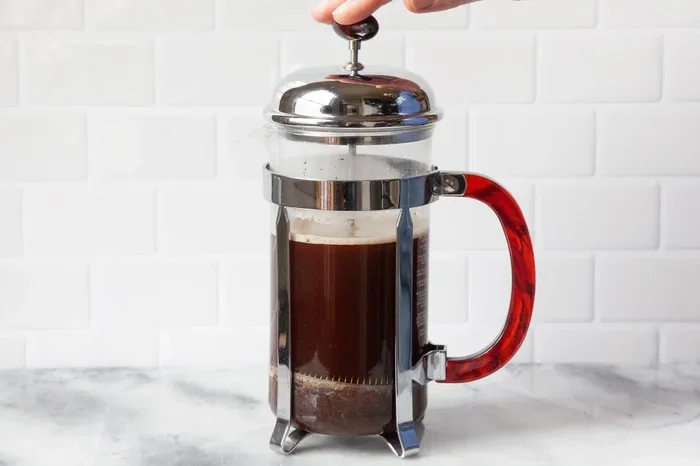
French press lovers should use a coarse cone grind. The large particles prevent fine grounds from passing through the metal filter, giving you a clean and full-bodied cup.
With immersion brewing, the coffee sits in water for several minutes. Cone grind consistency ensures that extraction happens evenly throughout the steeping time. You get a rich, robust cup without the grittiness that inconsistent grinds can cause.
Let the French press sit for four minutes, then press slowly. Enjoy the deep, smooth flavors that cone grinding makes possible. The coffee particle size matters just as much for immersion methods as it does for pour over.
Espresso And Moka Pot
Espresso requires a fine grind, and cone grinders excel here. The consistent particle size creates the right resistance for water to push through, producing a rich crema and full flavor.
Moka pots also work well with a fine to medium-fine cone grind. The pressurized brewing process extracts bold flavors that stand up to milk and sugar.
If you are new to espresso, start with a slightly coarser fine grind and adjust from there. Cone grinders make it easy to dial in the perfect setting for your machine. The grind adjustment mechanism on most cone grinders lets you fine-tune with precision.
How To Choose The Right Coffee Grinder
Burr Grinder vs Blade Grinder
When choosing a grinder, you will encounter two main types: burr grinders and blade grinders. Blade grinders use spinning blades to chop beans into pieces. They are cheap and fast, but they produce very inconsistent grounds.
Burr grinders, including cone and flat models, crush beans between two surfaces. This creates a much more uniform particle size. For the best cup of coffee, a burr grinder is the clear winner.
If you want to explore grinding beyond dry beans, you might wonder if your coffee grinder can handle wet grinding. Most burr grinders are designed for dry beans, so check your model before trying anything wet.
What To Look For In A Cone Grinder
Not all cone grinders are created equal. Here are the features that matter most:
- Grind size adjustment: Look for a grinder with a wide range of settings. This lets you go from coarse French press to fine espresso without buying a new grinder.
- Burr material: Ceramic or stainless steel burrs last longer and stay cooler than cheaper alternatives.
- Motor power: A strong motor grinds faster and more evenly, reducing heat buildup during the grinding process.
- Capacity: Consider how much coffee you brew at once. Larger hoppers are great for families or when entertaining guests.
- Noise level: Cone grinders tend to be quieter than flat grinders, which is a nice bonus for early morning brewing.
- Ease of cleaning: Removable burrs and hoppers make deep cleaning simple and fast.
Maintaining Your Coffee Grinder For Best Performance
Cleaning And Decalcification Tips
Keeping your grinder clean is essential for great-tasting coffee. Old coffee oils can build up inside the burrs and turn rancid over time. This affects the flavor of every cup you brew.
Regular cleaning removes stale oils and residue. Most burr grinders come with a cleaning brush. Use it after every few loads to keep the burrs free of stuck grounds.
Just like you need to decalcify your Keurig coffee maker to keep it running well, your grinder benefits from periodic deep cleaning. Run a grind of raw rice through the burrs to absorb oils, then brush out the residue.
For machines with removable parts, wash the burrs and hopper with warm soapy water every few weeks. Let everything dry completely before reassembling. Clean equipment means better-tasting coffee grounds and a longer-lasting machine.
Common Mistakes To Avoid
Even the best grinder can produce bad results if you make these common mistakes.
First, do not grind too far in advance. Coffee starts losing flavor within minutes of grinding. Grind just before brewing for the freshest taste possible.
Second, do not ignore grind size adjustments. Different brewing methods need different grind sizes. If you switch from pour over to French press, adjust your grinder accordingly.
Third, do not overload the hopper. Adding too many beans at once can cause uneven grinding and strain the motor.
Fourth, do not skip maintenance. A dirty grinder produces stale, rancid coffee. Clean your grinder regularly to keep it performing at its best.
Conclusion
Cone grind coffee offers clear advantages over flat grind in terms of consistency, flavor, and versatility. The cone-shaped burr design creates uniform particles that extract evenly, giving you a cleaner and more balanced cup every time.
Whether you brew pour over, French press, or espresso, a cone grinder adapts to your needs with ease. The better grind means better extraction, and better extraction means better coffee on your table.
If you are serious about your morning ritual, investing in a quality cone burr grinder is one of the best decisions you can make. Your taste buds will thank you. Start exploring cone grind coffee options today and discover what great coffee really tastes like.
Frequently Asked Questions
What makes cone grind different from flat grind?
Cone grind uses a cone-shaped burr that crushes beans as they move downward through gravity. Flat grind uses two flat burrs that spin against each other, pushing beans outward. The cone design creates more uniform particle sizes and less heat, which preserves flavor better.
Can I use cone grind coffee in a drip coffee maker?
Yes, cone grind coffee works great in drip coffee makers. Use a medium grind size for the best results. The even particle size ensures that water extracts flavors consistently, giving you a balanced and flavorful pot of coffee every time.
Is a cone burr grinder better than a blade grinder?
Absolutely. Burr grinders crush beans between surfaces to create uniform grounds, while blade grinders chop beans unevenly. Cone burr grinders offer better control over grind size and produce a much cleaner, more consistent flavor profile in your cup.
How often should I clean my cone grinder?
You should brush your grinder after every few uses to remove stuck grounds and oils. A deeper clean with removable parts should happen every few weeks. Running raw rice through the burrs once a month helps absorb built-up oils and keeps your grinder fresh.
Does cone grind coffee work for espresso?
Yes, cone grind coffee works excellently for espresso. The consistent particle size creates the right resistance for water to push through the grounds, producing a rich crema and full flavor. Start with a fine grind and adjust slightly until you get the perfect extraction.
Why does grind size matter so much for coffee flavor?
Grind size affects how water interacts with the coffee grounds. Too fine and the coffee becomes over-extracted and bitter. Too coarse and it becomes under-extracted and sour. Cone grinders give you the control to find the sweet spot, unlocking the best possible flavor from your beans.