How To Make The Best Turkey In The Oven Every Year
Making the best turkey in the oven is easier than you think. This guide walks you through every step, from prep and brining to roasting and resting. You will learn the exact temperature, timing, and seasoning tricks that guarantee a juicy, flavorful turkey every year. Whether it is Thanksgiving or a weekend dinner, these methods work every time.
There is something magical about a perfectly roasted turkey in the oven. The aroma fills the entire house, the skin turns golden brown, and every slice is juicy and full of flavor. Whether you are preparing for Thanksgiving or a cozy Sunday dinner, mastering this dish is a game changer.
For years, people have feared cooking a whole turkey. It seems intimidating. But the truth is, making the best turkey in the oven comes down to a few simple principles. Once you understand those, you will never go back to dry, boring bird again.
This guide covers everything you need to know. We will talk about brining, seasoning, oven temperature, cooking time, and all the little tricks that make the difference. By the end, you will feel confident enough to roast a show-stopping turkey any time of year.
Key Takeaways
- Brine your turkey overnight for maximum juiciness and flavor penetration.
- Roast at 325°F for even cooking and crispy skin without drying out.
- Use herb butter under the skin to keep the breast meat moist and tender.
- Let the turkey rest for 30 minutes before carving to lock in juices.
- Dry the skin thoroughly before roasting for the crispiest results.
- Use a meat thermometer to avoid overcooking and ensure food safety.
- Save the drippings for gravy and extra flavor in your meal.
📑 Table of Contents
- Why Oven-Roasted Turkey Is The Best Choice
- How To Prep Your Turkey The Right Way
- The Best Turkey Recipe For Oven Roasting
- Tips For Crispy Skin And Juicy Meat
- Common Mistakes To Avoid
- Expert Insights On Perfecting Your Turkey
- Serving And Storing Your Turkey
- Quick Tips For A Perfect Turkey Every Year
- Conclusion
Why Oven-Roasted Turkey Is The Best Choice
When it comes to cooking turkey, the oven is your best friend. It gives you even heat, crispy skin, and tender meat all at the same time. There is something about oven-roasted turkey that just cannot be replicated on a stovetop or in a slow cooker.
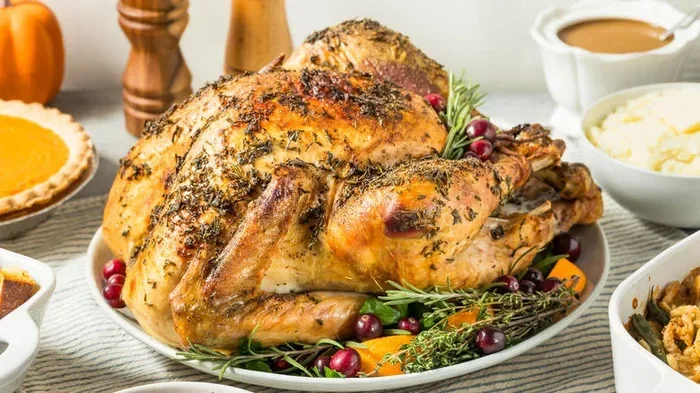
A whole turkey roasted in the oven also looks impressive. It is the centerpiece of any holiday table. And the good news is, once you nail the basics, the process becomes second nature.
The Magic Of Slow Roasting
Slow roasting is the secret to the best turkey in the oven. Cooking at a moderate temperature of 325°F allows the meat to cook evenly from edge to center. This low-and-slow approach prevents the outer skin from burning while the inside stays perfectly moist.
When you rush the process with high heat, the outside overcooks before the inside is done. That leads to dry breast meat and uneven results. Patience is your greatest tool here. Give your turkey the time it needs, and it will reward you.
Oven Temperature Matters More Than You Think
Consistent oven temperature is critical for turkey roasting. Fluctuating heat can cause uneven cooking, which leads to dry spots and undercooked areas. Most ovens have hot spots, so consider rotating your turkey halfway through the cook time.
For a standard whole turkey, 325°F is the sweet spot recommended by most chefs and food safety experts. If you are using a convection oven, drop the temperature by about 25°F. The fan circulates the heat more efficiently, so your bird cooks faster and more evenly.
How To Prep Your Turkey The Right Way
Proper prep is the foundation of every great roast. Skipping steps here leads to disappointing results later. Take your time with this phase, and everything that follows will go smoothly.
Brining For Juiciness
Brining is the single best thing you can do for your turkey. A brine is a saltwater solution that the turkey soaks in for several hours or overnight. The salt penetrates the meat and helps it retain moisture during cooking.
To make a basic brine, dissolve one cup of kosher salt in one gallon of water. You can also add sugar, bay leaves, peppercorns, and herbs like thyme and rosemary. Submerge your turkey completely and refrigerate for 12 to 24 hours.
If you do not have time to brine, a dry brine works too. Simply rub the turkey generously with salt and let it sit uncovered in the fridge overnight. Both methods produce noticeably juicier results compared to skipping brining entirely.
Seasoning And Herb Butter
Seasoning is where you get to get creative. A simple blend of salt, black pepper, garlic powder, and paprika works beautifully as a base. But the real magic happens when you make herb butter.
Mix softened butter with minced garlic, chopped fresh rosemary, thyme, and a pinch of sage. Gently lift the skin away from the breast meat and spread the herb butter directly on the meat. Then rub the remaining butter all over the outside of the bird. This technique keeps the breast incredibly moist and adds deep, rich flavor throughout.
The Best Turkey Recipe For Oven Roasting
Here is a straightforward, step-by-step recipe that delivers outstanding results every time. Follow these steps closely, and you will have the best turkey in the oven on your first try.
Step-By-Step Instructions
Step 1: Thaw your turkey. If your turkey is frozen, allow enough time to thaw it completely in the refrigerator. Plan for about 24 hours per four to five pounds of turkey. Never thaw at room temperature, as this creates a food safety risk.
Step 2: Pat it dry. Remove the turkey from the brine and rinse it under cold water. Then use paper towels to thoroughly dry the skin inside and out. Dry skin is the key to crispy, golden-brown results.
Step 3: Apply herb butter. Prepare your herb butter and spread it under the skin and over the surface of the turkey. Do not skip this step. The butter bastes the meat from the inside out as it melts during cooking.
Step 4: Stuff the cavity. Fill the turkey cavity with aromatics like onion quarters, lemon halves, garlic cloves, and fresh herbs. This infuses the meat with subtle flavor from the inside and helps steam the bird as it roasts.
Step 5: Tie the legs. Use kitchen twine to tie the legs together snugly. This helps the turkey cook evenly and gives it a neat, attractive shape.
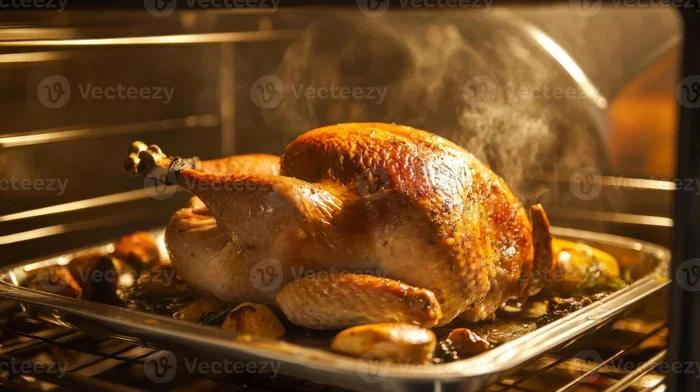
Step 6: Roast at 325°F. Place the turkey breast-side up on a rack in a roasting pan. Put it in the oven and let it cook undisturbed. A whole turkey typically takes about 13 to 15 minutes per pound at 325°F.
Step 7: Baste every 45 minutes. Open the oven and spoon the pan juices over the turkey every 45 minutes. This keeps the skin moist and promotes even browning.
Step 8: Check the temperature. Use a meat thermometer inserted into the thickest part of the thigh, avoiding the bone. The internal temperature should reach 165°F for safe eating.
Step 9: Rest before carving. Remove the turkey from the oven and let it sit for at least 30 minutes before cutting. This is one of the most important steps, and we will talk more about why in a moment.
Turkey Cooking Time And Temperature Guide
Understanding turkey cooking time and temperature helps you plan your meal with confidence. Here is a simple reference guide for a standard whole turkey at 325°F:
- 8 to 12 pounds: 2.5 to 3 hours
- 12 to 16 pounds: 3 to 4 hours
- 16 to 20 pounds: 4 to 4.5 hours
- 20 to 24 pounds: 4.5 to 5 hours
These times are approximate. Always rely on your meat thermometer rather than the clock. Every oven is different, and the actual turkey cooking time can vary based on the shape of the bird and how cold it was when it went into the oven.
Tips For Crispy Skin And Juicy Meat
The difference between a good turkey and an amazing turkey often comes down to two things: crispy skin and juicy meat. These tips will help you nail both every single time.
Drying The Skin
After brining and rinsing your turkey, place it uncovered in the refrigerator for several hours or overnight. This air-drying step removes moisture from the surface of the skin. Less moisture on the skin means crispier results in the oven. It is a simple trick that makes a huge difference.
You can also rub the skin lightly with a thin layer of baking powder mixed with salt. The baking powder raises the skin’s pH, which helps it crisp up faster. Just make sure you do not confuse baking powder with baking soda, as they behave differently.
Basting Techniques
Basting is not just about adding flavor. It also helps regulate the temperature of the skin, preventing it from drying out too quickly. Use a large spoon or baster to collect the juices from the bottom of the pan and pour them over the top of the turkey.
Some cooks skip basting to avoid opening the oven door and losing heat. If you choose to skip it, make sure your herb butter is generous. The butter does a lot of the work that basting would otherwise handle.
Using A Roasting Rack
Always use a roasting rack. It lifts the turkey off the bottom of the pan and allows hot air to circulate around the entire bird. Without a rack, the bottom of the turkey sits in its own juices and steams instead of roasting. This leads to soggy skin and uneven cooking.
If you do not have a roasting rack, you can create a foil sling or use chopped vegetables like onions and carrots as a bed. These also add flavor to your turkey drippings, which are perfect for making gravy.
Common Mistakes To Avoid
Even experienced cooks make mistakes when roasting a whole turkey. Here are the most common ones and how to avoid them.
Overcooking The Turkey
Overcooking is the number one enemy of a great turkey. It turns juicy meat into dry, stringy disappointment. The problem often starts with relying on time alone instead of a meat thermometer.
Remove your turkey from the oven when the thigh reaches 165°F and the breast reaches about 160°F. The temperature will continue to rise during the resting period. This carryover cooking brings the breast up to the perfect 165°F without overcooking it.
Skipping The Rest
Cutting into your turkey right after it comes out of the oven is tempting. But you will lose a significant amount of juice onto the cutting board instead of keeping it in the meat. Resting allows the juices to redistribute throughout the turkey.
Cover the turkey loosely with aluminum foil and let it rest for at least 30 minutes. For a larger bird, give it 45 minutes to an hour. You will notice the difference immediately when you carve the first slice.
Not Accounting For Oven Hot Spots
Most home ovens have uneven heat distribution. The back of the oven is often hotter than the front, and the top element can create hot zones at the top. To combat this, rotate your turkey 180 degrees halfway through the cooking time.
If you notice one side browning faster than the other, you can tent the faster side loosely with foil. This simple adjustment ensures even color and cooking throughout the bird.
Expert Insights On Perfecting Your Turkey
Professional chefs and cooking instructors share a few insights that separate a good turkey from a great one.
Start at a higher temperature, then lower it. Some cooks like to start the turkey at 425°F for the first 30 minutes to kickstart the browning process. Then they reduce the heat to 325°F for the remainder of the cook. This method gives you a beautifully golden crust without overcooking the meat.
Butter vs. oil for the skin. Both work, but butter adds more flavor. If you want extra crispiness, brush the skin with a mix of melted butter and a small amount of oil. The oil helps the skin crisp up faster, while the butter adds richness and flavor.
Do not overcrowd the pan. If you are roasting vegetables alongside your turkey, make sure they are spread out and not piled up. Overcrowding creates steam, which prevents the skin from crisping and can make your vegetables soggy.
Serving And Storing Your Turkey
Once your turkey is rested and carved, the work is not quite done. How you serve and store it affects the quality of every remaining bite.
How Long To Let Turkey Rest
The resting period is non-negotiable. During cooking, the heat pushes the juices toward the center of the bird. When you let the turkey rest, the temperature equalizes, and the juices relax back into the meat fibers. This is what makes each slice succulent and flavorful.
A minimum of 30 minutes is ideal for turkeys under 16 pounds. For larger birds, extend the rest time to 45 minutes or more. Tent the turkey with foil loosely so the skin does not steam and lose its crispiness.
Leftover Turkey Ideas
Turkey leftovers are one of the best parts of the whole experience. Here are some easy ideas to use up every last bit:
- Turkey sandwiches: Layer sliced turkey with cranberry sauce, stuffing, and mayo on fresh bread.
- Turkey soup: Simmer the carcass with vegetables and noodles for a rich, homemade broth.
- Turkey fried rice: Toss leftover turkey with rice, vegetables, soy sauce, and eggs for a quick weeknight meal.
- Turkey enchiladas: Shred the meat and roll it in tortillas with cheese and salsa for a fun twist.
- Turkey salad: Mix chopped turkey with Greek yogurt, celery, and grapes for a light, refreshing lunch.
Store leftover turkey in an airtight container in the refrigerator within two hours of cooking. It will keep for up to four days. For longer storage, freeze the meat in portions and use it within three months for the best quality.
Quick Tips For A Perfect Turkey Every Year
Keep these quick tips handy when you are preparing your next roast:
- Always use a meat thermometer. It is the most reliable way to know your turkey is done.
- Bring the turkey to room temperature before roasting. Take it out of the fridge 30 to 60 minutes before it goes in the oven.
- Do not skip the brine. Even a quick dry brine makes a noticeable difference in moisture and flavor.
- Save your turkey drippings. They are the base for the best gravy you will ever taste.
- Let the turkey rest. Seriously, do not cut into it too early.
- Season generously. Turkey meat has a mild flavor that benefits from bold seasoning.
- Keep the skin dry before roasting. Moisture is the enemy of crispy skin.
Conclusion
Making the best turkey in the oven does not require advanced cooking skills. It requires patience, a little preparation, and a willingness to follow a few proven steps. From brining and seasoning to roasting and resting, each stage plays an important role in the final result.
Once you master the basics, you can experiment with different seasonings, stuffing ideas, and roasting techniques. The beauty of oven-roasted turkey is that it is endlessly customizable while still delivering consistent, reliable results.
So the next time you are planning a holiday meal or simply craving a hearty roast, remember these tips. Your turkey in the oven will be juicy, flavorful, and beautifully golden brown. Your family and guests will ask for this recipe every year, and you will be happy to deliver it again and again.
The best part is, once you see how easy and rewarding it is, you will look forward to turkey season all year round. Happy roasting!
Frequently Asked Questions
How long does it take to cook a turkey in the oven?
A whole turkey generally takes about 13 to 15 minutes per pound at 325°F. So an average 12-pound turkey will take roughly 3 to 4 hours. Always use a meat thermometer to confirm doneness rather than relying solely on time.
Should I cover my turkey with foil while roasting?
Most of the time, you do not need to cover your turkey. Leaving it uncovered allows the skin to crisp up and brown evenly. However, if the skin is browning too quickly, you can loosely tent the breast area with foil during the last hour of cooking.
What is the best temperature to cook a turkey in the oven?
325°F is the recommended temperature for roasting a whole turkey. This moderate heat cooks the bird evenly and gives you plenty of time for the skin to crisp without burning. If using a convection oven, reduce the temperature to 300°F or 325°F.
Do I need to brine my turkey before roasting?
Brining is not strictly required, but it makes a significant difference in juiciness and flavor. A wet brine or dry brine helps the turkey retain moisture during the long roasting process. If you are short on time, even a quick dry brine the night before will improve your results.
How do I know when my turkey is done?
The turkey is done when the internal temperature reaches 165°F in the thickest part of the thigh, away from the bone. The juices should run clear when you pierce the thickest part of the leg. A reliable meat thermometer is the best tool for checking doneness.
Can I roast a turkey overnight for a Thanksgiving morning meal?
Yes, some cooks prefer a low overnight roast at around 200°F to 250°F. This method takes much longer but produces incredibly tender meat. If you try this approach, make sure the internal temperature reaches at least 165°F in the thigh before serving. Food safety should always come first.
=== CONCLUSION ===
Roasting the best turkey in the oven is a skill anyone can learn. With the right preparation, temperature, and timing, you will consistently produce a juicy, flavorful bird that becomes the highlight of every meal. Start with brining, invest in a good meat thermometer, and never rush the resting period. These simple habits transform an ordinary turkey into something extraordinary. Now go ahead and fire up your oven, and make this year’s turkey the best one yet!