Can Coffee Machine Make You Sick
Yes, a coffee machine can make you sick if it is not cleaned regularly. Mold, bacteria, and mineral buildup can grow inside your machine and end up in every cup you brew. Keeping your coffee maker clean and using fresh water are the best ways to protect your health.
You probably trust your coffee machine every morning. It gives you that warm cup of energy you need to start the day. But have you ever stopped to think about what might be lurking inside? The truth is, a dirty coffee machine can actually make you sick. Bacteria, mold, and mineral buildup can collect in parts you never even think about. This guide breaks down exactly how that happens and what you can do about it.
Many people don’t realize that their daily coffee habit could be affecting their health in unexpected ways. From the water reservoir to the coffee grounds basket, every part of the machine needs attention. Coffee machine hygiene is not something most of us think about until something goes wrong. Let’s dive into the real risks, the warning signs, and the easy steps you can take to stay safe.
Key Takeaways
- Dirty coffee machines harbor harmful bacteria and mold that can cause stomach issues and respiratory problems.
- Mineral buildup from hard water reduces coffee quality and can affect the taste and safety of your brew.
- Regular descaling and deep cleaning prevent illness and extend the life of your machine.
- Signs your coffee machine is making you sick include unusual odors, visible mold, and off-tasting coffee.
- Simple weekly maintenance habits like rinsing parts and wiping down surfaces go a long way.
- Using filtered water and fresh beans reduces contaminants and improves overall coffee hygiene.
- Knowing when to replace your machine is just as important as cleaning it regularly.
📑 Table of Contents
- Can a Coffee Machine Actually Make You Sick?
- Common Health Risks from a Dirty Coffee Machine
- Warning Signs Your Coffee Machine Is Making You Sick
- How to Prevent Illness from Your Coffee Machine
- Coffee Machine Cleaning Schedule
- Does the Type of Coffee Machine Matter?
- Quick Tips for a Healthier Coffee Machine
- Common Mistakes That Lead to Coffee Machine Illness
- When to See a Doctor
- Final Thoughts
Can a Coffee Machine Actually Make You Sick?
The short answer is yes. A coffee machine that is not cleaned properly can become a breeding ground for harmful organisms. The warm, moist environment inside the machine is perfect for bacteria and mold to grow. Every time you brew a pot, residues build up on internal surfaces. Over time, these residues turn into a health hazard.
Studies have found that coffee makers can harbor all kinds of germs. Some of these include yeast, mold, and even E. coli. The coffee maker parts that stay wet between uses are the worst offenders. The water reservoir, the drip tray, and the coffee basket are common spots for coffee machine bacteria buildup. If you drink coffee from a contaminated machine, you may experience stomach cramps, nausea, or diarrhea.
How Bacteria and Mold Grow Inside Coffee Machines
Here is how the problem develops. After you brew coffee, moisture stays inside the machine. Warmth from the heating element creates the perfect conditions for germs to multiply. Coffee oils also coat the internal parts. These oils mix with leftover coffee grounds and create a sticky film. Over days and weeks, this film becomes a home for bacteria and mold.
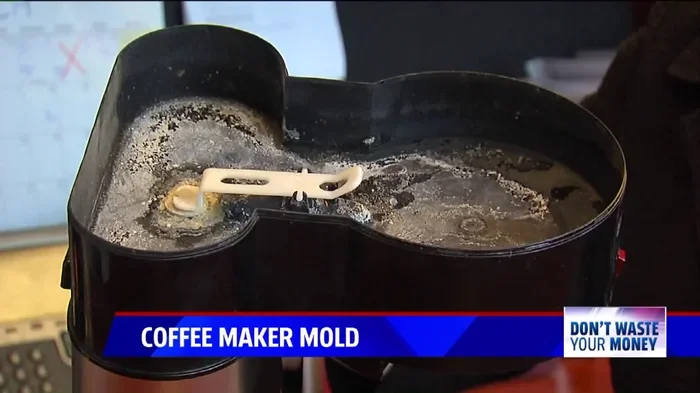
The coffee machine mold symptoms you might notice include a sour smell, a film on the surface of your coffee, or a change in taste. Some molds produce mycotoxins, which are harmful substances that can cause real health issues. Even small amounts of these toxins can affect people who are sensitive or have weak immune systems.
Common Health Risks from a Dirty Coffee Machine
Not all health problems from a dirty coffee machine are the same. The risks depend on what kind of germs or buildup are present. Here are the most common health issues people face.
Stomach and Digestive Problems
The most immediate effect of drinking coffee from a dirty machine is an upset stomach. Bacteria like E. coli and salmonella can cause food poisoning symptoms. These include vomiting, stomach pain, and frequent trips to the bathroom. If you notice these symptoms after drinking coffee, your machine might be the cause.
Respiratory Issues from Mold
Mold inside a coffee machine does not just affect your stomach. It can also affect your lungs. When mold spores become airborne, they can be inhaled while you brew your coffee. This is especially risky for people with asthma or allergies. Mold exposure symptoms include coughing, sneezing, wheezing, and throat irritation.
Skin and Eye Irritation
Some people develop skin rashes or eye irritation from handling a dirty coffee machine. The mold and bacteria can transfer to your hands and then to your face. This is why it is important to wash your hands after cleaning your machine or touching used coffee grounds.
Warning Signs Your Coffee Machine Is Making You Sick
Your coffee machine will often give you clues when something is wrong. Paying attention to these signs can help you catch problems early. Here are the most common warning signals.
Unusual Odors
A clean coffee machine should smell like fresh coffee. If you notice a musty, sour, or metallic smell, something is off. A bad odor usually means mold or bacteria is growing inside. This is one of the earliest and most obvious coffee maker odor causes. Do not ignore a strange smell. Clean the machine thoroughly before brewing your next cup.
Changes in Coffee Taste
Has your coffee started tasting bitter, metallic, or just plain wrong? Mineral buildup and old coffee oils can change the flavor of your brew. If the taste does not improve even after using fresh beans, the problem might be the machine itself. Off-tasting coffee is a clear sign that your machine needs a deep clean.
Visible Mold or Residue
Check the water reservoir, the drip tray, and the coffee basket. If you see any dark spots, fuzzy growth, or sticky residue, you have a mold problem. Visible mold is a serious health concern. At this point, you should clean the machine immediately and consider whether it needs to be replaced.
Slow Brewing or Unusual Noises
Mineral buildup can clog the internal pipes of your machine. This causes slow brewing times and gurgling noises. A machine that struggles to brew is not just making bad coffee. It is also not heating water to the right temperature. Water that does not reach a hot enough temperature may not kill harmful bacteria effectively.
How to Prevent Illness from Your Coffee Machine
The good news is that preventing sickness from your coffee machine is not difficult. A few simple habits can make a huge difference. Here is what you need to do.
Clean Your Machine After Every Use
Get into the habit of rinsing all removable parts after each brew cycle. This includes the carafe, the filter basket, and the lid. Leftover coffee grounds and oils start to build up quickly. A quick rinse prevents them from turning into a health hazard. Wash these parts with warm soapy water and dry them completely before reassembling.
Deep Clean Weekly
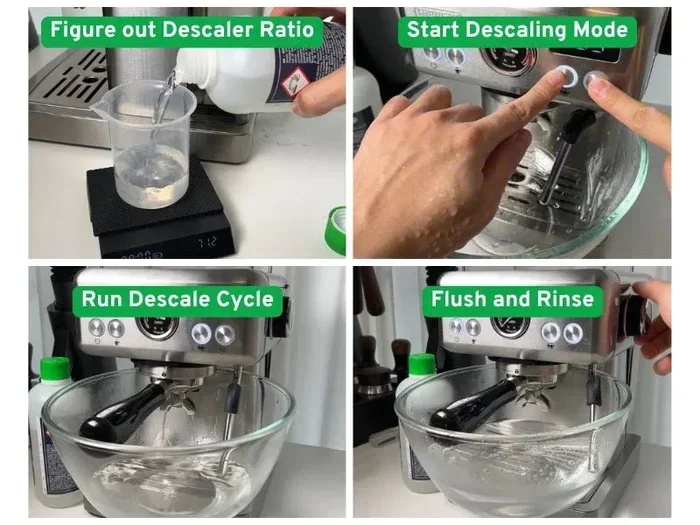
A quick rinse is not enough on its own. You should do a deeper cleaning at least once a week. Run a cycle with equal parts white vinegar and water. This helps dissolve mineral deposits and kills bacteria. After the vinegar cycle, run two to three cycles with plain water to rinse out any remaining taste.
If you own a Keurig or single-serve machine, you should also decalcify your machine regularly. Descaling removes calcium and lime buildup that vinegar alone may not fully address. Most manufacturers recommend descaling every three to six months depending on how often you use the machine.
Use Filtered Water
The water you put into your machine matters a lot. Tap water contains minerals and chlorine that can build up inside the machine. Using filtered water reduces mineral buildup and keeps your coffee tasting better. It also means fewer deposits for bacteria to cling to inside the water reservoir.
Leave the Lid Open After Brewing
Moisture is the enemy of a clean coffee machine. After you finish brewing, leave the lid off and let all the parts air dry. This prevents the damp environment that mold and bacteria love. A simple habit like this can dramatically reduce germ growth between uses.
Replace Old Parts and Machines
No matter how well you clean, coffee machines have a lifespan. Rubber seals, water filters, and internal tubing wear out over time. Old parts can harbor bacteria that cleaning cannot reach. Most coffee machines should be replaced every five years or so. If your machine is older and hard to clean, it might be time for a new one.
Wipe Down the Exterior Regularly
Do not forget the outside of your machine. The surface collects coffee splashes, dust, and fingerprints. Wipe it down with a damp cloth at least a few times a week. This keeps the area around your machine hygienic and prevents germs from spreading to your hands when you operate it.
Coffee Machine Cleaning Schedule
Keeping track of cleaning tasks can feel overwhelming at first. But once you set up a routine, it becomes second nature. Here is a simple schedule you can follow.
Daily Tasks
- Rinse the carafe and filter basket after every use
- Wipe down the exterior with a damp cloth
- Empty the drip tray and coffee grounds
- Leave the lid off to let the machine air dry
Weekly Tasks
- Run a vinegar and water cleaning cycle
- Wash all removable parts with warm soapy water
- Clean the water reservoir with a soft brush
- Check for any visible mold or residue
Monthly Tasks
- Descale the machine if you have hard water
- Replace the water filter if your machine uses one
- Deep clean the coffee grinder if you use one
- Inspect rubber seals and tubing for wear or mold
Expert Insight: The Importance of Brewing Temperature
One factor many people overlook is the brewing temperature. Coffee should brew between 195 and 205 degrees Fahrenheit for the best flavor and safety. Water that is too cool will not properly extract flavors, and it may also fail to kill certain bacteria. If your machine is old or malfunctioning, the water temperature might not reach safe levels. This is another reason to pay attention to how your machine performs over time.
Does the Type of Coffee Machine Matter?
Yes, the type of machine you use affects how quickly bacteria and buildup accumulate. Different machines have different designs and cleaning needs.
Drip Coffee Makers
Drip coffee makers are the most common type in homes. They are also among the easiest to clean. The removable parts make washing simple. However, the water reservoir can collect a lot of mineral deposits over time. Regular descaling is essential for these machines.
Single-Serve Machines (Keurig and Similar)
Single-serve machines have small water lines that can clog easily. Because they brew one cup at a time, they often stay damp between uses. These machines need frequent descaling and regular cleaning of the needle and pod holder. If you use your Keurig daily, you should be decalcifying it more often than the manufacturer suggests.
Espresso Machines
Espresso machines have more complex parts, including steam wands, group heads, and portafilters. These parts require specialized cleaning routines. Milk residue from latte and cappuccino preparation is a particular concern. Bacteria thrive in milk residue that is left on the steam wand. Always purge and wipe the steam wand after every use.
French Press and Pour-Over Methods
These methods do not use electricity, but they still require cleaning. Coffee oils build up in the glass carafe and filter. A French press that is not cleaned well can develop a rancid taste and harbor bacteria. Wash all parts with hot soapy water after every use.
Quick Tips for a Healthier Coffee Machine
Here are some fast, practical tips you can start using today to keep your coffee machine clean and safe.
- Always use fresh water in the reservoir. Do not let old water sit for more than a few hours.
- Run a hot water cycle with no coffee grounds at least once a week to flush out residue.
- Use white vinegar or a commercial descaling solution to remove mineral deposits effectively.
- Store your machine in a dry, ventilated area to reduce moisture buildup.
- Do not leave used coffee grounds sitting in the machine overnight. Dispose of them promptly.
- Consider using a water filter pitcher to reduce the minerals and chlorine in your water supply.
- Set calendar reminders for your weekly and monthly cleaning tasks so you do not forget.
Common Mistakes That Lead to Coffee Machine Illness
Many people unknowingly make mistakes that increase the health risks from their coffee machine. Avoid these common errors.
Never Cleaning the Water Reservoir
The water reservoir is one of the most neglected parts of a coffee machine. Stagnant water in this area collects minerals and breeds bacteria. Make it a habit to clean this area thoroughly at least once a week. A simple scrub with a bottle brush and mild soap works well.
Ignoring the Coffee Grinder
If you grind your own beans, your grinder needs attention too. Old coffee grounds stuck in the grinder can go rancid and grow mold. Keep the grinder clean and remove any leftover grounds after each use. If you are curious about using your grinder for other purposes, be cautious. For instance, using a coffee grinder for wet grinding can introduce moisture that promotes mold growth if the grinder is not dried properly afterward.
Using the Same Filter for Too Long
Reusable filters are great for the environment, but they need to be cleaned after every use. A clogged or dirty filter can trap bacteria and old coffee oils. Replace paper filters after each brew, and wash reusable filters thoroughly with hot water and soap.
Skipping the Descale Cycle
Descaling is not optional. It is essential for the health of your machine and your coffee. Skipping this step allows mineral deposits to build up and harden over time. These deposits can harbor bacteria and affect the heating element’s performance. A machine that is not descaled regularly is more likely to make you sick.
When to See a Doctor
Most mild stomach issues from a dirty coffee machine resolve on their own. But there are times when you should seek medical attention. If you experience persistent vomiting, high fever, or bloody diarrhea after drinking coffee, see a doctor right away. These could be signs of a serious bacterial infection. People with weakened immune systems, young children, and older adults should be especially cautious. If you suspect your coffee machine is causing health problems, stop using it and clean or replace it immediately.
Final Thoughts
A coffee machine is a daily convenience that most of us take for granted. But it is also a device that requires regular care and attention. The connection between a dirty coffee machine and illness is real and well documented. Mold, bacteria, and mineral buildup can all make you sick if you do not stay on top of cleaning.
The good news is that keeping your machine clean does not take a lot of time or effort. A few minutes each day and a deeper clean once a week can protect your health and improve the taste of your coffee. Follow the cleaning schedule, watch for warning signs, and replace old parts when needed. Your morning cup of coffee should be a source of comfort, not a source of worry. Stay vigilant, stay clean, and enjoy every sip with confidence.
Remember that every type of coffee machine needs maintenance. Whether you use a drip brewer, a single-serve pod machine, an espresso machine, or a simple French press, the same basic principles apply. Keep it clean, keep it dry, and use fresh water. These small habits add up to a big difference in your health and the quality of your daily coffee. A well-maintained machine gives you better-tasting coffee and peace of mind every morning.
Frequently Asked Questions
Can a dirty coffee machine cause food poisoning?
Yes, a dirty coffee machine can harbor bacteria like E. coli and salmonella that cause food poisoning symptoms. These include stomach cramps, nausea, vomiting, and diarrhea. Regular cleaning is the best way to prevent this.
How often should I clean my coffee machine to avoid getting sick?
You should rinse removable parts after every use and do a deep clean with vinegar at least once a week. Descaling should be done every three to six months depending on water hardness and usage frequency.
What are the signs of mold in a coffee machine?
Signs include a musty or sour smell, visible dark or fuzzy spots inside the machine, and a change in the taste of your coffee. If you notice any of these, clean the machine thoroughly and inspect all parts for mold growth.
Can coffee maker mold cause long-term health problems?
Prolonged exposure to mold from a coffee machine can cause respiratory issues, allergic reactions, and immune system problems in sensitive individuals. It is important to address mold growth immediately and maintain a regular cleaning routine.
Is it safe to use a coffee machine that has a bad smell?
No, a bad smell usually indicates bacteria or mold growth inside the machine. You should clean it thoroughly before using it again. If the smell persists after cleaning, consider replacing the machine.
Does using filtered water help prevent coffee machine illness?
Yes, filtered water reduces mineral buildup and chlorine exposure inside the machine. This leads to fewer deposits for bacteria to grow on and helps your machine run more efficiently for longer.