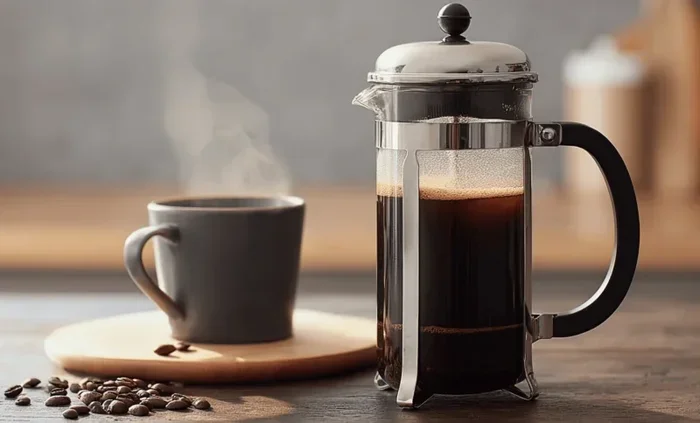
What Is French Pressed Coffee And Why You Will Love It
French pressed coffee is a simple immersion brewing method that produces a rich, full-bodied cup by steeping coarse grounds in hot water before pressing them out with a metal filter. This manual brewing technique captures natural coffee oils and flavors that paper filters remove, giving you a deeper, more satisfying taste experience. Whether you are new to coffee or a seasoned drinker, mastering French pressed coffee is easy, affordable, and incredibly rewarding.
There is something deeply satisfying about a morning cup of French pressed coffee. The rich aroma fills your kitchen. The deep, bold flavor wakes you up in the best way. And the process itself feels almost meditative. If you have ever wondered what makes this brewing method so special, you are in the right place.
French pressed coffee is one of the most popular brewing methods in the world. It goes by many names. Some call it a cafetiere. Others know it as a press pot or coffee press. No matter what you call it, the result is the same: a full-bodied, flavorful cup that feels completely different from drip coffee or single-serve pods. In this guide, we will walk you through everything you need to know about French pressed coffee. From how it works to how to make it at home, we have you covered.
Key Takeaways
- French pressed coffee uses immersion brewing: Coarse grounds steep in hot water before being pressed, creating a rich and full-bodied cup with natural oils intact.
- You need just a few simple tools: A French press device, coarse coffee grounds, hot water around 200°F, and a timer.
- The brewing process is straightforward: Four clear steps from measuring to pouring, with a total brew time of about four minutes.
- The metal filter makes all the difference: It retains coffee oils and fine particles that paper filters remove, giving French pressed coffee its signature bold flavor and silky texture.
- Avoid common pitfalls: Using fine grounds, water that is too hot, or leaving coffee sitting in the press too long can all ruin the taste.
- It is incredibly versatile: You can use a French press for hot coffee, iced drinks, and even cold brew-style beverages.
📑 Table of Contents
What Is French Pressed Coffee?
French pressed coffee is a brewing method that uses immersion to extract flavor from coffee grounds. You place coarse grounds in a cylindrical glass or stainless steel container. Then you pour hot water over them. After letting the mixture steep for several minutes, you press a plunger down through the liquid. The plunger has a metal filter that separates the grounds from the brewed coffee. What remains in your cup is a rich, aromatic brew that captures the full character of the beans.
This method has been around for centuries. The basic design was patented in France in the 1850s. However, the modern version we know today was refined by Italian designers in the 1920s. Since then, French pressed coffee has become a staple in kitchens, offices, and cafes around the world. People love it because it is simple, affordable, and produces exceptional taste without complicated equipment.
The key difference between French pressed coffee and other methods lies in the filtration. Most drip coffee makers use paper filters. These filters trap fine particles and oils. A French press uses a stainless steel mesh filter instead. This means more of the natural oils, flavors, and tiny particles stay in your cup. The result is a heavier mouthfeel and a more complex flavor profile that coffee enthusiasts deeply appreciate.
How Does a French Press Work?
Understanding how French pressed coffee works helps you appreciate why it tastes so good. The process relies on a principle called immersion brewing. Here is what happens step by step.
The Immersion Process
When you add hot water to coffee grounds, extraction begins immediately. Hot water dissolves soluble compounds from the grounds. These compounds include acids, oils, sugars, and aromatic molecules. In a French pressed coffee maker, the grounds stay submerged in water for the entire brew time. This full immersion ensures even extraction across all the grounds.
Unlike espresso machines that force water through grounds at high pressure, a French press lets gravity and time do the work. The water temperature and steeping duration are the main variables you control. Getting these right makes all the difference in your final cup. The steeping process typically lasts about four minutes, which is the sweet spot for balanced extraction.
The Role of the Metal Filter
The metal filter on a French press is what sets it apart from most other brewers. Paper filters in drip machines catch almost everything. They remove oils and fine sediment. A French press metal filter catches larger particles but lets smaller ones pass through. This is why French pressed coffee has that signature cloudy appearance and silky texture. Some people love this. Others prefer a cleaner cup. Both preferences are completely valid.
If you want to reduce sediment, try letting the coffee sit for thirty seconds after pressing. The grounds will settle to the bottom. Then pour slowly into your mug. This simple trick can make your French pressed coffee much cleaner without losing flavor. The metal filter also means you get more of the natural coffee oils that carry much of the aroma and taste.
What You Need and How to Brew French Pressed Coffee
One of the best things about French pressed coffee is how few tools you need. You do not need an expensive machine or technical skills. Here is what you will want to have on hand.
Essential Tools for Brewing
- A French press device: These come in glass, stainless steel, and plastic versions. Glass is popular because it looks great and does not retain flavors. Stainless steel keeps coffee hot longer and is more durable for everyday use.
- Coarse coffee grounds: This is critical. French pressed coffee requires a coarse, even grind. If your grounds are too fine, they will slip through the filter and make your coffee gritty. If you have a coffee grinder, you can adjust it to the right setting. A burr grinder works best for consistent coarse grounds.
- Hot water: You want water between 195°F and 205°F. Boiling water can scorch the grounds and create bitter flavors. Let your kettle rest for thirty seconds after boiling if you do not have a temperature-controlled kettle.
- A timer: Your phone timer works perfectly. Consistent brew time is key to great French pressed coffee every time.
- A spoon or stirrer: A wooden or plastic spoon works best. Metal spoons can scratch the glass interior of some presses.
You do not need anything fancy to make excellent French pressed coffee at home. Many people already have everything they need in their kitchen right now. The simplicity of this method is part of its enduring appeal.
Step-by-Step Brewing Guide
Now that you have your tools ready, let us walk through the actual brewing process. Making French pressed coffee is straightforward once you know the steps. Follow this guide for a perfect cup every single time.
Step 1: Measure Your Coffee. Start with a ratio of about 1 gram of coffee for every 15 milliliters of water. For a standard 8-cup French press, this means roughly 55 grams of coffee and 800 milliliters of water. If you do not have a scale, use about 8 tablespoons of coarse grounds for a large press. Using a kitchen scale helps you reproduce your perfect cup consistently.
Step 2: Add Hot Water. Pour hot water over the grounds slowly. Start with a small amount and stir gently. This step is called the bloom. It allows the grounds to release carbon dioxide, which helps with even extraction. After stirring, add the remaining hot water. Make sure all grounds are fully submerged.
Step 3: Steep for Four Minutes. Place the lid on your French press with the plunger pulled all the way up. Let the coffee steep for exactly four minutes. This is the sweet spot for most French pressed coffee recipes. If you prefer a stronger cup, steep for five minutes. For a lighter taste, try three and a half minutes. Experiment until you find your ideal time.
Step 4: Press and Pour. Press the plunger down slowly and steadily. Do not rush this step. A smooth press keeps the grounds at the bottom and prevents sediment from swirling into your cup. Pour the coffee immediately into your mug or serving carafe. Leaving brewed coffee in the press will cause over-extraction, leading to bitter flavors.
That is it. Four simple steps to a delicious cup of French pressed coffee. Once you get the rhythm down, the whole process takes less than five minutes.
Why French Pressed Coffee Tastes So Good
People who switch to French pressed coffee often say they never go back. There is a reason for that. The flavor profile of French press coffee is genuinely different from other brewing methods. Here is why it stands out.
Full Extraction of Flavors
Because the metal filter allows oils and fine particles through, French pressed coffee captures a wider range of flavors. You taste more of what makes each bean unique. The natural sweetness, the subtle fruit notes, the earthy undertones. All of these come through in a way that paper filters simply cannot replicate. The immersion brewing method gives you a more complete picture of what your coffee beans have to offer.
Rich, Full-Bodied Mouthfeel
There is a weight and texture to French pressed coffee that many people find irresistible. The oils and micro-particles create a creamy, velvety mouthfeel. It feels more indulgent than standard drip coffee. This is especially noticeable when you compare side by side with a machine-brewed cup. The natural coffee oils contribute to that satisfying, lingering finish that keeps you reaching for another sip.
Control Over Your Brew
When you brew French pressed coffee at home, you control every variable. You choose the grind size. You set the water temperature. You decide the steeping time. This level of control means you can fine-tune your cup to match your exact preferences. No two people brew the same cup exactly the same way, and that is part of the joy.
Another great thing about French pressed coffee is its versatility. You can use it as a base for iced coffee drinks. Simply brew a strong batch, let it cool, and pour over ice. For something special, try making your own iced coffee creations at home using this guide to making your own Dunkin iced coffee as inspiration. A French press works beautifully for cold brew-style drinks too. The possibilities are endless once you have your press.
French Press vs Other Brewing Methods
To truly understand French pressed coffee, it helps to see how it compares to other popular methods. Here is a quick look at the differences.
| Feature | French Press | Drip Coffee Maker | Pour Over | Espresso Machine |
|---|---|---|---|---|
| Brew Time | 4 minutes | 5-10 minutes | 3-4 minutes | 25-30 seconds |
| Filter Type | Metal mesh | Paper | Paper or cloth | Metal basket |
| Body/Mouthfeel | Full and rich | Light and clean | Medium and smooth | Thick and creamy |
| Oil Retention | High | Low | Medium | Medium |
| Ease of Use | Very easy | Very easy | Moderate | Moderate to hard |
| Price Range | $15-$60 | $30-$200 | $20-$80 | $100-$1000+ |
| Portions | 2-4 cups | 4-12 cups | 1-2 cups | 1 shot at a time |
Each method has its strengths. But for many people, French pressed coffee hits the perfect balance of simplicity, flavor, and affordability. It does not require electricity. It works anywhere you have hot water. It is the ideal travel companion for camping trips or office desks. The manual brewing process also means you slow down and enjoy the ritual of making coffee, which is a welcome contrast to the rush of modern mornings.
Tips for Perfecting Your French Pressed Coffee
Even though French pressed coffee is simple, small details matter. Here are some pro tips that will elevate your brew from good to exceptional.
- Always use fresh beans: Coffee tastes best within two to four weeks of roasting. Buy whole beans and grind them just before brewing for the freshest French pressed coffee possible. Stale beans produce flat, lifeless coffee no matter how good your technique is.
- Preheat your press: Pour hot water into the empty press and let it sit for a minute before brewing. This keeps the coffee at the right temperature during steeping and helps maintain consistent extraction throughout the process.
- Use the right grind size: Think sea salt, not table salt. If your grounds feel powdery, they are too fine. A proper coarse grind prevents over-extraction and reduces sediment in your cup.
- Do not leave coffee in the press: Once you press, pour it all out. Leaving brewed coffee sitting on the grounds will make it increasingly bitter. This is one of the most common mistakes people make with French pressed coffee.
- Clean your press regularly: The metal filter traps oils and residue that can go rancid over time. Disassemble the plunger and wash all parts with warm soapy water. For deeper cleaning, the process is similar to how you would decalcify a Keurig coffee maker — you want to remove mineral buildup and old oils to keep your coffee tasting fresh and clean.
- Experiment with ratios: Every bean and roast is different. Try adjusting your coffee-to-water ratio by small amounts until you find your sweet spot. Some beans shine with a slightly higher coffee dose.
Making great French pressed coffee is a journey, not a destination. Once you nail the basics, feel free to experiment. Try different bean origins. Adjust your steeping time. Play with water temperature. Each change teaches you something new about what you love in a cup of coffee. The beauty of this method is that it rewards curiosity and practice.
Common Mistakes to Avoid
Even experienced coffee drinkers sometimes make mistakes with French pressed coffee. Here are the most common errors and how to avoid them.
- Using pre-ground coffee from the store: Pre-ground coffee loses flavor quickly. The oils go stale within hours of grinding. For the best French pressed coffee, always grind your beans fresh right before brewing.
- Using water that is too hot: Boiling water extracts bitter compounds from the grounds. Let it cool for 30-45 seconds after boiling for the ideal temperature around 200°F.
- Steeping too long: Four minutes is the sweet spot. Going beyond six minutes can result in over-extraction and a bitter, harsh taste that masks the natural flavors of the beans.
- Pressing too fast: A rushed press forces grounds through the filter and into your cup. Slow and steady gives you a cleaner, better-tasting result with less sediment.
- Skipping the bloom: That initial stir might seem unnecessary, but it helps release gases and promotes even extraction throughout your French pressed coffee.
Avoiding these mistakes will immediately improve your French pressed coffee. You will taste the difference in every sip. And once you get into the habit of doing things right, the process becomes second nature.
Conclusion
French pressed coffee is more than just a brewing method. It is an experience. It is a ritual that brings you closer to your coffee. From the moment you grind the beans to the final pour, every step invites you to slow down and savor the process. The rich, bold flavor and satisfying texture make it one of the most rewarding ways to enjoy coffee at home.
What makes French pressed coffee truly special is its simplicity. You do not need expensive equipment or technical training. You just need good beans, hot water, patience, and a quality press. In return, you get a cup of coffee that is deeper, richer, and more flavorful than almost any other home brewing method. The immersion brewing technique unlocks flavors and aromas that other methods simply cannot reach.
We encourage you to try making French pressed coffee today if you have not already. Start with the basics. Follow the steps in this guide. Adjust to your taste. Before long, you will understand why millions of coffee lovers around the world consider French press brewing their favorite method. Your perfect cup is waiting for you.
Frequently Asked Questions
Is French Pressed Coffee Stronger Than Regular Coffee?
French pressed coffee often tastes stronger and bolder than drip coffee, but the caffeine content depends on your ratio and brew time. Because the metal filter retains more oils and fine particles, the flavor feels more intense even if the caffeine level is similar. Many people perceive French pressed coffee as stronger because of its full body and rich mouthfeel.
Can You Use Regular Ground Coffee in a French Press?
You can, but it is not ideal. Regular pre-ground coffee is usually too fine for a French press. Fine grounds slip through the metal filter and create a gritty, unpleasant texture. For the best results, use coarsely ground beans. If you only have regular grounds, try straining your coffee through a fine mesh sieve after pressing to remove excess sediment.
How Long Does French Pressed Coffee Stay Fresh?
Freshly brewed French pressed coffee tastes best when consumed within 20 minutes of brewing. The metal filter does not separate the grounds completely, so the coffee continues to extract as it sits. If you need to store it, pour leftover coffee into a separate container and drink it within a couple of hours for the best flavor.
What Is the Best Coffee Beans for French Pressed Coffee?
Medium to dark roast beans work wonderfully for French pressed coffee. Their deeper flavors stand up well to the immersion brewing process. However, light roasts can also produce excellent results if you prefer brighter, more acidic notes. Experiment with different origins and roasts to discover what you enjoy most.
How Do You Clean a French Press Properly?
Disassemble the plunger and wash all parts with warm water and mild soap after each use. The metal filter traps oils and residue that can go rancid over time. For a deep clean, soak the components in a mixture of warm water and baking soda. This keeps your French pressed coffee tasting fresh and prevents stale flavors from building up between brews.
Can You Make Cold Brew Coffee with a French Press?
Absolutely. French pressed coffee works great for cold brew. Add coarse grounds to the press, pour in cold or room-temperature water, and steep in the refrigerator for 12 to 24 hours. Press the plunger down and pour over ice. You can also use your French press as a base for refreshing iced drinks, similar to how you would craft a homemade version of Dunkin iced coffee.