How To Clean A Capsule Coffee Machine In 5 Minutes
Keeping your capsule coffee machine clean is essential for great-tasting coffee. You can learn how to clean a capsule coffee machine in just 5 minutes with our easy guide. Regular descaling and rinsing prevent mineral buildup and stale coffee oils, ensuring every brew tastes fresh and your machine lasts for years.
Every morning, your capsule coffee machine delivers a perfect cup of joe. But did you know that coffee oils and mineral deposits can build up inside the machine? Regular cleaning keeps your coffee tasting fresh and your machine running smoothly. Learning how to clean a capsule coffee machine in 5 minutes is easier than you think. With just a few simple steps, you can remove buildup and enjoy better-tasting brews every day. This guide walks you through the entire process so you can keep your machine in top shape.
Whether you use a Keurig, Nespresso, or any other pod-based system, the cleaning routine is similar. A quick rinse after each brew prevents stale coffee oils from turning rancid. Over time, hard water leaves mineral scale inside the water reservoir and tubes. Descaling removes that scale and keeps the machine efficient. You will need a few basic supplies and about five minutes of your time.
In the following sections, we will cover everything from daily rinsing to deep descaling. You will learn which tools work best and how often to perform each task. By the end, you will feel confident giving your machine a thorough cleaning. Let us get started.
Key Takeaways
- Daily rinse keeps it fresh: A quick rinse after each use prevents coffee oils from building up and turning rancid.
- Descale every 3–6 months: Use vinegar or citric acid to remove mineral deposits inside the water reservoir and tubes.
- Clean the pod holder and needles: Remove used pods and wipe the puncture needle to avoid clogs and weak brews.
- Run a water-only cycle: Flushing with plain water after cleaning removes any residual cleaning solution and tastes.
- Use the right tools: A soft cloth, small brush, and descaling solution make the job effortless and safe.
- Regular maintenance extends lifespan: Proper care means fewer repairs, better coffee, and a machine that lasts for years.
📑 Table of Contents
Why Cleaning Your Capsule Coffee Machine Matters
The Hidden Build-Up Inside Your Machine
Coffee beans contain natural oils. These oils coat the inside of your machine with each brew. Over days and weeks, those oils turn sticky and can go rancid. Mineral deposits from water also accumulate. This combination creates a breeding ground for bacteria and mold.
A dirty machine can alter the taste of your coffee. You might notice a bitter or off-flavor that was not there before. The machine may also brew slower because scale blocks the flow. Regular cleaning prevents these problems and keeps your coffee tasting great. Think of it as washing your favorite mug after every use.
How Often Should You Clean?
You should rinse the pod holder and drip tray after every use. A quick wipe-down takes less than a minute. Deep descaling should happen every three to six months. If you live in a hard water area, you may need to descale more often. Many machines have a descale light that tells you when it is time. Listening to that light saves you from bigger problems later.
What You Need to Clean a Capsule Coffee Machine
Essential Cleaning Supplies
Gathering your tools before you start makes the process smooth. Here is what you need:
- White vinegar or citric acid for descaling
- Fresh water for rinsing
- A soft, damp cloth
- A small soft brush (an old toothbrush works perfectly)
- Mild dish soap (optional for exterior cleaning)
- A clean, dry towel
Quick Tips for Gathering Your Tools
Keep a small cleaning caddy near your machine. Store vinegar or citric acid in a clearly labeled bottle. A toothbrush dedicated to kitchen use makes the job easy. Having everything ready means you can clean the machine in one uninterrupted go. No running back and forth to the pantry.
Step-by-Step: How to Clean a Capsule Coffee Machine in 5 Minutes
Step 1: Power Down and Disassemble
Unplug the machine first. Safety always comes first. Remove the pod holder and the drip tray. Take off the water reservoir if it detaches easily. Check your machine manual for specific parts. Lay everything on a clean towel.
Step 2: Rinse the Water Reservoir
Empty any remaining water. Wash the reservoir with warm, soapy water. Rinse it thoroughly under running water. Use a soft cloth to wipe the inside. Do not use abrasive sponges. They can scratch the plastic and create tiny grooves where bacteria hide. Dry it with a clean towel before putting it back.
Step 3: Descale the Inside
Mineral scale builds up inside the tubes and heating element. To descale, fill the reservoir with a 50/50 mix of white vinegar and water. Alternatively, use a citric acid solution. Run a brew cycle without a pod. Let the machine run until the reservoir is empty. This flushes out the scale. If you own a Keurig, you can follow similar steps to decalcify your Keurig coffee maker using the same vinegar method.
After the vinegar cycle, rinse the reservoir and fill it with fresh water. Run two to three plain water cycles to flush out any vinegar taste. This ensures your next coffee does not taste like pickle juice. The machine will smell and brew normally again.
Step 4: Clean the Pod Holder and Needles
The pod holder catches used capsules. Remove it and dump the used pods into the compost. Rinse it under warm water. Use a small brush to clean the puncture needle. The needle can get clogged with coffee grounds. Gently poke it with a paperclip or the brush to clear any blockage. A clear needle means a strong, even brew every time.
Step 5: Wipe Down the Exterior
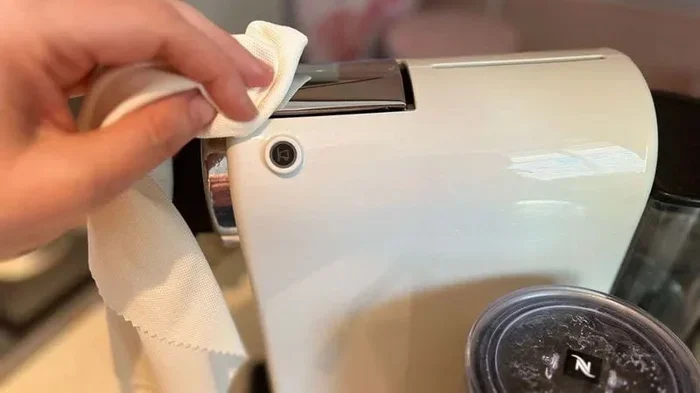
Use a damp cloth to wipe the outside of the machine. If there are coffee stains, add a drop of mild dish soap. Dry with a clean towel immediately. Do not spray water directly on the machine. Moisture can damage the electronics. A quick wipe after each use keeps the exterior looking new.
Deep Cleaning Methods for a Capsule Coffee Machine
The Vinegar Descaling Method
White vinegar is the most popular descaler. It is cheap, natural, and effective. Mix equal parts vinegar and water. Pour it into the reservoir. Run the machine as if brewing a large cup. The acidic solution dissolves mineral deposits. Afterward, run plain water cycles to rinse. This method works for most capsule systems.
Using Citric Acid Instead
Citric acid is a great alternative. It is less smelly than vinegar and leaves no lingering taste. Mix one tablespoon of citric acid per cup of warm water. Follow the same brew cycle. Citric acid is also food-safe and breaks down scale efficiently. Many commercial descalers use citric acid as their active ingredient.
| Feature | White Vinegar | Citric Acid |
|---|---|---|
| Smell | Strong, lingers | Mild, fades quickly |
| Cost | Very low | Low |
| Effectiveness | Excellent | Excellent |
| Availability | Every grocery store | Health food stores, online |
| Rinse Required | Yes, multiple cycles | Yes, fewer cycles |
Cleaning the Drip Tray and Water Filter
The drip tray collects overflow. Remove it and wash it with warm soapy water. If your machine has a water filter, remove it and rinse it under running water. Replace it if it looks worn or discolored. A clean filter ensures better-tasting water and protects the internal parts from debris.
Common Mistakes to Avoid When Cleaning
Using Harsh Chemicals
Never use bleach or abrasive cleaners. They can damage the internal seals and leave harmful residues. Stick to vinegar, citric acid, or a dedicated coffee machine descaler. These are safe for food-contact surfaces. Your coffee deserves a clean, chemical-free environment.
Skipping the Rinse Cycle
After descaling, always run plain water cycles. Skipping this step leaves a vinegar or citric acid taste. That taste can transfer to your coffee. Run at least two full reservoir cycles to be safe. Your taste buds will thank you.
Forgetting to Clean the Needles
The puncture needle gets clogged easily. If you skip cleaning it, your machine may not pierce pods correctly. This leads to leaks or weak coffee. Take a moment to clear the needle every week. It is a tiny task with a big impact.
Final Thoughts and Maintenance Schedule
Cleaning your capsule coffee machine does not have to be a chore. With the right method, you can clean a capsule coffee machine in just five minutes. Regular maintenance extends the life of your machine and improves the flavor of every cup. Make it a habit, and you will enjoy fresh, great-tasting coffee for years to come.
Remember to rinse after each use and descale regularly. A little care goes a long way. Your coffee machine will thank you with perfect brews every morning. If you also own a Whirlpool oven, you might want to learn how to clean a Whirlpool oven to keep all your kitchen appliances spotless. For larger kitchen setups, knowing how to clean a commercial convection oven can save you time and effort.
Daily rinsing, weekly needle cleaning, and quarterly descaling are all it takes. Stick to this simple schedule and your machine will stay in top condition. Enjoy the process and the perfect cup that follows.
Frequently Asked Questions
How often should I clean my capsule coffee machine?
You should rinse the pod holder and drip tray after every use. Deep descaling is recommended every three to six months. If you notice a slower brew or off-flavors, it is time to descale sooner.
Can I use vinegar to clean my capsule coffee machine?
Yes, white vinegar is a safe and effective descaler. Mix it with equal parts water and run a brew cycle without a pod. Always follow up with two to three plain water rinses to remove any vinegar taste.
What is the best descaling solution for a capsule coffee machine?
White vinegar and citric acid are both excellent choices. Vinegar is widely available and very affordable. Citric acid is odorless and leaves no lingering taste. You can also use a dedicated coffee machine descaler for convenience.
How do I clean the needle on my capsule coffee machine?
Remove the pod holder and locate the puncture needle. Use a small soft brush or a straightened paperclip to gently clear any coffee grounds or debris. Wipe the needle with a damp cloth. Do this weekly to prevent clogs.
Is it safe to use lemon juice instead of vinegar?
Lemon juice can work as a mild descaler due to its citric acid content. However, it is less effective than pure vinegar or citric acid powder. If you use lemon juice, run extra rinse cycles to ensure no citrus residue remains.
Can I put the pod holder in the dishwasher?
Most pod holders are dishwasher safe, but check your machine manual first. The heat and harsh detergents in a dishwasher can sometimes warp plastic parts over time. Hand washing with warm soapy water is the safest and gentlest method.