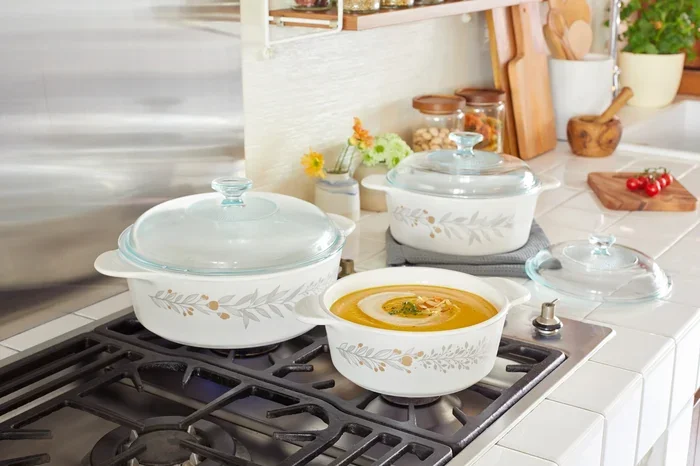
Can I Put Corelle In The Oven Everything You Need To Know
So, can I put Corelle in the oven? The short answer is yes, but only under specific conditions. Corelle dishes are made from tempered glass and can handle low to moderate oven temperatures, typically up to 350°F. However, exceeding the recommended heat limit or exposing them to sudden temperature changes can cause cracking or shattering. This guide covers everything you need to know about Corelle oven safety so you can bake and serve with confidence.
Have you ever been mid-recipe and wondered, can I put Corelle in the oven? Maybe you are reheating leftovers or preparing a dish for a potluck, and all you have are your trusty Corelle plates and bowls. It is a common question among homeowners, renters, and anyone who loves kitchen essentials that double as serving ware.
The good news is that Corelle dishes are generally oven safe, but there are important rules to follow. Using the wrong dishware in a hot oven can lead to cracks, shards, or even a ruined meal. This article breaks down everything you need to know about Corelle oven safety, including temperature limits, material details, and practical tips you can use right away.
Whether you are a seasoned cook or someone just starting out in the kitchen, understanding how your dinnerware handles heat is essential. Let us dive into the world of Corelle dinnerware and find out exactly what it can and cannot handle inside a hot oven.
Key Takeaways
- Corelle is oven safe at low temperatures: Most Corelle products can handle up to 350°F, making them suitable for warming and light baking tasks.
- Thermal shock is the biggest risk: Never move Corelle from a cold fridge directly into a hot oven or vice versa.
- Not all Corelle products are the same: Check the bottom of each piece for oven-safe markings before use.
- Avoid broiler use and direct heat sources: The broiler reaches temperatures that can damage or break Corelle dishes.
- Preheating matters: Always place Corelle in a cold oven and let it heat up gradually with the oven.
- Inspect for damage first: Chips, cracks, or scratches weaken Corelle and make it unsafe for oven use.
- Use oven mitts: Even though Corelle is heat resistant, it still gets hot and can burn your hands.
📑 Table of Contents
- What Is Corelle and Why Does Oven Safety Matter?
- Can You Put Corelle In The Oven?
- Tips for Using Corelle In The Oven Safely
- Common Mistakes to Avoid When Using Corelle in the Oven
- What Happens If You Overheat Corelle?
- Corelle Oven Safety Compared to Other Dishware
- Expert Tips for Getting the Most Out of Your Corelle
- Final Thoughts on Using Corelle in the Oven
What Is Corelle and Why Does Oven Safety Matter?
Corelle is a brand of dinnerware and kitchenware known for its lightweight, durable design. The brand has been around for decades and is famous for its chip-resistant plates and bowls. Many households choose Corelle because it looks elegant but feels easy to handle.
But here is the thing most people overlook. Not all dishware is created equal when it comes to heat resistance. Some ceramic plates can handle high oven temperatures, while others crack the moment they feel heat. Corelle falls somewhere in between, and knowing where that line is drawn matters a lot.
When you put the wrong material in a hot oven, you risk thermal shock. This happens when one part of the dish heats up faster than another part. The uneven expansion creates stress inside the material, which leads to cracks or even explosions of glass. Nobody wants that in their kitchen. That is why understanding Corelle heat resistance is so important before you slide any dish into the oven.
The brand uses a special type of tempered glass for most of its products. This glass goes through a manufacturing process that makes it stronger than regular glass. But even tempered glass has limits. Knowing those limits keeps your kitchen safe and your Corelle collection looking great for years.
Can You Put Corelle In The Oven?
The direct answer to can I put Corelle in the oven is yes, with some conditions. Most Corelle products are designed to be oven safe, but only at certain temperatures. The brand does not market all of its dishes as heavy-duty oven bakeware. Instead, Corelle dinnerware works best for warming food, not for high-heat baking or broiling.
Here is what you need to know before placing any Corelle dish in the oven:
- Check the bottom of the dish: Look for an oven-safe symbol or text on the underside. Not every Corelle product is created equal.
- Stick to low and moderate heat: Most Corelle items handle temperatures up to 350°F safely.
- Never use the broiler: Broilers produce direct, intense heat that can crack or shatter Corelle glass.
- Avoid stovetop use: Corelle dishes are not designed for direct contact with burners or flames.
If you follow these basic rules, your Corelle plates and bowls will serve you well in the oven. But there is more to learn about the specific materials and temperature limits, which we will cover next.
Understanding Corelle Materials and Heat Resistance
Corelle dishes are made from a material called Vitrelle glass. This is a three-layered tempered glass that the brand developed specifically for its dinnerware line. The result is a product that is thin, light, and surprisingly strong. But how does this material handle heat?
Tempered glass is the key here. During manufacturing, the glass is heated and then cooled rapidly under controlled conditions. This process creates internal balance in the glass structure, making it more resistant to thermal changes. That is why Corelle can handle oven use better than regular glass plates.
However, tempered glass is not indestructible. It has a heat resistance threshold, and going beyond that threshold causes problems. The good news is that most home cooking stays well within safe limits. Roasting vegetables at 350°F or warming up a casserole for 15 minutes poses no issue for Corelle oven-safe dishes.
It is also worth noting that Corelle has different product lines. Some lines include painted or printed designs. These decorative elements can affect heat tolerance. Always check if a specific piece is labeled as oven safe, especially if it has colorful patterns or metallic edges.
Safe Oven Temperatures for Corelle Dishes
Temperature is the most important factor when deciding whether to use Corelle in the oven. The brand generally recommends keeping temperatures at or below 350°F. Some sources say Corelle can handle up to 350°F, while others suggest staying closer to 300°F for extra safety.
Here is a simple breakdown of what Corelle can handle:
- Below 300°F: Completely safe. Great for warming plates or gentle reheating.
- 300°F to 350°F: Generally safe for short periods. Works well for most oven recipes.
- Above 350°F: Not recommended. The risk of cracking or shattering increases significantly.
- Broiler temperatures (500°F+): Absolutely not safe. Broilers create extreme, direct heat that Corelle cannot handle.
When you follow these temperature guidelines, your Corelle baking dishes will perform reliably. If a recipe calls for higher heat, consider using a different dish made from ceramic or metal instead.
How Long Can Corelle Stay in the Oven?
Time matters just as much as temperature. Even at safe heat levels, leaving Corelle in the oven for too long can weaken the material over time. For best results, limit oven time to 15 to 20 minutes at moderate temperatures.
If you need to keep food warm for a longer period, it is better to take the Corelle dish out of the oven and cover it with a lid or foil. This prevents prolonged heat exposure and keeps your dinnerware in good shape for the next use.
Tips for Using Corelle In The Oven Safely
Using Corelle in the oven does not have to be stressful. A few simple habits make a big difference in keeping your dishes safe and your cooking smooth. Here are some practical tips to follow every time you use Corelle in the oven.
Always Preheat Carefully
One of the biggest mistakes people make is placing a cold Corelle dish into a preheated oven. The sudden burst of heat hitting the cold glass creates thermal shock, which is the number one cause of Corelle breakage.
Instead, always place your Corelle dish in a cold oven. Then turn the oven on and let the dish heat up gradually along with the oven. This slow, even temperature change keeps the glass structure stable and prevents cracking.
Use Oven Mitts Every Time
Corelle dishes may be heat resistant, but they still get hot. Always use oven mitts or thick towels when handling Corelle out of the oven. The handles or edges can become surprisingly hot during baking, and a burn is the last thing you want while serving dinner.
Avoid Direct Heat Sources
Corelle is not designed for stovetop cooking or direct flame exposure. Never place a Corelle plate or bowl on a gas burner, electric coil, or open flame. The concentrated heat from these sources will damage the glass quickly and dangerously.
Let Dishes Cool Before Washing
After removing Corelle from the oven, give it time to cool down before rinsing or washing it. Placing a hot Corelle dish under cold running water creates another form of thermal shock. Let the dish return to room temperature on a trivet or cooling rack first.
Inspect Before Every Use
Before putting any Corelle dish in the oven, take a quick look at it. Check for chips, cracks, scratches, or crazing. Even a small chip can weaken the structure of the glass and cause it to break under heat. If a dish looks damaged, do not risk using it in the oven. Replace it with a new piece instead.
Stick to Recommended Uses
Corelle is designed primarily as dinnerware and serving ware. While it can handle oven warming, it is not meant to replace dedicated glass bakeware or metal baking pans. Use Corelle for its intended purpose, and you will get years of reliable service without any issues.
Common Mistakes to Avoid When Using Corelle in the Oven
Even with the best intentions, accidents happen in kitchens. Many of these accidents come from simple mistakes that are easy to avoid. Here are the most common errors people make with Corelle and the oven.
Mistake 1: Ignoring the Oven-Safe Symbol
Not every Corelle product is oven safe. Some lines are designed purely for cold food storage or microwave use. Before placing any dish in the oven, flip it over and look for the oven-safe marking. If you do not see it, do not assume it is safe.
Mistake 2: Using Corelle Under the Broiler
The broiler is one of the hottest elements in any oven. It produces direct, intense heat from above that can reach temperatures well over 500°F. Corelle simply cannot handle this level of heat. Using Corelle under the broiler is a guaranteed way to crack or shatter the dish.
Mistake 3: Skipping the Gradual Heating Step
Jumping from a cold kitchen counter to a hot oven is a recipe for disaster. Always let Corelle dishes heat up slowly. Place them in a cold oven and allow them to warm up with the rest of the space. This prevents the uneven expansion that causes cracks.
Mistake 4: Overfilling or Overheating
Filling a Corelle dish to the brim with food and then baking it at high heat puts extra stress on the glass. Food expands as it heats, and the liquid can create steam pressure inside the dish. Keep fillings to about three-quarters full and stay within the recommended temperature range.
Mistake 5: Mixing Corelle With Other Materials
Do not place a Corelle dish on top of or next to metal pans in the oven. Metal heats differently and can create hot spots that affect the surrounding dishes. Keep Corelle dishes spaced out and on their own oven-safe surface.
What Happens If You Overheat Corelle?
When Corelle exceeds its heat tolerance, the results are not subtle. The glass may show visible signs of stress before it fails completely. Being able to recognize these signs helps you act quickly and avoid injury.
Here is what can happen if you overheat Corelle:
- Cracking or crazing: Fine lines appear on the surface of the glass. This is an early warning sign that the dish has been exposed to too much heat.
- Shattering: In severe cases, the dish can break apart into small pieces. Tempered glass breaks into many small, relatively blunt pieces rather than large, sharp shards. Still, this is dangerous and messy.
- Discoloration: The glass may develop a cloudy or milky appearance after repeated overheating. This affects the look of the dish and can weaken its structure over time.
- Warping: In rare cases, the edges of a Corelle plate may become slightly curved or uneven after extreme heat exposure.
If any of these things happen, stop using the dish in the oven immediately. Even if it looks okay, internal damage may compromise its strength. Safety should always come first in the kitchen.
Corelle Oven Safety Compared to Other Dishware
How does Corelle stack up against other popular types of dishware? Let us compare Corelle oven safety with some common alternatives so you can make informed choices in the kitchen.
| Dishware Type | Oven Safe | Max Temperature | Thermal Shock Resistance |
|---|---|---|---|
| Corelle (Vitrelle Glass) | Yes (limited) | 350°F | Moderate |
| Ceramic Plates | Yes (varies) | 400°F to 500°F | Low to moderate |
| Pyrex Glass | Yes | 450°F | Moderate to high |
| Metal Pans | Yes | 500°F+ | High |
| Melamine | No | N/A | Low |
As you can see, Corelle holds its own for low to moderate oven tasks. It is not as heat resistant as metal or heavy-duty glass bakeware, but it works well for warming and light baking. Pyrex and ceramic bakeware are better choices for high-heat cooking, while Corelle shines as versatile serving and warming ware.
Expert Tips for Getting the Most Out of Your Corelle
Want to keep your Corelle collection in top shape while still using it in the oven? Follow these expert-backed tips that go beyond the basics.
- Rotate dishes during baking: Turn your Corelle plates halfway through baking to ensure even heat distribution. This reduces the chance of one side overheating more than the other.
- Use a baking sheet underneath: Placing Corelle dishes on a baking sheet provides an extra layer of stability and catches any drips that could cause uneven heating.
- Store Corelle properly: Stack dishes with felt or paper separators to prevent chips. Chips are weak points that become worse under heat.
- Hand wash when possible: While Corelle is dishwasher safe, hand washing extends the life of the material and protects any decorative elements from heat damage during future oven use.
- Buy oven-safe lines specifically: Corelle offers some products that are explicitly designed for oven use. Look for these lines when you need dishware that can handle more heat.
Final Thoughts on Using Corelle in the Oven
So, can I put Corelle in the oven? Yes, you absolutely can, as long as you respect its limits. Corelle dishes are versatile, beautiful, and practical for warming food and serving meals straight from the oven. The key is to stay below 350°F, avoid thermal shock, and always check for oven-safe markings before use.
By following the tips and guidelines in this article, you can confidently use your Corelle dinnerware in the oven without worrying about cracks, breaks, or safety hazards. Treat your Corelle with care, and it will serve you well for many years of home cooking and entertaining.
Remember, every piece of kitchenware has its strengths and its limits. Corelle is no exception. Understanding what it can do and what it cannot do puts you ahead as a smart, safe cook. Next time you pull out your Corelle plates for a bake or a warm, you will know exactly what to do and what to avoid.
Keep these guidelines handy, share them with friends and family, and enjoy the convenience of using your favorite Corelle oven-safe dishes in more ways than one. Your kitchen deserves tools that are both functional and safe, and Corelle delivers on both fronts when used correctly.
Frequently Asked Questions
Can I put Corelle in the oven at 400°F?
No, it is not recommended. Most Corelle products are rated for oven use up to 350°F. Going above this temperature increases the risk of cracking or shattering. Stick to 350°F or lower for safe oven use.
Is all Corelle oven safe?
Not all Corelle products are oven safe. Some lines are designed only for cold food storage or microwave use. Always check the bottom of the dish for an oven-safe symbol or text before placing it in the oven.
Can Corelle go from the fridge to the oven?
No. Moving Corelle from a cold fridge directly into a hot oven causes thermal shock, which can crack or shatter the glass. Always let Corelle come to room temperature first, or place it in a cold oven and let it heat up gradually.
Can you bake a cake in a Corelle dish?
You can bake a cake in a Corelle dish at temperatures up to 350°F. However, Corelle is not designed as dedicated bakeware. For best results, use it for small or short-bake recipes, and avoid high-heat or long-duration baking.
Why did my Corelle crack in the oven?
Corelle can crack in the oven due to thermal shock, overheating above 350°F, or pre-existing damage like chips or scratches. Always follow the temperature guidelines and inspect dishes before each use to prevent breakage.
Can you use Corelle under the broiler?
No. Corelle dishes should never be used under the broiler. Broilers produce direct, intense heat that exceeds the heat tolerance of Corelle glass and can cause immediate cracking or shattering.