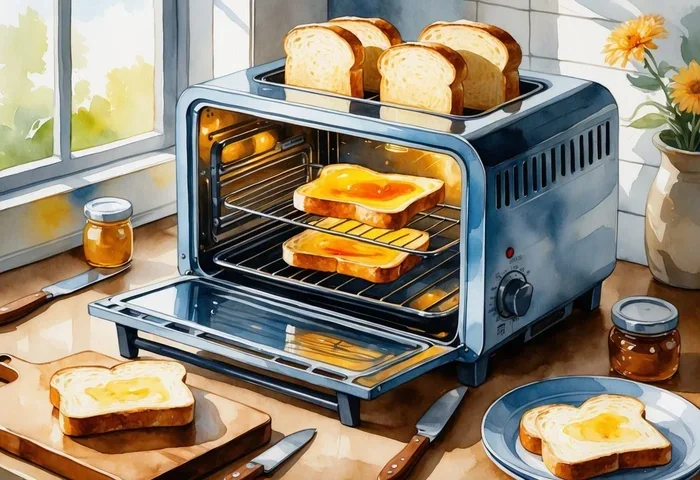
Can Plates Go In Toaster Oven Without Damaging Them
Can plates go in toaster oven? The short answer is yes, but only if you choose the right type of plate. Not all plates are created equal, and putting the wrong one in a hot toaster oven can lead to cracking, shattering, or even a fire hazard. In this guide, you will learn which plates are safe for toaster oven use, which ones to avoid at all costs, and the best practices to keep your kitchen safe and your dishes intact.
Can plates go in toaster oven? This is one of the most common kitchen questions, and the answer depends entirely on the type of plate you are using. Not every plate can handle the high heat of a toaster oven, and using the wrong one can lead to cracks, breaks, or even safety hazards. In this article, you will discover which plates are safe for toaster oven use, which ones to avoid, and simple tips to protect your dishes. By the end, you will have all the knowledge you need to use your toaster oven with confidence.
Many people wonder about using everyday dishes in a toaster oven. It is a fair question since toaster ovens heat up fast and reach high temperatures. Can plates go in toaster oven settings without getting damaged? The answer depends on the plate material. This guide covers everything you need to know about plate safety in toaster ovens. You will learn which materials work best and which ones to avoid.
Key Takeaways
- Not all plates are oven-safe: Materials like melamine and plastic can melt or release harmful chemicals in a toaster oven.
- Ceramic, glass, and stoneware plates are generally safe if they are labeled as heat-resistant.
- Always check for oven-safe labels before placing any plate in a toaster oven.
- Thermal shock is a real danger: Moving a cold plate directly into a hot oven can cause it to crack or shatter.
- Metal plates and aluminum foil can be used carefully but may cause sparking if not used properly.
- Porcelain plates work well in toaster ovens as long as they do not have metallic decorations.
- Let plates warm up gradually to prevent cracking and extend their lifespan.
📑 Table of Contents
What Happens When You Put Plates in a Toaster Oven
When you place a plate inside a toaster oven, it is exposed to direct radiant heat. Unlike a microwave that heats food through water molecules, a toaster oven uses heating elements to warm the air and the surfaces inside. This means your plate gets hot too. How it reacts depends on the material, thickness, and construction of the plate.
The Science Behind Heat and Plates
Every material has a thermal tolerance, which is the maximum temperature it can handle before it starts to break down. When a plate is heated beyond its tolerance, several things can happen. It might crack, shatter, warp, or even release harmful chemicals. Thermal shock is another big concern. This happens when a cold plate meets a hot surface, causing uneven expansion. The stress from this uneven expansion can cause the plate to crack or break apart suddenly.
Think of it like this. Imagine pouring boiling water into a freezing cold glass. The glass cracks, right? The same thing can happen with plates in a toaster oven. The outer surface heats up fast while the inside stays cool. This difference creates stress. Over time, or all at once, the plate fails. This is why knowing your plate material matters so much.
Another factor is the toaster oven temperature. Most toaster ovens can reach temperatures between 150 and 500 degrees Fahrenheit. A plate that handles 350 degrees might be fine for reheating pizza but could fail at 450 degrees. Always consider what temperature you will be using before placing any dish inside.
Quick Tips for Plate Safety
- Always check the manufacturer label on your plate for oven-safe warnings.
- Start at lower temperatures and increase gradually if you are unsure.
- Place plates in the center of the toaster oven rack for even heat distribution.
- Never stack plates inside the toaster oven, as this traps heat and causes uneven warming.
- Use oven mitts when removing hot plates to avoid burns.
Which Plates Are Safe for Toaster Ovens
Not all plates are equal when it comes to toaster oven safety. Some materials are naturally heat-resistant and can handle the high temperatures inside a toaster oven. Others are not built for this kind of heat and should stay on your countertop. Here is a closer look at the safest options.
Ceramic Plates
Ceramic plates are one of the most common choices for toaster oven use. They are made from clay that has been fired at high temperatures, which makes them naturally heat-resistant. Most ceramic plates can handle temperatures up to 450 or 500 degrees Fahrenheit. They heat evenly and retain warmth well, which makes them great for serving food straight from the oven.
However, not all ceramic plates are the same. Some cheaper ceramics may contain air bubbles or imperfections that can cause them to crack under heat. Always look for plates that are labeled as oven-safe ceramic. If you are unsure, start with a lower temperature and see how the plate handles it.
Glass Plates
Glass plates can work well in toaster ovens, but only if they are made from tempered or borosilicate glass. Tempered glass is treated to withstand high temperatures and sudden changes in heat. Regular glass, like what you might find in a cheap picture frame or a decorative dish, is not built for this. It can shatter unexpectedly.
When shopping for glass plates for toaster oven use, look for labels that say tempered, borosilicate, or oven-safe. Brands like Pyrex make glass dishes and plates specifically designed for oven use. These can handle temperatures up to 450 degrees Fahrenheit safely.
Stoneware and Porcelain
Stoneware plates are dense and thick, which makes them excellent for toaster oven use. They absorb heat slowly and hold it for a long time. This makes them perfect for baking and serving. Porcelain plates are similar but are fired at even higher temperatures, making them very durable and heat-resistant.
Both stoneware and porcelain are great choices for baking plates in a toaster oven. Just make sure they do not have metallic gold or silver trim, as metallic decorations can cause sparking inside the oven. Plain, unadorned stoneware and porcelain are your safest bets.
Comparison Table: Plate Types and Toaster Oven Safety
| Plate Type | Oven-Safe? | Max Safe Temperature | Risk Level | Best For |
|---|---|---|---|---|
| Ceramic | Yes (if labeled oven-safe) | Up to 500°F | Low | Baking, serving, reheating |
| Tempered Glass | Yes | Up to 450°F | Low | Reheating, baking, serving |
| Stoneware | Yes | Up to 500°F | Low | Baking, pizza stones, serving |
| Porcelain | Yes (no metallic trim) | Up to 500°F | Low | Serving, baking, everyday use |
| Melamine | No | Max 160°F | High | Cold food only |
| Plastic | No | Varies (usually under 200°F) | Very High | Cold food only |
| Paper/Cardboard | No (fire risk) | N/A | Very High | Do not use in oven |
Which Plates Should Never Go in a Toaster Oven
Now that you know which plates work well, it is equally important to know which ones to avoid. Putting the wrong plate in a toaster oven can ruin the plate, damage the oven, or even create a safety hazard. Here are the plates you should never put inside.
Melamine Plates
Melamine plates are popular for everyday use because they are lightweight and do not break easily. They are often used for kids’ meals or outdoor dining. However, melamine is not heat-resistant. It can warp, discolor, and release harmful chemicals when exposed to high temperatures. Even at moderate heat, melamine plates can become damaged. Keep them away from the toaster oven entirely.
Plastic Plates and Containers
Plastic plates and plastic containers should never go in a toaster oven. Most plastics start to soften at around 170 degrees Fahrenheit and can melt at higher temperatures. Melted plastic can stick to the oven walls, create toxic fumes, and pose a serious fire risk. Even if a plastic container says “microwave-safe,” that does not mean it is safe for oven use. Microwave heat and oven heat work differently.
Plates with Metallic Decorations
Plates with gold or silver rims, painted metallic designs, or metallic accents should be kept out of the toaster oven. Metal in the oven can cause arcing and sparking, which can damage the oven’s interior or even start a fire. If you love the look of decorative plates, use them only for serving cold or room-temperature food.
Common Mistakes to Avoid
- Assuming all ceramic is safe: Some ceramics are not fired at high enough temperatures to withstand oven heat.
- Ignoring crack lines: Even a small crack can spread when the plate is heated, causing it to break apart in the oven.
- Using plates straight from the fridge: Cold plates plus hot oven equals thermal shock and potential cracking.
- Overcrowding the oven: Placing too many plates at once blocks airflow and causes uneven heating.
- Forgetting to check for oven-safe labels: When in doubt, always check the bottom of the plate for guidance.
How to Safely Use Plates in a Toaster Oven
Using plates in a toaster oven does not have to be risky. With a few simple precautions, you can safely reheat food, bake small meals, and serve dishes directly from the oven. Here is how to do it right.
Temperature Guidelines
Most oven-safe plates can handle temperatures between 350 and 450 degrees Fahrenheit. This covers most toaster oven cooking tasks like reheating leftovers, baking small casseroles, or making toast-style dishes. If you are baking at higher temperatures, make sure your plate is rated for it.
Start by setting your toaster oven to a moderate temperature, around 350 degrees Fahrenheit. If the plate handles this well for 10 to 15 minutes without any issues, you can gradually increase the temperature. Never crank the heat to maximum right away. Gradual heating is the key to avoiding thermal shock.
Preparing Your Plate
Before placing a plate in the toaster oven, take a few moments to prepare it properly. First, inspect the plate for any cracks, chips, or damage. Even a tiny chip can grow when the plate is heated, causing it to break. Second, make sure the plate is completely dry. Water trapped under or on a plate can cause steam buildup, which leads to cracking.
If the plate has been sitting in a cold kitchen or in the refrigerator, let it sit at room temperature for a few minutes before putting it in the oven. This simple step can prevent thermal shock and extend the life of your plates. Kitchen safety tips like this one go a long way in keeping your dishes and your oven in great shape.
When placing the plate inside, center it on the rack. Avoid letting the plate touch the top or bottom heating elements. If you are using a smaller plate, place it on a higher rack position so it stays away from the bottom element. This ensures even heat circulation around the entire plate.
Expert Insights on Toaster Oven Plate Safety
What Chefs and Manufacturers Say
Professional chefs and kitchen equipment manufacturers agree on one thing: always check the label. Most reputable plate manufacturers clearly mark their products as oven-safe or not. If a plate does not have a label, it is better to be safe and not use it in the toaster oven.
Chefs also recommend using heat-resistant plates for toaster oven cooking. They suggest keeping a set of dedicated oven-safe plates specifically for baking and reheating. This way, you do not have to worry about damaging your good serving dishes. Many professional kitchens use stoneware plates and ceramic baking dishes in their toaster ovens because these materials handle heat consistently and safely.
Manufacturers of popular toaster oven brands like Breville, Cuisinart, and toaster oven accessories companies all emphasize using proper cookware. They warn against using plates that are not specifically designed for oven use. Following these guidelines not only keeps you safe but also protects your investment in quality kitchenware.
One expert tip from professional kitchens is to place a small piece of aluminum foil under the plate if you are worried about drips or spills. This protects the plate from direct contact with any bubbling food and makes cleanup easier. Just make sure the foil does not touch the heating elements.
Final Verdict: Can You Put Plates in a Toaster Oven?
Can plates go in toaster oven settings? Yes, absolutely, as long as you choose the right plates and follow basic safety guidelines. Ceramic, glass, stoneware, and porcelain plates are all excellent choices for toaster oven use. They handle heat well, distribute it evenly, and can go from oven to table without any issues.
On the other hand, melamine, plastic, and paper plates should never go in a toaster oven. They cannot handle the heat and pose serious safety risks. Always check for oven-safe labels, avoid sudden temperature changes, and inspect your plates for damage before use.
By following the tips in this guide, you can confidently use plates in your toaster oven for reheating, baking, and serving. Your dishes will stay intact, your food will taste great, and your kitchen will remain a safe place. Toaster oven cooking is convenient and efficient, and with the right plates, it is also worry-free.
Remember, the key to success is knowing your materials. Take a moment to understand what your plates are made of and whether they can handle the heat. A little knowledge goes a long way in protecting your kitchenware and keeping your meals safe and delicious.
Frequently Asked Questions
Can I put a ceramic plate in the toaster oven?
Yes, most ceramic plates are safe for toaster oven use as long as they are labeled as oven-safe. Ceramic is a naturally heat-resistant material that can handle temperatures up to 500 degrees Fahrenheit. Just make sure the plate has no cracks and does not have metallic decorations before placing it inside.
What happens if I put a plastic plate in a toaster oven?
Plastic plates can melt, warp, and release harmful chemicals when exposed to high heat. They are not designed for oven temperatures and pose a serious fire and health risk. Always keep plastic plates and containers away from the toaster oven, even if they are labeled microwave-safe.
How do I know if a plate is oven-safe?
Check the bottom of the plate for an oven-safe label or symbol. Most manufacturers clearly mark their products with temperature limits and oven-safe warnings. If there is no label, it is best to avoid using the plate in the toaster oven to prevent damage or safety hazards.
Can glass plates go in a toaster oven?
Only tempered or borosilicate glass plates are safe for toaster oven use. Regular glass can shatter under high heat or due to thermal shock. Look for plates specifically labeled as tempered glass or oven-safe glass before placing them in the toaster oven.
Is it safe to put a cold plate in a hot toaster oven?
No, placing a cold plate directly into a hot toaster oven can cause thermal shock, which leads to cracking or shattering. Always let plates come to room temperature before placing them in the oven. This simple step prevents damage and keeps your plates in good condition.
Can I use paper plates in a toaster oven?
No, paper plates should never go in a toaster oven. They are flammable and can catch fire at high temperatures. Paper plates are designed for cold or room-temperature food only. Always use oven-safe materials like ceramic, glass, or stoneware when cooking or reheating in a toaster oven.