Can You Use Regular Coffee In An Espresso Machine Today
Yes, you can use regular coffee in an espresso machine, but the results won’t be the same as using proper espresso grounds. Regular coffee beans are typically roasted longer and ground coarser, which affects extraction and flavor. You can still make a drink, but expect a weaker, less rich shot compared to true espresso.
So you’re standing in your kitchen, holding a bag of regular coffee, and wondering if you can just throw it into your espresso machine. Maybe you ran out of espresso beans. Maybe someone gave you regular ground coffee as a gift. Or maybe you’re just curious if the two are interchangeable.
The short answer is yes. You can use regular coffee in an espresso machine. But the longer answer is much more interesting. The drink you’ll get won’t taste like the rich, bold espresso you’re used to. It will be different in flavor, texture, and even appearance. And understanding why that happens can help you make better choices every time you brew.
In this guide, we’ll walk through everything you need to know about can you use regular coffee in an espresso machine. We’ll cover what happens during extraction, why grind size matters, and what you can do to get the best possible cup. Whether you’re a coffee newbie or a daily espresso drinker, this article has practical tips you can use right away.
Key Takeaways
- Regular coffee works in an espresso machine: You can technically run it through, but the taste and texture will differ from real espresso.
- Grind size is the biggest factor: Regular coffee is usually ground too coarse for proper espresso extraction.
- You’ll get less crema: The signature golden foam on espresso comes from fine grounds and high pressure.
- Dark roast regular coffee works better: Dark roasts produce more oils that mimic some espresso characteristics.
- A good burr grinder helps: Adjusting your grind to a fine setting can improve results significantly.
- Don’t expect the same caffeine hit: Espresso shots are smaller, so the caffeine comparison isn’t straightforward.
- Clean your machine after use: Regular coffee oils can leave residue that affects future brews.
📑 Table of Contents
- What Happens When You Use Regular Coffee in an Espresso Machine
- Espresso Beans vs Regular Coffee Beans
- Can You Still Get Good Results?
- Tips for Using Regular Coffee in Your Espresso Machine
- Common Mistakes People Make
- When Should You Just Use an Espresso Machine for Espresso?
- Frequently Asked Questions
- Final Thoughts
What Happens When You Use Regular Coffee in an Espresso Machine
An espresso machine works by pushing hot water through finely ground coffee at high pressure. This process extracts flavors, oils, and compounds very quickly, usually in 25 to 30 seconds. The result is a concentrated shot with a layer of crema on top.
Regular coffee is designed for different brewing methods. Think drip machines, French presses, or pour-over setups. These methods use coarser grounds and longer brew times. When you put regular coffee into an espresso machine, several things go wrong.
The Extraction Problem
Because regular coffee grounds are coarser, water passes through them too quickly. The coffee doesn’t have enough time to release its full flavor. You end up with a weak, sour, or watery shot. The high pressure doesn’t have enough resistance to do its job properly.
On the flip side, if your regular coffee is ground very fine, it might slow the water down too much. This causes over-extraction, which brings out bitter and harsh flavors. Neither extreme gives you a pleasant cup.
Crema Disappears
One of the hallmarks of a great espresso shot is crema. That golden-brown foam sits on top of the espresso and adds a creamy texture. Crema forms when carbon dioxide in freshly ground coffee reacts with the pressure and heat of the machine.
Regular coffee beans have less carbon dioxide, especially if they’ve been sitting on the shelf for a while. Even fresh regular beans produce far less crema than espresso beans. Your shot might look more like dark coffee than the rich, velvety espresso you’re hoping for.
Espresso Beans vs Regular Coffee Beans
Not all coffee beans are created equal, even if they come from the same plant. The differences between espresso beans and regular coffee beans come down to roast level, grind texture, and how they’re meant to be brewed.
Roast Level
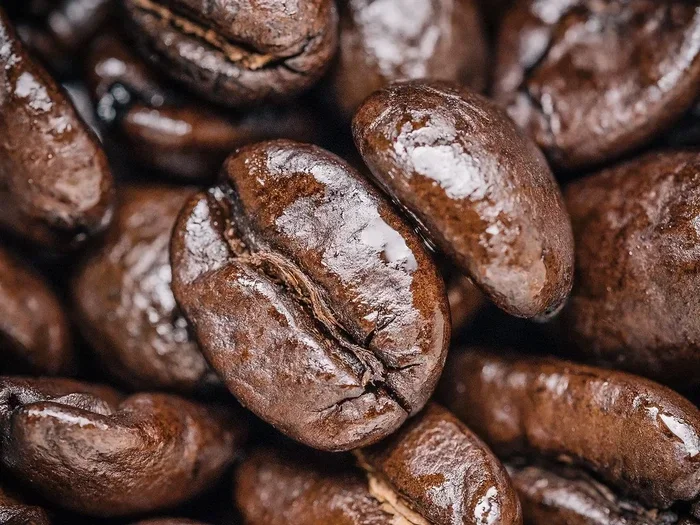
Espresso beans are usually roasted darker than regular coffee beans. Dark roasts bring out more oils and produce a bolder, more intense flavor. These oils are essential for creating crema and giving espresso its signature richness.
Regular coffee beans are often medium or light roasted. They tend to be brighter, fruitier, and more acidic. This flavor profile works well for slow brewing methods but falls flat under the pressure of an espresso machine.
Grind Size and Texture
This is where the biggest difference lies. Espresso requires a very fine grind, almost like powdered sugar. Regular coffee for drip machines is ground much coarser, like sea salt or breadcrumbs.
If you try to use coarse regular grounds in an espresso machine, the water rushes through without extracting enough flavor. A burr grinder can help you adjust the grind size, but it won’t turn regular coffee into espresso beans. You’ll get closer, but not the same.
Caffeine Content
Here’s a surprise for many people. Espresso actually has less caffeine per serving than regular drip coffee. A single shot of espresso contains about 63 milligrams of caffeine. A standard cup of drip coffee has around 95 milligrams.
So if you switch from espresso to regular coffee in your machine, you might actually get a slightly stronger caffeine kick per ounce. But because espresso shots are so small, the comparison gets confusing fast.
Can You Still Get Good Results?
Honestly? Yes, you can get a decent cup if you adjust your expectations and your technique. You won’t replicate a true espresso shot, but you can still enjoy a strong, flavorful coffee drink from your machine.
Choose the Right Regular Coffee
Not all regular coffee is equal when it comes to using it in an espresso machine. Here’s what to look for:
- Dark roast regular coffee: Dark roasts have more oils and a bolder flavor that mimics espresso better.
- Freshly roasted beans: Fresher beans have more carbon dioxide, which helps with extraction and crema.
- Whole beans over pre-ground: Whole beans let you control the grind size, which is critical for espresso.
- Single-origin beans: These often have more distinct flavors that come through even in a compromised brew.
Adjust Your Grind Size
If you have a burr grinder at home, this is your best friend. Set the grind as fine as possible without turning it into powder. You want the texture to be between table salt and powdered sugar. This gives the water enough resistance to extract flavor properly.
If you don’t have a grinder, you can try asking your coffee shop to grind the beans extra fine for espresso. Just tell them what machine you’re using. Most baristas will understand what you need.
Tamp the Grounds Firmly
When using regular coffee in an espresso machine, proper tamping becomes even more important. A firm, even tamp creates resistance that slows the water down just enough. This gives the coffee more time to extract.
Use about 18 to 20 grams of coffee for a double shot. Press down with about 30 pounds of pressure. You want the surface to be flat and uniform. Uneven tamping causes water to find weak spots and bypass the coffee entirely.
Adjust Your Brew Time
A standard espresso shot pulls for 25 to 30 seconds. When using regular coffee, you might need to adjust this slightly. If the shot runs too fast, try grinding finer or tamping harder. If it drips too slowly, the grind might be too fine.
Keep a notebook of your settings. Small changes make a big difference. Even a few seconds on the brew timer can transform the flavor of your cup.
Tips for Using Regular Coffee in Your Espresso Machine
Want to get the most out of regular coffee in your espresso machine? Here are some practical tips that make a real difference.
Clean Your Machine More Often
Regular coffee leaves different oils behind than espresso beans. These oils can build up in the portafilter, group head, and steam wand over time. A buildup of residue affects the taste of every shot you pull.
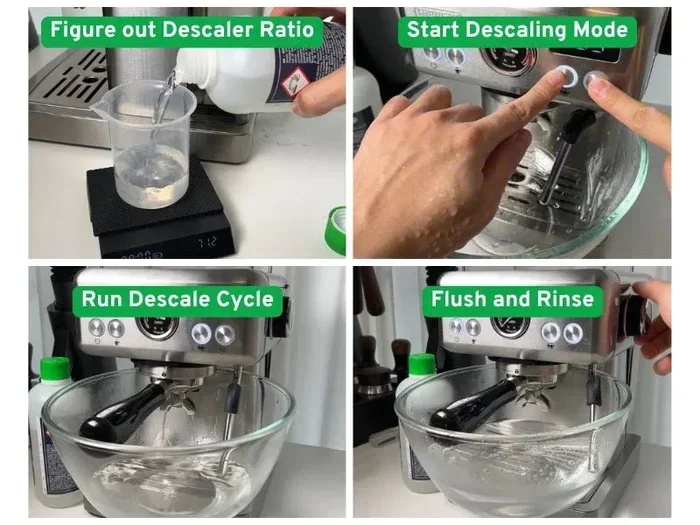
Run a cleaning cycle with hot water after every few uses. If your machine has a descaling function, use it regularly. Think of it the same way you’d clean a toaster oven after heavy use, much like keeping your oven clean with proper materials helps it perform better.
Warm Up the Machine First
Never skip the warm-up step. An espresso machine needs time to heat the group head and portafilter to the right temperature. Cold parts steal heat from the water, which lowers the brew temperature and weakens extraction.
Run a blank shot through the machine before you add coffee. This flushes out any cool water and brings the internal components up to temperature. You’ll notice a difference in flavor right away.
Use Filtered Water
The water you use matters more than you might think. Tap water contains minerals and chlorine that can interfere with coffee extraction and leave a funny taste. Filtered water gives you a cleaner, purer flavor profile.
Some espresso machines have built-in water filters. If yours does, make sure you replace them on schedule. Good water makes good coffee, period.
Don’t Overfill the Portafilter
It’s tempting to pack as much coffee as possible into the portafilter. But overfilling causes the water to find shortcuts through the grounds. You get channeling, which means uneven extraction and a sour or bitter taste.
Stick to the recommended amount for your machine. Most espresso baskets work best with 18 grams for a double shot. Level it out, tamp evenly, and let the machine do the rest.
Common Mistakes People Make
Even experienced coffee lovers make mistakes when trying to use regular coffee in an espresso machine. Here are the most common ones and how to avoid them.
Using Pre-Ground Regular Coffee
Pre-ground regular coffee from the grocery store is ground for drip machines, not espresso. The particle size is too large for proper extraction. You’ll get a watery, underwhelming shot every time. If you want to use regular coffee, invest in a burr grinder and grind whole beans yourself.
Expecting the Same Crema
Regular coffee simply cannot produce the same crema as fresh espresso beans. Don’t be disappointed if your shot looks thin and flat. The flavor can still be rich and enjoyable, even without the foam on top.
Ignoring the Brew Ratio
Espresso follows a specific brew ratio, usually 1:2. That means 18 grams of coffee should produce 36 grams of liquid espresso. Regular coffee tends to produce more liquid with less flavor, throwing off this ratio.
Weigh your input and output using a small kitchen scale. This simple step takes your coffee from guesswork to precision.
Skipping the Purge
Espresso machines need regular purging of the steam wand and group head. This removes old coffee oils and stale water. Skipping this step means your next shot will taste like the last one, plus whatever residue is left behind.
When Should You Just Use an Espresso Machine for Espresso?
There’s nothing wrong with using regular coffee in a pinch. But if you’re a daily espresso drinker, you’ll notice the difference over time. Espresso beans are specifically formulated and roasted to perform under pressure. They produce the best crema, the richest flavor, and the most balanced shot.
If you’re making espresso drinks every morning, it’s worth investing in proper espresso beans. A bag of quality espresso grounds costs about the same as regular coffee and delivers a dramatically better experience. Think of it like using the right pans for cooking, just like using the right pans for your oven makes a big difference in the final result.
That said, if you only use your espresso machine occasionally, or if you enjoy experimenting with different beans, regular coffee is a perfectly fine option. The best coffee is the coffee you enjoy drinking, no matter what type of bean you use.
Frequently Asked Questions
Can I use regular instant coffee in an espresso machine?
No, instant coffee is not designed for espresso machines. It dissolves in water and will clog your machine. It can also damage the internal components over time. Stick to regular ground or whole bean coffee for the best results and to protect your machine.
Will using regular coffee void my espresso machine warranty?
Most manufacturers don’t specifically cover damage caused by using the wrong type of coffee. But regularly using very coarse or very fine grounds can strain the pump and block the filter basket. Check your machine’s manual for specific guidance, and always use recommended grind settings to keep your warranty intact.
Can I use regular coffee pods in an espresso machine?
If your machine accepts pods, you can use regular coffee pods, but they’re designed for different brewing pressures. The result will be weaker and less concentrated than true espresso. Some machines have settings for both pod and ground coffee, so check your model’s options.
How does the taste compare to real espresso?
Regular coffee in an espresso machine tastes thinner, less intense, and often more acidic than real espresso. You’ll notice a lack of body and crema. Some people enjoy this lighter version, but espresso lovers will likely find it unsatisfying compared to a shot made with proper espresso beans.
Can I make a latte or cappuccino with regular coffee in my espresso machine?
Yes, you can. The milk in lattes and cappuccinos masks some of the flavor differences. Your drink will still taste like a coffee milk beverage, but the espresso base won’t have the same depth and richness. If you’re making milk-heavy drinks, the difference is less noticeable than in a straight espresso shot.
Is it better to use regular coffee or espresso beans if I’m new to espresso?
If you’re just starting out, espresso beans are the better choice. They’re designed to work with the pressure and speed of an espresso machine, so you’ll get a more satisfying result as you learn the ropes. Regular coffee can work, but it adds an extra layer of complexity that might frustrate beginners.
Final Thoughts
So, can you use regular coffee in an espresso machine? Absolutely. Will it give you the same experience as espresso beans? Not quite. But it’s a perfectly valid option when you’re in a pinch or just feeling experimental.
The key takeaways are simple. Use dark roast beans if possible, grind them as fine as you can, tamp evenly, and adjust your expectations. You’ll get a strong, flavorful coffee drink that’s close enough to espresso for most purposes. And if you find yourself enjoying it more than you expected, there’s no shame in sticking with what works for you.
Coffee is all about personal preference. The best machine in the world can’t make a bad cup if you don’t enjoy the process. So grab your regular coffee, fire up your espresso machine, and enjoy the ride. You might just discover a new favorite way to drink your coffee.