Does An Air Fryer Always Need To Heat Up Before Cooking
Does an air fryer need to heat up before you start cooking? The short answer is: it depends on what you’re making. Some foods benefit greatly from a preheated air fryer, while others cook just fine from cold. In this guide, we’ll walk you through exactly when to preheat and when you can skip it.
Key Takeaways
- Preheat for crispy foods: Foods that need a crunchy exterior like fries, chicken, and tempura do best in a preheated air fryer.
- Skip preheat for slow-cook items: Items like casseroles, roasted vegetables, and large cuts of meat can go straight into a cold air fryer.
- Preheating takes 3-5 minutes: Most air fryers reach the right temperature quickly, so it won’t add much time to your routine.
- Temperature accuracy matters: A preheated air fryer ensures your food starts cooking at the exact right temperature from the very first second.
- Energy use is minimal: Preheating an air fryer uses very little electricity compared to a full oven.
- Batch cooking tip: When cooking multiple batches, a quick reheat between rounds keeps results consistent.
📑 Table of Contents
- Does an Air Fryer Need to Heat Up Before Cooking?
- What Happens When an Air Fryer Heats Up?
- When You Should Preheat Your Air Fryer
- When You Can Skip the Preheat
- How Long Should an Air Fryer Take to Heat Up?
- Does Preheating Affect Cooking Time and Results?
- Tips for Getting the Best Results in Your Air Fryer
- Common Mistakes People Make About Preheating
- Expert Insights on Air Fryer Preheating
- Key Takeaways
- Frequently Asked Questions
- Conclusion
Does an Air Fryer Need to Heat Up Before Cooking?
If you just got your first air fryer, you might be wondering about one simple question: does it need to warm up first? It’s a fair question. After all, some recipes say to preheat, while others seem to jump right into cooking. The confusion is real, and it can affect how your food turns out.
The truth is that preheating an air fryer matters for some dishes but not for others. A hot air fryer helps certain foods get that perfect golden crunch. But for bigger cuts of meat or slow-roasted veggies, starting from a cold air fryer works just fine. Knowing the difference saves you time and improves your results.
In this guide, we’ll cover everything you need to know. You’ll learn when preheating helps, when it’s a waste of time, and how to get the best cooking performance from your countertop appliance every single time.
What Happens When an Air Fryer Heats Up?
Before we dive into the preheat debate, let’s understand what’s actually happening inside your air fryer. An air fryer works by blowing hot air around your food at high speed. The heating element gets hot, and the fan pushes that hot air in a circular motion. This is called hot air circulation.
The Science Behind Air Fryer Heating
When you turn on your air fryer, the heating element inside the top or back of the unit starts warming up. The fan kicks in and begins moving that hot air around the cooking basket. This rapid flow of hot air removes moisture from the surface of your food, which creates that satisfying crunch.
Think of it like a tiny, powerful convection oven sitting on your countertop. The fan speed and heating element work together to cook food faster than a traditional oven. That’s why many people compare the air fryer vs oven debate and find the air fryer wins for speed and crispiness.
Why Temperature Consistency Matters
When your air fryer is fully heated, the temperature inside the cooking chamber stays steady. This steady heat is what gives you even cooking results. If you put food into a cold air fryer, the temperature drops. The unit has to work harder to climb back up to the set temperature. This can lead to uneven cooking and less crispy results.
That’s exactly why are air fryer and oven temperatures the same is a common question. While the settings might match on paper, the actual cooking environment differs because of the fan and basket design.
When You Should Preheat Your Air Fryer
Preheating your air fryer is important for certain types of food. If you want the best results, you should definitely preheat in these situations.
Foods That Need a Hot Start
Some foods rely on immediate high heat to get their signature texture. Here’s when preheating makes a big difference:
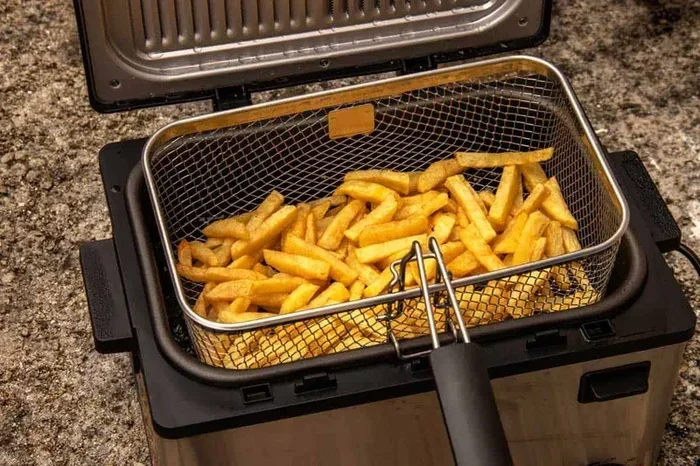
- Frozen fries and tater tots — A hot air fryer crisps the outside quickly and keeps the inside fluffy.
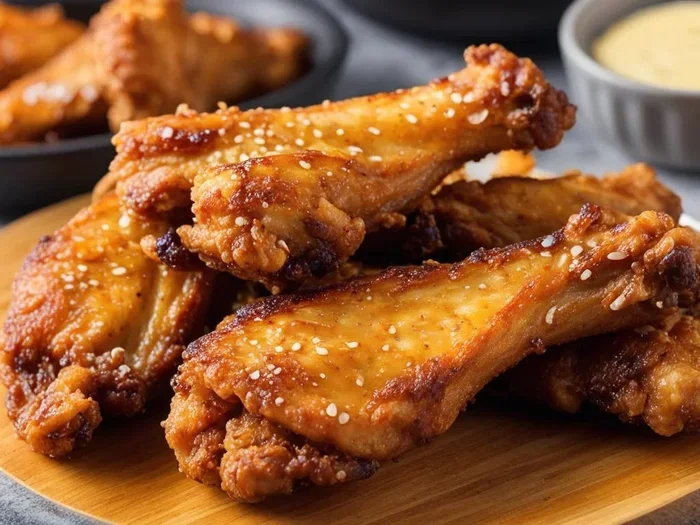
- Chicken wings and tenders — You want that golden-brown skin right from the start.
- Tempura and battered foods — The batter needs instant heat to set and crisp up.
- Pastry and dough items — Things like donuts and hand pies puff up better in a preheated unit.
- Reheating leftovers — Want to bring back the crunch? Start with a hot basket.
For all of these foods, a preheated air fryer gives you results that are miles ahead of starting from cold. The hot air hits the food immediately, sealing the outside and locking in moisture.
Frozen Foods and the Preheat Advantage
If you’re cooking something straight from the freezer, preheating is especially important. Frozen foods have a lot of moisture trapped inside. When you place them in a hot air fryer, that moisture turns to steam quickly. The steam escapes through the crust, leaving it dry and crispy.
In a cold air fryer, the heating takes longer. The food sits in a warm but not hot environment, and the moisture release is slower. This often leads to soggy or rubbery results. So if you’re wondering about cook frozen food in air fryer recipes, always start with a preheat.
Batch Cooking and Consistency
If you’re cooking food in multiple batches, preheating between rounds is a smart move. The basket cools down after the first batch. A quick reheat of 1-2 minutes brings the temperature back up. This keeps every batch equally crispy and evenly cooked.
When You Can Skip the Preheat
Not every dish needs a hot start. In fact, skipping the preheat can actually be better for certain types of cooking. Here’s when you can safely go ahead without preheating your air fryer.
Large Cuts of Meat
Big items like whole chickens, roasts, and thick cuts of beef benefit from a gradual temperature rise. Starting in a cold air fryer lets the heat penetrate to the center slowly. This reduces the risk of a burned exterior and a raw interior. Think of it like a low-and-slow approach that works perfectly in a compact space.
For example, if you’re figuring out how long to cook a turkey in oven overnight using an air fryer adaptation, you’d definitely want to start from cold for even heat distribution.
Roasted Vegetables
Vegetables like potatoes, carrots, and broccoli do well starting in a cold basket. They have more moisture and a thicker structure. The slowly rising heat softens them evenly from the inside out. You’ll still get good browning on the outside without burning the edges.
Casseroles and Baked Dishes
If you’re making a casserole or a baked pasta dish in your air fryer, there’s no need to preheat. These dishes need sustained, even heat to cook through. A cold start gives them the gentle warm-up they need. The fan and heating element will bring the temperature up gradually while the food cooks at its own pace.
Eggs and Delicate Items
Believe it or not, some people cook eggs in their air fryer. Hard-boiled eggs, for instance, are often placed in a cold basket. Starting from cold helps prevent the shells from cracking due to sudden temperature shocks. The same goes for delicate fish fillets that might dry out too fast in a preheated unit.
How Long Should an Air Fryer Take to Heat Up?
Good news: air fryers are fast. Unlike a full-size oven that can take 10-15 minutes to preheat, most air fryers are ready in just a few minutes. Here’s a general breakdown:
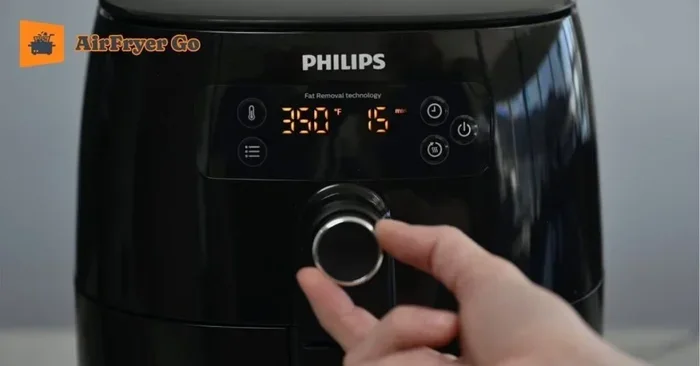
- 3 minutes — Standard preheat for most models at 350°F to 375°F.
- 5 minutes — Higher temperatures like 400°F or above may need a bit more time.
- 1-2 minutes — Reheating between batches usually takes just a quick burst of heat.
Does an Air Fryer Take Less Time Than an Oven to Heat Up?
Absolutely. The compact cooking chamber and powerful fan mean your air fryer reaches target temperatures much faster than a conventional oven. If you’re curious about the difference, check out our detailed comparison on does air fryer take less time than oven for a full breakdown of timing and energy use.
The small size of the cooking area is the biggest reason. There’s less space to heat, so the warm air fills the chamber almost instantly. This is one of the biggest advantages of using an air fryer for quick meals and quick meal prep.
Factors That Affect Preheat Time
Several things can change how long your specific unit takes to heat up:
- Model and brand — Higher-end models with more powerful heating elements preheat faster.
- Temperature setting — Higher temperatures naturally take longer to reach.
- Ambient temperature — A cold kitchen in winter means a slightly longer preheat.
- Basket load — An empty basket heats up faster than one loaded with food.
- Altitude — This is a minor factor, but it can affect cooking performance slightly.
Does Preheating Affect Cooking Time and Results?
Yes, it does. Preheating doesn’t just change the temperature — it changes how your food cooks from the very first minute. Here’s a closer look at the impact.
Preheating Reduces Overall Cook Time
When your air fryer is already at the right temperature, your food starts cooking immediately. There’s no waiting around for the unit to reach the target heat. This can shave a few minutes off your total cook time. It also means more consistent results every single time.
If you’re adjusting recipes from oven to air fryer, understanding how to adjust oven time to air fryer timing is crucial. Preheating helps bridge that gap between the two cooking methods.
The Difference in Food Texture
The biggest visible difference shows up in the texture. Preheated cooking gives you:
- Crispier exteriors — The immediate high heat dries and browns the surface fast.
- Better browning — The Maillard reaction kicks in sooner, creating deeper flavor.
- Less oil absorption — Foods cooked in a hot basket absorb less cooking oil spray.
- More even cook — The fan circulates steady heat from the start for uniform results.
Energy Consumption: Is Preheating Worth It?
Some people worry about extra energy use. The good news is that preheating an air fryer uses very little electricity. Since it’s a small countertop appliance, it draws far less power than a full oven. Preheating for 3-5 minutes adds only a tiny fraction to your energy bill. The energy savings from using an air fryer instead of an oven more than make up for it.
Comparison: Preheated vs Cold Start
| Factor | Preheated Air Fryer | Cold Start Air Fryer |
|---|---|---|
| Best for | Fried foods, frozen items, reheating | Large roasts, casseroles, vegetables |
| Texture | Crispier, more golden | Softer, more even throughout |
| Cook time | Slightly shorter | Slightly longer |
| Consistency | High — same results every time | Moderate — depends on food type |
| Energy use | Minimal extra | Slightly less |
Tips for Getting the Best Results in Your Air Fryer
Now that you know when to preheat and when to skip it, here are some practical tips to level up your air fryer cooking game.
Don’t Overcrowd the Basket
This is the number one mistake people make. Overcrowding blocks the hot air circulation your air fryer relies on. Food ends up steamed instead of crispy. Leave some space between each piece so the fan can do its job. If you need to cook more, do it in multiple batches.
Use Cooking Oil Spray Wisely
A light coat of oil helps certain foods brown better. But too much oil can drip into the basket and create smoke. A fine mist spray works best. Pay attention to the cooking oil spray amount — a little goes a long way in an air fryer.
Shake or Flip Midway
For small and irregularly shaped items, give the basket a shake halfway through cooking. This ensures all sides get equal exposure to the hot air. For larger items like chicken breasts, flipping once is enough. This simple step makes a noticeable difference in the final result.
Check Temperature Accuracy
Not all air fryers display the true temperature inside the cooking chamber. Some run hotter or cooler than what the dial says. If you’re serious about getting perfect results, consider using a small oven thermometer. This helps you understand your specific unit’s cooking performance and make adjustments.
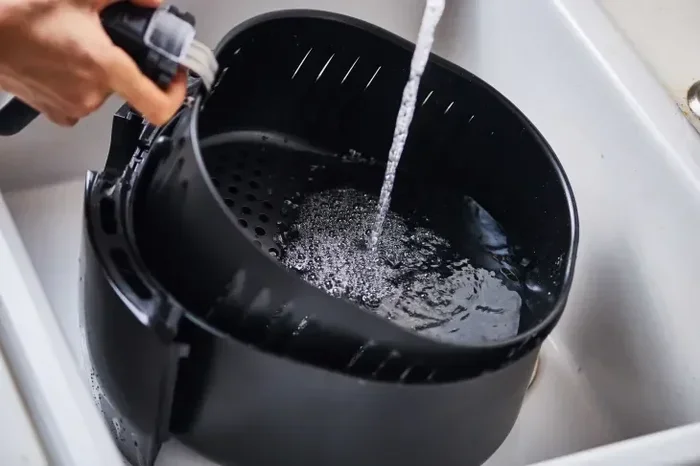
Clean Your Air Fryer After Every Use
Grease and food buildup affect heating efficiency and even introduce off-flavors. A clean air fryer runs better and lasts longer. For specific cleaning guidance on popular models, see our guide on how to clean Cosori air fryer toaster oven for step-by-step instructions that apply to most units.
Preheat When Reheating
Whether it’s leftover pizza, roasted chicken, or fries, always preheat before reheating. A hot air fryer restores the original crunch far better than starting cold. It takes just a couple of minutes and makes reheated food taste almost as good as fresh.
Common Mistakes People Make About Preheating
Even experienced air fryer users sometimes get this wrong. Here are a few common mistakes to avoid.
- Preheating every single time. This wastes time on dishes that don’t need it. Be intentional about when you do it.
- Skipping preheat for crispy foods. If you want crunch, don’t skip this step. The hot start is what creates that texture.
- Overheating before adding food. Preheating for too long can dry out the cooking chamber and affect results. Stick to the recommended time.
- Forgetting to preheat between batches. The basket loses heat fast. A quick reheat keeps batch-to-batch results consistent.
Expert Insights on Air Fryer Preheating
Professional chefs and kitchen appliance experts generally agree: preheat when the recipe calls for high heat and a crispy result. The consensus is that a preheated air fryer mimics the effect of a hot pan or oil bath much better than a cold one. For more in-depth reading on cooking performance and temperature settings, resources like the USDA’s food safety guidelines can help you understand safe internal cooking temperatures for various foods.
Many test kitchens, including the well-known Cook’s Illustrated, have tested air fryers both ways and confirmed that preheating improves results for breaded, fried, and frozen foods. The difference is most noticeable on items where texture is the star of the show.
Key Takeaways
Let’s wrap up everything we’ve covered. Here’s your quick reference guide:
- Preheat for crispy foods: Fried items, frozen foods, and reheated leftovers all benefit from a hot start.
- Skip preheat for large items: Whole meats, roasts, and casseroles cook better starting from cold.
- Preheat takes only 3-5 minutes: It’s a quick step that doesn’t add much time or energy to your cook.
- Temperature consistency is key: A preheated unit delivers even heat for better browning and texture.
- Don’t overcrowd the basket: Proper spacing matters more than preheat for some dishes.
- Reheat between batches: Keep your second and third batches just as crispy as the first.
- Experiment and adjust: Every air fryer model behaves slightly differently. Learn yours through trial and observation.
Frequently Asked Questions
Does an air fryer need to heat up before cooking frozen food?
Yes, for the best results, preheat your air fryer before cooking frozen foods. Items like fries, chicken nuggets, and tater tots come out much crispier when they hit a hot basket right away. The immediate high heat locks in the exterior while the inside heats through evenly.
Can I put food in my air fryer while it’s heating up?
You can, but it’s not ideal. Putting food in during the preheat phase means it starts cooking at a lower temperature. This can lead to uneven results. It’s better to wait until the unit beeps or signals that it’s reached the target temperature, then add your food.
How long should I preheat my air fryer for most recipes?
Most recipes call for a 3-5 minute preheat at the target temperature. For lower temperatures around 300-350°F, three minutes is usually enough. For higher temperatures like 400°F or above, give it five minutes. Always check your specific model’s manual for recommended times.
Does preheating an air fryer use a lot of electricity?
Not at all. An air fryer is a small countertop appliance that uses far less power than a full-size oven. Preheating for 3-5 minutes adds a negligible amount to your electricity bill. The energy savings from using an air fryer instead of an oven overall are significant.
Is it okay to skip preheating for chicken in the air fryer?
It depends on the cut. For small pieces like wings, tenders, or nuggets, preheating gives you a much crispier result. For larger, thicker cuts like a whole chicken breast or roast, starting from a cold basket can actually help the inside cook through without drying out the outside.
What happens if you don’t preheat your air fryer?
Your food will still cook, but the results may differ. You might get less browning, a softer texture, and slightly longer cook times. For some foods like casseroles and large roasts, it won’t matter at all. For crispy fried foods, skipping the preheat is the main reason you might not get that satisfying crunch.
Conclusion
So, does an air fryer need to heat up before cooking? As we’ve covered, the answer depends entirely on what you’re making. For crispy, golden, fried foods and frozen favorites, preheating is the way to go. It takes just a few minutes and makes a noticeable difference in both texture and cook time. For large roasts, casseroles, and slow-cook items, starting from cold works perfectly and even has its advantages.
The beauty of the air fryer is its versatility. It can handle both approaches with ease. Now that you understand the air fryer preheat process, you can confidently tackle any recipe. Pay attention to the food type, adjust your approach, and don’t be afraid to experiment. With these tips in your back pocket, every meal will come out better, crispier, and more delicious than before.
Start applying what you’ve learned today. Fire up your air fryer, preheat when it counts, and enjoy the incredible results that this amazing kitchen appliance has to offer. Your next meal is going to be delicious.