Does Cold Brew Taste Like Regular Brewed Morning Coffee
Does cold brew taste like regular brewed morning coffee? The short answer is no — cold brew has a smoother, less acidic flavor profile that sets it apart from hot brewed coffee. The cold water extraction process creates a coffee drink with a naturally sweeter and milder taste. Understanding these differences helps you pick the right brew for your palate and caffeine needs.
You walk into your kitchen every morning craving a fresh cup of coffee. But lately, you have been hearing a lot about cold brew. Maybe a friend won’t stop talking about it. Maybe you saw it on a menu and wondered what the big deal is. So you ask yourself, does cold brew taste like coffee? The answer might surprise you.
Does cold brew taste like regular brewed morning coffee? Not exactly. Cold brew has a distinct flavor that sets it apart from your standard hot cup. It is smoother, sweeter, and less bitter. The brewing method changes everything. In this article, we will break down the differences in taste, explain how cold brew is made, and help you decide if it is worth switching to. Let us dive in.
Key Takeaways
- Cold brew tastes smoother and less bitter than hot brewed coffee due to the cold water extraction process.
- The steeping time matters — cold brew typically steeps for 12 to 24 hours, which changes the flavor completely.
- Acidity levels are lower in cold brew, making it gentler on your stomach.
- Cold brew concentrate can be diluted to customize the strength and taste of your coffee drink.
- Grinding your own beans matters — check out Can Coffee Grinder Be Used For Wet Grinding for tips on getting the right grind size.
- Caffeine content can be higher in cold brew depending on the ratio and dilution you use.
📑 Table of Contents
- What Is Cold Brew Coffee?
- How Cold Brew Differs From Regular Coffee
- The Flavor Profile of Cold Brew
- Cold Brew vs Hot Brewed Coffee: A Side-by-Side Comparison
- How to Make Cold Brew at Home
- Is Cold Brew Right for You?
- Common Mistakes People Make with Cold Brew
- Expert Insights on Cold Brew Flavor
- Conclusion
What Is Cold Brew Coffee?
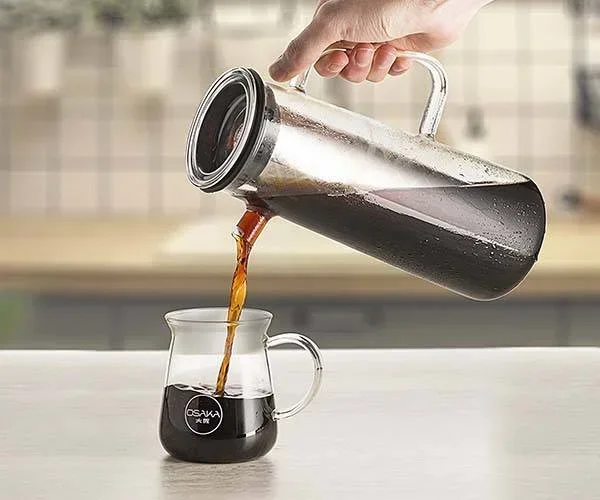
Cold brew is a coffee drink made by steeping coffee grounds in cold or room-temperature water for a long time. Unlike regular coffee, which uses hot water to extract flavors quickly, cold brew relies on time. The process is called cold water extraction. It pulls out different compounds from the coffee beans than hot water does.
The result is a coffee concentrate that tastes very different from a cup of hot brewed coffee. You can drink it straight, add water, or mix it with milk. Many people use it to make iced coffee during the warmer months. It has become one of the most popular drinks at coffee shops across the country.
How Long Does Cold Brew Steep?
The steeping time for cold brew is much longer than hot brewing. Most recipes call for 12 to 24 hours of steeping. Some people even go up to 36 hours. The longer the steep, the stronger and more concentrated the flavor becomes. This extended time is what gives cold brew its unique taste profile.
How Cold Brew Differs From Regular Coffee
The main difference comes down to temperature and time. Hot water extracts oils and acids from the coffee grounds quickly. This creates the bold, sometimes bitter flavor you associate with a morning cup. Cold water extracts flavors slowly and differently. It pulls out fewer of the bitter compounds and more of the natural sweetness.
Here is a simple way to think about it. Hot brewing is like a sprint. It gets the job done fast but can be harsh. Cold brewing is like a slow walk. It takes its time and produces a gentler result. Both methods use the same basic ingredients — water and coffee beans. But the outcome is surprisingly different.
The Role of Temperature in Flavor
Temperature plays a huge role in how your coffee taste develops. Hot water activates certain chemical compounds that create acidity and bitterness. Cold water does not activate those compounds the same way. This is why cold brew often tastes smoother and less sharp. The lower temperature also preserves more of the natural sugars in the beans.
If you have ever found regular coffee too acidic or harsh on your stomach, cold brew might be a great alternative. The acidity levels are significantly lower. Many coffee drinkers who struggle with stomach issues find that cold brew sits much better with them.
The Flavor Profile of Cold Brew
So what does cold brew actually taste like? The flavor is often described as smooth, mellow, and naturally sweet. There is very little bitterness compared to hot brewed coffee. Some people detect notes of chocolate, caramel, or even fruit depending on the coffee beans used.
Because the extraction process is so gentle, cold brew tends to highlight the sweeter side of coffee. You are less likely to taste the roasted or burnt notes that sometimes show up in a hot cup. The overall experience is cleaner and more refreshing, especially when served over ice.
Sweetness Without Added Sugar
One of the best things about cold brew is that it often tastes sweet on its own. You might not need to add any sugar or flavored syrup. The natural sweetness comes from the slow extraction process. This makes it a great choice if you are trying to cut back on sweeteners but still want a delicious coffee drink.
Of course, you can always customize it. Add a splash of milk, a dollop of cream, or even a pump of vanilla. The base flavor is already so smooth that it mixes beautifully with add-ins. Try making your own version at home with a recipe for How To Make Your Own Dunkin Iced Coffee to see how easy it can be.
Cold Brew vs Hot Brewed Coffee: A Side-by-Side Comparison
Let us put the two side by side so you can see the differences clearly. Both drinks start with the same core ingredient — coffee. But the brewing method changes everything about the final cup.
| Feature | Cold Brew | Hot Brewed Coffee |
|---|---|---|
| Brewing Temperature | Cold or room temperature water | Hot water (195°F to 205°F) |
| Steeping Time | 12 to 24 hours | 2 to 5 minutes |
| Flavor Profile | Smooth, sweet, mellow | Bold, acidic, sometimes bitter |
| Acidity Level | Lower | Higher |
| Caffeine Content | Often higher (concentrated) | Moderate |
| Best Served | Iced or over ice | Hot or iced |
| Brewing Method | Slow extraction | Quick extraction |
As you can see, the differences are significant. Cold brew is not just hot coffee that has been cooled down. It is a completely different brewing process that creates a different taste. If you have been drinking hot coffee your whole life, giving cold brew a try could open up a whole new world of flavor.
Which One Has More Caffeine?
This is a common question. The answer depends on how you prepare it. Cold brew concentrate can have a higher caffeine content because of the ratio of coffee grounds to water. However, most people dilute cold brew with water or milk before drinking. When diluted, the caffeine level can be similar to or even lower than hot brewed coffee. It all comes down to how you serve it.
How to Make Cold Brew at Home
Making cold brew at home is surprisingly easy. You do not need any fancy equipment. All you need is coffee grounds, cold water, and some patience. Here is a simple method you can try today.
- Grind your coffee beans. Use a coarse grind for the best results. A fine grind can make the coffee taste muddy. If you are curious about grinding techniques, check out Can Coffee Grinder Be Used For Wet Grinding for more insights on grind sizes.
- Mix the grounds with cold water. Use a ratio of about 1 cup of grounds to 4 cups of water. Stir gently to make sure all the grounds are wet.
- Let it steep. Cover the mixture and leave it in the fridge for 12 to 24 hours. The longer it steeps, the stronger the flavor.
- Strain the mixture. Use a fine mesh strainer or cheesecloth to remove the grounds. Pour the liquid into a jar or bottle.
- Dilute and serve. Add water, milk, or ice to your desired strength. Enjoy your smooth, homemade cold brew.
Tips for the Best Cold Brew
- Always use fresh coffee beans for the best flavor.
- Grind the beans just before mixing them with water.
- Use filtered water for a cleaner taste.
- Experiment with steeping times to find your perfect flavor.
- Store your cold brew concentrate in the fridge for up to two weeks.
Keeping your brewing equipment clean is also important. If you use a coffee maker or any kitchen appliance, regular maintenance ensures better-tasting results. For tips on maintaining your coffee equipment, read about How Do You Decalcify A Keurig Coffee Maker to keep your machine running at its best.
Is Cold Brew Right for You?
Now that you know how cold brew tastes and how it is made, the real question is: should you switch? The answer depends on your personal preferences and what you value in a coffee drink.
If you love bold, bitter coffee with a strong kick, you might prefer traditional hot brewing. But if you enjoy smooth, sweet, and mellow flavors, cold brew is worth trying. It is also a great option for people who want a refreshing drink during the summer or those who have sensitive stomachs.
Who Should Try Cold Brew?
- People who find regular coffee too bitter or acidic.
- Those who enjoy iced coffee but want a smoother taste.
- Anyone looking for a less complicated morning routine.
- Coffee lovers who want to experiment with new flavors.
- People who prefer natural sweetness without adding sugar.
Cold brew is not a replacement for hot coffee. It is an alternative. Both have their place in the world of coffee. The beauty is that you get to choose what suits your mood and taste buds on any given day. Some mornings you might want a hot cup of regular brew. Other days, a cold, smooth glass of cold brew hits the spot perfectly.
Quick Tips for Cold Brew Beginners
- Start with a milder ratio and adjust to taste.
- Do not over-steep. 12 hours is usually enough for a balanced flavor.
- Try different coffee bean origins to explore various flavor notes.
- Keep your cold brew concentrate separate from dilution so it lasts longer.
- Share your creation with friends — cold brew makes a great summer refreshment.
Common Mistakes People Make with Cold Brew
Even though cold brew is simple to make, there are a few mistakes that can ruin the experience. Avoiding these pitfalls will help you get the best flavor every time.
- Using too fine a grind. This leads to over-extraction and a muddy, gritty cup. Stick with a coarse grind for clean results.
- Not steeping long enough. Cold brew needs time. Cutting the steeping short results in a weak, watery drink that lacks depth.
- Using hot water by accident. The whole point is cold water extraction. If you use hot water, you are just making regular coffee and defeating the purpose.
- Skipping the strain. Leaving fine particles in your brew creates a gritty texture. Always strain thoroughly using a fine mesh or cheesecloth.
- Using old or stale beans. Fresh beans make a huge difference in flavor. Always check your roast date before grinding.
By avoiding these common mistakes, you will be well on your way to making a perfect cup of cold brew every single time. The process is forgiving, but a few small adjustments can take your brew from good to great.
Expert Insights on Cold Brew Flavor
Coffee professionals and baristas agree that cold brew offers a unique tasting experience. Because the extraction happens slowly over many hours, the final product highlights different flavor compounds than hot brewing does. Many experts describe cold brew as having a fuller body with a naturally sweet finish.
The lower acidity is one of the most praised aspects. For people who love coffee but avoid it because of stomach discomfort, cold brew can be a game-changer. It allows them to enjoy their favorite drink without the unpleasant side effects that often come with hot brewed coffee.
Experts also recommend experimenting with different beans and ratios. Not all cold brews taste the same. The type of bean, the roast level, and the steeping time all contribute to the final flavor. This is what makes cold brew so fun to explore. You can make it your own every time you brew a batch.
Conclusion
So, does cold brew taste like regular brewed morning coffee? The answer is clear now. Does cold brew taste like coffee — yes, but it is a very different kind of coffee experience. Cold brew is smoother, sweeter, and less acidic than its hot-brewed counterpart. The cold water extraction process and long steeping time create a flavor profile that stands on its own.
Whether you are a lifelong hot coffee drinker or someone looking for a refreshing new option, cold brew has something to offer. It is easy to make at home, customizable to your taste, and incredibly satisfying on a warm day or any day of the year. Give it a try. Your taste buds might thank you.
Remember, the world of coffee is vast and full of options. Hot brew, cold brew, iced coffee, espresso — they all have their place. The best coffee is the one you enjoy the most. So grab your favorite coffee beans, some cold water, and start experimenting. You might just discover your new favorite morning ritual.
Frequently Asked Questions
Does cold brew have less caffeine than regular coffee?
Not necessarily. Cold brew concentrate can actually have more caffeine than hot brewed coffee because of the high ratio of coffee grounds to water. However, most people dilute cold brew before drinking, which brings the caffeine level down to a similar range as regular coffee. The final caffeine content depends entirely on how much you dilute your brew.
Can I use regular ground coffee for cold brew?
Yes, you can. However, a coarse grind works best for cold brew because it extracts more slowly and produces a cleaner taste. Regular pre-ground coffee can work, but freshly ground beans will give you a much better flavor. Make sure your grind is not too fine to avoid a gritty cup.
How long does cold brew last in the fridge?
Cold brew concentrate can last up to two weeks when stored in the fridge in an airtight container. Diluted cold brew should be consumed within two to three days for the best taste. Always keep it refrigerated to maintain freshness and prevent bacterial growth.
Why does cold brew taste less bitter than hot coffee?
Cold water extracts fewer of the bitter compounds and acids from the coffee grounds. The slow extraction process pulls out more natural sweetness and fewer harsh flavors. This is why cold brew has a noticeably smoother and less bitter taste compared to hot brewed coffee.
Can I heat up cold brew to make it hot?
Yes, you can. Some people enjoy cold brew concentrate mixed with hot water for a warm cup. It will taste different from traditional hot brewed coffee because the extraction method is different, but it can be a pleasant and smooth hot coffee experience. Experiment with the ratio to find what you like best.
What is the best coffee beans for cold brew?
Medium to dark roast beans tend to work well for cold brew because they bring out chocolatey, caramel-like sweetness. However, light roast beans can also produce a bright and fruity cold brew. The best beans are the ones you enjoy drinking. Try a few different roasts to discover your personal favorite.