Does Cold Brew Coffee Extract Have Caffeine Or Not
Yes, cold brew coffee extract does contain caffeine. In fact, it often packs more caffeine per ounce than regular brewed coffee. The cold water steeping process pulls out caffeine slowly over time, creating a concentrated caffeine boost in every drop. How much caffeine you get depends on the beans you use, how long you steep, and how you dilute the extract.
Cold brew coffee has taken the coffee world by storm. People love it for its smooth taste and low acidity. But there is one question that keeps popping up: does cold brew coffee extract have caffeine? If you are a coffee lover who relies on that daily caffeine hit, this is a fair question to ask. The short answer is yes. But the full story is a lot more interesting than a simple yes or no.
Cold brew coffee extract is not the same thing as a regular cup of cold brew. The extract is a super-concentrated form of coffee. It is made by steeping coffee grounds in cold water for a very long time, sometimes up to 24 hours or more. Because of this long steeping process, the result is a thick, potent liquid packed with coffee flavor and caffeine. In this article, we will walk through everything you need to know about the caffeine content in cold brew extract. We will cover how it is made, how much caffeine it actually contains, and what factors change the final caffeine levels.
Key Takeaways
- Cold brew extract contains caffeine: The cold steeping process draws out caffeine just like hot brewing does.
- Concentration is higher: Cold brew extract is more concentrated than regular cold brew coffee, so caffeine levels per ounce are greater.
- Steeping time matters: Longer steeping times pull more caffeine from the grounds into the liquid.
- Bean choice plays a role: Dark roast and light roast beans differ in caffeine content, and the grind size affects extraction.
- Dilution changes everything: How much water or milk you add to the extract determines your final caffeine intake per serving.
- You can control your intake: Adjusting the ratio of extract to water gives you full control over how much caffeine you consume.
📑 Table of Contents
- What Exactly Is Cold Brew Coffee Extract?
- Does Cold Brew Coffee Extract Have Caffeine?
- How Does Caffeine Get Extracted in Cold Water?
- What Factors Change the Caffeine Levels in Cold Brew Extract?
- How Much Caffeine Is Actually in Cold Brew Extract?
- Managing Your Caffeine Intake with Cold Brew Extract
- Common Myths About Caffeine in Cold Brew Extract
- Final Thoughts on Cold Brew Coffee Extract and Caffeine
What Exactly Is Cold Brew Coffee Extract?
Before we dive into caffeine, let us clear up what cold brew coffee extract actually is. Many people use the term “cold brew” and “cold brew extract” as if they are the same thing. They are not. Regular cold brew coffee is made by steeping coarse coffee grounds in cold water for 12 to 24 hours. Then you strain it out and drink it. It is already a strong coffee, but it is ready to drink as-is.
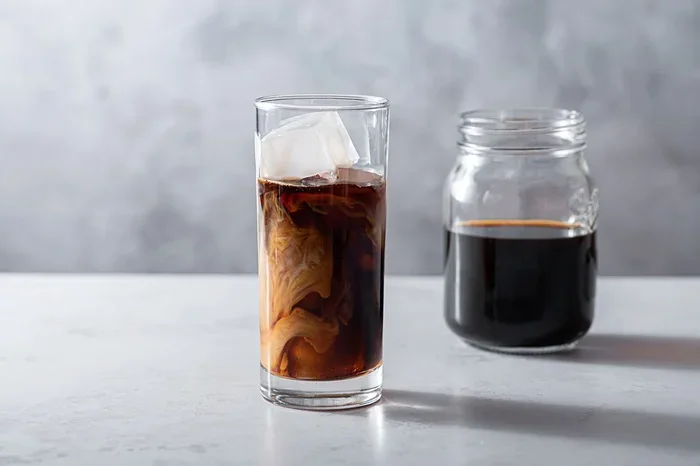
Cold brew extract, on the other hand, is a step further. It uses a higher ratio of coffee grounds to water. Sometimes the ratio is two parts coffee to one part water, or even stronger. The result is a thick, syrupy concentrate that is not meant to be drunk straight. You dilute it with water, milk, or ice before drinking. This concentrate is what people call cold brew coffee extract. It is the base that gives you a quick and easy caffeine boost whenever you want it.
How Is Cold Brew Extract Different from Regular Cold Brew?
The main difference is the concentration. Regular cold brew is already brewed and ready to drink. Cold brew extract is a raw, undiluted base. Think of it like a syrup versus a finished drink. You would not drink syrup straight from the bottle, right? You mix it with something else. That is exactly what you do with cold brew extract.
Because extract is so concentrated, it also has more caffeine per ounce. When you dilute it, the caffeine level drops depending on how much water or milk you add. But before dilution, the extract is a serious caffeine powerhouse. This is why so many coffee lovers use it as a quick base for iced coffee, lattes, and even cocktails.
Does Cold Brew Coffee Extract Have Caffeine?
The simple answer is yes. Cold brew coffee extract absolutely has caffeine. The cold water extraction process pulls caffeine out of the coffee grounds just like hot water does. It just takes longer. Cold water extracts caffeine more slowly, but over a long steeping period, it pulls out a significant amount. The result is a drink with a strong caffeine kick.
Some people wonder if cold brew has less caffeine because it is made with cold water. That is a common myth. The temperature of the water does not stop caffeine from being extracted. It just changes the speed and the flavor profile. Cold brewing gives you a smoother taste with less bitterness. But it does not reduce the caffeine content. In many cases, cold brew extract has more caffeine than a standard hot cup of drip coffee.
Cold Brew Extract vs Hot Brewed Coffee: Caffeine Comparison
Let us put this into perspective. A standard 8-ounce cup of hot brewed coffee has about 95 milligrams of caffeine on average. A similar serving of cold brew coffee (already diluted) has around 100 to 200 milligrams. But cold brew extract before dilution? That number goes way up. A single ounce of cold brew extract can contain anywhere from 150 to 250 milligrams of caffeine or more.
Here is the thing that surprises people. When you dilute the extract, you bring the caffeine level down. But if you use a lot of extract and not much water, your final cup can have more caffeine than a regular cup of hot coffee. It all comes down to the ratio you use. This is why understanding your extract matters so much if you are watching your caffeine intake.
How Does Caffeine Get Extracted in Cold Water?
The science behind caffeine extraction is fascinating. Caffeine is a water-soluble compound. That means it dissolves in water. Whether the water is hot or cold, it can pull caffeine out of the coffee grounds. The difference is the speed. Hot water is a fast extractor. It grabs caffeine and flavor compounds quickly. Cold water is slower, but it works just as thoroughly given enough time.
When you make cold brew extract, the long steeping time compensates for the lower temperature. Over 12 to 24 hours, the cold water slowly pulls caffeine, oils, and flavors out of the grounds. This is called cold water extraction or cold extraction. The process is gentle, which is why cold brew tastes smoother and less acidic than hot-brewed coffee.
Why Cold Extraction Works So Well for Caffeine
You might wonder why cold extraction works at all if caffeine is more soluble in hot water. The answer is time. Even though cold water extracts caffeine at a slower rate, the long steeping period ensures that nearly all the available caffeine is pulled out. Studies have shown that cold brew and hot brew methods extract similar amounts of caffeine when comparing the same coffee-to-water ratio and steeping duration.
The key difference is what else gets extracted along with the caffeine. Hot water pulls out more acidic compounds and bitter flavors. Cold water mostly grabs the caffeine and the sweeter, smoother flavor compounds. This is why cold brew extract tastes less sour and less bitter. It is not about the caffeine being different. It is about what other compounds come along for the ride during extraction.
If you are grinding your own beans at home for cold brew, you might also wonder whether your coffee grinder can handle wet grinding. You can find more about that in our guide on can a coffee grinder be used for wet grinding. Using a proper grinder ensures your grounds are the right size for optimal caffeine extraction during the cold steeping process.
What Factors Change the Caffeine Levels in Cold Brew Extract?
Not all cold brew extracts are created equal. Several factors can change how much caffeine ends up in your final product. Understanding these factors helps you control your caffeine intake and brew exactly what you want.
1. Coffee Bean Type and Roast Level
The type of coffee bean you use has a big impact on caffeine levels. Robusta beans contain almost double the caffeine of Arabica beans. So if you use Robusta grounds for your extract, you will get a much stronger caffeine kick. Most specialty cold brews use Arabica beans because of their smoother flavor, but the caffeine content is lower.
Roast level also plays a role. Many people believe dark roast has more caffeine because of its stronger taste. But the truth is the opposite. Light roast beans actually retain slightly more caffeine than dark roast beans. The roasting process breaks down some of the caffeine. So if you want a stronger caffeine hit from your extract, consider using a light roast.
2. Steeping Time
The longer your extract steeps, the more caffeine it pulls from the grounds. A 12-hour steep will give you a good amount of caffeine. But a 24-hour steep pulls out significantly more. Some dedicated cold brew makers even go up to 36 hours for an ultra-concentrated extract. More steeping time means more caffeine in the final liquid.
However, there is a limit. After a certain point, the grounds release fewer caffeine molecules. Going too long can also pull out bitter and unpleasant flavors. Most experts recommend a steeping window of 18 to 24 hours for the best balance of caffeine and taste.
3. Coffee-to-Water Ratio
This is one of the biggest factors. If you use more coffee grounds for the same amount of water, you get a stronger extract with more caffeine. A standard cold brew ratio is 1 part coffee to 8 parts water. But for extract, many people use 1 part coffee to 4 parts water or even stronger. The higher the ratio, the more caffeine per ounce in the final extract.
4. Grind Size
Finer grounds have more surface area exposed to the water. This means they release caffeine faster and more completely. Coarse grounds work fine for regular cold brew, but for extract, a medium-fine grind can boost caffeine extraction. Just be careful not to go too fine, or your extract will be gritty and hard to strain.
How Much Caffeine Is Actually in Cold Brew Extract?
Now for the number you have been waiting for. How much caffeine is really in cold brew extract? The answer depends on all the factors we just discussed. But here are some general numbers to give you a clear picture.
A typical cold brew extract made with a 1:4 coffee-to-water ratio and steeped for 20 hours will have around 200 to 250 milligrams of caffeine per fluid ounce. That is a lot. To put it in perspective, a standard 8-ounce cup of drip coffee has about 95 milligrams. One ounce of cold brew extract has more than double that.
When you dilute the extract to make a drink, the caffeine level drops. A common dilution ratio is 1 part extract to 3 parts water or milk. At that ratio, a 12-ounce serving of diluted cold brew would contain roughly 200 to 300 milligrams of caffeine. That is a solid caffeine boost to start your day or power through an afternoon slump.
| Serving Type | Size | Approx. Caffeine |
|---|---|---|
| Cold Brew Extract (undiluted) | 1 oz | 200 – 250 mg |
| Diluted Cold Brew (1:3 ratio) | 12 oz | 200 – 300 mg |
| Regular Drip Coffee | 8 oz | 80 – 100 mg |
| Standard Cold Brew (ready to drink) | 12 oz | 150 – 200 mg |
| Espresso (single shot) | 1 oz | 63 – 75 mg |
As you can see from the table, cold brew extract is one of the most caffeine-dense coffee products you can make at home. It is important to be mindful of how much you consume, especially if you are sensitive to caffeine.
Quick Tips for Measuring Caffeine in Your Extract
- Start small: Use less extract at first and see how you feel before increasing your serving size.
- Keep a log: Track how much extract you use and how you feel afterward. This helps you find your sweet spot.
- Use a kitchen scale: Weighing your coffee grounds and water ensures consistency from batch to batch.
- Label your bottles: If you make large batches of extract, label them with the date and the caffeine estimate. This helps you stay on track.
Managing Your Caffeine Intake with Cold Brew Extract
Cold brew extract is convenient and delicious, but it is easy to overdo it on caffeine if you are not careful. Too much caffeine can cause jitters, anxiety, trouble sleeping, and an upset stomach. The good news is that managing your intake is simple when you know what you are working with.
Know Your Caffeine Tolerance
Everyone reacts to caffeine differently. Some people can drink multiple cups of coffee and sleep like a baby. Others get jittery from a single espresso. Understanding your own caffeine tolerance is the first step. If you are new to cold brew extract, start with a small amount diluted in a lot of water. See how your body responds before making it a daily habit.
Adjust Your Dilution Ratio
The easiest way to control caffeine intake is by changing the dilution ratio. More water means less caffeine per serving. More extract means more caffeine. A 1:4 ratio of extract to water gives you a strong drink. A 1:6 ratio gives you a lighter one. Play around with the ratios until you find the strength that works for you.
Watch Out for Hidden Caffeine
Remember that caffeine is not just in coffee. Tea, chocolate, energy drinks, and even some medications contain caffeine. If you are drinking cold brew extract on top of all that, you might be getting more caffeine than you realize. Keep track of your total daily caffeine from all sources to stay within healthy limits.
If you use coffee equipment like a Keurig for your other coffee needs, keeping it clean is important for both flavor and health. Check out our guide on how do you decalcify a Keurig coffee maker to make sure your machine is running at its best and not affecting the taste of your coffee.
Common Myths About Caffeine in Cold Brew Extract
There are a lot of myths floating around about cold brew and caffeine. Let us clear up some of the most common ones.
Myth 1: Cold Brew Has Less Caffeine Than Hot Coffee
This is probably the biggest myth. People assume that because cold brew is smoother and less bitter, it must have less caffeine. That is not true. Cold brew extract can have just as much or even more caffeine than hot-brewed coffee. The cold water just extracts caffeine more slowly and gently. The end result is not a low-caffeine drink.
Myth 2: Decaf Cold Brew Extract Exists Without Caffeine
Some brands sell decaf cold brew, and it is true that decaf coffee has very little caffeine. But even decaf is not completely caffeine-free. A cup of decaf coffee still has about 2 to 5 milligrams of caffeine. So decaf cold brew extract will have trace amounts of caffeine, not zero.
Myth 3: The Longer You Steep, the More Bitter the Extract
Cold brew is known for being smooth and low in bitterness. Even with long steeping times, cold brew extract does not get as bitter as hot-brewed coffee that sits too long. The cold water simply does not pull out the same bitter compounds that hot water does. So you can steep for 24 hours without worrying about a bitter taste.
Final Thoughts on Cold Brew Coffee Extract and Caffeine
So, does cold brew coffee extract have caffeine? Absolutely. It is a concentrated, potent source of caffeine that can give you a serious energy boost. The cold water extraction process pulls out caffeine just as effectively as hot brewing, and the long steeping time ensures a thorough extraction. The result is a smooth, flavorful concentrate loaded with caffeine.
How much caffeine you get in each serving depends on several factors. The type of beans you use, the steeping time, the coffee-to-water ratio, and your dilution method all play a role. By understanding these factors, you can brew cold brew extract that fits your caffeine needs perfectly. Whether you want a gentle morning sip or a powerful afternoon pick-me-up, cold brew extract gives you the control to make it happen.
The beauty of cold brew extract is its versatility. You can dilute it to taste, mix it into cocktails, blend it with milk for a creamy latte, or pour it over ice for a refreshing iced coffee. It is a staple for coffee lovers who want convenience without sacrificing quality. Just remember to keep an eye on your caffeine intake and enjoy your cold brew extract responsibly.
Now that you know the truth about caffeine in cold brew extract, you can brew with confidence. Experiment with different beans, steeping times, and ratios. Find the perfect balance that suits your taste and your caffeine needs. Happy brewing!
Frequently Asked Questions
Is cold brew extract stronger in caffeine than regular coffee?
Yes, cold brew extract is typically stronger in caffeine than regular coffee. Because it is a concentrated form that you dilute before drinking, the undiluted extract has much more caffeine per ounce. When you dilute it, the caffeine level drops, but it can still be higher than a standard cup of drip coffee depending on your ratio.
How long does it take to make cold brew coffee extract?
Most cold brew extracts need 18 to 24 hours of steeping time. Some recipes go up to 36 hours for an ultra-concentrated version. The longer you steep, the more caffeine and flavor you pull from the grounds. But going beyond 24 hours can sometimes lead to over-extraction and off-flavors.
Can I reduce the caffeine in cold brew extract?
Yes, you can reduce caffeine by using fewer coffee grounds, shortening the steeping time, or using Arabica beans instead of Robusta. You can also dilute the extract more heavily with water or milk. Each of these methods lowers the caffeine content in your final drink.
Does the type of coffee bean affect caffeine in cold brew extract?
Yes, the bean type matters a lot. Robusta beans have nearly twice the caffeine of Arabica beans. Also, light roast beans retain slightly more caffeine than dark roast beans because the roasting process breaks down some caffeine molecules over time.
Is cold brew extract safe to drink every day?
For most healthy adults, moderate cold brew extract consumption is safe. The key is to keep your total daily caffeine intake under 400 milligrams, which is the general guideline recommended by health experts. If you are sensitive to caffeine, you may want to limit your intake or use a lighter dilution ratio.
What is the best way to store cold brew coffee extract?
Store your cold brew extract in an airtight container in the refrigerator. It will stay fresh for up to two weeks. Some people freeze extract in ice cube trays for longer storage. Just make sure your container is clean and sealed properly to keep the extract tasting fresh and prevent any bacteria growth.